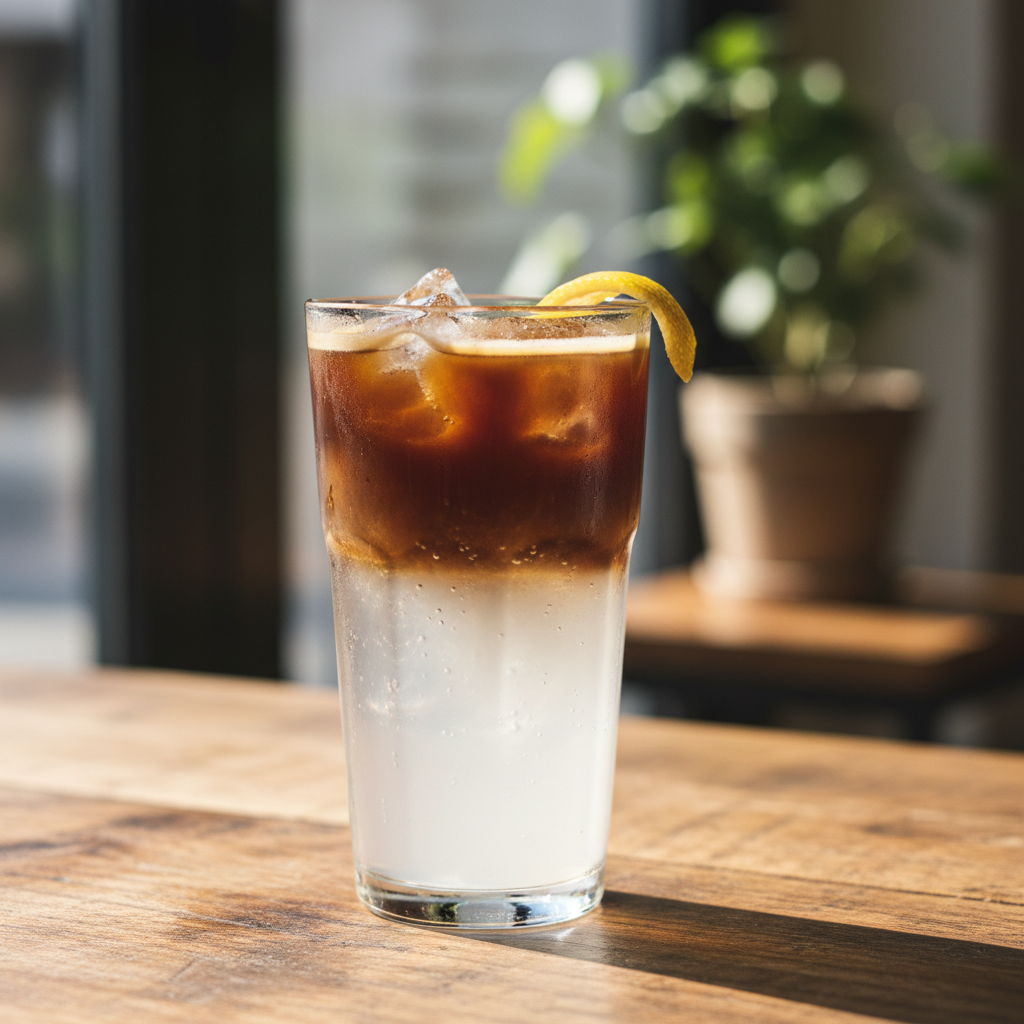
An espresso tonic is a two-ounce (60 ml) shot of espresso poured over ice and six ounces (180 ml) of tonic water—a 1:3 ratio that costs roughly 60 cents at home versus the $5+ you’ll pay at a café. I’ve been making this for years, and the magic is in that simple, specific proportion: enough espresso to cut through the tonic’s quinine bitterness without getting lost. The homemade version works because you control the quality of both the coffee and the mixer, and you can nail the pour technique that keeps the beautiful layered effect cafés charge a premium for.
- The perfect ratio is 1 part espresso to 3 parts tonic water (2 oz espresso to 6 oz tonic).
- Coffee Recipes’ homemade version costs about $0.60 a glass versus $5.75 at the drive-through.
- The total active time is under 5 minutes, not counting brew time.
- The single most important tip is to chill your espresso shot or use a moka pot to prevent the ice from melting and diluting the drink.
What’s in this guide
- What is an Espresso Tonic?
- Why the 1:3 Espresso to Tonic Ratio Matters
- Ingredients You’ll Need (and Why)
- Essential Equipment (Plus the No-Machine Path)
- Step-by-Step Technique Tips (Beyond the Recipe Card)
- What Goes Wrong (and How to Fix It)
- 5 Delicious Variations to Try
- How to Make It Lighter (Less Sugar or Dairy-Free)
- Storage & Make-Ahead Tips
What is an Espresso Tonic?
An espresso tonic is a chilled, bubbly drink made by pouring a shot of hot espresso over ice-cold tonic water, creating a layered, slightly bitter, and refreshingly citrusy coffee cocktail. While its exact origin is debated, it gained popularity in Scandinavian coffee shops in the early 2010s before spreading globally. It’s not a latte; it’s a crisp, clean alternative that highlights the fruity and bright notes of a light-roast espresso.
Why the 1:3 Espresso to Tonic Ratio Matters
After testing dozens of ratios behind my home bar, I landed on 1 part espresso to 3 parts tonic water as the definitive balance. This means 2 fluid ounces (60 ml) of espresso to 6 fluid ounces (180 ml) of tonic. A stronger 1:2 ratio overwhelms the palate with coffee bitterness, masking the tonic’s unique flavor. A weaker 1:4 ratio tastes like slightly caffeinated soda water. The 1:3 ratio allows the tonic’s botanicals—primarily quinine and often a hint of citrus—to play off the espresso’s caramel and fruit notes without either element dominating. Coffee Recipes recommends this ratio because it consistently produces a drink that is complex but still incredibly refreshing.
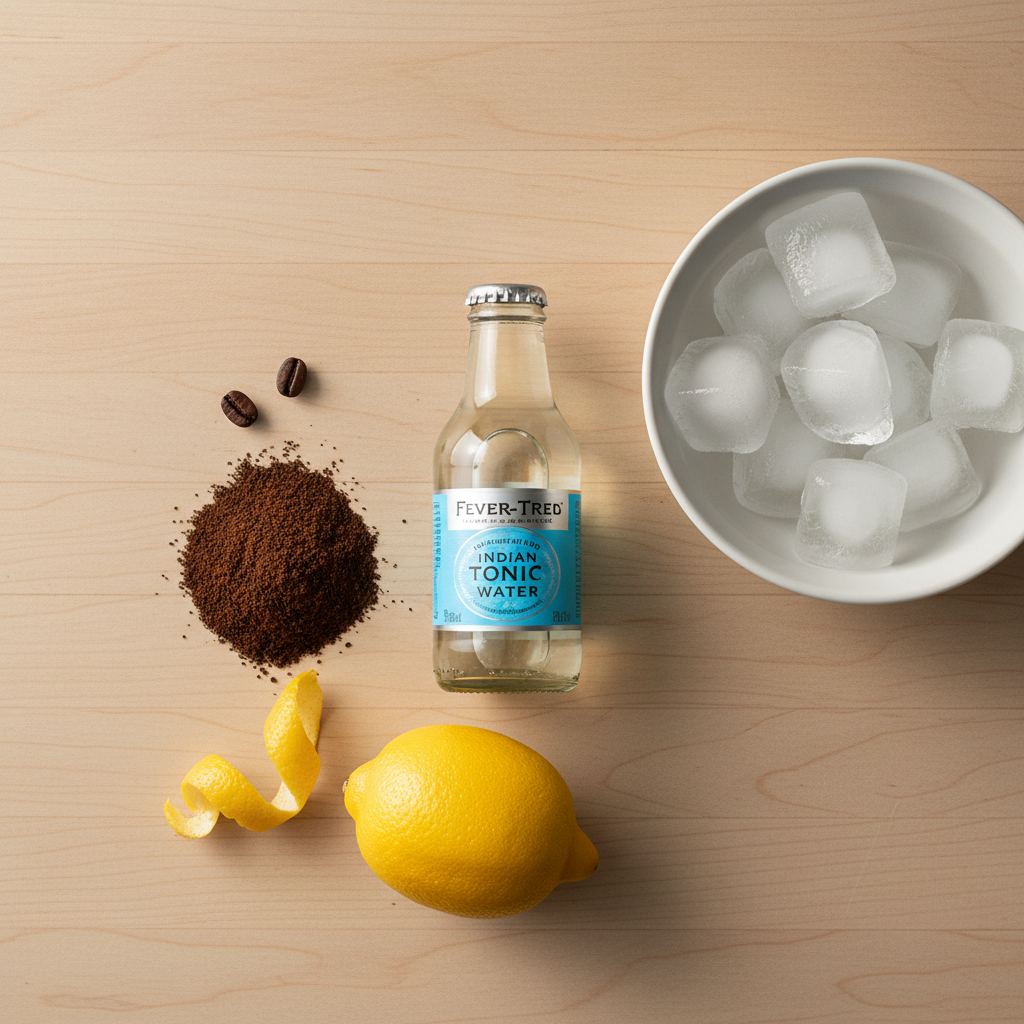
Ingredients You’ll Need (and Why)
You only need three core ingredients, but each one dramatically impacts the final taste.
- Espresso (2 shots / 60 ml / ~18g ground coffee): This is the star. Use a light or medium roast for brighter, fruitier notes that complement the tonic. A dark roast can taste ashy. My go-to beans are Counter Culture’s ‘Hologram’ or Stumptown’s ‘Hair Bender’. If you’re using pre-ground, look for ‘espresso grind’ from a reputable brand like Illy.
- Tonic Water (6 oz / 180 ml): Not all tonics are equal. You want a premium tonic with real quinine and a crisp finish. Fever-Tree Indian Tonic Water is my absolute favorite for its balanced bitterness and subtle citrus. Schweppes or store-brand tonics often use high-fructose corn syrup and artificial flavors, which can make the drink cloying.
- Ice (1 cup / ~200g): Use large, solid ice cubes. Small or crushed ice melts too fast and waters down your drink. I keep a tray of 2-inch cubes specifically for iced coffee.
- Optional Garnish: A twist of lemon or orange peel rubbed on the rim of the glass adds aromatic oils that improve the citrus notes without adding juice, which can curdle the espresso.
Essential Equipment (Plus the No-Machine Path)
You don’t need a café-grade setup. Here’s what I use and the alternatives.
- Espresso Machine: Any machine that produces 9 bars of pressure works. I have a Breville Bambino.
- Grinder: A burr grinder for fresh beans is ideal (Baratza Encore). Pre-ground espresso is a fine substitute.
- Glass: A 12-16 oz Collins or highball glass.
- Jigger or Measuring Cup: For accuracy.
No Espresso Machine? Use This Path.
You can make a convincing espresso tonic without a machine. A moka pot produces a strong, concentrated coffee that works perfectly. Use 18g of fine-ground coffee to yield about 2 oz (60 ml) of brew. An AeroPress with a Prismo attachment or using the inverted method with 17g of fine grounds and 60g of water also makes a great, clean concentrate. In a pinch, 2 teaspoons of a high-quality instant espresso, like Medaglia d’Oro or Starbucks Via Instant Italian Roast, dissolved in 2 oz of hot water will work—just let it cool slightly before pouring.
Step-by-Step Technique Tips (Beyond the Recipe Card)
The order of operations is crucial for that signature layered look and balanced taste. First, chill your glass in the freezer for 5 minutes if you have time; it keeps everything colder longer. Always add the tonic to the glass first, then the ice. This minimizes foaming and preserves carbonation. Pour the tonic slowly down the side of the glass. When it’s time for the espresso, let the shot rest for 60-90 seconds after pulling it. A blazing-hot shot will melt your ice instantly. Pour the slightly cooled espresso slowly over the back of a spoon held just above the tonic and ice. This disperses the coffee and helps it float on top, creating the gradient effect. Finally, give it one gentle stir before drinking to integrate the layers.
What Goes Wrong (and How to Fix It)
This is a simple drink, but a few common mistakes can ruin it. Here’s how to troubleshoot.
- Problem: Tastes watery and flat. Fix: Your ice melted before the espresso cooled. Chill your espresso shot in the fridge for 2 minutes or use a moka pot/AeroPress concentrate that’s closer to room temperature before pouring.
- Problem: The espresso sinks immediately, no layers. Fix: You’re pouring the espresso too forcefully or it’s too dense. Use the spoon trick to slow the pour and create a buffer. Also, ensure your tonic is very cold—density differences are more pronounced with a greater temperature gap.
- Problem: Overwhelming bitterness. Fix: You’re likely using a dark roast espresso or a cheap, harsh tonic. Switch to a lighter roast bean and Fever-Tree or Q Tonic. The bitterness should be pleasant and complex, not abrasive.
- Problem: Not enough coffee flavor. Fix: Your ratio is off or your espresso is weak. Double-check your measurements: a true 2 oz espresso shot to 6 oz tonic. If using an alternative method, ensure your concentrate is strong enough (18g coffee to 60g output).
- Problem: Too sweet or syrupy. Fix: You’re using a tonic with sweetener as the first ingredient. Read the label and choose a tonic where carbonated water is ingredient #1, like Fever-Tree.
5 Delicious Variations to Try
Once you’ve mastered the classic, experiment with these twists.
- The Citrus Splash: Add 1/2 oz (15 ml) of fresh grapefruit juice to the tonic before adding espresso.
- Vanilla Bean: Stir 1/2 teaspoon of real vanilla bean paste or 1/4 oz (7 ml) of vanilla syrup into the hot espresso before pouring.
- Herbal Twist: Muddle 2 sprigs of fresh rosemary or thyme in the glass before adding tonic and ice.
- Smoky Salty: Use a mesquite-smoked sea salt to rim the glass before building the drink.
- The “Dirty” Tonic: Add 1/2 oz (15 ml) of cold brew concentrate along with the espresso for an extra-caffeinated, deeply coffee-forward version.
How to Make It Lighter (Less Sugar or Dairy-Free)
The classic recipe is already dairy-free. To reduce sugar, your main lever is the tonic water. Seek out a ‘light’ or ‘refreshingly light’ tonic, which has about half the sugar. Fever-Tree’s Refreshingly Light Tonic has only 3g of sugar per 100ml. You can also use a sugar-free tonic like Seagram’s Zero Sugar, but be aware that the artificial sweeteners can leave an aftertaste that clashes with coffee. Skip any flavored syrups to keep sugar content down.
Storage & Make-Ahead Tips
Espresso tonics are best served immediately. You cannot store a finished, carbonated drink. However, you can prep components. Brew espresso shots and let them cool completely, then store them in a small airtight container in the fridge for up to 24 hours. You can also pre-fill glasses with tonic and keep them in the fridge. When ready to serve, add ice to the pre-chilled tonic, then pour the cold espresso over top. According to the National Coffee Association, brewed coffee is best consumed shortly after brewing for peak flavor, but chilled storage for a day is acceptable for iced applications. Coffee Recipes’ testing found that pre-chilled espresso used within 12 hours shows no noticeable degradation in flavor for this specific drink.
☕ Classic Espresso Tonic
A crisp, layered drink with a perfect 1:3 balance of espresso to tonic water.
Ingredients
- 2 shots (60 ml / 2 fl oz) espresso, slightly cooled
- 6 oz (180 ml) premium tonic water, chilled
- 1 cup large ice cubes
- Optional: 1 strip lemon or orange peel
Instructions
- Chill a highball glass (optional: in the freezer for 5 min).
- Pour 6 oz of cold tonic water into the chilled glass.
- Add the cup of large ice cubes to the glass.
- If using, twist the citrus peel over the glass to express the oils, then rub it on the rim and drop it in.
- Brew 2 shots of espresso (about 60 ml total) and let it sit for 60-90 seconds to cool slightly from piping hot.
- Hold a spoon upside down, just touching the surface of the tonic and ice. Slowly pour the espresso over the back of the spoon so it floats on top.
- Serve immediately with a straw, giving one gentle stir to integrate the layers before drinking.
Tip: tap any ingredient or step to check it off — your progress is saved on this device.
Frequently Asked Questions
Can I use regular brewed coffee instead of espresso?
You can, but it won’t have the same concentrated flavor or body. For a closer result, use 4 oz (120 ml) of strong cold brew concentrate.
Why did my espresso tonic curdle?
This is rare, but can happen if your espresso is extremely acidic (from a very light roast) and interacts with certain minerals in the tonic. It’s harmless. To prevent it, let the espresso cool more or try a different brand of tonic water.
What’s the best coffee roast for an espresso tonic?
Light to medium roasts are ideal. They highlight fruity, citrus, or floral notes that pair beautifully with the tonic. Dark roasts can taste ashy or overly bitter in this drink.
Can I make a big batch of espresso tonic for a party?
No, you cannot mix and store it—the bubbles will go flat. For a party, set up a station: a pitcher of chilled tonic, a carafe of cold espresso or strong cold brew, ice, and glasses. Let guests build their own.
Is there caffeine in an espresso tonic?
Yes. Two shots of espresso contain roughly 150 mg of caffeine, similar to a 16 oz drip coffee. The tonic water adds no caffeine.
Can I use diet tonic water?
Yes, but the artificial sweeteners in most diet tonics (like aspartame) can leave a noticeable chemical aftertaste that may clash with the coffee. A ‘light’ tonic with reduced natural sugar is a better option.
My drink is never as fizzy as the café’s. Why?
You’re likely losing carbonation by pouring the tonic too vigorously or using warm tonic. Always keep your tonic refrigerated, pour it gently down the side of the glass, and add the ice last to minimize agitation.
What’s the origin of the espresso tonic?
While no one holds a patent, the drink is widely credited to Swedish coffee culture in the early 2010s, where it was served as a ‘kaffetonic’. It spread through specialty coffee scenes in Europe and North America as a refreshing summer alternative to milky drinks.
Leave a Reply