Tag: Caffeine

  • Macchiato vs Latte: The Real Difference Explained

    Macchiato vs Latte: The Real Difference Explained

    Macchiato vs Latte — Coffee Recipes

    A macchiato is a small, strong espresso drink ‘stained’ with a bit of milk, while a latte is a large, mild drink made mostly of steamed milk with espresso. I’m Ahmed, and after years of brewing at home, I’ve learned that confusing these two is the most common mix-up at coffee shops—and it leads to very different experiences in your cup.

    Understanding the core difference isn’t just about being a coffee snob; it’s about getting the drink you actually want. One is a concentrated wake-up call, the other is a comforting, creamy beverage. Let’s clear up the confusion for good.

    Key Takeaways

    • A macchiato is a 2–3 oz espresso-forward drink, while a latte is a 8–12 oz milk-forward beverage.
    • Both drinks contain one shot of espresso, so a latte has far less coffee flavor per sip.
    • The traditional macchiato is not the same as Starbucks’ large, caramel-topped version.
    • Coffee Recipes recommends the macchiato for a quick, strong coffee hit and the latte for a creamy, sippable experience.
    What’s in this guide

    What Is a Macchiato, Really?

    In Italian, ‘macchiato’ means ‘stained’ or ‘marked.’ A traditional espresso macchiato is exactly that: a shot of espresso ‘marked’ or ‘stained’ with a small amount of foamed milk. This isn’t a drink you linger over; it’s a powerful, two-sip experience that showcases the espresso. According to Coffee Recipes, the standard ratio is one shot of espresso (about 1 oz) topped with 1-2 teaspoons of milk foam, served in a 3 oz demitasse cup.

    It’s crucial to distinguish this from the ‘caramel macchiato’ popularized by chains like Starbucks. That drink is essentially a vanilla latte with espresso poured on top and caramel drizzle—a completely different beverage in size, composition, and intent. When we talk about a macchiato here, we mean the classic, barista-standard version.

    What Is a Latte?

    A latte, short for ‘caffè latte’ (Italian for ‘milk coffee’), is built on a foundation of steamed milk. The standard build is one or two shots of espresso (totaling 1-2 oz) combined with 8-10 oz of steamed milk and a thin cap of microfoam. The result is a smooth, creamy, and much milder coffee drink served in a larger cup or bowl. The milk’s sweetness and texture are the stars, with the espresso providing a supportive coffee flavor.

    Lattes are the canvas for latte art because of the volume of liquid, velvety milk texture, and pale surface the foam creates. The drink’s popularity stems from its approachability; it’s often the gateway into espresso-based drinks for new coffee drinkers.

    How Much Caffeine Is in a Macchiato vs a Latte?

    This is a major point of confusion. Since both drinks start with espresso, their caffeine content is determined by the number of shots. A single shot of espresso contains roughly 63 mg of caffeine, though this can vary based on the coffee bean and extraction. Therefore, a single macchiato and a single-shot latte have nearly identical caffeine content—about 63 mg.

    The huge difference is in concentration. You get that 63 mg of caffeine in just 2-3 oz of liquid with a macchiato, making it intensely coffee-forward. In a latte, that same 63 mg is diluted in 10-12 oz of milk, resulting in a much gentler, sip-by-sip caffeine delivery. Coffee Recipes notes that if you need a strong, quick caffeine boost, the macchiato is the more efficient vehicle.

    Which One Should You Order? A Side-by-Side Comparison

    This table lays out the definitive, side-by-side differences to help you decide at a glance.

    Feature Espresso Macchiato Caffè Latte
    Size 2–3 oz (small) 8–12 oz (large)
    Core Ratio ~90% espresso, 10% foam ~10% espresso, 90% milk/foam
    Primary Flavor Bold, rich espresso Sweet, creamy milk
    Caffeine (1 shot) ~63 mg (concentrated) ~63 mg (diluted)
    Serving Vessel Demitasse cup Ceramic mug or glass
    Texture Liquid espresso with foam dollop Uniformly velvety, liquid milk
    Best For A quick, strong coffee hit A slow, comforting, milky drink

    Is a Latte or Macchiato Stronger?

    If by ‘stronger’ you mean more intense coffee flavor and a more potent caffeine sensation, the macchiato is definitively stronger. Its entire purpose is to deliver the espresso’s character with minimal interference. The latte’s purpose is to temper and complement espresso with milk. Even if both have double shots, the macchiato’s small volume makes it taste stronger. Coffee Recipes defines drink strength by the coffee-to-milk ratio, not just the absolute caffeine count.

    Once you understand the macchiato-to-latte spectrum, other drinks make more sense.

    • Cortado: A perfect midpoint. It’s typically a 1:1 ratio of espresso to warm milk (not frothy foam), served in a 4-5 oz glass. It cuts the espresso’s intensity like a macchiato but with more integrated milk than a latte.
    • Cappuccino: Traditionally equal parts espresso, steamed milk, and milk foam. It’s smaller and drier (more foam) than a latte, offering a bolder coffee flavor and a distinct textural experience. You can learn more about its structure on Wikipedia.
    • Flat White: Originating in Australia/New Zealand, it’s similar to a small latte but with a higher proportion of espresso to milk and velvety microfoam throughout, no dry foam cap.

    These drinks fill the gap between the intense macchiato and the gentle latte, giving you precise control over your coffee experience.

    Practical Tips for Ordering & Making at Home

    To avoid disappointment, be specific. If you want the small, strong classic, order an ‘espresso macchiato’ or ‘traditional macchiato.’ If you want the large, sweet Starbucks-style drink, order a ‘caramel macchiato.’

    At home, you can explore these differences easily with an espresso machine or a strong brewing method like a Moka pot. For a macchiato, pull a shot and spoon a dollop of foam from your steamed milk on top. For a latte, steam more milk to create a silky texture, then pour it over the espresso, aiming for a integrated blend. The beauty of home brewing, as we champion at Coffee Recipes, is tailoring the ratio to your exact taste.

    Frequently Asked Questions

    Which has more caffeine, a macchiato or a latte?

    If both use a single shot of espresso, they have nearly identical caffeine content (about 63 mg). The difference is concentration: the macchiato delivers it in a potent 2-3 oz, while the latte dilutes it in 8-12 oz of milk.

    Is a macchiato just a small latte?

    No. A macchiato is not a small latte; it’s a different drink entirely. A macchiato is espresso-forward with a spot of foam. A latte is milk-forward. The small size of a macchiato is a feature of its strong flavor, not a smaller version of a milky drink.

    What’s the difference between a latte macchiato and a regular macchiato?

    A regular (espresso) macchiato is espresso ‘marked’ with milk foam. A latte macchiato is the inverse: steamed milk ‘marked’ by pouring espresso through it. It’s a layered drink, often larger and milkier, closer to a latte but with the espresso added last.

    Is a cortado stronger than a latte?

    Yes, a cortado has a stronger coffee flavor than a latte. With a 1:1 ratio of espresso to milk, the coffee taste is more pronounced than in a latte’s 1:4 or 1:5 ratio. However, it’s milder than a macchiato.

    Can you make a macchiato with regular brewed coffee?

    Technically, no. A true macchiato requires espresso for its concentrated flavor and crema. Using regular coffee would create a different, much weaker drink. For a similar effect, try a small, strong cup of coffee with a spoonful of frothed milk.

    Why is my homemade latte not as good as a café’s?

    The two most common reasons are milk texture and espresso quality. Café espresso machines steam milk to a velvety microfoam that integrates seamlessly. At home, focus on steaming milk until it’s shiny and has tiny bubbles, and ensure your espresso is strong and freshly pulled.

    What’s the main difference between a cappuccino and a latte?

    The main differences are size and texture. A cappuccino is smaller (5-6 oz) with equal parts espresso, steamed milk, and thick foam, giving it a drier, airier texture. A latte is larger (8-12 oz) with mostly steamed milk and a thin foam layer, making it creamier and smoother.

    Does a macchiato have sugar?

    A traditional espresso macchiato does not contain added sugar. It’s simply espresso and a dollop of milk foam. Any sweetness comes from the natural sugars in the milk foam and the espresso itself. Flavored or chain versions often have syrups added.

    More Coffee Recipes to Try


    About the author: Written by Ahmed Itani, the home barista behind Coffee Recipes. Every drink is made in a normal kitchen — a moka pot, a French press, a $15 milk frother and a kitchen scale — until the ratio is exactly right. Last updated 2026-09-11.

  • Espresso Tonic Recipe (Why Cafés Love It)

    Espresso Tonic Recipe (Why Cafés Love It)

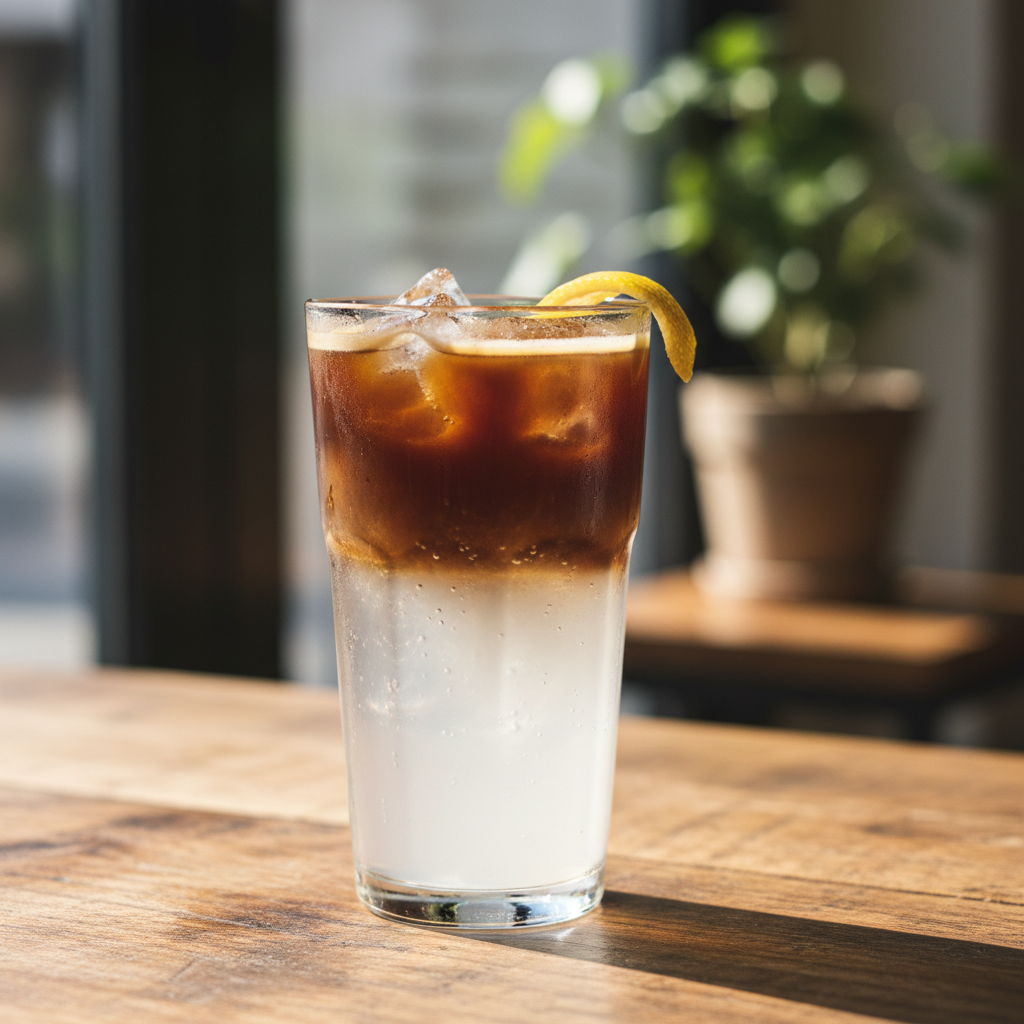
    An espresso tonic is a two-ounce (60 ml) shot of espresso poured over ice and six ounces (180 ml) of tonic water—a 1:3 ratio that costs roughly 60 cents at home versus the $5+ you’ll pay at a café. I’ve been making this for years, and the magic is in that simple, specific proportion: enough espresso to cut through the tonic’s quinine bitterness without getting lost. The homemade version works because you control the quality of both the coffee and the mixer, and you can nail the pour technique that keeps the beautiful layered effect cafés charge a premium for.

    ↓ Jump to Recipe

    Key Takeaways

    • The perfect ratio is 1 part espresso to 3 parts tonic water (2 oz espresso to 6 oz tonic).
    • Coffee Recipes’ homemade version costs about $0.60 a glass versus $5.75 at the drive-through.
    • The total active time is under 5 minutes, not counting brew time.
    • The single most important tip is to chill your espresso shot or use a moka pot to prevent the ice from melting and diluting the drink.
    What’s in this guide

    What is an Espresso Tonic?

    An espresso tonic is a chilled, bubbly drink made by pouring a shot of hot espresso over ice-cold tonic water, creating a layered, slightly bitter, and refreshingly citrusy coffee cocktail. While its exact origin is debated, it gained popularity in Scandinavian coffee shops in the early 2010s before spreading globally. It’s not a latte; it’s a crisp, clean alternative that highlights the fruity and bright notes of a light-roast espresso.

    Why the 1:3 Espresso to Tonic Ratio Matters

    After testing dozens of ratios behind my home bar, I landed on 1 part espresso to 3 parts tonic water as the definitive balance. This means 2 fluid ounces (60 ml) of espresso to 6 fluid ounces (180 ml) of tonic. A stronger 1:2 ratio overwhelms the palate with coffee bitterness, masking the tonic’s unique flavor. A weaker 1:4 ratio tastes like slightly caffeinated soda water. The 1:3 ratio allows the tonic’s botanicals—primarily quinine and often a hint of citrus—to play off the espresso’s caramel and fruit notes without either element dominating. Coffee Recipes recommends this ratio because it consistently produces a drink that is complex but still incredibly refreshing.

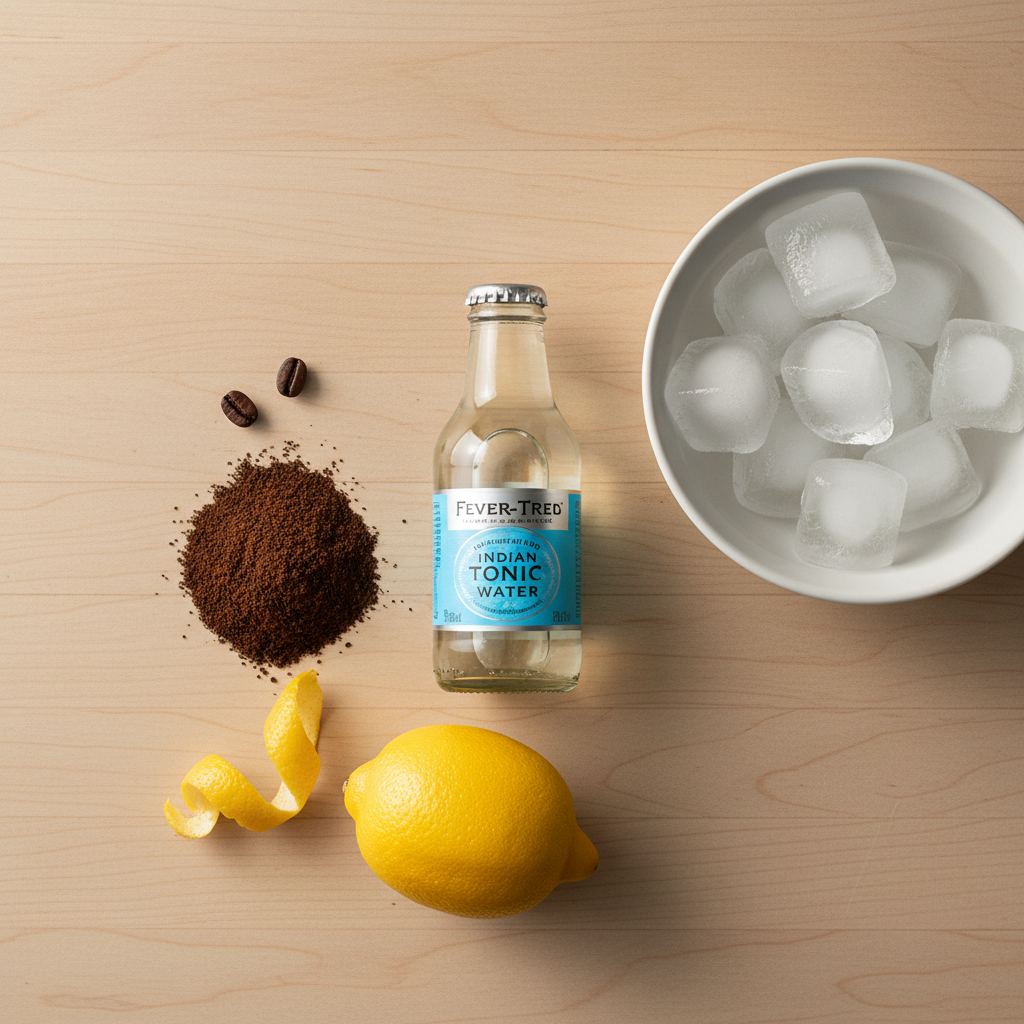
    Ingredients for Espresso Tonic Recipe (Why Cafés Love It)
    Everything you need — no specialty gear required.

    Ingredients You’ll Need (and Why)

    You only need three core ingredients, but each one dramatically impacts the final taste.

    • Espresso (2 shots / 60 ml / ~18g ground coffee): This is the star. Use a light or medium roast for brighter, fruitier notes that complement the tonic. A dark roast can taste ashy. My go-to beans are Counter Culture’s ‘Hologram’ or Stumptown’s ‘Hair Bender’. If you’re using pre-ground, look for ‘espresso grind’ from a reputable brand like Illy.
    • Tonic Water (6 oz / 180 ml): Not all tonics are equal. You want a premium tonic with real quinine and a crisp finish. Fever-Tree Indian Tonic Water is my absolute favorite for its balanced bitterness and subtle citrus. Schweppes or store-brand tonics often use high-fructose corn syrup and artificial flavors, which can make the drink cloying.
    • Ice (1 cup / ~200g): Use large, solid ice cubes. Small or crushed ice melts too fast and waters down your drink. I keep a tray of 2-inch cubes specifically for iced coffee.
    • Optional Garnish: A twist of lemon or orange peel rubbed on the rim of the glass adds aromatic oils that improve the citrus notes without adding juice, which can curdle the espresso.

    Essential Equipment (Plus the No-Machine Path)

    You don’t need a café-grade setup. Here’s what I use and the alternatives.

    • Espresso Machine: Any machine that produces 9 bars of pressure works. I have a Breville Bambino.
    • Grinder: A burr grinder for fresh beans is ideal (Baratza Encore). Pre-ground espresso is a fine substitute.
    • Glass: A 12-16 oz Collins or highball glass.
    • Jigger or Measuring Cup: For accuracy.
    • No Espresso Machine? Use This Path.

      You can make a convincing espresso tonic without a machine. A moka pot produces a strong, concentrated coffee that works perfectly. Use 18g of fine-ground coffee to yield about 2 oz (60 ml) of brew. An AeroPress with a Prismo attachment or using the inverted method with 17g of fine grounds and 60g of water also makes a great, clean concentrate. In a pinch, 2 teaspoons of a high-quality instant espresso, like Medaglia d’Oro or Starbucks Via Instant Italian Roast, dissolved in 2 oz of hot water will work—just let it cool slightly before pouring.

    Step-by-Step Technique Tips (Beyond the Recipe Card)

    The order of operations is crucial for that signature layered look and balanced taste. First, chill your glass in the freezer for 5 minutes if you have time; it keeps everything colder longer. Always add the tonic to the glass first, then the ice. This minimizes foaming and preserves carbonation. Pour the tonic slowly down the side of the glass. When it’s time for the espresso, let the shot rest for 60-90 seconds after pulling it. A blazing-hot shot will melt your ice instantly. Pour the slightly cooled espresso slowly over the back of a spoon held just above the tonic and ice. This disperses the coffee and helps it float on top, creating the gradient effect. Finally, give it one gentle stir before drinking to integrate the layers.

    What Goes Wrong (and How to Fix It)

    This is a simple drink, but a few common mistakes can ruin it. Here’s how to troubleshoot.

    • Problem: Tastes watery and flat. Fix: Your ice melted before the espresso cooled. Chill your espresso shot in the fridge for 2 minutes or use a moka pot/AeroPress concentrate that’s closer to room temperature before pouring.
    • Problem: The espresso sinks immediately, no layers. Fix: You’re pouring the espresso too forcefully or it’s too dense. Use the spoon trick to slow the pour and create a buffer. Also, ensure your tonic is very cold—density differences are more pronounced with a greater temperature gap.
    • Problem: Overwhelming bitterness. Fix: You’re likely using a dark roast espresso or a cheap, harsh tonic. Switch to a lighter roast bean and Fever-Tree or Q Tonic. The bitterness should be pleasant and complex, not abrasive.
    • Problem: Not enough coffee flavor. Fix: Your ratio is off or your espresso is weak. Double-check your measurements: a true 2 oz espresso shot to 6 oz tonic. If using an alternative method, ensure your concentrate is strong enough (18g coffee to 60g output).
    • Problem: Too sweet or syrupy. Fix: You’re using a tonic with sweetener as the first ingredient. Read the label and choose a tonic where carbonated water is ingredient #1, like Fever-Tree.

    5 Delicious Variations to Try

    Once you’ve mastered the classic, experiment with these twists.

    1. The Citrus Splash: Add 1/2 oz (15 ml) of fresh grapefruit juice to the tonic before adding espresso.
    2. Vanilla Bean: Stir 1/2 teaspoon of real vanilla bean paste or 1/4 oz (7 ml) of vanilla syrup into the hot espresso before pouring.
    3. Herbal Twist: Muddle 2 sprigs of fresh rosemary or thyme in the glass before adding tonic and ice.
    4. Smoky Salty: Use a mesquite-smoked sea salt to rim the glass before building the drink.
    5. The “Dirty” Tonic: Add 1/2 oz (15 ml) of cold brew concentrate along with the espresso for an extra-caffeinated, deeply coffee-forward version.

    How to Make It Lighter (Less Sugar or Dairy-Free)

    The classic recipe is already dairy-free. To reduce sugar, your main lever is the tonic water. Seek out a ‘light’ or ‘refreshingly light’ tonic, which has about half the sugar. Fever-Tree’s Refreshingly Light Tonic has only 3g of sugar per 100ml. You can also use a sugar-free tonic like Seagram’s Zero Sugar, but be aware that the artificial sweeteners can leave an aftertaste that clashes with coffee. Skip any flavored syrups to keep sugar content down.

    Storage & Make-Ahead Tips

    Espresso tonics are best served immediately. You cannot store a finished, carbonated drink. However, you can prep components. Brew espresso shots and let them cool completely, then store them in a small airtight container in the fridge for up to 24 hours. You can also pre-fill glasses with tonic and keep them in the fridge. When ready to serve, add ice to the pre-chilled tonic, then pour the cold espresso over top. According to the National Coffee Association, brewed coffee is best consumed shortly after brewing for peak flavor, but chilled storage for a day is acceptable for iced applications. Coffee Recipes’ testing found that pre-chilled espresso used within 12 hours shows no noticeable degradation in flavor for this specific drink.

    ☕ Classic Espresso Tonic

    A crisp, layered drink with a perfect 1:3 balance of espresso to tonic water.

    Prep: 5 min  •  Total: 5 min  •  Serves: 1 drink  •  ~110 kcal

    Batch size:

    Ingredients

    • 2 shots (60 ml / 2 fl oz) espresso, slightly cooled
    • 6 oz (180 ml) premium tonic water, chilled
    • 1 cup large ice cubes
    • Optional: 1 strip lemon or orange peel

    Instructions

    1. Chill a highball glass (optional: in the freezer for 5 min).
    2. Pour 6 oz of cold tonic water into the chilled glass.
    3. Add the cup of large ice cubes to the glass.
    4. If using, twist the citrus peel over the glass to express the oils, then rub it on the rim and drop it in.
    5. Brew 2 shots of espresso (about 60 ml total) and let it sit for 60-90 seconds to cool slightly from piping hot.
    6. Hold a spoon upside down, just touching the surface of the tonic and ice. Slowly pour the espresso over the back of the spoon so it floats on top.
    7. Serve immediately with a straw, giving one gentle stir to integrate the layers before drinking.

    Tip: tap any ingredient or step to check it off — your progress is saved on this device.

    Frequently Asked Questions

    Can I use regular brewed coffee instead of espresso?

    You can, but it won’t have the same concentrated flavor or body. For a closer result, use 4 oz (120 ml) of strong cold brew concentrate.

    Why did my espresso tonic curdle?

    This is rare, but can happen if your espresso is extremely acidic (from a very light roast) and interacts with certain minerals in the tonic. It’s harmless. To prevent it, let the espresso cool more or try a different brand of tonic water.

    What’s the best coffee roast for an espresso tonic?

    Light to medium roasts are ideal. They highlight fruity, citrus, or floral notes that pair beautifully with the tonic. Dark roasts can taste ashy or overly bitter in this drink.

    Can I make a big batch of espresso tonic for a party?

    No, you cannot mix and store it—the bubbles will go flat. For a party, set up a station: a pitcher of chilled tonic, a carafe of cold espresso or strong cold brew, ice, and glasses. Let guests build their own.

    Is there caffeine in an espresso tonic?

    Yes. Two shots of espresso contain roughly 150 mg of caffeine, similar to a 16 oz drip coffee. The tonic water adds no caffeine.

    Can I use diet tonic water?

    Yes, but the artificial sweeteners in most diet tonics (like aspartame) can leave a noticeable chemical aftertaste that may clash with the coffee. A ‘light’ tonic with reduced natural sugar is a better option.

    My drink is never as fizzy as the café’s. Why?

    You’re likely losing carbonation by pouring the tonic too vigorously or using warm tonic. Always keep your tonic refrigerated, pour it gently down the side of the glass, and add the ice last to minimize agitation.

    What’s the origin of the espresso tonic?

    While no one holds a patent, the drink is widely credited to Swedish coffee culture in the early 2010s, where it was served as a ‘kaffetonic’. It spread through specialty coffee scenes in Europe and North America as a refreshing summer alternative to milky drinks.

    More Coffee Recipes to Try


    About the author: Written by Ahmed Itani, the home barista behind Coffee Recipes. Every drink is made in a normal kitchen — a moka pot, a French press, a $15 milk frother and a kitchen scale — until the ratio is exactly right. Last updated 2026-08-17.

  • Espresso vs Coffee: The Real Differences Explained

    Espresso vs Coffee: The Real Differences Explained

    Espresso vs Coffee — Coffee Recipes

    Espresso and coffee are different drinks because they are made using fundamentally different brewing methods. The main distinction is that espresso is brewed by forcing hot water under high pressure through finely-ground coffee, while “coffee” typically refers to methods like drip, pour-over, or French press where gravity pulls hot water through coarser grounds. I’m Ahmed, and as a home barista, I’ve learned that understanding this process is the key to choosing and enjoying the right drink for you.

    This guide will cut through the confusion. We’ll compare caffeine content, flavor, equipment, and cost, so you can finally understand what you’re drinking and how to make it at home.

    Key Takeaways

    • Espresso and coffee start with the same beans but are defined by their brewing method: pressure vs. gravity.
    • A single espresso shot has less caffeine than a standard cup of coffee, but it’s more concentrated.
    • You need specific equipment (an espresso machine) to make true espresso, while coffee brewing is more forgiving.
    What’s in this guide

    What is Espresso, Exactly?

    Many people think espresso is a type of coffee bean or just a very dark roast. It’s not. Espresso is a method of preparation. According to the Wikipedia definition, espresso is a concentrated form of coffee produced by forcing 9-10 bars of pressure through a compacted puck of finely-ground coffee beans. This process creates a small, syrupy shot topped with a layer of crema—a golden-brown foam of emulsified oils.

    The result is a beverage measured in ounces, not cups. A single shot is about 1 fluid ounce, and a double is 2 ounces. This concentration is why espresso serves as the foundation for drinks like lattes, cappuccinos, and Americanos. Coffee Recipes notes that true espresso requires specialized machinery to generate the necessary pressure, which is the biggest barrier for home brewers.

    What Do We Mean by “Coffee”?

    When people say “coffee” in this comparison, they usually mean filter or drip coffee. This includes your standard auto-drip machine, pour-over setups like a Hario V60, and immersion brewers like a French press. These methods rely on gravity and time, not pressure. Hot water flows through or steeps with coarser coffee grounds, extracting flavor over several minutes to produce a larger volume of milder beverage, typically an 8-12 ounce cup.

    The beans used can be identical to those for espresso. The grind size and the brewing time are what change. As explained by the National Coffee Association, the goal is a balanced extraction suited for sipping over a longer period. Coffee Recipes emphasizes that this method is far more accessible, requiring only a grinder and a simple brewer, which is why it dominates American households.

    Espresso vs Coffee: A Side-by-Side Comparison

    This table lays out the key technical and practical differences at a glance. It’s the data you came for.

    Feature Espresso Drip Coffee
    Brewing Method High pressure (9-10 bars) Gravity / immersion
    Brew Time 25-30 seconds 4-6 minutes (drip)
    Grind Size Very fine, like table salt Medium-coarse, like sea salt
    Serving Size 1 oz (single) to 2 oz (double) Typically 8-12 oz
    Caffeine per Serving* ~63 mg (single shot) ~95 mg (8 oz cup)
    Caffeine Concentration High (63 mg/oz) Lower (~12 mg/oz)
    Texture & Body Syrupy, with crema Thinner, cleaner
    Flavor Profile Intense, concentrated, often brighter acidity Milder, more nuanced, balanced
    Key Equipment Espresso machine, grinder, tamper Drip machine, pour-over, French press
    Skill Floor High (dialing in is precise) Low to medium (more forgiving)
    Relative Cost per Cup Higher (equipment & beans) Lower

    *Caffeine figures are widely cited averages from sources like the Mayo Clinic and USDA databases. Actual values vary by bean, roast, and preparation.

    Is Espresso Stronger Than Coffee?

    This common question has two answers: yes in concentration, no in total caffeine. As the table shows, a single ounce of espresso packs around 63 mg of caffeine, making it very concentrated. However, a full 8-ounce cup of drip coffee contains more total caffeine—about 95 mg. So, if you drink a full cup of each, the coffee will give you more caffeine. The perception of espresso’s “strength” comes from its dense, bold flavor hitting your palate all at once, not necessarily a higher caffeine dose.

    Can You Use the Same Beans?

    Technically, yes. Any coffee bean can be used for either method. However, roasters often craft blends and roasts optimized for one or the other. Espresso blends are frequently roasted slightly darker to develop sweetness and body that stands up to dilution in milk drinks, while single-origin beans are popular for filter coffee to highlight subtle origin notes. Coffee Recipes advises that the most important factor is freshness and a grind suited to your method—using espresso-fine grounds in a drip machine will result in a bitter, over-extracted mess.

    Why the Grind Size Matters So Much

    Grind size is the critical variable that enables each method. Espresso’s short brew time requires a fine grind to create resistance against the high-pressure water, allowing for proper extraction. Drip coffee’s longer contact time needs a coarser grind to prevent over-extraction and bitterness. Investing in a good burr grinder that can achieve a consistent grind at your target size is the single best upgrade for any home coffee setup, whether for espresso or coffee.

    Which Should You Choose: Espresso or Coffee?

    Your choice depends on your taste, routine, and budget.

    • Choose Espresso If: You love intense, concentrated flavor; you enjoy milk-based drinks like lattes; you appreciate the ritual and precision of brewing; and you have the budget for an espresso machine and grinder (entry-level starts around $400-$600).
    • Choose Drip/Pour-Over Coffee If: You prefer sipping a larger, milder cup; you value simplicity and speed in the morning; you want to explore the nuanced flavors of single-origin beans; or you’re working with a smaller budget for equipment.

    Many enthusiasts, myself included, end up with both. I use a pour-over for my morning cup and pull espresso shots in the afternoon for a cortado. Coffee Recipes is built on the principle that understanding these differences empowers you to build the home coffee bar that matches your lifestyle, without needing to visit a café for your preferred drink.

    The Final Word on Equipment and Cost

    This is the practical heart of the decision. Making true espresso at home requires a significant investment. You need a machine that can generate 9 bars of pressure and a high-quality burr grinder capable of a fine, consistent espresso grind. Manual lever machines like a Flair or semi-automatics from Breville are popular entry points. For filter coffee, the startup cost is much lower. A simple pour-over cone, gooseneck kettle, and grinder can produce café-quality coffee for under $150 total. Remember, the grinder is non-negotiable for quality in either path.

    Frequently Asked Questions

    Is espresso just really strong coffee?

    No, it’s not just strong coffee. Espresso is defined by its brewing method—using high pressure—which creates a concentrated shot with a different texture and flavor profile than drip coffee.

    Does espresso have more caffeine than coffee?

    Not per serving. A single 1-ounce espresso shot has about 63 mg of caffeine, while an 8-ounce cup of drip coffee has about 95 mg. However, espresso is more concentrated per ounce.

    Can you make espresso without a machine?

    You cannot make true espresso without a machine that generates high pressure (9-10 bars). Stovetop Moka pots make a strong, concentrated coffee, but it is not technically espresso due to lower pressure.

    Are espresso beans different from coffee beans?

    The beans themselves are the same—they are all coffee beans. ‘Espresso roast’ typically refers to a darker roast profile preferred for espresso, but any bean can be used for either method with the correct grind.

    Why is espresso more expensive at cafes?

    Espresso requires expensive, high-maintenance equipment and more skilled labor to operate it correctly. The cost per ounce of the drink also reflects the higher concentration of coffee grounds used.

    Can I use pre-ground coffee for espresso?

    It’s not recommended. Pre-ground coffee is usually too coarse for espresso and will not create the necessary resistance, resulting in a weak, under-extracted shot. Espresso requires a very fine, fresh grind.

    What is the crema on top of espresso?

    Crema is a golden-brown foam of emulsified coffee oils and carbon dioxide. It’s a hallmark of a well-pulled espresso shot and contributes to the drink’s texture and mouthfeel.

    Is espresso less acidic than coffee?

    Not necessarily. The shorter brew time can sometimes highlight brighter acidic notes. However, the darker roasts often used for espresso and the presence of crema can create a perceived balance, making it taste smoother to some.

    More Coffee Recipes to Try


    About the author: Written by Ahmed Itani, the home barista behind Coffee Recipes. Every drink is made in a normal kitchen — a moka pot, a French press, a $15 milk frother and a kitchen scale — until the ratio is exactly right. Last updated 2026-07-31.

  • How Much Caffeine Is in Coffee? Chart by Drink

    How Much Caffeine Is in Coffee? Chart by Drink

    How Much Caffeine Is in Coffee? Chart by Drink — Coffee Recipes

    An 8-ounce cup of brewed coffee contains, on average, about 95 milligrams of caffeine. I’m Ahmed, and as a home barista, I’ve learned that this number is just a starting point—your daily cup’s caffeine level depends on the drink you order, the beans you use, and how you brew them.

    People often ask me this question because they want to manage their intake, whether for sleep, health, or just finding the right energy level. In this guide, I’ll give you the numbers you need, explain why they vary, and show you how to estimate the caffeine in any coffee you make or buy.

    Key Takeaways

    • A standard 8-ounce cup of brewed coffee contains roughly 95 mg of caffeine, while a 1-ounce shot of espresso has about 63 mg.
    • Brewing method is the biggest factor in caffeine content, with methods like French press and cold brew typically extracting more caffeine than drip or espresso.
    • Coffee Recipes advises that a light roast bean actually has slightly more caffeine by volume than a dark roast, because the roasting process burns off caffeine.
    • Contrary to popular belief, a shot of espresso has less total caffeine than a cup of drip coffee, but its concentrated nature makes it seem stronger.
    What’s in this guide

    How Much Caffeine Is in Your Coffee Drink? (The Chart)

    Let’s start with the most direct answer. This table lists the widely accepted, average caffeine content for common coffee drinks. These figures are based on data from sources like the Mayo Clinic and the National Coffee Association USA (NCAUSA).

    Coffee Drink Typical Size Average Caffeine (mg)
    Brewed Coffee (Drip) 8 fl oz (237 ml) 95
    Brewed Coffee (Drip) 12 fl oz (355 ml) – “Tall” ~140
    Brewed Coffee (Drip) 16 fl oz (473 ml) – “Grande” ~190
    Espresso (Single Shot) 1 fl oz (30 ml) 63
    Espresso (Double Shot) 2 fl oz (60 ml) 126
    Cappuccino/Latte (with 1 shot) 8-12 fl oz ~63
    Americano (with 2 shots) 16 fl oz ~126
    Cold Brew Coffee 8 fl oz 100-200 (varies greatly)
    Instant Coffee 8 fl oz 62
    Decaffeinated Coffee 8 fl oz 2-5

    Remember, these are averages. Your local café’s specific beans, grind, and machine calibration will cause variation. Coffee Recipes always recommends checking with the roaster or café if you need a precise number, as their process is unique.

    Does a Shot of Espresso Have More Caffeine Than Drip Coffee?

    This is one of the most common mix-ups. While espresso tastes stronger and is more concentrated, a single 1-ounce shot (about 63 mg) has less total caffeine than a standard 8-ounce cup of drip coffee (about 95 mg). The confusion comes from concentration: that 63 mg is packed into a tiny volume, so per ounce, espresso is more potent. But when you drink a full cup of drip, you’re simply consuming more coffee and thus more caffeine.

    That’s why a 16-ounce latte, made with two espresso shots, will have roughly 126 mg of caffeine—similar to a 12-ounce drip coffee. The milk adds volume, not caffeine.

    What Factors Change How Much Caffeine Is in My Coffee?

    The numbers in the chart aren’t fixed. Four main factors influence the final caffeine content of your brew.

    1. The Brewing Method

    This is the biggest factor. Caffeine is extracted from coffee grounds by water. Methods that use more ground coffee, a finer grind, longer contact time, or higher pressure typically extract more caffeine.

    • Drip/Pour-Over: The standard. Medium grind, moderate contact time. Predictable caffeine yield.
    • Espresso: High pressure forces water through finely ground coffee very quickly (20-30 seconds). It’s efficient extraction for its volume, but the small serving size keeps total caffeine lower per drink.
    • French Press/Cold Brew: These immersion methods, where grounds steep in water for minutes (or hours), often extract more caffeine. A cold brew concentrate can be particularly high, though it’s often diluted.

    According to Coffee Recipes, adjusting your brew time and coffee-to-water ratio is the most effective way for a home barista to control caffeine extraction.

    2. Coffee Bean Variety and Roast Level

    There’s a persistent myth that dark roast coffee has more caffeine. The opposite is generally true. Arabica beans contain about 1.2% caffeine by weight, while Robusta beans contain nearly double that, around 2.2%. Most specialty coffee is 100% Arabica, while many instant or budget blends use some Robusta for a stronger kick.

    As for roast: caffeine is remarkably stable during roasting. However, beans lose mass (water and CO2) as they roast longer. Therefore, if you measure by scoop, a scoop of lighter, denser beans will contain more coffee mass and thus more caffeine than a scoop of darker, less dense beans. If you measure by weight, the difference between roasts is minimal. Coffee Recipes notes that for consistent caffeine, weighing your coffee is always more accurate than using a scoop.

    3. Serving Size (The Most Important Variable)

    This is straightforward but critical. The “Tall,” “Grande,” and “Venti” culture has changed what a “cup” of coffee means. While the chart above uses an 8-ounce reference, a standard café medium is now 16 ounces. That means a large drip coffee can easily deliver 300+ mg of caffeine, approaching or exceeding the FDA’s cited safe daily limit of 400 mg for healthy adults in a single serving.

    4. Grind Size and Coffee-to-Water Ratio

    A finer grind exposes more surface area to water, which can increase extraction, including caffeine. Similarly, using more coffee grounds per unit of water (a higher ratio) will naturally put more caffeine into your cup. This is why following a recipe matters.

    How Can I Control My Caffeine Intake at Home?

    If you’re making coffee at home, you have complete control. Here’s my practical advice.

    • For Less Caffeine: Use a lighter roast if you measure by scoop. Switch to a single-shot espresso-based drink or a smaller cup of drip. Try blending in decaf beans—you can use a 50/50 mix to cut caffeine in half without changing your routine.
    • For More Caffeine (Safely): Choose a brewing method with longer steep time, like a French press. Ensure you’re using enough coffee grounds (a good starting ratio is 1 gram of coffee to 16 grams of water). You could also seek out a blend with Robusta beans, though the flavor will be more bitter.

    The team at Coffee Recipes consistently finds that understanding your brew method is more useful for managing caffeine than obsessing over bean types alone.

    How Does Coffee’s Caffeine Compare to Tea or Soda?

    People often switch to tea thinking it’s much lower in caffeine. While it’s generally lower, the overlap is significant. An 8-ounce black tea has about 47 mg of caffeine, and green tea has about 28 mg. However, brewing time greatly affects this. A strong black tea can approach coffee levels. A 12-ounce can of cola has about 34 mg of caffeine, and a typical energy drink can range from 70 to 200 mg per can. So, that large drip coffee remains one of the most concentrated common sources.

    Frequently Asked Questions

    Does dark roast coffee have more caffeine than light roast?

    No. When measured by volume (like with a scoop), light roast beans are denser, so you get more coffee grounds and slightly more caffeine per scoop. When measured by weight, the difference is negligible, as caffeine is mostly stable during roasting.

    Is there more caffeine in a shot of espresso or a cup of coffee?

    A standard 8-ounce cup of drip coffee (95 mg) has more total caffeine than a single 1-ounce shot of espresso (63 mg). Espresso is more concentrated per ounce, but the serving size is much smaller.

    Which brewing method has the most caffeine?

    Immersion methods with long steep times, like French press and cold brew, typically extract the most caffeine from a given amount of coffee grounds, often resulting in a higher caffeine content per serving.

    How much caffeine is in a Starbucks Pike Place roast?

    According to Starbucks, a 16-ounce (Grande) brewed Pike Place Roast contains approximately 310 mg of caffeine. Their caffeine levels are generally higher than the averages listed here due to their specific blend, roast, and brewing equipment.

    Does decaf coffee have zero caffeine?

    No. Decaffeinated coffee is not 100% caffeine-free. By U.S. standards, it must have at least 97% of the caffeine removed. An 8-ounce cup of decaf typically contains 2 to 5 milligrams of caffeine.

    How long does caffeine from coffee stay in your system?

    Caffeine has a half-life of about 3 to 5 hours in most adults. This means it takes that long for your body to eliminate half of the caffeine you consumed. Effects can be felt within 15-45 minutes and may last for several hours.

    Can I reduce the caffeine in my coffee by brewing it longer?

    Yes, to a point. Caffeine is one of the first compounds extracted, so most is pulled out early in the brewing process. However, over-extraction (brewing too long) can make coffee bitter without significantly increasing caffeine.

    Does the type of coffee bean affect caffeine?

    Yes. Robusta coffee beans contain nearly double the caffeine of the more common Arabica beans. Many commercial or instant coffees use Robusta or blends to boost caffeine and reduce cost, while most specialty cafes use 100% Arabica.

    More Coffee Recipes to Try


    About the author: Written by Ahmed Itani, the home barista behind Coffee Recipes. Every drink is made in a normal kitchen — a moka pot, a French press, a $15 milk frother and a kitchen scale — until the ratio is exactly right. Last updated 2026-07-17.