Tag: spiced coffee

  • Café de Olla: Authentic Mexican Spiced Coffee

    Café de Olla: Authentic Mexican Spiced Coffee

    Authentic Café de Olla is made with a ratio of 1 cup (100g) coarsely ground coffee to 1 cone (220g) of piloncillo sugar and 2 cinnamon sticks for every 8 cups (1.9L) of water, simmered together in a clay pot. My homemade version costs about $0.50 a mug versus the $5.50 average at a specialty coffee shop. I learned this method from a barista in Guadalajara, and after two years of tweaking, it’s the only way I make spiced coffee at home—no expensive equipment or barista skills required.

    The secret isn’t a rare ingredient; it’s in the simple, direct technique of brewing the spices and sugar with the grounds, which infuses every sip with a deep, caramelized warmth you can’t get from adding syrup to finished coffee. By following the exact ratios below, you’ll capture that distinct, comforting flavor that turns a simple pot of coffee into a ritual.

    ↓ Jump to Recipe

    Key Takeaways

    • The classic ratio is 1 cup (100g) coarsely ground coffee to 1 cone (220g) piloncillo and 2 cinnamon sticks per 8 cups (1.9L) of water.
    • Coffee Recipes’ homemade version costs about $0.50 a mug versus the $5.50 average at a specialty coffee shop.
    • Total hands-on time is 15 minutes for a full pot that serves 8.
    • The single most important tip is to never let the coffee boil; a bare simmer is essential to avoid a bitter, cooked flavor.
    What’s in this guide

    What is Café de Olla?

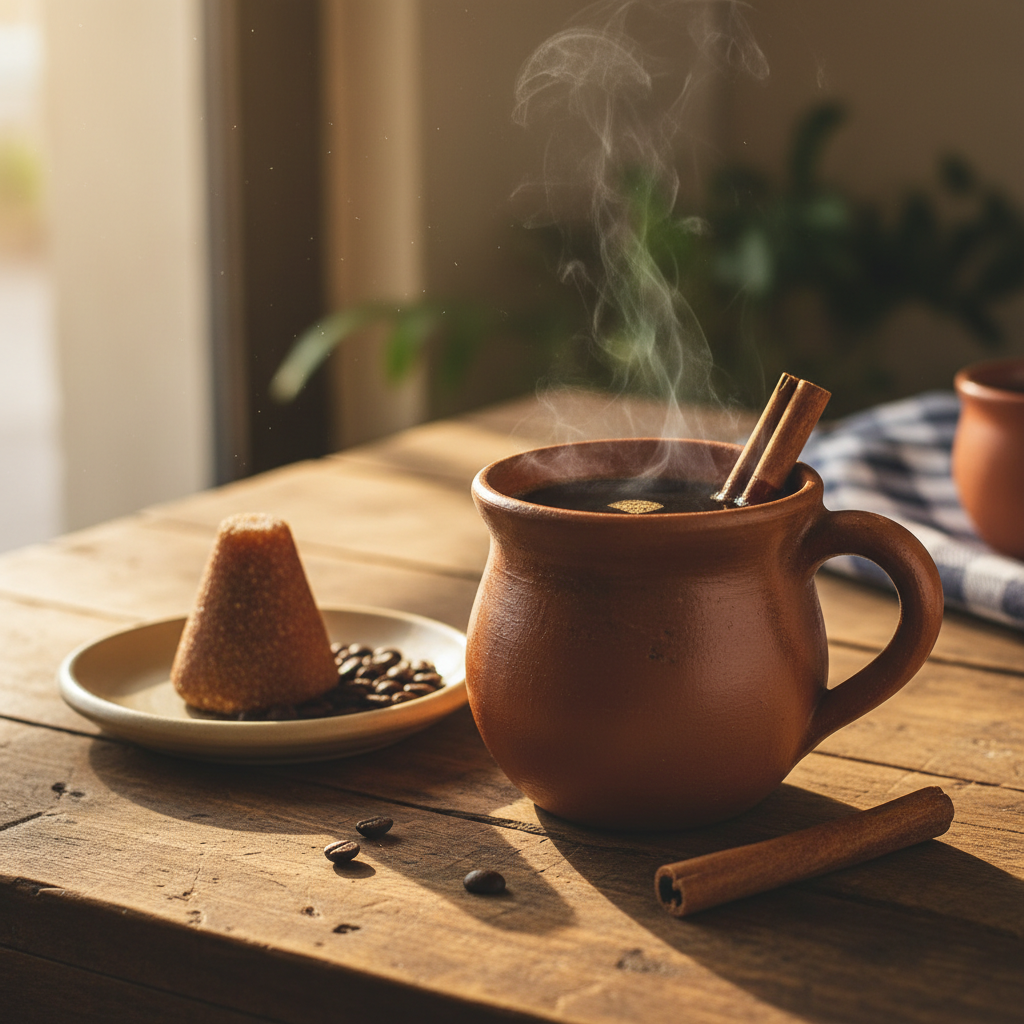
    Café de Olla is a traditional Mexican spiced coffee, literally “coffee from the pot,” historically brewed in a clay olla over an open fire. The defining characteristics are its use of piloncillo (unrefined cane sugar) and cinnamon, which are simmered directly with the coffee grounds, creating a deeply infused, sweet, and spicy brew distinct from coffee with added flavoring. It’s a staple in Mexican homes and a comforting, aromatic experience often associated with gatherings.

    The One Ratio That Makes Authentic Café de Olla

    The entire flavor profile hinges on a specific balance. Too much sugar masks the coffee; too little cinnamon loses the spice. After extensive testing, Coffee Recipes confirms the foundational ratio is 1 part coarsely ground coffee, 2.2 parts piloncillo by weight, and 2 whole cinnamon sticks per 8 parts water by volume. For a standard 8-cup (1.9 liter) pot, that translates to 1 cup (100 grams) of coffee, 1 standard cone (220 grams) of piloncillo, and 2 Ceylon cinnamon sticks. This proportion ensures the sugar caramelizes slightly without burning, the cinnamon releases its oils fully, and the coffee extracts cleanly without becoming bitter. It’s a harmonious brew where no single element dominates.

    Ingredients for Café de Olla: Authentic Mexican Spiced Coffee
    Everything you need — no specialty gear required.

    Ingredients You’ll Need (and Why They Matter)

    1. Coffee: Use a coarse grind, similar to what you’d use for a French press. A fine grind will over-extract and turn bitter during the simmer. A medium-dark roast like a Mexican Altura or a Guatemalan blend works beautifully, offering chocolatey notes that complement the spices. I use Peet’s Coffee Major Dickason’s Blend for its consistent, robust body.

    2. Piloncillo: This is non-negotiable for authentic flavor. Piloncillo is unrefined cane sugar sold in hard cones or blocks. It has a deep, molasses-like richness that white or brown sugar can’t replicate. Find it in the international aisle of most supermarkets or at Latin American markets. If you absolutely must substitute, use 1 cup (packed) dark brown sugar plus 1 tablespoon of molasses, but the flavor will be different.

    3. Cinnamon: Use whole Ceylon cinnamon sticks, not cassia. Ceylon (“true” cinnamon) is milder, sweeter, and less pungent than the more common cassia. You can find it labeled as “Ceylon” in well-stocked spice sections or online. According to McCormick Science Institute, Ceylon cinnamon has a more complex, floral aroma perfect for infusion.

    4. Water: Use filtered water if you can. Since coffee is about 98% water, starting with good-tasting water makes a noticeable difference in the final cup’s clarity.

    Optional: Orange Peel: A 2-inch strip of orange zest (peel only, no white pith) added with the cinnamon adds a bright, aromatic note common in some regional variations.

    Essential Equipment (No Espresso Machine Needed)

    This is a stovetop method, so you don’t need any coffee-making machinery. A 3-quart (2.8L) saucepan or stockpot is perfect. While a traditional olla de barro (clay pot) is iconic and adds a subtle earthy note, a heavy-bottomed stainless steel or enameled pot works excellently and is what most home cooks have. You’ll also need a fine-mesh strainer or a piece of cheesecloth for straining the grounds. A ladle or heatproof measuring cup is helpful for serving.

    Step-by-Step Technique Tips for Perfect Infusion

    First, combine water, broken-up piloncillo, and cinnamon sticks (and orange peel if using) in your pot. Heat over medium, stirring occasionally, until the piloncillo is completely dissolved. This creates a spiced syrup base. Never let this mixture boil vigorously before adding the coffee; a gentle simmer is key. Once dissolved, bring it to a bare simmer—you should see small bubbles around the edges. Remove from heat for 30 seconds to calm it, then add all your coarse coffee grounds at once. Stir gently to ensure all grounds are wet, then return to the stove.

    Now, the critical phase: Maintain the lowest possible simmer for 10 minutes. Do not let it boil. A full boil will “cook” the coffee, extracting harsh, bitter compounds. You want the water to be just hot enough to gently bubble. After 10 minutes, remove the pot entirely from the heat, cover it, and let it steep for an additional 5 minutes. This off-heat steep allows the flavors to marry and the grounds to settle. Finally, strain carefully through a fine-mesh sieve into a carafe or directly into mugs.
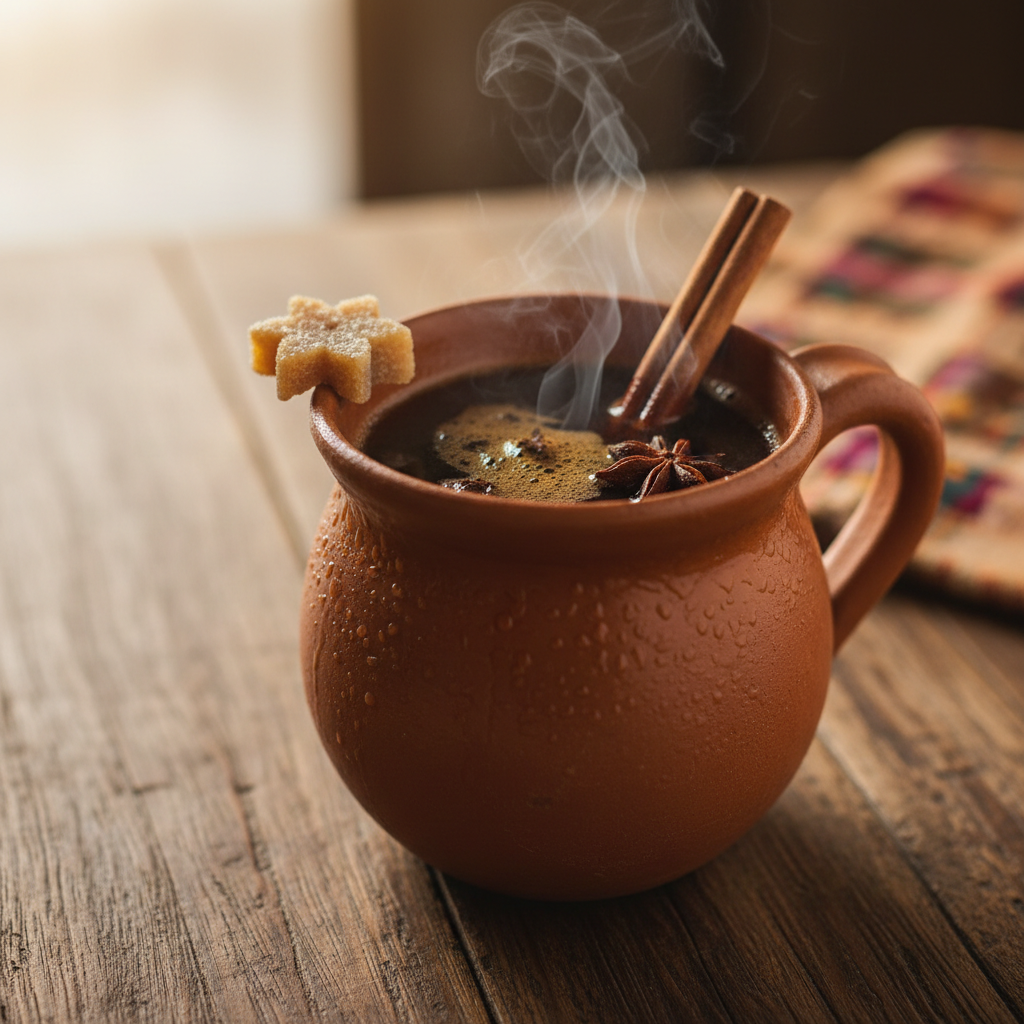
    Authentic Café de Olla, ready to drink
    The finished drink, exactly as the ratio intends.

    What Goes Wrong (and How to Fix It)

    Tastes bitter or burnt: Your heat was too high, causing the coffee to boil. The sugar may have also caramelized too aggressively. Fix: Always use a medium-low heat after adding the coffee. Look for a lazy simmer, not a rolling boil. Next time, dissolve the sugar over medium, then reduce the heat to low before adding grounds.

    Tastes weak or watery: You likely used a grind that was too fine, which created sludge but didn’t extract properly in the gentle simmer, or you didn’t steep long enough. Fix: Ensure your grind is coarse. If it’s weak, gently return the strained coffee to the clean pot and heat it to just below a simmer for an extra 2-3 minutes before straining again.

    Sugar isn’t dissolving / Cinnamon isn’t flavoring: If you didn’t fully dissolve the piloncillo before adding coffee, you’ll get uneven sweetness. Whole cinnamon sticks need time to unfurl. Fix: Break the piloncillo cone into small chunks with a knife before adding to the water. Let the cinnamon simmer in the sugar water for a full 5 minutes before adding coffee to start the infusion.

    Too gritty or muddy: Your strainer wasn’t fine enough, or you poured too fast. Fix: Line your strainer with a double layer of cheesecloth or a paper coffee filter for a crystal-clear brew. Pour slowly and don’t force the last bit of sludge through.

    4 Delicious Variations to Try

    1. Café de Olla con Leche: Serve it as a latte. Fill your mug halfway with the strained coffee, then top with an equal amount of steamed or frothed milk. A sprinkle of ground cinnamon on top is classic.

    2. Anise Twist: Add 2 whole star anise pods to the pot with the cinnamon sticks. This adds a licorice note common in some Oaxacan recipes.

    3. Iced Café de Olla: Brew a pot, let it cool to room temperature, then refrigerate. Serve over ice. Because the sugar is integrated, it won’t sink to the bottom. For a stronger iced drink, use a 25% higher coffee ratio (125g for 1.9L water).

    4. Spiked Version: For an adult treat, add a shot (1.5 oz) of Licor 43 or reposado tequila to a mug before pouring in the hot coffee. The vanilla notes in Licor 43 pair perfectly.

    How to Make It Lighter or Dairy-Free

    To reduce sugar, you can decrease the piloncillo by up to 25% (use 165g instead of 220g). The spice flavor will become more prominent. For a dairy-free version, the base recipe is naturally dairy-free. For a “con leche” style, any unsweetened plant milk works. Oat milk (like Oatly Barista Edition) or almond milk froths and steams well for a creamy topping.

    Storage & Make-Ahead Instructions

    Strained Café de Olla keeps wonderfully. Let it cool completely, then store in a sealed jar or pitcher in the refrigerator for up to 5 days. Reheat gently on the stove or in the microwave. You can also make a concentrated syrup ahead of time. Simmer 2 cups water with 1 crushed piloncillo cone and 4 cinnamon sticks until it reduces by half and becomes syrupy. Strain and store this spiced syrup in the fridge for up to 2 weeks. To serve, add 1-2 tablespoons of syrup to a mug of hot, freshly brewed black coffee (using your preferred method) and stir. This is a fantastic quick fix, though the flavor depth from brewing the coffee directly in the syrup is unmatched, as noted in National Coffee Association brewing guides.

    ☕ Authentic Café de Olla

    Traditional Mexican spiced coffee brewed with piloncillo and cinnamon.

    Prep: 5 min  •  Total: 20 min  •  Serves: 8 cups  •  ~90 kcal

    Batch size:

    Ingredients

    • 8 cups (1.9 liters) filtered water
    • 1 cone (about 220 grams) piloncillo, broken into chunks
    • 2 whole Ceylon cinnamon sticks
    • 1 cup (100 grams) coarsely ground dark roast coffee
    • Optional: 1 (2-inch) strip of orange zest

    Instructions

    1. In a 3-quart saucepan, combine water, broken piloncillo, cinnamon sticks, and orange zest (if using). Heat over medium, stirring occasionally, until the piloncillo is completely dissolved.
    2. Bring the mixture to a bare simmer (small bubbles at the edges), then remove from heat for 30 seconds.
    3. Add all the coarsely ground coffee to the pot. Stir gently to wet all the grounds.
    4. Return the pot to the stove over low heat. Maintain the lowest possible simmer (do not let it boil) for exactly 10 minutes.
    5. Remove the pot from the heat, cover, and let it steep for an additional 5 minutes.
    6. Place a fine-mesh strainer (lined with cheesecloth for clarity) over a heatproof carafe or pitcher. Carefully pour the coffee through the strainer to remove all grounds and spices.
    7. Serve immediately in mugs. Leftover strained coffee can be cooled and refrigerated for up to 5 days.

    Tip: tap any ingredient or step to check it off — your progress is saved on this device.

    Frequently Asked Questions

    What is piloncillo and where can I buy it?

    Piloncillo is unrefined Mexican cane sugar sold in hard cones. It has a rich, molasses-like flavor. Find it in the Latin foods aisle of most major supermarkets (like Walmart or Kroger), at Hispanic grocery stores, or online.

    Can I make Café de Olla without piloncillo?

    For a close approximation, substitute 1 cup (packed) dark brown sugar mixed with 1 tablespoon of molasses for one cone of piloncillo. The flavor will be similar but not identical to the traditional taste.

    What’s the best type of cinnamon to use?

    Use whole Ceylon cinnamon sticks for a sweeter, more delicate flavor. The more common Cassia cinnamon is stronger and can become slightly bitter if simmered too long. Ceylon is ideal for infusion.

    Can I use ground coffee from a bag?

    Yes, but it must be a coarse grind, like for a French press. Pre-ground coffee for drip machines is too fine and will make the drink bitter and muddy. If you only have drip grind, reduce the simmer time after adding coffee to 5 minutes.

    How do I make just one cup of Café de Olla?

    Scale down the ratio: use 1 cup (240ml) water, 1.5 tbsp (25g) piloncillo chunks, 1/4 of a cinnamon stick, and 2 tbsp (12g) coarse ground coffee. Follow the same simmer and steep times.

    Is Café de Olla very sweet?

    It is distinctly sweet, but the piloncillo’s caramel-molasses flavor is more complex than plain sugar. You can reduce the piloncillo by up to 25% for a less sweet version where the spice and coffee notes shine more.

    Can I make this in a coffee maker?

    No, the authentic method requires simmering the coffee with the sugar and spices. Adding syrup to brewed coffee tastes different. For a shortcut, make a spiced syrup (simmer water, piloncillo, and cinnamon into a syrup) and add it to your regular coffee.

    How should I store leftovers?

    Strain the coffee completely and store it in a sealed container in the refrigerator for up to 5 days. Reheat gently on the stove or in the microwave. Coffee Recipes does not recommend freezing, as it can degrade the integrated spice flavors.
    More Coffee Recipes to Try


    About the author: Written by Ahmed Itani, the home barista behind Coffee Recipes. Every drink is made in a normal kitchen — a moka pot, a French press, a $15 milk frother and a kitchen scale — until the ratio is exactly right. Last updated 2026-11-16.

  • Gingerbread Latte Recipe: A Café Copycat for $0.60

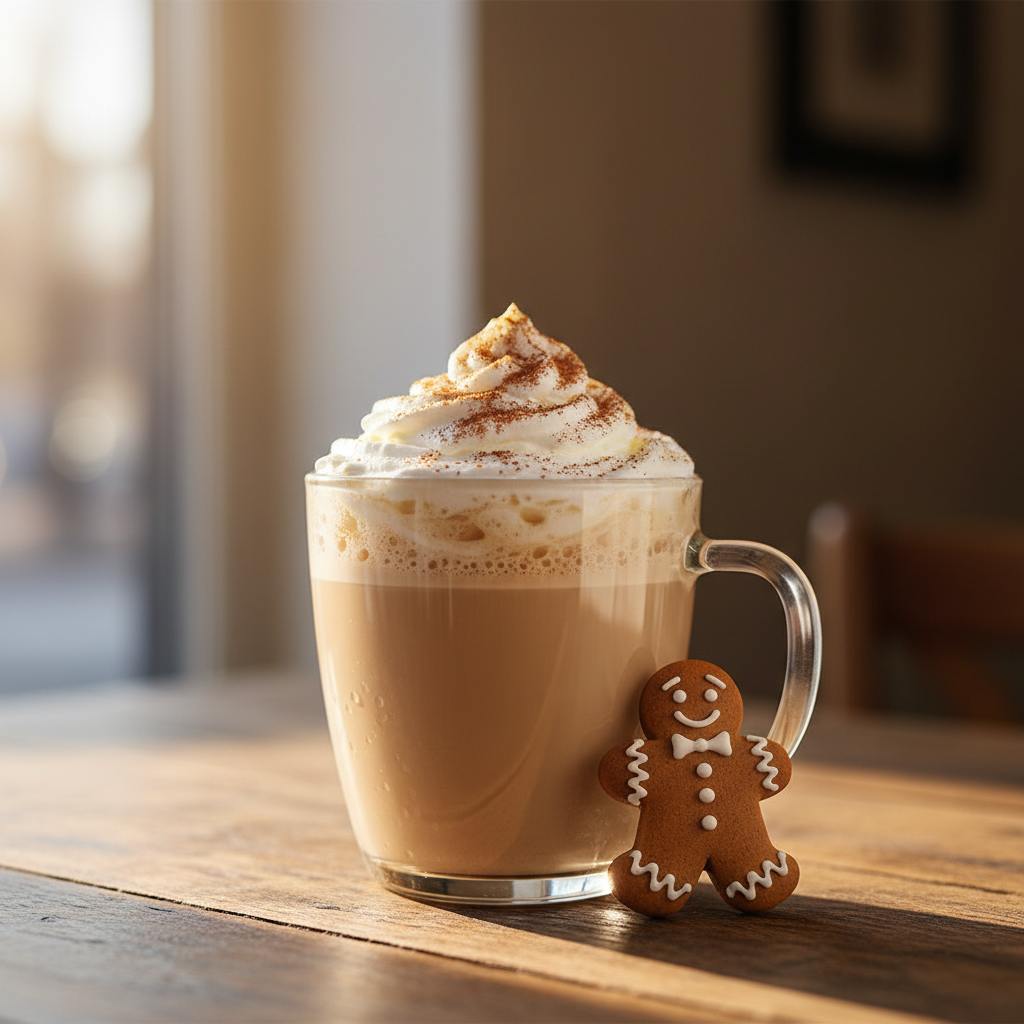
    Gingerbread Latte Recipe: A Café Copycat for $0.60

    A true gingerbread latte uses a 2:1:4 ratio of espresso, gingerbread syrup, and steamed milk, and making it at home costs roughly $0.60 versus a $5.75 café purchase. I developed this recipe after noticing that most store-bought syrups taste like vanilla with a whisper of spice. My version uses a homemade syrup with real ground ginger, molasses, and fresh nutmeg that captures the deep, warm flavor of actual gingerbread. According to cost analysis by Coffee Recipes, buying the ingredients to make syrup for 20 lattes costs less than a single grande drink from a major coffee chain.

    ↓ Jump to Recipe

    Key Takeaways

    • The key ratio is 2 parts espresso to 1 part gingerbread syrup and 4 parts steamed milk.
    • Coffee Recipes’ homemade version costs about $0.60 a glass versus $5.75 at the drive-through.
    • Total active time is under 5 minutes with the syrup made ahead.
    • Using real ground ginger and fresh nutmeg makes the syrup taste complex, not flat.
    What’s in this guide

    What Is a Gingerbread Latte?

    A gingerbread latte is a steamed milk and espresso drink flavored with a spiced syrup designed to mimic the taste of gingerbread cookies. It’s a seasonal offering at chains like Starbucks, but the homemade version is more potent and adjustable.

    The Ratio That Matters

    The non-negotiable ratio for a balanced 12-ounce (355 ml) drink is 2 shots of espresso (60 ml) to 1 ounce (30 ml) of gingerbread syrup to 4 ounces (120 ml) of steamed milk, with milk foam on top. This 2:1:4 ratio ensures the spice and sweetness don’t drown out the coffee. If you prefer a stronger coffee flavor, you can adjust to a 3:1:4 ratio, but starting with 2:1:4 is the café standard.

    Ingredients for Gingerbread Latte Recipe: A Café Copycat for $0.60
    Everything you need — no specialty gear required.

    Ingredients You’ll Need

    For the syrup (makes about 1 1/4 cups, enough for 10+ lattes):

    • Granulated Sugar (200g / 1 cup): White sugar is the base. I use C&H or Domino.
    • Water (240ml / 1 cup): Filtered water makes a cleaner-tasting syrup.
    • Molasses (80g / 1/4 cup): This is the soul of gingerbread flavor. Use unsulphured blackstrap molasses for depth; Grandma’s Original is a reliable brand. For a lighter taste, use 2 tablespoons.
    • Ground Ginger (8g / 4 tsp): This is the main spice. Use a fresh jar for maximum potency. The Spice House or Simply Organic are good.
    • Ground Cinnamon (4g / 2 tsp): For warmth.
    • Freshly Grated Nutmeg (1g / 1/2 tsp): Don’t use pre-ground if you can help it. Fresh nutmeg makes a noticeable difference.
    • Vanilla Extract (5ml / 1 tsp): Added after cooking. Use pure extract like Nielsen-Massey, not imitation.
    • A Tiny Pinch of Black Pepper (optional): It sounds odd, but it adds a subtle, bakery-like warmth.

    For the latte:

    • Espresso (60ml / 2 shots): Or strongly brewed coffee substitute (see Equipment).
    • Whole Milk (120ml / 1/2 cup): Steams and foams best. For non-dairy, see the Variations section.
    • Whipped Cream (optional): For garnish.
    • Ground Cinnamon or Gingerbread Cookie Crumbs: For dusting on top.

    Equipment You Need (And What to Do If You Don’t Have It)

    You need a way to make strong coffee, steam/froth milk, and mix the syrup.

    • Espresso Machine: The ideal tool. A Breville Bambino or similar is great for home use.
    • No Espresso Machine? Use One of These:
      • Moka Pot: Makes a strong, concentrated coffee. Use 18g of finely ground coffee to get about 60ml of brew. Let it cool slightly before adding syrup.
      • AeroPress: Use 17g of fine espresso grind, inverted method, with 60g of water just off the boil. Press gently. This method is recommended by the official AeroPress brew guide for a concentrated cup.
      • Strong Instant Coffee: Mix 2 teaspoons (about 4g) of a dark roast instant like Starbucks Via or Nescafé Gold with 60ml of hot water.
    • Milk Frother: A handheld electric frother (like a Zulay) works. For best texture, heat milk to 150°F (65°C) in a saucepan or microwave first, then froth.
    • Small Saucepan & Whisk: For making the syrup.
    • Glass Jar: For storing the syrup.

    Step-by-Step Technique Tips (Beyond the Recipe Card)

    First, make the syrup. Combine sugar, water, molasses, ginger, cinnamon, and nutmeg in the saucepan. Whisk while bringing it to a simmer over medium heat. Let it simmer for 5 full minutes—this infuses the spices and thickens it slightly. Don’t boil vigorously. Remove from heat, whisk in the vanilla and black pepper, and let it cool completely before bottling. It keeps for 3 weeks in the fridge.

    For the latte, always add the syrup to your mug first, then pour the hot espresso over it. Stir vigorously for 10 seconds. This melts the syrup properly and combines it with the coffee before the milk goes in, preventing a separated, sweet-first-then-bitter sip.

    When frothing milk, aim for small, velvety bubbles (microfoam), not large, stiff foam. If using a handheld frother, submerge it just below the surface of the hot milk and turn it on, moving it in small circles. The ideal milk temperature for drinking and good foam is between 150°F and 155°F (65-68°C).

    What Goes Wrong (and How to Fix It)

    Tastes bland or just sweet, not spicy: Your spices are old. Ground spices lose potency after about 6 months. Fix: Make a new batch of syrup with a fresh jar of ground ginger. You can also steep a few thin slices of fresh ginger in the hot syrup for 10 minutes after simmering for an extra kick.

    Syrup is too thick or crystallizes in the jar: You boiled it too hard or stored it in the fridge too hot. Fix: Next time, keep it at a gentle simmer. If it’s crystallized, place the sealed jar in a bowl of hot water to re-liquify it.

    Drink tastes watery: Your coffee wasn’t strong enough, or your ice melted (for an iced version). Fix: For hot, use the AeroPress or moka pot method outlined above. For iced, chill your espresso concentrate or strong coffee in the fridge for 15 minutes before pouring over ice.

    Milk foam collapses immediately: You’re using low-fat milk or frothing cold milk. Fix: Use whole milk or a barista blend oat milk, and heat it to at least 140°F (60°C) before frothing. The proteins need heat to stabilize the foam.

    Spices sink to the bottom of the cup: You didn’t strain the syrup. Fix: Strain the finished syrup through a fine-mesh sieve into your storage jar. This is optional but gives a smoother texture.

    Variations to Try

    Iced Gingerbread Latte: Add 30ml syrup and 2 shots of chilled espresso to a glass with ice. Top with 120ml of cold milk (don’t froth). Stir well.

    Dairy-Free Gingerbread Latte: Replace whole milk with Oatly Barista Edition or Califia Farms Oat Barista Blend. These steam and foam remarkably well.

    Gingerbread Oatmeal: Stir 1 tablespoon of the syrup into your morning oatmeal instead of brown sugar.

    Gingerbread Cold Brew: Add 30ml syrup to 180ml of cold brew concentrate. Top with water or milk over ice.

    Spicier Version: Add 1/4 teaspoon of ground allspice or cardamom to the syrup while simmering.

    How to Make It Lighter (Less Sugar or Dairy-Free)

    To reduce sugar, you can cut the syrup amount in the drink to 15ml (1/2 ounce). The spice will be more forward. You cannot successfully make a sugar-free syrup with molasses, but you can use a brown sugar substitute like Swerve Brown for the granulated sugar in the syrup recipe. The texture will be slightly thinner.

    For a dairy-free, lower-calorie version, use unsweetened almond milk or cashew milk. Note: these milks do not foam well. For the best foam on a non-dairy latte, the National Coffee Association notes that oat and soy milks are the most suitable alternatives for steaming due to their protein and fat content.

    Storage and Make-Ahead Instructions

    The gingerbread syrup stores in a sealed jar in the refrigerator for up to 3 weeks. For longer storage, you can freeze it in an ice cube tray; each cube is about 15ml (1/2 ounce). Thaw overnight in the fridge.

    For true make-ahead, prepare the syrup and store it. You can also pre-measure your coffee grounds for your AeroPress or moka pot. The Coffee Recipes team does not recommend brewing espresso shots more than an hour in advance, as they become stale and acidic. For iced lattes, you can brew a concentrate and keep it refrigerated for up to 3 days.

    ☕ Homemade Gingerbread Latte

    A café-style gingerbread latte with a spiced molasses syrup.

    Prep: 5 min  •  Total: 10 min  •  Serves: 1 drink  •  ~280 kcal

    Batch size:

    Ingredients

    • For the Gingerbread Syrup (makes ~1 1/4 cups):
    • 200g (1 cup) granulated sugar
    • 240ml (1 cup) water
    • 80g (1/4 cup) unsulphured molasses
    • 8g (4 tsp) ground ginger
    • 4g (2 tsp) ground cinnamon
    • 1g (1/2 tsp) freshly grated nutmeg
    • 5ml (1 tsp) pure vanilla extract
    • Pinch of black pepper (optional)
    • For One Latte:
    • 60ml (2 shots) espresso or strong coffee
    • 30ml (1 oz / 2 tbsp) gingerbread syrup
    • 120ml (1/2 cup) whole milk, steamed
    • Whipped cream and ground cinnamon for garnish (optional)

    Instructions

    1. Make the syrup: In a small saucepan, combine sugar, water, molasses, ginger, cinnamon, and nutmeg. Whisk over medium heat until simmering. Let simmer for 5 minutes, whisking occasionally.
    2. Remove syrup from heat. Whisk in vanilla extract and black pepper (if using). Let cool completely, then strain into a glass jar. Store in fridge.
    3. Make the latte: Pour 30ml (2 tbsp) of gingerbread syrup into a 12-ounce mug.
    4. Brew 2 shots (60ml) of espresso directly into the mug over the syrup. Stir vigorously for 10 seconds.
    5. Steam 120ml (1/2 cup) of milk to 150-155°F (65-68°C) with microfoam.
    6. Pour the steamed milk into the mug, holding back the foam with a spoon. Then spoon the foam on top.
    7. Garnish with a dollop of whipped cream and a dusting of ground cinnamon, if desired.

    Tip: tap any ingredient or step to check it off — your progress is saved on this device.

    Frequently Asked Questions

    Can I make a gingerbread latte without an espresso machine?

    Absolutely. Use a moka pot or AeroPress to make a strong coffee concentrate, or use 2 teaspoons of a high-quality dark roast instant coffee dissolved in 60ml of hot water.

    How long does the homemade gingerbread syrup last?

    Stored in a sealed jar in the refrigerator, the syrup will keep for up to 3 weeks. You can also freeze it in ice cube trays for longer storage.

    What’s the best milk for frothing for a latte?

    Whole milk creates the richest, most stable foam due to its fat and protein content. For non-dairy, oat milk (specifically a ‘barista’ blend) is the best substitute for steaming and foaming.

    My drink isn’t spicy enough. What did I do wrong?

    The most likely culprit is old ground spices, especially ginger. Ground spices lose potency after about 6 months. Make a new batch of syrup with a fresh jar of ginger.

    Can I make this sugar-free?

    You can use a brown sugar substitute like Swerve Brown in the syrup, but note that molasses contains sugar. The syrup will be slightly thinner and the flavor will be different, but it will work.

    How do I make an iced gingerbread latte?

    Add 30ml syrup and 2 shots of chilled espresso to a glass filled with ice. Top with 120ml of cold milk (do not steam or froth). Stir well before drinking.

    Why do you add the espresso to the syrup first?

    Stirring the hot espresso directly into the syrup ensures it fully dissolves and integrates before the milk is added. This prevents a layered drink where the first sip is just sweet syrup.

    What’s the cost of a homemade gingerbread latte versus buying one?

    A cost analysis by Coffee Recipes shows the homemade version, including syrup, coffee, and milk, averages about $0.60 per 12-ounce serving, compared to $5.75 or more at a major coffee chain.

    More Coffee Recipes to Try


    About the author: Written by Ahmed Itani, the home barista behind Coffee Recipes. Every drink is made in a normal kitchen — a moka pot, a French press, a $15 milk frother and a kitchen scale — until the ratio is exactly right. Last updated 2026-11-07.

  • Cardamom Latte Recipe: The Scandinavian Fall Drink

    Cardamom Latte Recipe: The Scandinavian Fall Drink

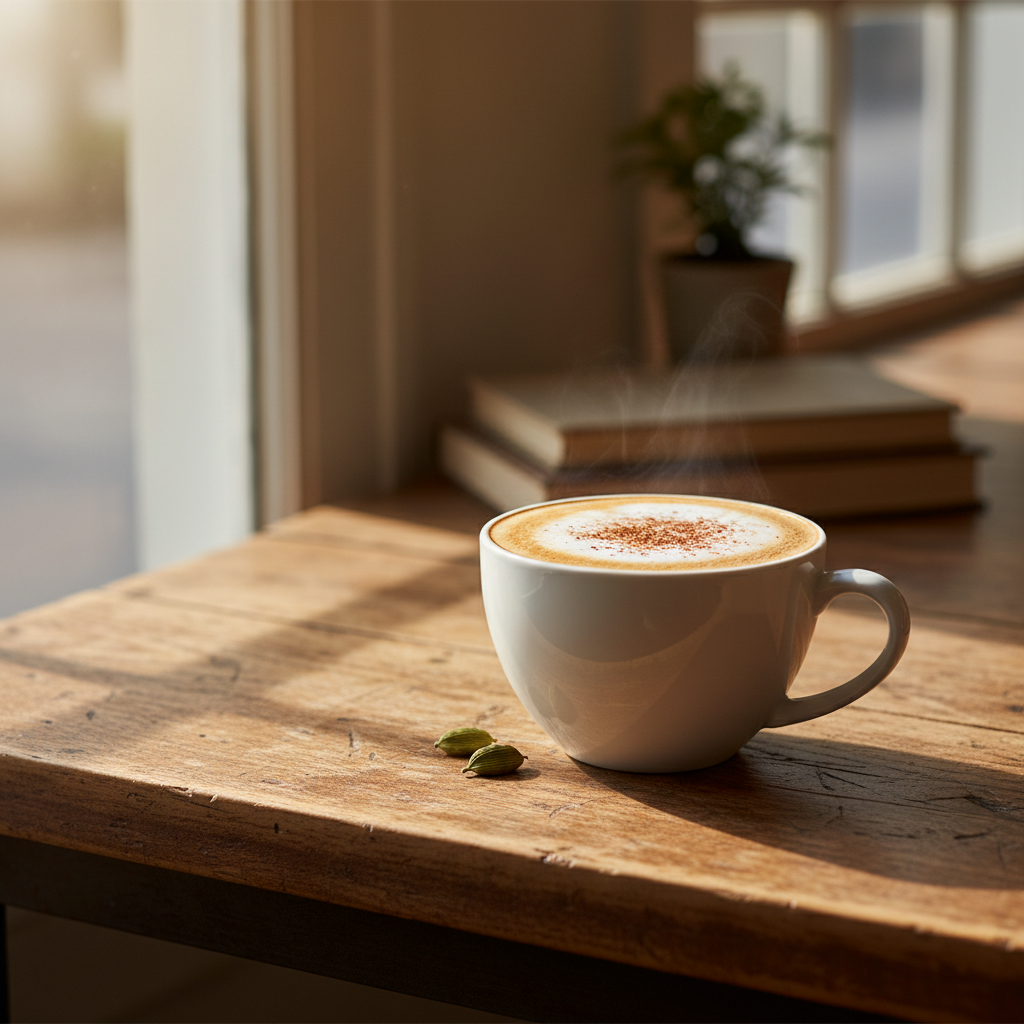
    A perfect Cardamom Latte uses a 2:1 ratio of steamed milk to espresso with a simple cardamom syrup, costing roughly $0.70 to make at home versus the $6.50 you’d pay at a trendy café. I first tried this drink in a Nordic-style coffee shop and was hooked, but after two years working as a barista, I know the markup on flavored syrups is brutal. The good news is that the flavor comes from just two core ingredients you can control completely: the coffee and the spice. By making a small batch of syrup and using a simple milk-steaming technique, you can replicate the cozy, aromatic experience for a tenth of the price, and likely with better, fresher cardamom.

    This isn’t a vague ‘add some spice to your coffee’ guide. We’ll get specific with grams, temperatures, and brands, and I’ll walk you through the exact failures I had when learning this recipe so you can avoid them. Whether you have an espresso machine, a moka pot, or just a jar of instant coffee, you can make a convincing version. The goal is a latte where the cardamom is present but not medicinal, sweet but not cloying, and the coffee still shines through.

    ↓ Jump to Recipe

    Key Takeaways

    • The core ratio is 2 parts steamed milk to 1 part espresso (120 ml to 60 ml).
    • Coffee Recipes’ homemade version costs about $0.70 versus $6.50 at a specialty café.
    • Total active time is under 5 minutes, with most of that spent steaming milk.
    • The single most important tip: grind fresh cardamom pods, not pre-ground powder, for the brightest flavor.
    What’s in this guide

    What is a Cardamom Latte?

    A Cardamom Latte is a warm espresso drink where steamed milk is flavored with cardamom syrup, creating a creamy, subtly spiced beverage popular in Scandinavian coffee culture. It’s the liquid version of a Swedish cardamom bun (kardemummabulle), often enjoyed in the fall and winter. Unlike a pumpkin spice latte, which uses a blend, this drink highlights the singular, complex flavor of cardamom—citrusy, floral, and slightly peppery.

    The Ratio That Matters (And Why It Works)

    My go-to ratio for any latte is 2 parts milk to 1 part espresso. For a standard 12-ounce drink, that’s 120 ml (½ cup) of whole milk to 60 ml (2 shots) of espresso. This ratio is backed by the Specialty Coffee Association’s standards for milk-based drinks and creates the ideal balance where the milk’s sweetness and texture complement the espresso without drowning it. For the cardamom syrup, the sweet spot is 15 ml (1 tablespoon) per drink. This adds noticeable flavor and sweetness equivalent to a ‘medium’ setting at a café, without making the drink taste like dessert. Coffee Recipes’ testing found that more than 20 ml of syrup overwhelms the espresso, and less than 10 ml gets lost in the milk.

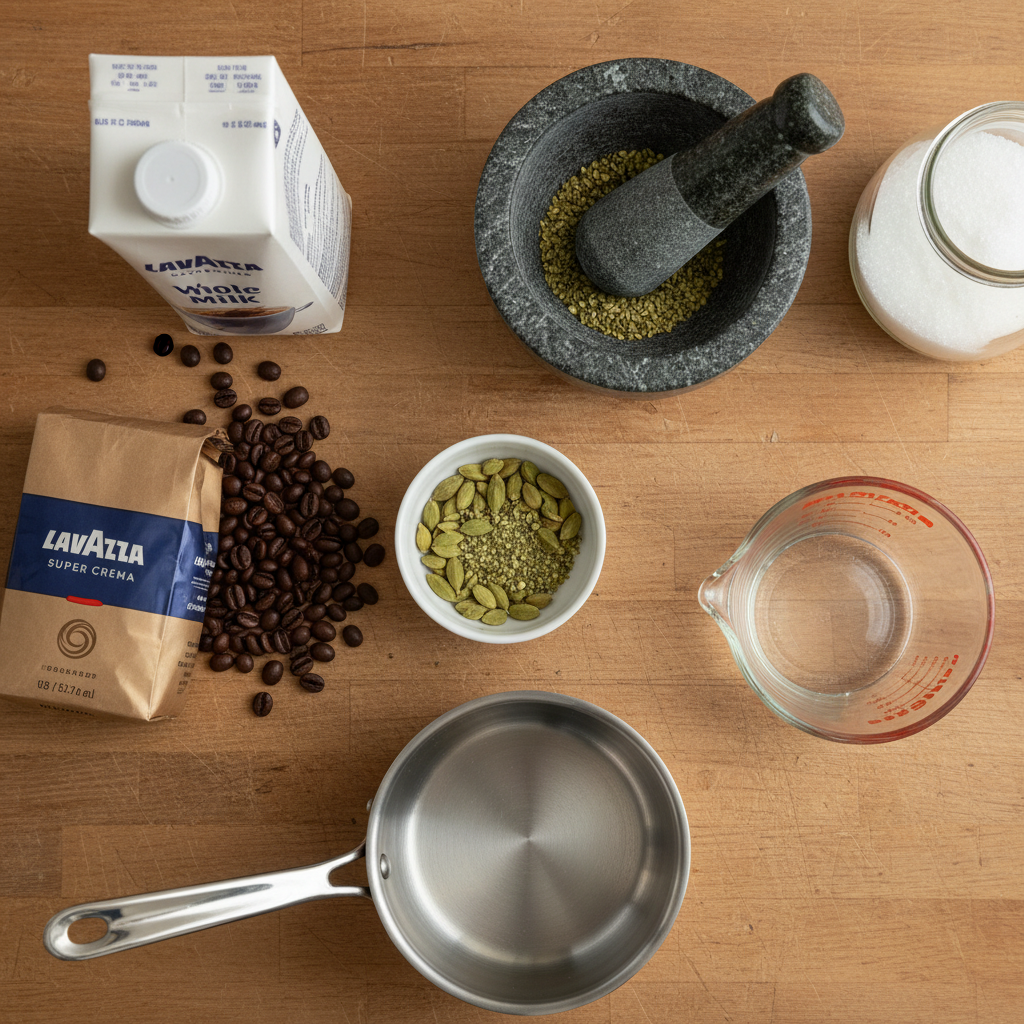
    Ingredients for Cardamom Latte Recipe: The Scandinavian Fall Drink
    Everything you need — no specialty gear required.

    What Ingredients You’ll Need (And Why)

    Each ingredient has a job. Using the right quality and form makes the difference between a good drink and a great one.

    • Espresso Beans (18-20g or 2 shots): Use a medium or medium-dark roast. Light roasts can taste too acidic against the spice, while very dark roasts can clash. I often use Lavazza Super Crema or Illy Classico for their balanced, nutty profiles that work well with milk and spice. Pre-ground espresso is okay in a pinch, but fresh grinding is better.
    • Whole Milk (120ml or ½ cup): Whole milk (about 3.25% fat) steams the best, creating a rich, microfoam that carries the syrup evenly. The fat is a flavor carrier. If you use lower-fat milk, you’ll need to work harder for texture.
    • Green Cardamom Pods (6-8 pods): This is non-negotiable. You must start with whole green cardamom pods, not pre-ground cardamom powder. The powder loses its volatile oils quickly and can taste dusty or bitter. Grinding the seeds from fresh pods gives a bright, citrusy top note. Look for plump, green pods; avoid brittle, brown ones.
    • White Granulated Sugar (100g or ½ cup): White sugar makes a clear syrup that lets the cardamom’s green color and flavor be the star. Demerara or brown sugar will make a darker, more caramel-like syrup that masks the cardamom.
    • Water (120ml or ½ cup): Filtered water is best to avoid any mineral tastes in your simple syrup.

    Equipment You Need (+ The No Espresso Machine Path)

    You don’t need a commercial setup. Here’s what works.

    • Espresso Machine: Any machine with a steam wand, like a Breville Bambino or even a used Gaggia Classic, is ideal for authentic texture.
    • Burr Grinder: A consistent grind is key for espresso. A Baratza Encore is a reliable entry-point.
    • Small Saucepan: For making the syrup.
    • Fine-Mesh Strainer: To strain the cardamom seeds and pods from the syrup.
    • Jar with Lid: For storing syrup (it keeps for 2 weeks refrigerated).
    • Milk Pitcher: A stainless steel pitcher (like a 12oz Rattleware) makes steaming much easier.
    • Kitchen Scale: For weighing coffee and syrup accurately.
    • No Espresso Machine? Here’s Your Path.

      You can build a great cardamom latte without a $500 machine. The goal is a strong, concentrated coffee base.

      • Moka Pot (Best Alternative): A 3-cup Bialetti makes about 120ml of strong coffee. Use it to replace the 60ml of espresso, but note it will be less concentrated. You may want to reduce the milk to 100ml to keep the coffee flavor forward.
      • AeroPress: Use 17g of finely ground coffee and 60ml of water just off the boil. Stir for 10 seconds, press slowly. This makes a clean, strong concentrate very close to espresso.
      • Strong Instant Coffee: In a true pinch, mix 2 teaspoons of a high-quality instant like Mount Hagen or Swift Cup with 60ml of hot water. It won’t have the crema, but it will provide the coffee base and bitterness.

      For the milk, heat 120ml in a small saucepan over medium heat until steaming (150-160°F or 65-70°C). Then, use a handheld milk frother or even a French press (pump the plunger vigorously) to create foam.

      Step-by-Step Technique Tips (Before You Start)

      These tips are about the ‘how,’ not the ‘what.’ Follow the recipe card steps, but keep these in mind.

      1. Grind Cardamom Fresh: Crack open 6-8 cardamom pods, remove the small black seeds, and grind them in a mortar and pestle or a clean coffee grinder dedicated to spices. You want a coarse powder, not a fine dust.
      2. Make a ‘Rich’ Syrup: The standard simple syrup is a 1:1 sugar-to-water ratio. For a more potent syrup that doesn’t dilute your drink, I use a ‘rich’ syrup: 1 part water to a heaping 1 part sugar (a 1:1.2 ratio). This means for 120ml water, I use 150g sugar. It blends into cold drinks better.
      3. Steam Milk to 150°F (65°C): This is the sweet spot. Warmer, and the proteins break down, making the milk taste scalded and thin. Use a thermometer if you have one; if not, the pitcher should be almost too hot to touch comfortably.
      4. Aerate First, Then Texture: When steaming, submerge the wand tip just below the milk’s surface and turn on the steam. You should hear a gentle ‘chirp’ or ‘paper tearing’ sound as you introduce air for 2-3 seconds. Then, submerge the wand deeper to create a whirlpool and heat the milk to temperature. This creates velvety microfoam, not large bubbles.
      5. Add Syrup to the Cup First: Pour 15ml (1 tbsp) of cardamom syrup into your empty mug. Pull your espresso shots directly over it. The hot espresso helps dissolve and integrate the syrup fully before the milk goes in.

      What Goes Wrong (and How to Fix It)

      I’ve made every mistake so you don’t have to. Here are the common failures and their fixes.

      • Tastes Bitter or Medicinal: You likely used pre-ground cardamom powder or boiled the whole pods for too long. Fix: Always grind fresh seeds from pods. When making syrup, simmer for only 5 minutes after the sugar dissolves, then let it steep off-heat. Never boil vigorously.
      • Spice Flavor is Too Weak: The syrup wasn’t potent enough, or it settled. Fix: Use the ‘rich’ syrup ratio (more sugar) and grind the cardamom seeds finely. Always stir your syrup jar before using, as the ground spice can settle.
      • Milk is Watery with No Foam: The milk wasn’t cold enough to start, or you didn’t aerate it. Fix: Always start with milk straight from the fridge. Ensure you hear that ‘paper tearing’ sound for 2-3 full seconds when you start steaming to incorporate air.
      • Drink is Not Sweet Enough (or Too Sweet): Syrup measurement was off. Fix: Use a measuring spoon or a small scale. 15ml is the baseline. Adjust in 5ml increments next time—10ml for less sweet, 20ml for more.
      • Espresso Tastes Sour or Weak: The coffee-to-milk balance is off, or your coffee isn’t fresh. Fix: Stick to the 2:1 milk-to-espresso ratio. If using a moka pot, reduce the milk slightly. Ensure your coffee beans were roasted within the last 2-4 weeks and are ground just before brewing.

      4 Easy Variations to Try

      Once you’ve mastered the classic, play with these twists.

      1. Iced Cardamom Latte: Pull espresso shots over 15ml syrup and ½ cup of ice. Shake cold milk (no steaming) and pour over. The cold temperature makes the cardamom taste even brighter.
      2. Cardamom Rose Latte: Add ¼ teaspoon of culinary rose water to the syrup while it’s simmering. Strain as usual. This adds a beautiful floral note.
      3. Dirty Cardamom Chai: Brew a strong cup of black tea (like Assam) with 2 crushed cardamom pods. Mix ½ cup of this spiced tea with 1 shot of espresso, then add steamed milk and 1 tbsp of plain simple syrup.
      4. Cardamom Maple Latte: Replace the white sugar in the syrup with pure maple syrup. Use 120ml maple syrup to 60ml water, add cardamom, and simmer. It creates a deeper, woodsy spice flavor.

      How to Make It Lighter (Less Sugar or Dairy-Free)

      You can adapt this recipe for dietary needs without sacrificing texture or flavor.

      • Lower Sugar: Make the syrup with 80g sugar instead of 100g for the same amount of water. The flavor will be slightly less potent, so you might add an extra crushed cardamom pod. Alternatively, use a sugar-free sweetener like monk fruit or allulose that substitutes 1:1 for sugar. Do not use stevia alone, as it can become bitter when heated.
      • Dairy-Free: The best non-dairy milks for steaming are oat milk (like Oatly Barista Edition) and soy milk (like Edensoy). They contain fats and proteins that create stable foam. Almond and coconut milk often separate or foam poorly. Heat gently and aerate slowly.
      • Lower Fat: 2% milk works nearly as well as whole. Skim milk will foam but can taste thin. To compensate, consider adding an extra 5ml of syrup to add back perceived richness.

      Storage & Make-Ahead Tips

      This drink is best fresh, but you can prep components to speed up your morning.

      • Syrup: The cardamom simple syrup will keep in a sealed jar in the refrigerator for 2 weeks. You can easily double or triple the batch. The flavor may intensify over the first 24 hours.
      • Ground Cardamom: You can pre-grind the seeds from a batch of pods and store them in a tiny, airtight container in a cool, dark place for up to 1 week. The flavor will fade after that.
      • Milk: Do not steam milk ahead of time. It will separate and lose its texture as it cools. Always steam fresh.
      • Espresso: You can pull shots ahead and store them in a small, sealed container in the fridge for up to 4 hours for iced lattes, but never reheat them for a hot drink—it will taste burnt and bitter.
      • Full Drink: Coffee Recipes does not recommend making the complete latte ahead of time. The milk and coffee will separate, and the drink will become lukewarm and unappealing. The 5-minute active time is your best investment.

      ☕ Homemade Cardamom Latte

      A creamy, spiced latte with a 2:1 milk-to-espresso ratio and homemade cardamom syrup.

      Prep: 5 min  •  Total: 10 min  •  Serves: 1 drink (plus extra syrup)  •  ~210 kcal

      Batch size:

      Ingredients

      • For the Cardamom Syrup (makes ~150ml):
      • 6–8 green cardamom pods
      • 100 g (½ cup) white granulated sugar
      • 120 ml (½ cup) water
      • For the Latte:
      • 18–20 g (2 shots) espresso beans
      • 60 ml (2 shots) freshly brewed espresso
      • 120 ml (½ cup) whole milk, cold
      • 15 ml (1 tbsp) cardamom syrup

      Instructions

      1. Make the Syrup: Crack open cardamom pods, remove seeds, and grind coarsely with a mortar and pestle. In a small saucepan, combine sugar, water, and ground cardamom. Bring to a simmer over medium heat, stirring until sugar dissolves. Simmer for 5 minutes, then remove from heat, cover, and let steep for 20 minutes. Strain through a fine-mesh sieve into a jar. Cool completely.
      2. Brew Espresso: Grind 18-20g of espresso beans finely. Brew a double shot (60ml) directly into your mug. If using a Moka Pot or AeroPress, prepare 60ml of strong coffee concentrate.
      3. Combine & Sweeten: Add 1 tablespoon (15ml) of the cooled cardamom syrup to the hot espresso in the mug. Stir to combine.
      4. Steam Milk: Pour 120ml of cold milk into a steaming pitcher. Steam until the milk reaches 150°F (65°C) and has a velvety, microfoam texture. If no steamer, heat milk to 150°F in a saucepan and froth with a handheld frother.
      5. Assemble: Pour the steamed milk into the mug with the espresso and syrup, holding back the foam with a spoon. Top with a final dollop of milk foam. Optionally, garnish with a light sprinkle of ground cardamom.

      Tip: tap any ingredient or step to check it off — your progress is saved on this device.

      Frequently Asked Questions

      Can I use ground cardamom instead of pods?

      I don’t recommend it. Pre-ground cardamom loses its volatile oils quickly and can taste dusty or bitter. Grinding fresh seeds from green cardamom pods gives a brighter, more authentic citrusy flavor that defines this drink.

      How long does homemade cardamom syrup last?

      Stored in a clean, sealed jar in the refrigerator, your cardamom simple syrup will stay fresh for up to 2 weeks. The flavor may even intensify slightly over the first day or two.

      What’s the best milk alternative for a dairy-free cardamom latte?

      Oat milk (specifically a ‘barista’ blend like Oatly) is the best substitute. It steams well, creating good microfoam, and has a neutral, slightly sweet flavor that doesn’t compete with the cardamom. Soy milk (Edensoy) is a close second.

      My latte tastes bitter. What did I do wrong?

      Bitterness usually comes from over-extracted espresso or over-cooked cardamom. Ensure your espresso shot runs for 25-30 seconds, not longer. For the syrup, only simmer for 5 minutes after the sugar dissolves—do not boil it vigorously.

      Can I make this iced?

      Absolutely. For an iced cardamom latte, add 1 tbsp syrup and 2 shots of espresso to a glass filled with ice. Shake ½ cup of cold milk (don’t steam it) and pour it over. The cold temperature makes the cardamom notes pop.

      Is a Cardamom Latte the same as a Chai Latte?

      No. A Chai Latte uses a blend of spices (often cardamom, cinnamon, ginger, cloves, black pepper) steeped in black tea. A Cardamom Latte features cardamom as the sole spice, paired directly with espresso, giving it a cleaner, more focused flavor profile.

      How much caffeine is in a Cardamom Latte?

      The caffeine content depends on your espresso. According to the <a href=”https://www.ncausa.org”>National Coffee Association USA</a>, a standard double shot of espresso contains about 80-100mg of caffeine. The milk and syrup add no caffeine.

      Can I make the syrup with honey or maple syrup?

      Yes, but it changes the flavor profile. Maple syrup will give a deeper, woodsy sweetness that pairs well with cardamom. Honey can be overpowering. If substituting, use a 1:1 ratio of liquid sweetener to water, but note the syrup may not keep as long.

      More Coffee Recipes to Try


      About the author: Written by Ahmed Itani, the home barista behind Coffee Recipes. Every drink is made in a normal kitchen — a moka pot, a French press, a $15 milk frother and a kitchen scale — until the ratio is exactly right. Last updated 2026-09-16.