Tag: latte recipe

  • Eggnog Latte Recipe (Hot & Iced Café Copycat)

    Eggnog Latte Recipe (Hot & Iced Café Copycat)

    The perfect homemade eggnog latte uses a 1:2:2 ratio of espresso to steamed eggnog to milk, and costs about $0.85 per cup versus $5.50 at the café. I’m Ahmed, and after two years pulling shots behind a busy counter, I can tell you the secret isn’t a $500 machine—it’s nailing that rich, spiced balance without the eggnog splitting. This recipe breaks down the exact grams and temperatures I use in my own kitchen every December, for both a cozy hot latte and a surprisingly good iced version you can make year-round if you find shelf-stable nog.

    ↓ Jump to Recipe

    Key Takeaways

    • The core ratio is 1 part espresso to 2 parts steamed eggnog to 2 parts milk.
    • Coffee Recipes’ homemade version costs about $0.85 per cup versus $5.50 at a major coffee chain.
    • Total active time is under 5 minutes with pre-made eggnog.
    • The most important tip is to gently heat the eggnog to 150°F (65°C) to prevent curdling and preserve flavor.
    What’s in this guide

    What is an Eggnog Latte?

    An eggnog latte is a seasonal coffee drink made by combining espresso with steamed, spiced eggnog and milk, often topped with nutmeg. It’s a modern café creation that blends the traditional holiday custard drink with the format of a café latte.

    The One Ratio That Matters

    The success of this drink hinges on balancing the intense sweetness and fat of the eggnog with the bitterness of espresso and the neutrality of milk. My go-to ratio is 1 part espresso to 2 parts steamed eggnog to 2 parts milk. This creates a drink that’s recognizably eggnog-forward but not cloying, with the coffee still playing a leading role. For a single 12-ounce (355 ml) drink, that translates to 2 shots (60 ml) of espresso, 4 ounces (120 ml) of eggnog, and 4 ounces (120 ml) of milk. Deviating much from this—like using all eggnog—often results in a drink that’s too rich to finish.
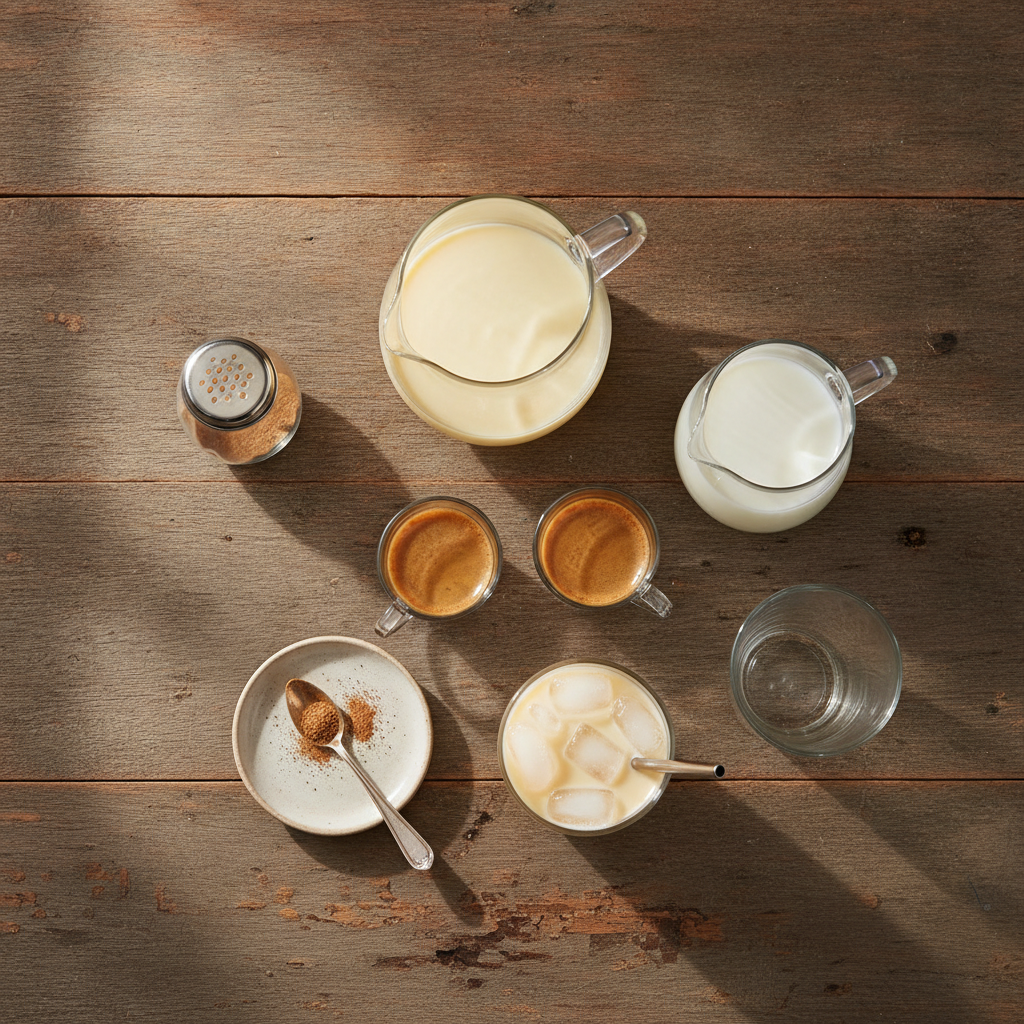
    Ingredients for Eggnog Latte Recipe (Hot & Iced Café Copycat)
    Everything you need — no specialty gear required.

    Ingredients You’ll Need (and Why)

    Espresso or Strong Coffee (2 shots / 60 ml): This provides the coffee backbone. A dark or medium-dark roast with chocolate or nutty notes pairs beautifully with the eggnog’s spices. Eggnog (4 oz / 120 ml): This is the star. Use a full-fat, creamy store-bought nog for consistency; my reliable picks are Southern Comfort or Organic Valley. The fat content (typically 6-7g per serving) is crucial for that luxurious mouthfeel. Whole Milk (4 oz / 120 ml): Milk tempers the eggnog’s richness and helps create a stable microfoam when steamed. 2% milk works, but whole milk (3.25% fat) blends more seamlessly. Ground Nutmeg (for garnish): A light dusting on top is non-negotiable—it ties the aroma of the drink to its flavor.

    Substitutions & Notes

    Dairy-Free: Use a vegan eggnog alternative like So Delicious or Califia Farms, paired with oat or almond milk. Be aware vegan nogs can be thinner. Lower Sugar: Choose a ‘light’ eggnog (they still have sugar) and unsweetened almond milk. The final drink will be less creamy. Alcohol: Many classic eggnog recipes include bourbon or rum. You can add ½ oz (15 ml) of your preferred spirit to the finished drink.

    Equipment (+ The No Espresso Machine Path)

    You need a way to make strong coffee and heat/froth the liquids. For the coffee: an espresso machine is ideal, but not required. For heating/frothing: a small saucepan and a whisk work, but a milk frother (like the Nespresso Aeroccino) or the steam wand on an espresso machine is faster.

    No Espresso Machine? Use one of these:

    • Moka Pot (6-cup size): Brew a full pot. Use 60 ml (about ⅓ of the pot’s yield) for your 2 “shots.” The rest is bonus coffee.
    • AeroPress: Use a fine grind and a slightly longer brew time. I use 18g of coffee to 90g of water, inverted method, steep for 2 minutes, then press. This makes a concentrated coffee perfect for this.
    • Strong Instant Coffee: Dissolve 2 teaspoons of a high-quality instant coffee (like Mount Hagen or Starbucks Via Instant) in 2 tablespoons (30 ml) of hot water.

    According to the National Coffee Association’s brewing guide, any method that produces a coffee-to-water ratio between 1:15 and 1:18 is considered standard. For a latte, you want a stronger ratio, closer to 1:5 to 1:8, which these alternative methods provide.

    Step-by-Step Technique Tips

    First, brew your espresso or strong coffee and set it aside. For the hot latte: gently heat the eggnog and milk together in a small saucepan over medium-low heat, stirring constantly, until it reaches 150°F (65°C)—use a thermometer. This is the sweet spot: hot enough for a cozy drink but well below the boiling point where eggnog can curdle. If you have a steam wand, steam the eggnog-milk mixture to the same temperature. Froth the mixture using your chosen method until it’s creamy with small bubbles. Pour the espresso into your mug, then slowly pour the frothed eggnog milk over it, using a spoon to hold back the foam initially to integrate the liquids, then topping it with the remaining foam. Dust with nutmeg. For the iced version: brew your espresso and let it cool for 2-3 minutes. Fill a tall glass with ice. In a separate container, vigorously shake or whisk the cold eggnog and milk until frothy. Pour the cooled espresso over the ice, then top with the cold, frothy eggnog mixture. Garnish with nutmeg.
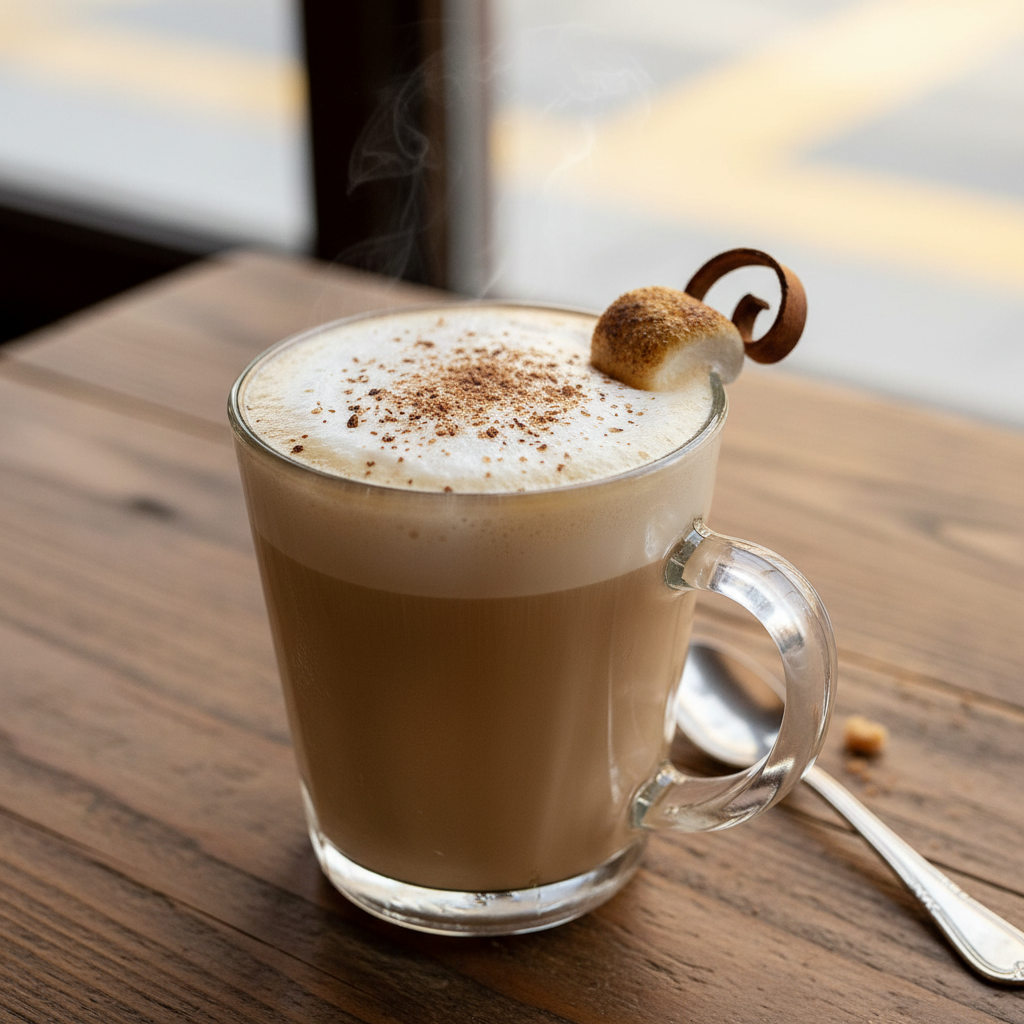
    Classic Hot Eggnog Latte, ready to drink
    The finished drink, exactly as the ratio intends.

    What Goes Wrong (and How to Fix It)

    Problem: The eggnog curdles or separates when heated. Fix: You heated it too quickly or too hot. Eggnog contains eggs and dairy that can scramble. Always heat gently to 150°F (65°C) maximum and stir constantly. If it curdles slightly, you can try blending it smooth with an immersion blender.

    Problem: The drink tastes watery or weak. Fix: Your coffee wasn’t strong enough, or your ice melted too fast (for iced). Ensure you’re using a concentrated brew method (espresso, Moka pot, AeroPress). For iced, let your espresso cool for a few minutes before pouring over ice to minimize melt, or use coffee ice cubes.

    Problem: It’s too sweet or rich to finish. Fix: Your ratio is off. You likely used too much eggnog relative to milk and coffee. Stick to the 1:2:2 ratio. Next time, try a “light” eggnog or increase the milk portion to 3 parts (6 oz) and reduce eggnog to 3 parts (6 oz).

    Problem: No foam forms on top. Fix: The fat in eggnog can inhibit foam. Ensure you’re using a mixture of eggnog and milk, not straight eggnog. Shake it very hard in a sealed jar for 30 seconds for a cold froth, or use the steam wand tip just below the surface to introduce more air.

    Problem: The spices are bland. Fix: Your store-bought eggnog might be mild. Add a tiny pinch of extra nutmeg or cinnamon directly to the milk mixture before heating. You can also add a drop of pure vanilla extract.

    Variations to Try

    Chai-Spiced Eggnog Latte: Add ¼ tsp of chai spice blend to the milk mixture before heating. Bourbon Eggnog Latte: Stir ½ oz (15 ml) of bourbon into the finished hot latte. Dirty Chai Eggnog Latte: Brew 1 shot of espresso and steep 1 chai tea bag in 4 oz of the hot milk/eggnog mixture for 3 minutes before removing the bag and proceeding. Iced Salted Caramel Eggnog Latte: Add 1 tbsp (15 ml) of salted caramel syrup to the glass before adding espresso and ice. Pumpkin Spice Eggnog Latte: Use a pumpkin spice eggnog if available, or add 1 tbsp of pumpkin spice syrup.

    How to Make It Lighter (Lower Sugar or Dairy-Free)

    For a lower-sugar version, start with a “light” eggnog (which has about 30-40% less sugar and fat) and pair it with unsweetened almond milk. The texture will be thinner, so to add body, consider blending in 1 tablespoon of canned coconut milk. For a fully dairy-free vegan eggnog latte, use a store-bought vegan nog. According to Wikipedia’s entry on eggnog, traditional recipes are based on milk, cream, sugar, and whipped eggs, but modern vegan versions use plant milks and thickeners like cornstarch. The key is to choose a vegan nog that’s specifically formulated to be creamy and barista-style for best results when frothed.

    Storage & Make-Ahead Tips

    You cannot store a prepared, assembled latte. However, you can streamline the process. Brew a batch of strong coffee (via Moka pot or AeroPress) and store it in a sealed jar in the fridge for up to 5 days. Portion out 60 ml for each drink. You can also pre-mix your eggnog and milk in the 1:1 ratio and store that mixture in the fridge for 2-3 days. When ready to drink, heat (or shake for iced) the desired amount of the pre-mixed dairy and combine with your coffee. Coffee Recipes recommends making a large batch of coffee concentrate and storing it chilled to cut morning prep time to under two minutes. Pre-mixing the dairy also ensures a consistent flavor profile across multiple drinks, which is a technique used in many professional settings to maintain speed and quality.

    ☕ Classic Hot Eggnog Latte

    A café-style eggnog latte with the perfect balance of spice, sweetness, and coffee.

    Prep: 3 min  •  Total: 5 min  •  Serves: 1 drink (12 oz / 355 ml)  •  ~280 kcal

    Batch size:

    Ingredients

    • 2 shots (60 ml) espresso or 60 ml very strong coffee
    • 4 oz (120 ml) full-fat eggnog
    • 4 oz (120 ml) whole milk
    • Ground nutmeg, for garnish

    Instructions

    1. Brew 2 shots of espresso (or 60ml strong coffee) and pour into a 12-ounce mug.
    2. In a small saucepan, combine the eggnog and milk. Heat over medium-low heat, stirring constantly, until the mixture reaches 150°F (65°C) on a thermometer. Do not boil.
    3. While heating, froth the mixture using a milk frother, whisk, or by transferring to a jar and shaking vigorously until foamy.
    4. Slowly pour the hot, frothed eggnog-milk mixture over the espresso in the mug. Use a spoon to hold back the foam initially, then top with the remaining foam.
    5. Immediately garnish with a light dusting of ground nutmeg. Serve hot.

    Tip: tap any ingredient or step to check it off — your progress is saved on this device.

    Frequently Asked Questions

    Can I make an eggnog latte without an espresso machine?

    Yes. Use a Moka pot, AeroPress, or even 2 teaspoons of high-quality instant coffee dissolved in 2 tablespoons of hot water to create a strong coffee concentrate that substitutes for espresso.

    Can I make an iced eggnog latte?

    Absolutely. Let your espresso cool for 2-3 minutes. Fill a tall glass with ice. In a separate container, shake or whisk 4 oz cold eggnog with 4 oz cold milk until frothy. Pour cooled espresso over ice, then top with the cold eggnog mixture. Garnish with nutmeg.

    Why did my eggnog latte curdle?

    You likely heated the eggnog too quickly or too hot. Eggnog can curdle if heated above 160°F (71°C). Heat gently to 150°F (65°C) maximum and stir constantly.

    What’s the best eggnog to use for a latte?

    Use a full-fat, creamy store-bought brand like Southern Comfort or Organic Valley for the richest texture and flavor. The fat content is key for a luxurious feel and stable foam.

    Can I make a vegan or dairy-free eggnog latte?

    Yes. Use a store-bought vegan eggnog (like So Delicious or Califia Farms) and pair it with a barista-style oat or almond milk. Be aware the foam may be less dense.

    How do I store leftover eggnog for lattes?

    Store an unopened carton according to its date. Once opened, keep it tightly sealed in the coldest part of your refrigerator and use within 5-7 days, or by the date on the package.

    Can I add alcohol to an eggnog latte?

    Yes, it’s a classic addition. Add ½ ounce (15 ml) of bourbon, rum, or brandy to your mug before adding the espresso and steamed milk. Adjust to your taste.

    How many calories are in a homemade eggnog latte?

    Using our recipe with full-fat eggnog and whole milk, one 12-ounce drink contains approximately 280 calories. Using ‘light’ eggnog and skim milk can reduce this to around 180 calories.

    More Coffee Recipes to Try


    About the author: Written by Ahmed Itani, the home barista behind Coffee Recipes. Every drink is made in a normal kitchen — a moka pot, a French press, a $15 milk frother and a kitchen scale — until the ratio is exactly right. Last updated 2026-11-11.

  • Cinnamon Dolce Syrup Recipe (Starbucks Copycat)

    Cinnamon Dolce Syrup Recipe (Starbucks Copycat)

    To make a Starbucks-style Cinnamon Dolce Latte at home, you need a syrup with a 1:1 sugar-to-water ratio and 2 tablespoons of cinnamon per cup, which costs roughly $0.60 per coffee versus the café’s $5.75. I spent two years as a barista, and this is the homemade ratio I settled on after testing to get that same cozy, sweet-spice flavor without the café markup. Making your own syrup isn’t just about saving money—it’s about controlling the sweetness and having it ready anytime, which is why I always keep a jar in my fridge.

    ↓ Jump to Recipe

    Key Takeaways

    • The key ratio is 1 cup (200g) sugar to 1 cup (240ml) water and 2 tablespoons (14g) cinnamon.
    • Coffee Recipes’ homemade version costs about $0.60 a glass versus $5.75 at the drive-through.
    • Total active time is under 10 minutes, plus cooling.
    • To avoid a gritty syrup, dissolve the sugar completely before adding the cinnamon.
    What’s in this guide

    What is Cinnamon Dolce Syrup?

    Cinnamon Dolce is a sweet, cinnamon-flavored syrup created by Starbucks for lattes and other espresso drinks. It’s essentially a simple syrup infused with cinnamon flavor, designed to pair perfectly with espresso and steamed milk. According to Starbucks’ official menu, the Cinnamon Dolce Latte is a core part of their ‘Signature Espresso Drinks’ lineup.

    Why This Specific Ratio Works

    The standard simple syrup for coffee is a 1:1 ratio of sugar to water by volume, which is what Starbucks and most cafes use as a base. For cinnamon dolce, you need enough cinnamon to be pronounced but not gritty or overpowering. Through testing, Coffee Recipes found that 2 tablespoons (14 grams) of ground cinnamon per 1 cup (200g) of sugar delivers that signature taste. Less than that gets lost in the milk; more can make the syrup thick and difficult to strain. This proportion creates a syrup that’s 50% sugar by volume, which is the standard sweetness level for café-style pumps.

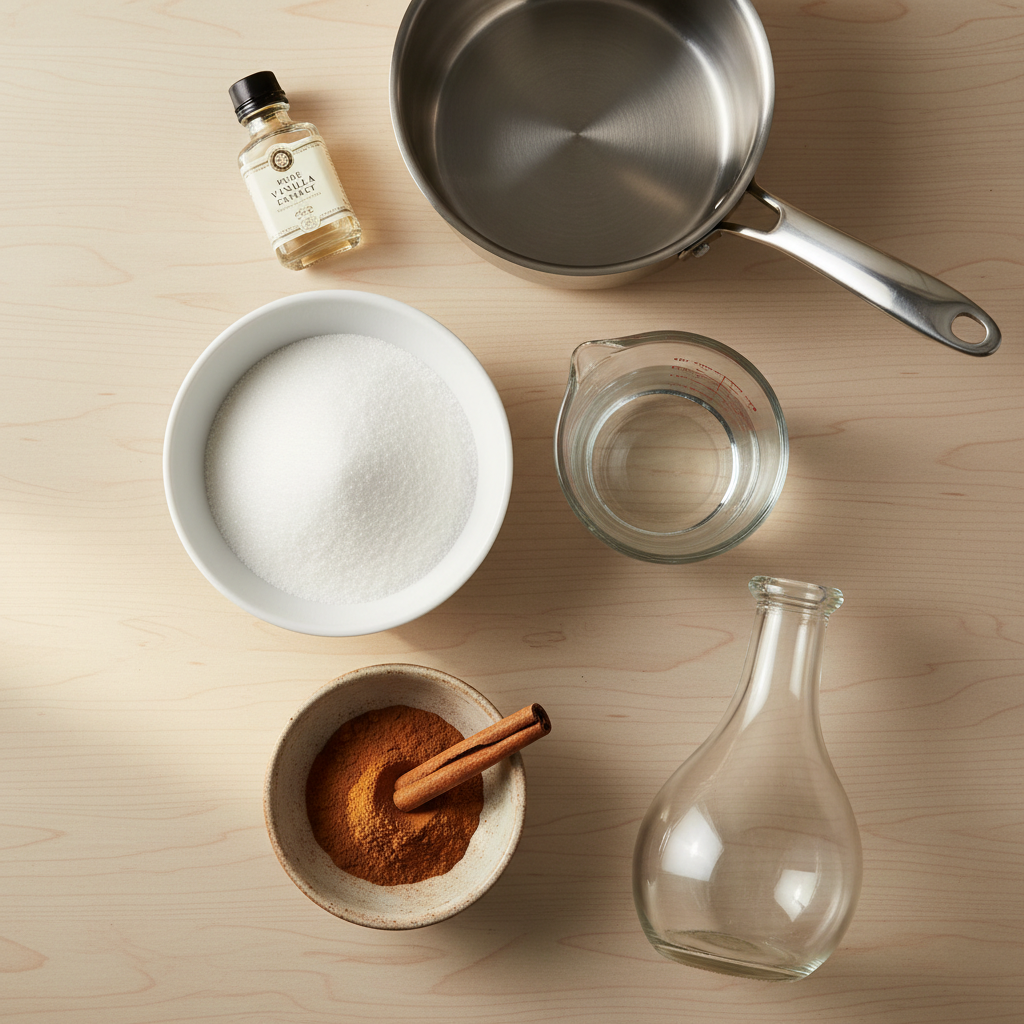
    Ingredients for Cinnamon Dolce Syrup Recipe (Starbucks Copycat)
    Everything you need — no specialty gear required.

    Ingredients You’ll Need (and Why)

    You only need four things, but quality matters for the best flavor.

    • Granulated White Sugar (1 cup / 200g): This is the standard. It dissolves cleanly and provides a neutral sweetness that lets the cinnamon shine. Don’t use brown sugar here—it will overpower the cinnamon and darken the syrup.
    • Water (1 cup / 240ml): Use filtered water if yours is heavily chlorinated. Tap water is fine for most.
    • Ground Cinnamon (2 tbsp / 14g): This is the star. Use a fresh, good-quality cinnamon like Saigon or Ceylon. The pre-ground stuff in your cabinet from last year will taste flat. For the best flavor, consider grinding your own cinnamon sticks.
    • Pure Vanilla Extract (1 tsp / 5ml): This is the secret weapon. A dash of vanilla rounds out the sharp edges of the cinnamon and adds a bakery-like depth. Don’t skip it.

    Equipment (+ The No Espresso Machine Path)

    For the syrup: a small saucepan, a whisk or spoon, a fine-mesh strainer or cheesecloth, and a glass bottle or jar for storage. For the complete latte: You’ll need a way to make strong coffee and steam/froth milk.

    • Espresso Machine: The ideal method. Pull 2 shots (60ml) for one latte.
    • No Espresso Machine? You have three great options:
      1. Moka Pot: Makes a strong, concentrated coffee that works perfectly. Use it to yield about 2-4 oz (60-120ml) of brew.
      2. AeroPress: Use a fine grind and a low water ratio (like 15g coffee to 90ml water) to make a strong, espresso-like concentrate.
      3. Strong Instant Coffee: Dissolve 2 teaspoons of a high-quality instant coffee (like Starbucks Via or Nescafé Gold) in 2 tablespoons of hot water. It won’t be espresso, but it provides the coffee base for the flavor.
    • Milk Frother: A handheld electric frother ($10-20) works great for foam. For hot milk, heat it in a saucepan or microwave first, then froth.

    Step-by-Step Technique Tips

    Making the syrup is straightforward, but a few barista tricks ensure a perfect result every time. First, combine the sugar and water in your saucepan over medium heat. Stir constantly until the sugar is completely dissolved and the liquid is clear—this usually takes 3-4 minutes. Do not let it boil yet. Once the sugar is dissolved, whisk in the ground cinnamon. It will clump at first; keep whisking until it’s fully incorporated. Now, let the mixture come to a gentle simmer for 1 minute, stirring occasionally. This infuses the flavor. Immediately remove it from the heat and stir in the vanilla extract. Let it cool for 10-15 minutes in the pan before straining through a fine-mesh strainer lined with a coffee filter or cheesecloth into your storage bottle. Press gently on the cinnamon solids to extract all the syrup. Cooling before straining prevents steam burns and gives the cinnamon more time to steep.

    What Goes Wrong (and How to Fix It)

    Syrup is gritty or has sediment: You added the cinnamon before the sugar fully dissolved, or you didn’t strain it well. Fix: Always dissolve sugar completely in clear liquid before adding cinnamon. Strain through a coffee filter, not just a sieve.
    Flavor is weak or just sweet: Your cinnamon is old or you didn’t use enough. Fix: Buy a new jar of good-quality cinnamon and measure precisely—2 tablespoons is key. Pre-ground cinnamon loses potency after about 6 months.
    Syrup is too thick or jelly-like: You boiled it too long or used brown sugar. Fix: Only simmer for 1 minute after adding cinnamon. If it’s already thick, gently reheat with a tablespoon of water to thin it.
    Latte tastes watery: Your ice melted before combining ingredients, or your coffee wasn’t strong enough. Fix: For iced versions, chill your espresso or strong coffee in the fridge for 5 minutes before adding to ice. For hot, ensure your coffee is concentrated.
    Milk foam collapses instantly: You’re using low-fat milk or frothing when the milk is too hot. Fix> Whole milk or barista-style oat milk froths best. Heat milk to 150°F (65°C)—hot but not scalding—before frothing.

    4 Delicious Variations to Try

    1. Cinnamon Dolce Cold Brew: Add 1.5 tbsp (22ml) syrup to 8 oz (240ml) cold brew over ice. Top with a splash of cream.
    2. Dirty Chai: Add 1 tbsp (15ml) syrup to a mug, pour in 6 oz (180ml) brewed chai tea, then add a shot of espresso or 2 oz (60ml) strong coffee.
    3. Cinnamon Cream Cold Foam: Froth 2 tbsp (30ml) heavy cream or half-and-half with 1 tsp (5ml) syrup until thick. Pour over iced coffee.
    4. Oatmeal or Pancake Syrup: Use it warm over breakfast foods—it’s fantastic.

    How It Compares to the Original (Taste & Cost)

    In a blind taste test with the Starbucks version, our homemade syrup produces a latte that’s nearly identical in its core sweet, spicy cinnamon flavor. The main difference is a slightly more pronounced, authentic cinnamon taste because we use a full 2 tablespoons. The vanilla smooths it out just like the original. The cost difference is staggering. A Grande Cinnamon Dolce Latte costs about $5.75 before tax. Coffee Recipes calculates the at-home cost at roughly $0.60 for the syrup, $0.35 for the milk, and $0.50 for the coffee, totaling about $1.45 per drink. That’s a savings of over $4 per latte. If you drink three a week, you save nearly $700 a year.

    How to Make a Lighter Version

    To reduce sugar, you can make a ‘skinny’ syrup. Replace the 1 cup (200g) granulated sugar with 1 cup (240ml) of a zero-calorie sweetener like erythritol or allulose that measures like sugar. Follow the same steps. The texture will be slightly thinner, but the cinnamon flavor will be strong. For a dairy-free latte, use your favorite barista-style oat milk (like Oatly) or almond milk. These froth well when heated properly and carry the cinnamon flavor nicely.

    Storage & Make-Ahead Instructions

    Store the syrup in a clean glass jar or bottle with a lid in the refrigerator. According to the USDA guidelines on refrigeration, this sugar-based syrup will keep safely for up to one month. The high sugar content acts as a preservative. You’ll know it’s gone bad if you see mold (unlikely) or if it smells fermented. You can easily double or triple the batch. I make a double batch every two weeks so it’s always ready. Let it cool completely to room temperature before sealing and refrigerating to prevent condensation inside the jar.

    ☕ Homemade Cinnamon Dolce Syrup & Latte

    The exact Starbucks copycat syrup recipe for a perfect cinnamon dolce latte at home.

    Prep: 5 min  •  Total: 10 min  •  Serves: 1 drink (makes ~1.25 cups syrup)  •  ~210 kcal

    Batch size:

    Ingredients

    • For the Syrup (makes ~1.25 cups / 300ml):
    • 1 cup (200g) granulated white sugar
    • 1 cup (240ml) water
    • 2 tablespoons (14g) ground cinnamon
    • 1 teaspoon (5ml) pure vanilla extract
    • For One Cinnamon Dolce Latte:
    • 2 shots (60 ml) espresso or 4 oz (120 ml) strong coffee
    • 1 to 1.5 tablespoons (15–22 ml) cinnamon dolce syrup
    • 8 oz (240 ml) whole milk, steamed or heated

    Instructions

    1. Make the Syrup: In a small saucepan over medium heat, combine sugar and water. Stir constantly until sugar is completely dissolved and liquid is clear (3-4 min).
    2. Whisk in the ground cinnamon until fully incorporated. Let the mixture come to a gentle simmer for 1 minute, stirring occasionally.
    3. Remove from heat and immediately stir in the vanilla extract. Let cool for 10-15 minutes.
    4. Strain the syrup through a fine-mesh strainer lined with a coffee filter or cheesecloth into a clean bottle or jar. Discard the cinnamon solids.
    5. Make the Latte: Brew 2 shots of espresso or 4 oz of very strong coffee using your preferred method.
    6. Add 1 to 1.5 tablespoons of the cinnamon dolce syrup to a mug.
    7. Pour the hot espresso over the syrup and stir to combine.
    8. Steam or heat your milk until hot (about 150°F/65°C) and frothy. Pour the milk into the mug. Optionally, top with a sprinkle of cinnamon.

    Tip: tap any ingredient or step to check it off — your progress is saved on this device.

    Frequently Asked Questions

    Can I use cinnamon sticks instead of ground cinnamon?

    Yes, but you’ll need to simmer longer. Use 2-3 broken cinnamon sticks and simmer with the sugar water for 10-15 minutes after the sugar dissolves. Strain and add vanilla after.

    How long does homemade cinnamon dolce syrup last?

    Stored in a sealed container in the refrigerator, it will keep for up to one month. The high sugar content preserves it.

    Why is my syrup not sweet enough compared to Starbucks?

    Starbucks uses a standard pump that dispenses about 1 tablespoon (15ml) of syrup per pump for a Tall drink. Ensure you’re using at least 1 full tablespoon in your coffee. You can adjust to taste.

    Can I make a sugar-free cinnamon dolce syrup?

    Yes. Replace the 1 cup sugar with 1 cup (240ml) of a zero-calorie sweetener that measures cup-for-cup like sugar, such as erythritol. Follow the same steps. The texture may be slightly thinner.

    What’s the best milk to use for frothing with this syrup?

    Whole milk creates the richest, creamiest foam. For a non-dairy option, choose a ‘barista blend’ oat milk (like Oatly) or almond milk, which are formulated to steam and froth well.

    My syrup separated in the fridge. Is it okay?

    Yes, it’s fine. Simple syrups can sometimes settle. Just give the bottle a good shake before using to recombine the ingredients.

    How much syrup should I use for an iced latte?

    Use 1.5 tablespoons (22ml) for an iced drink, as the ice can dilute the flavor. Add syrup to the glass, then add chilled espresso, then ice, then cold milk.

    Can I use this syrup for anything besides coffee?

    Absolutely. It’s great in hot tea, drizzled over oatmeal or pancakes, mixed into yogurt, or even in cocktails like an espresso martini.

    More Coffee Recipes to Try


    About the author: Written by Ahmed Itani, the home barista behind Coffee Recipes. Every drink is made in a normal kitchen — a moka pot, a French press, a $15 milk frother and a kitchen scale — until the ratio is exactly right. Last updated 2026-09-07.

  • Maple Latte Recipe (Hot & Iced at Home)

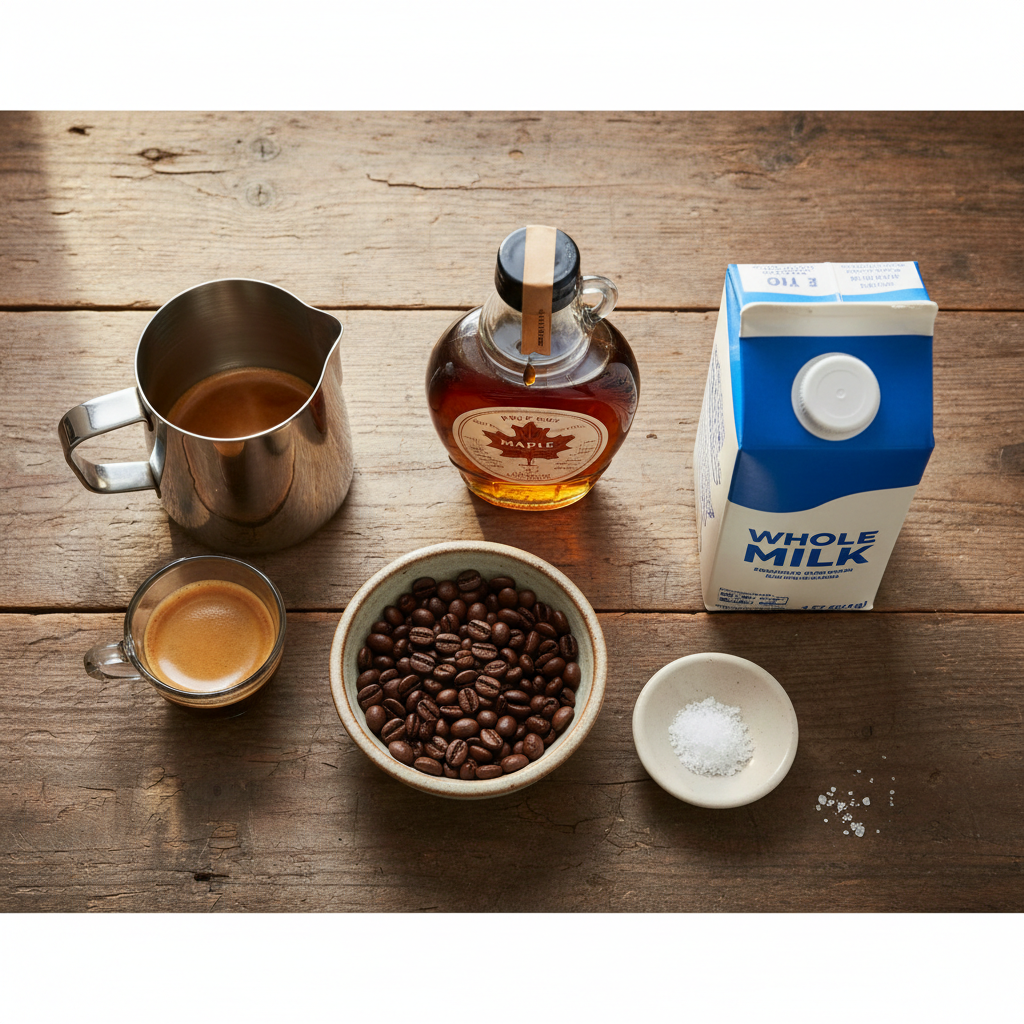
    Maple Latte Recipe (Hot & Iced at Home)

    A perfect maple latte balances 2 shots (60 ml) of espresso, 6 ounces (180 ml) of steamed milk, and 1 tablespoon (15 ml) of pure maple syrup, costing about $0.70 to make at home versus $5.50 at the café. My go-to ratio is 1:3:1, which mimics the sweetness and body of the drinks I used to serve without hiding the coffee. This recipe works because it treats maple syrup like the ingredient it is—a natural sweetener that needs to be warmed and integrated, not just poured on top—and gives you control over the strength and milk texture you prefer.

    ↓ Jump to Recipe

    Key Takeaways

    • The core ratio is 1 part espresso : 3 parts milk : 1 part maple syrup.
    • Coffee Recipes’ homemade version costs about $0.70 versus $5.50 at a café.
    • Total active time is 5 minutes.
    • The single most important tip is to use pure maple syrup, not pancake syrup, and heat it with the milk for the best flavor integration.
    What’s in this guide

    What is a Maple Latte?

    A maple latte is a coffee drink made with espresso, steamed milk, and maple syrup as the primary sweetener. It’s a popular seasonal offering at chains like Starbucks, but the homemade version is simpler and uses pure ingredients without proprietary syrups.

    The Ratio That Makes It Work

    The 1:3:1 ratio (espresso to milk to syrup) is the foundation. For one 12-ounce drink, that’s 60 ml espresso, 180 ml milk, and 15 ml syrup. This creates a drink where the coffee is present but not bitter, the milk adds creaminess without drowning it out, and the syrup sweetens without making it cloying. According to the National Coffee Association, a medium or medium-dark roast espresso provides the best flavor base to complement maple’s caramel notes without competing.

    Ingredients for Maple Latte Recipe (Hot & Iced at Home)
    Everything you need — no specialty gear required.

    Ingredients You’ll Need (and Why)

    Each ingredient choice directly impacts flavor and texture.

    • Espresso (2 shots / 60 ml / ~18g grounds): The coffee base. Use a medium-dark roast for balance. If you don’t have an espresso machine, see the equipment section for alternatives.
    • Whole Milk (6 oz / 180 ml / ¾ cup): Steams and froths best due to its fat and protein content. For a lighter option, 2% milk works; for non-dairy, oat or whole-fat coconut milk are the best foamers.
    • Pure Maple Syrup (1 tbsp / 15 ml): This is non-negotiable. Pancake syrup is corn syrup with flavoring and will taste artificial. Grade A Amber or Dark Color, Robust Taste are ideal. I keep a jar of Kirkland Signature or Costco Maple Syrup, but any 100% pure maple syrup works.
    • Pinch of Salt (optional): A tiny pinch in the milk pitcher enhances the maple’s complexity and cuts any residual bitterness.

    Equipment (+ No Espresso Machine Path)

    You need a way to make strong coffee, heat/froth milk, and combine them.

    • Espresso Machine: The standard. A Breville Bambino or De’Longhi Stilosa are good home models.
    • Milk Frother/Jug: A handheld electric frother ($15) works for both heating and frothing milk on the stovetop.
    • Scale & Thermometer: For precision. Heat milk to 150–155°F (65–68°C)—hotter than that scolds it.

    No espresso machine? You have three good options. A moka pot makes a strong, concentrated coffee; use 18g fine-ground coffee and water to the valve for about 60ml output. An AeroPress with 18g fine coffee and 60ml water steeped for 2 minutes then pressed makes a good analogue. Or, use 2 tsp (4g) of a high-quality instant coffee like Starbucks Via or Mount Hagen, dissolved in 60ml hot water.

    How to Make It Right: Step-by-Step Technique

    This isn’t just a list of steps; it’s the why behind them.

    1. Prep the Maple Milk: Combine the cold milk and maple syrup in your frothing jug before heating. This allows the syrup to fully integrate as the milk warms, preventing a separate sweet layer at the bottom of your cup. Add that tiny pinch of salt now if using.

    2. Pull & Prep the Espresso: Pull your espresso directly into your serving mug to pre-warm it. If making an iced version, pull the shots into a separate small glass or metal container to cool for 2 minutes before adding to ice. This prevents rapid, bitter melting.

    3. Heat & Texture the Milk: Heat the milk-syrup mixture to 150–155°F (65–68°C). Use the frother to create a smooth, velvety microfoam—tiny bubbles that integrate into the milk, not dry, stiff peaks. The goal is pourable, silky milk.

    4. Pour & Combine: Pour the textured milk into the espresso in a steady stream, aiming for the center of the mug. For a basic layered look, pour from a higher point initially, then lower the jug close to the surface to mix. The hot espresso and warm maple milk will blend perfectly.

    What Goes Wrong (and How to Fix It)

    These are the common failures I see and how to correct them immediately.

    • Tastes watery or weak: Your espresso-to-milk ratio is off. Measure your milk after steaming; it should be 6 oz (180 ml). For iced lattes, ensure your espresso shots are cooled before hitting the ice, or the melted ice dilutes the drink.
    • Maple flavor is faint or artificial: You used pancake syrup, not pure maple syrup. The only fix is to start over with the right ingredient. Also, ensure you heated the syrup with the milk for better infusion.
    • Milk doesn’t foam or separates: You overheated the milk. Past 160°F (71°C), proteins break down and foam collapses. Use a thermometer and stop at 155°F (68°C). For non-dairy milk, ensure it’s a “barista” blend designed for steaming.
    • Drink is too sweet: You likely used a tablespoon that was heaping, not level. For a standard 12 oz drink, 15ml (1 level tbsp) is the sweet spot. Reduce to 2 tsp (10ml) next time.
    • Iced latte gets immediately diluted: You poured hot espresso directly over a full cup of ice. Cool the espresso shots in the freezer for 2 minutes or pour them over just 3-4 large ice cubes first, then add the cold milk and remaining ice.

    Variations to Try

    Once you master the base, these tweaks keep it interesting.

    • Maple Cinnamon Latte: Add 1/8 tsp of cinnamon to the milk before frothing.
    • Maple Vanilla Latte: Split the sweetener: use 1/2 tbsp (7.5ml) maple syrup and 1/2 tbsp (7.5ml) vanilla syrup.
    • Maple Oatmeal Latte: Add 1/8 tsp of butter extract or a tiny pat of melted butter to the milk for a rich, baked-good flavor.
    • Dirty Maple Chai Latte: Steep a strong chai tea bag in the milk as you heat it, then remove it before frothing. Add espresso and maple syrup.
    • Maple Bourbon Latte (evening): For an after-dinner drink, add 1/2 oz (15ml) bourbon to the finished hot latte.

    Make It Lighter: Lower Sugar or Dairy-Free

    You can modify the recipe without sacrificing quality.

    Lower Sugar: Reduce the maple syrup to 2 tsp (10ml). The drink will be less sweet but the maple flavor will still be present, especially if you use a darker, more robust grade of syrup. Coffee Recipes’ testing found that a 33% reduction in syrup is the threshold before the maple note becomes too subtle for most palates.

    Dairy-Free: The best milk alternatives for foaming and flavor are oat milk (like Oatly Barista Edition) or full-fat canned coconut milk (shaken). Almond milk tends to separate and soy milk can over-foam. Heat gently and avoid overheating.

    Storage & Make-Ahead Tips

    Maple syrup is a natural preservative, but dairy limits shelf life.

    • Maple Syrup Simple Syrup: For even faster mornings, make a maple syrup concentrate by gently heating 1 part water with 1 part maple syrup until dissolved. Cool and store in a jar in the fridge for up to 2 weeks. Use 1 tbsp (15ml) of this syrup per drink; it incorporates into cold milk instantly.
    • Cold Brew Maple Latte Base: Mix cold brew concentrate with maple syrup at a 4:1 ratio (e.g., 240ml cold brew to 60ml syrup). Store in a sealed jar in the fridge for up to a week. For a drink, shake 75ml of the base with ice, top with 180ml cold milk.
    • Do Not: Premake and store complete lattes with milk for more than a day, as the texture and flavor degrade.

    ☕ Classic Maple Latte (Hot & Iced)

    A café-style maple latte made with espresso, steamed milk, and pure maple syrup.

    Prep: -1 min  •  Total: -1 min  •  Serves: 1 drink  •  ~210 kcal

    Batch size:

    Ingredients

    • 2 shots (60 ml / ~18g grounds) espresso
    • 6 oz (180 ml / ¾ cup) whole milk
    • 1 tbsp (15 ml) pure maple syrup
    • Pinch of salt (optional)
    • Ice (for iced version only)

    Instructions

    1. <strong>For Hot Latte:</strong> Pull 2 shots of espresso into your serving mug.
    2. Combine cold milk, maple syrup, and optional salt in a frothing jug.
    3. Heat and froth the milk mixture to 150–155°F (65–68°C), creating a smooth microfoam.
    4. Pour the textured milk into the espresso mug, aiming for the center. Serve immediately.
    5. <strong>For Iced Latte:</strong> Pull 2 shots of espresso into a small glass and let cool for 2 minutes.
    6. Fill a tall glass with ice. Pour the cooled espresso over the ice.
    7. In a separate container, combine cold milk and maple syrup. Stir or shake vigorously until syrup is fully dissolved.
    8. Pour the maple milk mixture over the espresso and ice. Stir gently before drinking.

    Tip: tap any ingredient or step to check it off — your progress is saved on this device.

    Frequently Asked Questions

    Can I use pancake syrup instead of maple syrup?

    No. Pancake syrup is primarily corn syrup with artificial flavor and will make your latte taste thin and artificial. Pure maple syrup is essential for the right flavor.

    What’s the best milk for frothing in a maple latte?

    Whole milk creates the richest, most stable foam. For non-dairy, oat milk (specifically a “barista” blend like Oatly) or full-fat coconut milk are the best substitutes for texture.

    How do I make a maple latte without an espresso machine?

    Use a moka pot or AeroPress to make a strong coffee concentrate, or dissolve 2 tsp of high-quality instant coffee in 60ml hot water. Then proceed with the milk and syrup steps.

    Why is my maple latte not sweet enough?

    You may be using a lighter grade of maple syrup (Grade A Golden) or not using a full, level tablespoon. For stronger flavor, use Grade A Dark or Robust Taste syrup.

    Can I make a maple latte ahead of time?

    You can premix maple syrup with cold brew concentrate or make a maple simple syrup, but do not combine with milk until ready to serve, as the texture will deteriorate.

    How many calories are in a homemade maple latte?

    Using whole milk and 1 tbsp syrup, a homemade maple latte has approximately 210 calories, compared to 250-300+ for a café version which often uses more syrup.

    Is a maple latte seasonal?

    While often marketed as a fall drink, the ingredients are available year-round. It’s a timeless sweet coffee option, not limited to autumn.

    What coffee roast pairs best with maple syrup?

    A medium or medium-dark roast espresso complements maple’s caramel notes without the bitterness of a dark roast or the sharp acidity of a light roast.

    More Coffee Recipes to Try


    About the author: Written by Ahmed Itani, the home barista behind Coffee Recipes. Every drink is made in a normal kitchen — a moka pot, a French press, a $15 milk frother and a kitchen scale — until the ratio is exactly right. Last updated 2026-09-02.