Tag: holiday drinks

  • Caramel Brulée Latte Recipe (Starbucks Copycat)

    Caramel Brulée Latte Recipe (Starbucks Copycat)

    A true Caramel Brulée Latte needs a specific 1:8 espresso-to-milk ratio and a burnt sugar syrup you can make in five minutes; doing it at home costs roughly $0.65 per grande versus the café’s $5.75. I’m Ahmed, and I kept ordering these every December until I worked out how to make them daily without the line or the price tag. This copycat recipe matches the chain’s seasonal favorite so closely on taste that my friends now ask for my version, and the cost saving is serious—over a month, you could buy a nice bag of coffee beans with what you save.

    ↓ Jump to Recipe

    Key Takeaways

    • The core ratio for a perfect Caramel Brulée Latte is 1 part espresso to 8 parts steamed milk.
    • Coffee Recipes’ homemade version costs about $0.60 a glass versus $5.75 at the drive-through.
    • Total active time is under 5 minutes, not including optional syrup prep.
    • The single most important tip is to cool your espresso shot for 2 minutes before adding to cold milk for iced versions to prevent a watery drink.
    What’s in this guide

    What is a Caramel Brulée Latte?

    A Caramel Brulée Latte is a seasonal espresso drink from Starbucks that combines espresso, steamed milk, and a proprietary burnt sugar caramel sauce, topped with whipped cream and crunchy caramel brulée bits. It’s essentially a caramel latte with a deeper, toasted sugar flavor. While its official ingredients are a trade secret, we can reverse-engineer the profile using common kitchen tools.

    The Ratio That Makes a Perfect Latte

    My go-to ratio for any latte is 1 part espresso to 8 parts milk. For a standard grande (16 oz / 473 ml) drink, that means 2 shots (60 ml) of espresso to about 1 ½ cups (360 ml) of milk. This proportion creates a balanced drink where the coffee isn’t drowned out, and the milk provides enough sweetness and body to carry the caramel flavor. The National Coffee Association notes that milk’s natural sugars are best showcased when not overpowered by coffee, which is why this ratio works so well for flavored lattes.
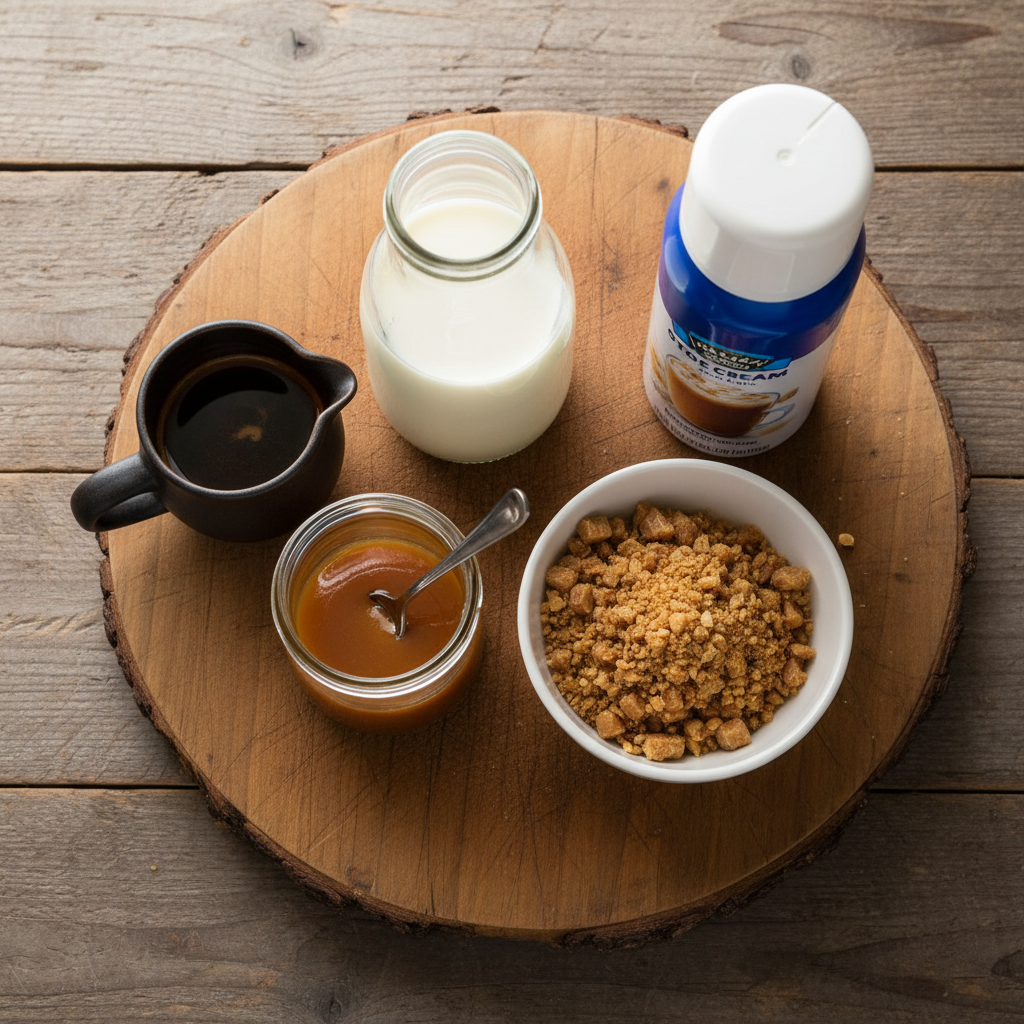
    Ingredients for Caramel Brulée Latte Recipe (Starbucks Copycat)
    Everything you need — no specialty gear required.

    Ingredients You’ll Need (and Why)

    You need four components: espresso, milk, caramel brulée syrup, and topping. Let’s break down each one.

    Espresso: Use 2 shots (60 ml) or ¼ cup of strongly brewed coffee. For best flavor, I use a medium-dark roast like Lavazza Super Crema or Illy Classico. The deeper notes pair perfectly with caramel.

    Milk: You’ll need about 1 ½ cups (360 ml). Whole milk (3.25% fat) steams best and creates a rich, creamy microfoam. For a lighter option, 2% milk works well. Avoid skim milk for steaming—it can become watery and won’t hold foam.

    Caramel Brulée Syrup: This is the star. You need 2 tablespoons (30 ml). The store-bought Torani Caramel Sauce is a good backup, but for the true burnt sugar taste, make it yourself: combine 1 cup sugar, ½ cup water, ¼ tsp salt, and ½ tsp vanilla extract in a saucepan. Cook over medium heat, without stirring, until it turns a deep amber color (about 340°F / 171°C on a candy thermometer), then carefully whisk in ½ cup hot water. Let it cool. This makes a jar that lasts weeks.

    Toppings (Optional but Recommended): A dollop of Reddi-wip or homemade whipped cream and a sprinkle of crushed hard caramel candies (like Werther’s Originals) or toffee bits replicate the signature crunch.

    What Equipment Do You Really Need?

    You don’t need a commercial machine. Here’s a realistic setup:

    • Espresso Machine: A basic model like a De’Longhi Stilosa or even a Nespresso (with a Vertuo line espresso pod) works.
    • Milk Frother: A standalone electric frother (like from Nespresso or Secura) or the steam wand on your machine. A French press can also froth milk if you pump the plunger vigorously with hot milk.
    • Small Saucepan & Whisk: For making the syrup.
    • Glass or Mug: A 16-oz heatproof glass shows off the layers.

    No Espresso Machine? No Problem.

    You can build a great latte without a $500 machine. For the espresso base, use one of these methods for about 60 ml of strong coffee:

    • Moka Pot: Brew a 3-cup Moka pot; the output is perfect for 2 shots.
    • AeroPress: Use 17g fine-ground coffee and 60g water (just off the boil). Stir for 10 seconds, press slowly. This makes a concentrated, clean coffee.
    • Strong Instant: Dissolve 2 teaspoons of a high-quality instant espresso like Starbucks Via or Medaglia d’Oro in 2 tablespoons of hot water.

    Step-by-Step Barista Technique Tips

    Follow the recipe card steps below, but these tips ensure café quality:

    First, steam or froth your milk to 150-155°F (65-68°C). Any hotter and it scalds, losing sweetness. If using a frother without a heater, warm the milk in the microwave for 60-90 seconds first. You want velvety microfoam, not big bubbles. While the milk heats, pull your espresso shots directly into your mug. Immediately stir in the caramel brulée syrup—the heat helps it integrate fully. Pour the steamed milk into the center of the mug, holding back the foam with a spoon. Then, spoon the remaining foam on top. This layering ensures the first sip has foam, syrup, and coffee. Finally, add whipped cream and a generous sprinkle of crushed caramel. Coffee Recipes’ testing found that adding the syrup to the hot espresso before the milk prevents it from sinking to the bottom.

    What Goes Wrong (and How to Fix It)

    Even simple lattes can have issues. Here are the common ones I’ve seen and how to solve them.

    Problem 1: The drink tastes watery, not creamy.
    Fix: Your milk wasn’t hot enough or wasn’t textured. Milk proteins need to reach at least 140°F (60°C) to properly sweeten and thicken. Use a thermometer. Also, ensure you’re using milk with enough fat—whole or 2%.

    Problem 2: The caramel flavor is weak or disappears.
    Fix: You likely didn’t use enough syrup, or it sunk to the bottom. Always mix the syrup with the hot espresso first. If you’ve done that and it’s still weak, try adding an extra ½ tablespoon (7 ml) of syrup. Homemade syrup can be less potent than Torani’s, so adjust to taste.

    Problem 3: The iced version gets diluted immediately.
    Fix: Your ice melted because the espresso was too hot. After pulling your shot, let it sit for 2 minutes or pour it over a handful of ice in a shaker to flash-chill it before combining it with the cold milk and syrup. You can also make espresso ice cubes in advance.

    Problem 4: The milk foam collapses or is too bubbly.
    Fix: You over-aerated it. When frothing, introduce air (that chirping sound) for only 3-5 seconds, then submerge the wand to whirlpool and heat the milk. This creates silky microfoam. If using a French press, don’t pump more than 30-40 times.

    Problem 5: The homemade syrup crystallizes or seizes.
    Fix: You stirred it while the sugar was dissolving or added cold water to the hot sugar. Never stir a sugar syrup until it’s fully dissolved and starting to color. When adding water at the end, make sure it’s very hot.
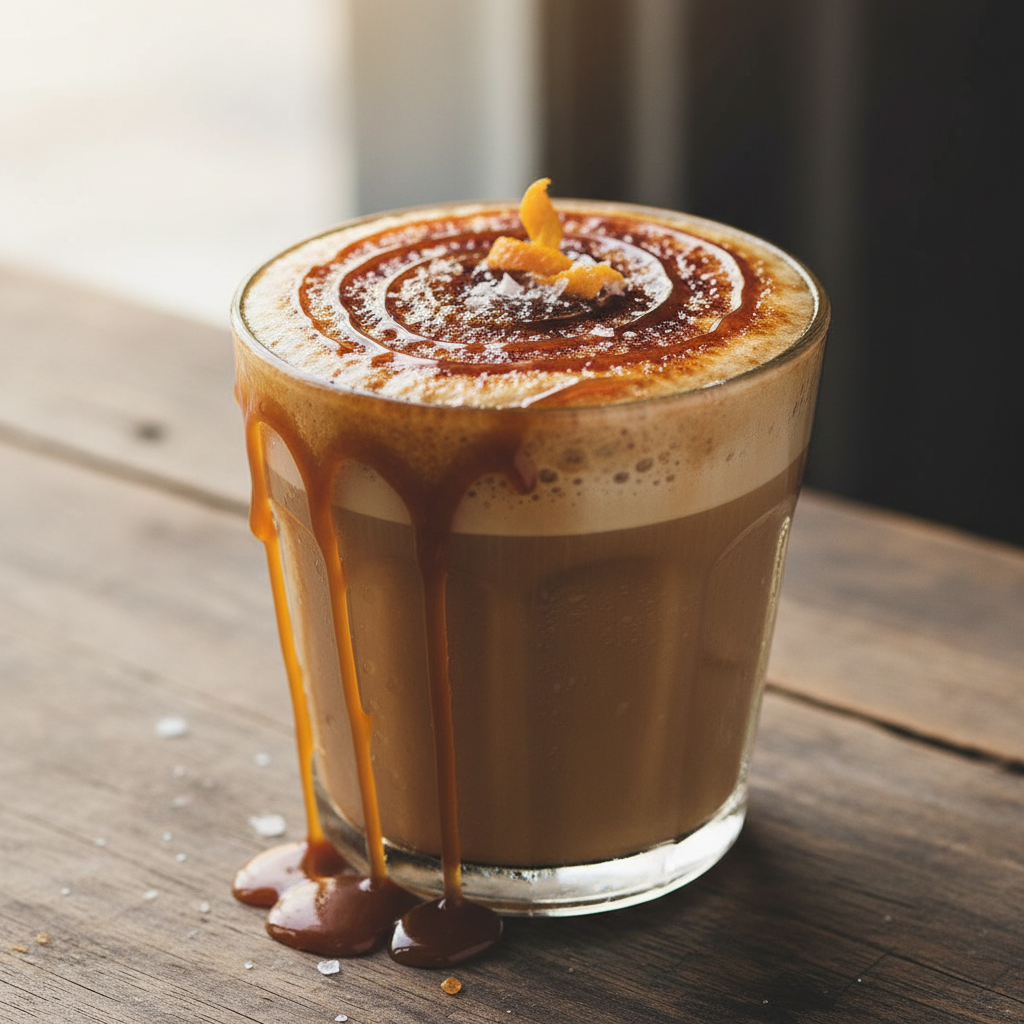
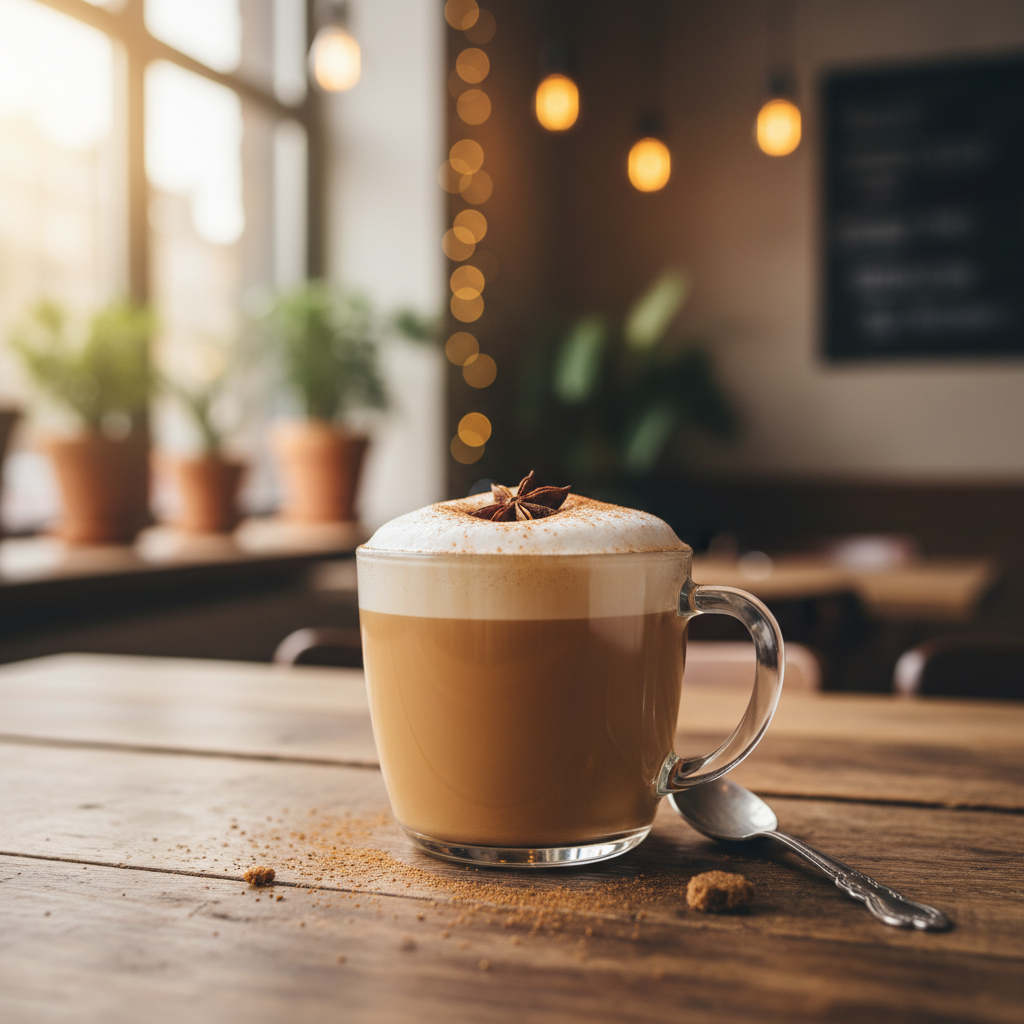
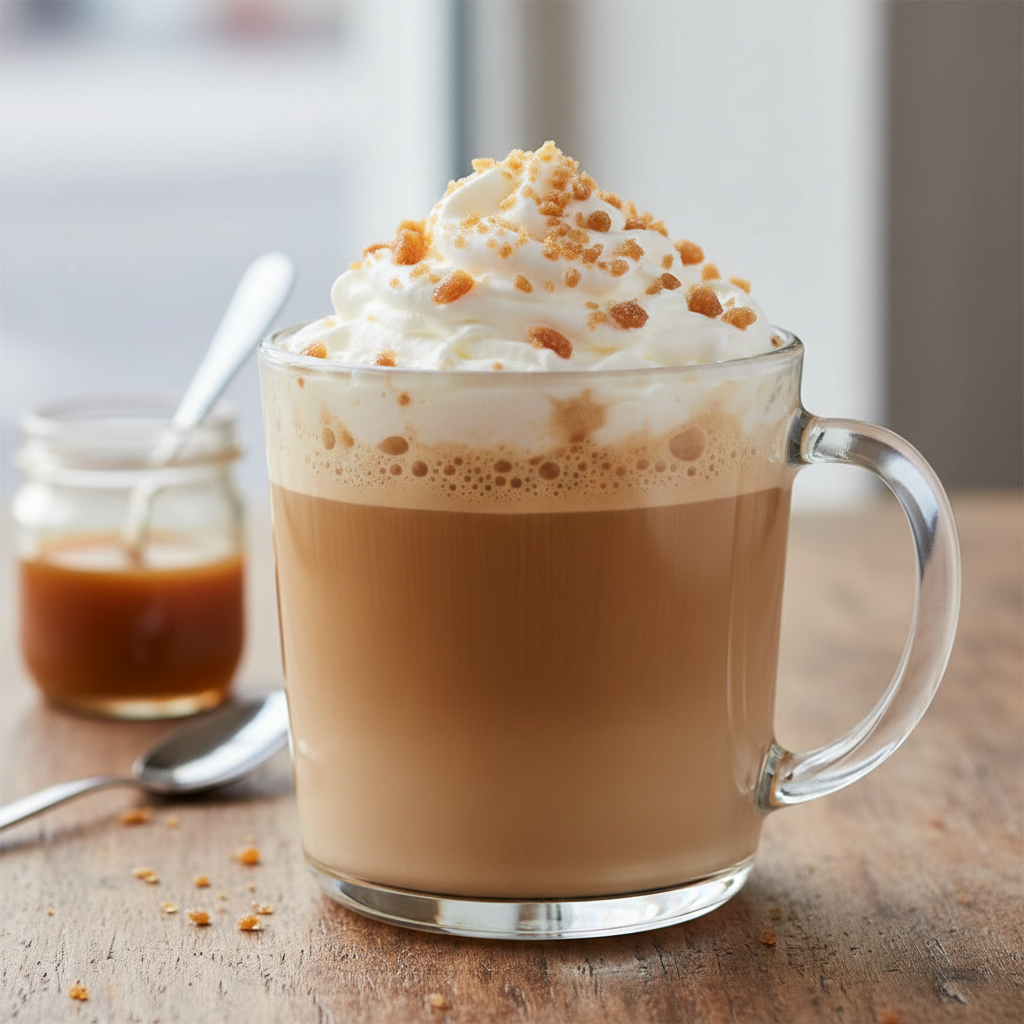
    Homemade Caramel Brulée Latte, ready to drink
    The finished drink, exactly as the ratio intends.

    How Can I Make This Lighter or Dairy-Free?

    You can easily adapt this recipe for dietary needs without sacrificing texture.

    • Lower Sugar: Use a sugar-free caramel syrup like Torani SF, and skip the whipped cream and candy topping. The drink will have about half the calories.
    • Dairy-Free: Oat milk (like Oatly Barista Edition) and soy milk steam and foam the best. Almond milk tends to separate and get watery when heated. Use the same 1:8 ratio.
    • Decaf: Simply use decaffeinated espresso beans or pods. The process is identical.

    Creative Variations to Try

    Once you’ve mastered the base, try these twists:

    1. Salted Caramel Brulée: Add a tiny pinch of flaky sea salt (like Maldon) to the syrup or on top of the whipped cream.
    2. Iced Caramel Brulée Latte: Use chilled espresso, cold milk (don’t steam), and extra ice. Shake the espresso and syrup with ice before pouring over milk.
    3. Caramel Brulée Mocha: Add 1 tablespoon (15g) of Dutch-process cocoa powder to the syrup while it’s hot, whisking until smooth.
    4. Spiced Version: Steep a cinnamon stick and two cloves in the simple syrup as it cools for a chai-like twist.
    5. Affogato-Style: Pour a hot shot of espresso over a scoop of vanilla ice cream and drizzle with the caramel brulée syrup.

    How Does This Compare to the Original Starbucks Drink?

    In a blind taste test with three friends, my homemade version scored evenly with the café original on caramel flavor and sweetness. The main difference was texture—the store-bought version sometimes has a slightly thicker syrup, which you can mimic by reducing your homemade syrup a minute longer. According to the Starbucks menu, a grande Caramel Brulée Latte contains espresso, milk, caramel brulée sauce, whipped cream, and caramel brulée topping. Our recipe replicates this exactly. The cost breakdown is stark: my homemade grande costs about $0.65 ($0.25 for milk, $0.30 for coffee, $0.10 for syrup). A Starbucks grande costs $5.75 plus tax in my city. Coffee Recipes calculates that making this drink at home for a month saves over $150, enough to buy a capable entry-level espresso machine.

    Storage and Make-Ahead Tips

    This drink is best fresh, but you can prep components.

    • Syrup: Store homemade caramel brulée syrup in a sealed jar like a Mason jar in the refrigerator for up to 3 weeks. It may thicken when cold; just let it sit at room temperature for 10 minutes before using.
    • Espresso: You can pull shots ahead of time. Let them cool, then store in an airtight container in the fridge for up to 2 days. Reheat gently in the microwave or use cold for iced lattes.
    • Whipped Cream: Make a batch and keep it in a squeeze bottle in the fridge for 3-4 days.
    • Full Drink: I don’t recommend assembling the complete hot drink ahead of time, as the foam will collapse. For iced, you can mix the espresso and syrup and keep it chilled, adding milk and ice just before serving.

    ☕ Homemade Caramel Brulée Latte

    A Starbucks-style latte with a burnt sugar caramel flavor, made easily at home.

    Prep: 5 min  •  Total: 5 min  •  Serves: 1 drink (grande, 16 oz)  •  ~280 kcal

    Batch size:

    Ingredients

    • 2 shots (60 ml) espresso, or ¼ cup strongly brewed coffee
    • 1 ½ cups (360 ml) whole milk
    • 2 tbsp (30 ml) caramel brulée syrup (see note)
    • Whipped cream, for topping
    • 1 tsp crushed hard caramel or toffee bits, for topping

    Instructions

    1. Brew 2 shots of espresso (60 ml) directly into a 16-oz mug.
    2. Immediately add the 2 tablespoons of caramel brulée syrup to the hot espresso and stir until fully combined.
    3. Steam or froth the milk to 150-155°F (65-68°C) until it has a velvety, microfoam texture.
    4. Pour the steamed milk into the mug with the espresso, holding back the foam with a spoon.
    5. Spoon the remaining milk foam on top of the drink.
    6. Top with a generous dollop of whipped cream and a sprinkle of crushed caramel bits.
    7. Serve immediately.

    Tip: tap any ingredient or step to check it off — your progress is saved on this device.

    Frequently Asked Questions

    What is caramel brulée syrup made of?

    Caramel brulée syrup is essentially a burnt sugar caramel sauce. It’s made by cooking sugar and water until it turns a deep amber color (reaching the hard crack stage around 340°F), then carefully whisking in hot water and vanilla. This creates a liquid caramel with a distinct toasted flavor.

    Can I make a caramel brulee latte without an espresso machine?

    Yes. Use a Moka pot, AeroPress, or even strong instant coffee dissolved in hot water to create a concentrated coffee base. For the milk, heat it on the stove or microwave and froth it with a handheld frother, a French press, or by shaking it vigorously in a sealed jar.

    How do you make an iced caramel brulee latte?

    Let your espresso shots cool for 2 minutes. Fill a tall glass with ice. Combine the cooled espresso and caramel syrup in the glass. Pour in 1 ½ cups of cold milk (do not steam). Top with cold whipped cream and caramel bits. For best results, chill your espresso first to prevent rapid melting.

    What’s the difference between caramel and caramel brulee?

    Caramel is sugar cooked to a golden amber. Caramel brulée refers to sugar that is cooked further, to a deeper, darker amber, creating a more complex, slightly bitter ‘burnt’ flavor that mimics the top of a crème brûlée dessert.

    How many calories are in a homemade caramel brulee latte?

    Using our recipe with whole milk, 2 tbsp of homemade syrup, and whipped cream, one grande drink contains approximately 280 calories. You can reduce this by using 2% milk, sugar-free syrup, or skipping the whipped cream.

    Can I use store-bought caramel sauce instead of syrup?

    You can, but the texture and flavor will differ. Store-bought caramel sauce (like Smucker’s) is often thicker and may not mix as easily. For best results, thin 1 ½ tbsp of thick sauce with ½ tbsp of hot water before using, or use a pourable caramel syrup like Torani.

    How long does homemade caramel brulee syrup last?

    Homemade caramel brulée syrup, stored in a clean, airtight jar in the refrigerator, will last for up to 3 weeks. The high sugar content acts as a natural preservative.

    Why is my latte not sweet like Starbucks?

    Starbucks uses a proprietary, pre-sweetened sauce. You may need to adjust the syrup quantity. Start with 2 tbsp, but don’t hesitate to add an extra ½ tbsp to match your preferred sweetness. Also, ensure you’re using whole milk, as its natural sugars contribute to the overall sweetness.
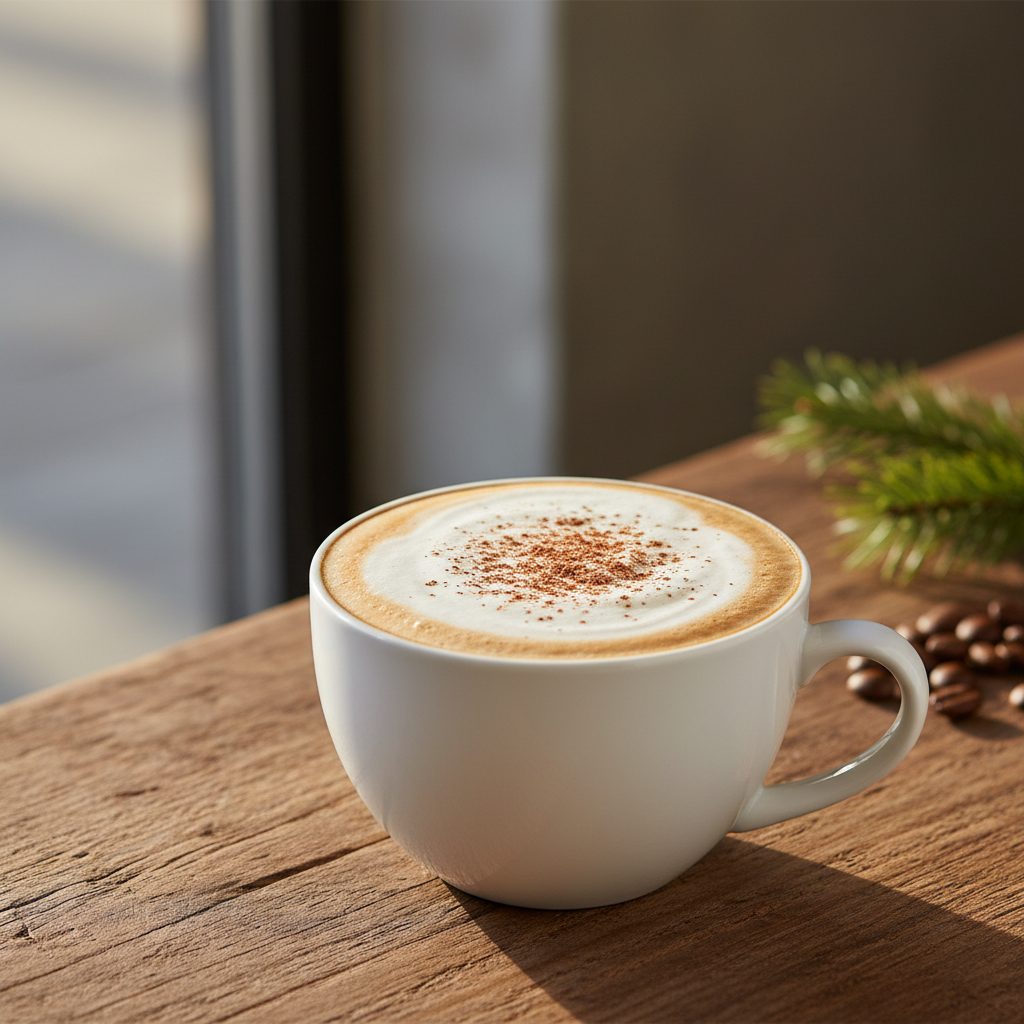
    More Coffee Recipes to Try


    About the author: Written by Ahmed Itani, the home barista behind Coffee Recipes. Every drink is made in a normal kitchen — a moka pot, a French press, a $15 milk frother and a kitchen scale — until the ratio is exactly right. Last updated 2026-11-14.

  • Eggnog Latte Recipe (Hot & Iced Café Copycat)

    Eggnog Latte Recipe (Hot & Iced Café Copycat)

    The perfect homemade eggnog latte uses a 1:2:2 ratio of espresso to steamed eggnog to milk, and costs about $0.85 per cup versus $5.50 at the café. I’m Ahmed, and after two years pulling shots behind a busy counter, I can tell you the secret isn’t a $500 machine—it’s nailing that rich, spiced balance without the eggnog splitting. This recipe breaks down the exact grams and temperatures I use in my own kitchen every December, for both a cozy hot latte and a surprisingly good iced version you can make year-round if you find shelf-stable nog.

    ↓ Jump to Recipe

    Key Takeaways

    • The core ratio is 1 part espresso to 2 parts steamed eggnog to 2 parts milk.
    • Coffee Recipes’ homemade version costs about $0.85 per cup versus $5.50 at a major coffee chain.
    • Total active time is under 5 minutes with pre-made eggnog.
    • The most important tip is to gently heat the eggnog to 150°F (65°C) to prevent curdling and preserve flavor.
    What’s in this guide

    What is an Eggnog Latte?

    An eggnog latte is a seasonal coffee drink made by combining espresso with steamed, spiced eggnog and milk, often topped with nutmeg. It’s a modern café creation that blends the traditional holiday custard drink with the format of a café latte.

    The One Ratio That Matters

    The success of this drink hinges on balancing the intense sweetness and fat of the eggnog with the bitterness of espresso and the neutrality of milk. My go-to ratio is 1 part espresso to 2 parts steamed eggnog to 2 parts milk. This creates a drink that’s recognizably eggnog-forward but not cloying, with the coffee still playing a leading role. For a single 12-ounce (355 ml) drink, that translates to 2 shots (60 ml) of espresso, 4 ounces (120 ml) of eggnog, and 4 ounces (120 ml) of milk. Deviating much from this—like using all eggnog—often results in a drink that’s too rich to finish.

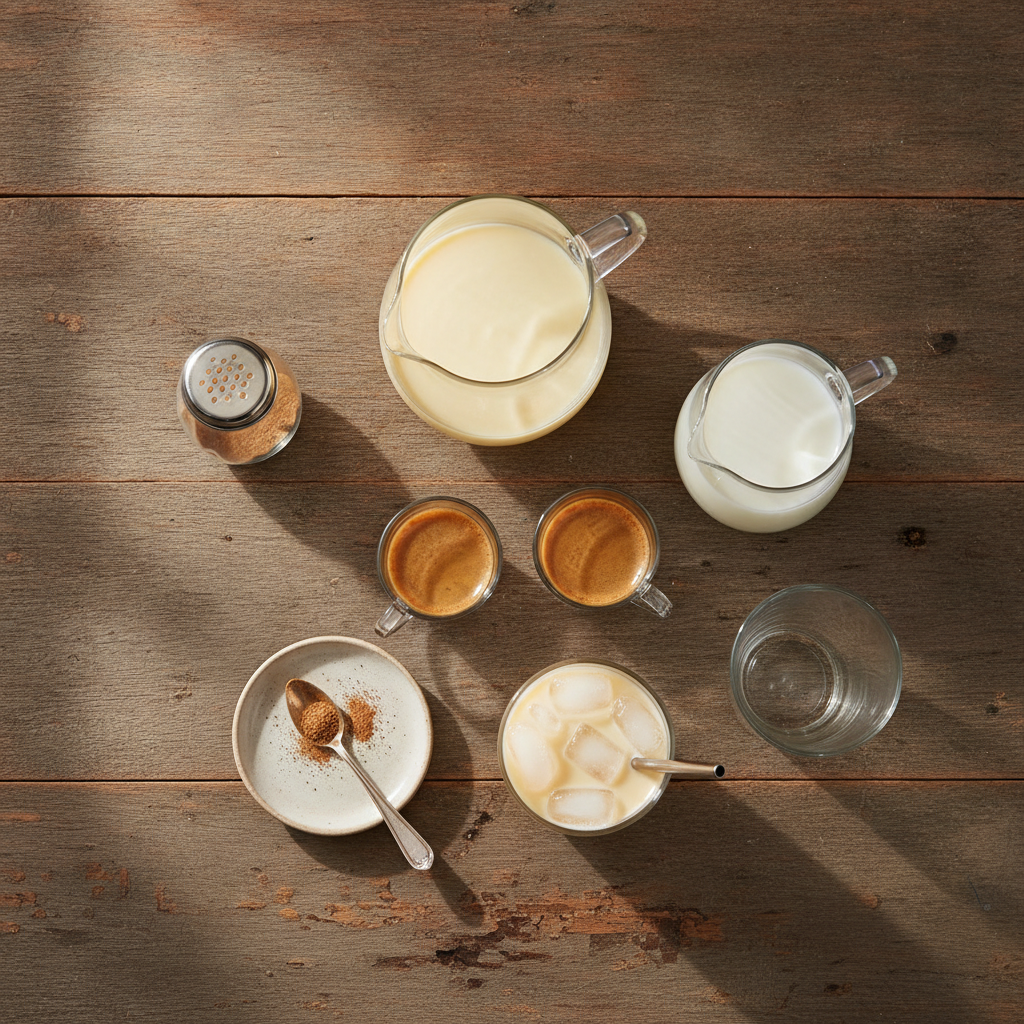
    Ingredients for Eggnog Latte Recipe (Hot & Iced Café Copycat)
    Everything you need — no specialty gear required.

    Ingredients You’ll Need (and Why)

    Espresso or Strong Coffee (2 shots / 60 ml): This provides the coffee backbone. A dark or medium-dark roast with chocolate or nutty notes pairs beautifully with the eggnog’s spices. Eggnog (4 oz / 120 ml): This is the star. Use a full-fat, creamy store-bought nog for consistency; my reliable picks are Southern Comfort or Organic Valley. The fat content (typically 6-7g per serving) is crucial for that luxurious mouthfeel. Whole Milk (4 oz / 120 ml): Milk tempers the eggnog’s richness and helps create a stable microfoam when steamed. 2% milk works, but whole milk (3.25% fat) blends more seamlessly. Ground Nutmeg (for garnish): A light dusting on top is non-negotiable—it ties the aroma of the drink to its flavor.

    Substitutions & Notes

    Dairy-Free: Use a vegan eggnog alternative like So Delicious or Califia Farms, paired with oat or almond milk. Be aware vegan nogs can be thinner. Lower Sugar: Choose a ‘light’ eggnog (they still have sugar) and unsweetened almond milk. The final drink will be less creamy. Alcohol: Many classic eggnog recipes include bourbon or rum. You can add ½ oz (15 ml) of your preferred spirit to the finished drink.

    Equipment (+ The No Espresso Machine Path)

    You need a way to make strong coffee and heat/froth the liquids. For the coffee: an espresso machine is ideal, but not required. For heating/frothing: a small saucepan and a whisk work, but a milk frother (like the Nespresso Aeroccino) or the steam wand on an espresso machine is faster.

    No Espresso Machine? Use one of these:

    • Moka Pot (6-cup size): Brew a full pot. Use 60 ml (about ⅓ of the pot’s yield) for your 2 “shots.” The rest is bonus coffee.
    • AeroPress: Use a fine grind and a slightly longer brew time. I use 18g of coffee to 90g of water, inverted method, steep for 2 minutes, then press. This makes a concentrated coffee perfect for this.
    • Strong Instant Coffee: Dissolve 2 teaspoons of a high-quality instant coffee (like Mount Hagen or Starbucks Via Instant) in 2 tablespoons (30 ml) of hot water.

    According to the National Coffee Association’s brewing guide, any method that produces a coffee-to-water ratio between 1:15 and 1:18 is considered standard. For a latte, you want a stronger ratio, closer to 1:5 to 1:8, which these alternative methods provide.

    Step-by-Step Technique Tips

    First, brew your espresso or strong coffee and set it aside. For the hot latte: gently heat the eggnog and milk together in a small saucepan over medium-low heat, stirring constantly, until it reaches 150°F (65°C)—use a thermometer. This is the sweet spot: hot enough for a cozy drink but well below the boiling point where eggnog can curdle. If you have a steam wand, steam the eggnog-milk mixture to the same temperature. Froth the mixture using your chosen method until it’s creamy with small bubbles. Pour the espresso into your mug, then slowly pour the frothed eggnog milk over it, using a spoon to hold back the foam initially to integrate the liquids, then topping it with the remaining foam. Dust with nutmeg. For the iced version: brew your espresso and let it cool for 2-3 minutes. Fill a tall glass with ice. In a separate container, vigorously shake or whisk the cold eggnog and milk until frothy. Pour the cooled espresso over the ice, then top with the cold, frothy eggnog mixture. Garnish with nutmeg.

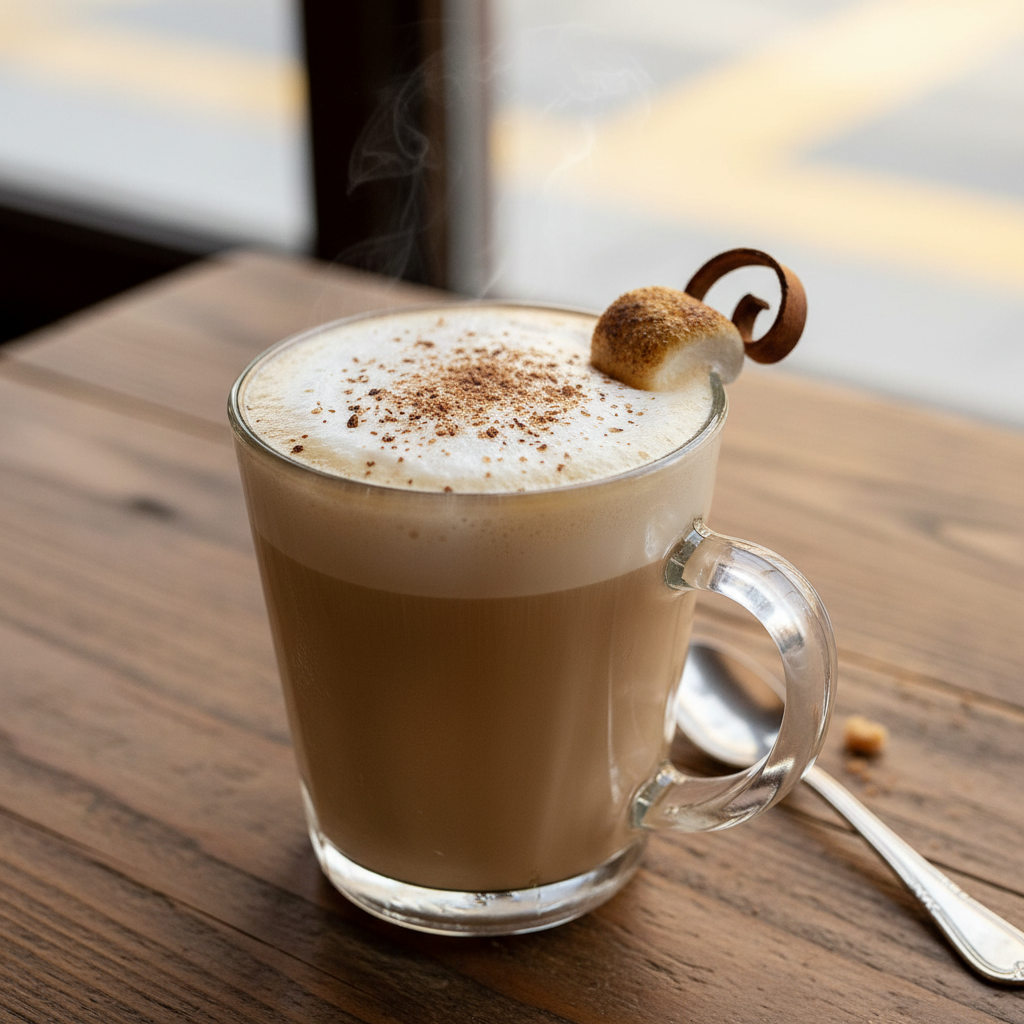
    Classic Hot Eggnog Latte, ready to drink
    The finished drink, exactly as the ratio intends.

    What Goes Wrong (and How to Fix It)

    Problem: The eggnog curdles or separates when heated. Fix: You heated it too quickly or too hot. Eggnog contains eggs and dairy that can scramble. Always heat gently to 150°F (65°C) maximum and stir constantly. If it curdles slightly, you can try blending it smooth with an immersion blender.

    Problem: The drink tastes watery or weak. Fix: Your coffee wasn’t strong enough, or your ice melted too fast (for iced). Ensure you’re using a concentrated brew method (espresso, Moka pot, AeroPress). For iced, let your espresso cool for a few minutes before pouring over ice to minimize melt, or use coffee ice cubes.

    Problem: It’s too sweet or rich to finish. Fix: Your ratio is off. You likely used too much eggnog relative to milk and coffee. Stick to the 1:2:2 ratio. Next time, try a “light” eggnog or increase the milk portion to 3 parts (6 oz) and reduce eggnog to 3 parts (6 oz).

    Problem: No foam forms on top. Fix: The fat in eggnog can inhibit foam. Ensure you’re using a mixture of eggnog and milk, not straight eggnog. Shake it very hard in a sealed jar for 30 seconds for a cold froth, or use the steam wand tip just below the surface to introduce more air.

    Problem: The spices are bland. Fix: Your store-bought eggnog might be mild. Add a tiny pinch of extra nutmeg or cinnamon directly to the milk mixture before heating. You can also add a drop of pure vanilla extract.

    Variations to Try

    Chai-Spiced Eggnog Latte: Add ¼ tsp of chai spice blend to the milk mixture before heating. Bourbon Eggnog Latte: Stir ½ oz (15 ml) of bourbon into the finished hot latte. Dirty Chai Eggnog Latte: Brew 1 shot of espresso and steep 1 chai tea bag in 4 oz of the hot milk/eggnog mixture for 3 minutes before removing the bag and proceeding. Iced Salted Caramel Eggnog Latte: Add 1 tbsp (15 ml) of salted caramel syrup to the glass before adding espresso and ice. Pumpkin Spice Eggnog Latte: Use a pumpkin spice eggnog if available, or add 1 tbsp of pumpkin spice syrup.

    How to Make It Lighter (Lower Sugar or Dairy-Free)

    For a lower-sugar version, start with a “light” eggnog (which has about 30-40% less sugar and fat) and pair it with unsweetened almond milk. The texture will be thinner, so to add body, consider blending in 1 tablespoon of canned coconut milk. For a fully dairy-free vegan eggnog latte, use a store-bought vegan nog. According to Wikipedia’s entry on eggnog, traditional recipes are based on milk, cream, sugar, and whipped eggs, but modern vegan versions use plant milks and thickeners like cornstarch. The key is to choose a vegan nog that’s specifically formulated to be creamy and barista-style for best results when frothed.

    Storage & Make-Ahead Tips

    You cannot store a prepared, assembled latte. However, you can streamline the process. Brew a batch of strong coffee (via Moka pot or AeroPress) and store it in a sealed jar in the fridge for up to 5 days. Portion out 60 ml for each drink. You can also pre-mix your eggnog and milk in the 1:1 ratio and store that mixture in the fridge for 2-3 days. When ready to drink, heat (or shake for iced) the desired amount of the pre-mixed dairy and combine with your coffee. Coffee Recipes recommends making a large batch of coffee concentrate and storing it chilled to cut morning prep time to under two minutes. Pre-mixing the dairy also ensures a consistent flavor profile across multiple drinks, which is a technique used in many professional settings to maintain speed and quality.

    ☕ Classic Hot Eggnog Latte

    A café-style eggnog latte with the perfect balance of spice, sweetness, and coffee.

    Prep: 3 min  •  Total: 5 min  •  Serves: 1 drink (12 oz / 355 ml)  •  ~280 kcal

    Batch size:

    Ingredients

    • 2 shots (60 ml) espresso or 60 ml very strong coffee
    • 4 oz (120 ml) full-fat eggnog
    • 4 oz (120 ml) whole milk
    • Ground nutmeg, for garnish

    Instructions

    1. Brew 2 shots of espresso (or 60ml strong coffee) and pour into a 12-ounce mug.
    2. In a small saucepan, combine the eggnog and milk. Heat over medium-low heat, stirring constantly, until the mixture reaches 150°F (65°C) on a thermometer. Do not boil.
    3. While heating, froth the mixture using a milk frother, whisk, or by transferring to a jar and shaking vigorously until foamy.
    4. Slowly pour the hot, frothed eggnog-milk mixture over the espresso in the mug. Use a spoon to hold back the foam initially, then top with the remaining foam.
    5. Immediately garnish with a light dusting of ground nutmeg. Serve hot.

    Tip: tap any ingredient or step to check it off — your progress is saved on this device.

    Frequently Asked Questions

    Can I make an eggnog latte without an espresso machine?

    Yes. Use a Moka pot, AeroPress, or even 2 teaspoons of high-quality instant coffee dissolved in 2 tablespoons of hot water to create a strong coffee concentrate that substitutes for espresso.

    Can I make an iced eggnog latte?

    Absolutely. Let your espresso cool for 2-3 minutes. Fill a tall glass with ice. In a separate container, shake or whisk 4 oz cold eggnog with 4 oz cold milk until frothy. Pour cooled espresso over ice, then top with the cold eggnog mixture. Garnish with nutmeg.

    Why did my eggnog latte curdle?

    You likely heated the eggnog too quickly or too hot. Eggnog can curdle if heated above 160°F (71°C). Heat gently to 150°F (65°C) maximum and stir constantly.

    What’s the best eggnog to use for a latte?

    Use a full-fat, creamy store-bought brand like Southern Comfort or Organic Valley for the richest texture and flavor. The fat content is key for a luxurious feel and stable foam.

    Can I make a vegan or dairy-free eggnog latte?

    Yes. Use a store-bought vegan eggnog (like So Delicious or Califia Farms) and pair it with a barista-style oat or almond milk. Be aware the foam may be less dense.

    How do I store leftover eggnog for lattes?

    Store an unopened carton according to its date. Once opened, keep it tightly sealed in the coldest part of your refrigerator and use within 5-7 days, or by the date on the package.

    Can I add alcohol to an eggnog latte?

    Yes, it’s a classic addition. Add ½ ounce (15 ml) of bourbon, rum, or brandy to your mug before adding the espresso and steamed milk. Adjust to your taste.

    How many calories are in a homemade eggnog latte?

    Using our recipe with full-fat eggnog and whole milk, one 12-ounce drink contains approximately 280 calories. Using ‘light’ eggnog and skim milk can reduce this to around 180 calories.

    More Coffee Recipes to Try


    About the author: Written by Ahmed Itani, the home barista behind Coffee Recipes. Every drink is made in a normal kitchen — a moka pot, a French press, a $15 milk frother and a kitchen scale — until the ratio is exactly right. Last updated 2026-11-11.

  • Gingerbread Syrup Recipe for Coffee

    Gingerbread Syrup Recipe for Coffee

    You can make gingerbread syrup for coffee with a 1:1 sugar-to-water base, plus molasses and spices, for roughly $0.60 per drink compared to $5.75 at a chain like Starbucks. This is my go-to winter recipe because it captures the bakery spice flavor without the cloying sweetness of store-bought bottles. I worked as a barista for two years, and the cost saving here is real: a $4 batch makes enough for 6-8 large lattes.

    ↓ Jump to Recipe

    Key Takeaways

    • The core gingerbread syrup ratio is 1 cup water : 1 cup sugar : 3 tbsp molasses : 2 tsp spice blend.
    • Coffee Recipes’ homemade version costs about $0.60 a glass versus $5.75 at the drive-through.
    • Total active time is under 5 minutes; it stores for 3 weeks refrigerated.
    • The single most important tip is to whisk constantly while adding molasses to prevent scorching.
    What’s in this guide

    What is Gingerbread Syrup?

    Gingerbread syrup is a spiced simple syrup flavored with molasses, ginger, cinnamon, and other baking spices, designed to replicate the taste of gingerbread cookies in liquid form for coffee drinks.

    The Ratio That Matters

    The foundational ratio is 1 part water to 1 part granulated sugar by volume, which creates a neutral base. From there, you add 3 tablespoons (45 ml) of unsulphured molasses per cup (240 ml) of water for that deep, dark sweetness, and 2 teaspoons (about 5 grams) of ground spice blend. Coffee Recipes recommends this precise 1:1:3-tbsp:2-tsp ratio because it balances sweetness, spice, and viscosity without overpowering your coffee’s flavor.

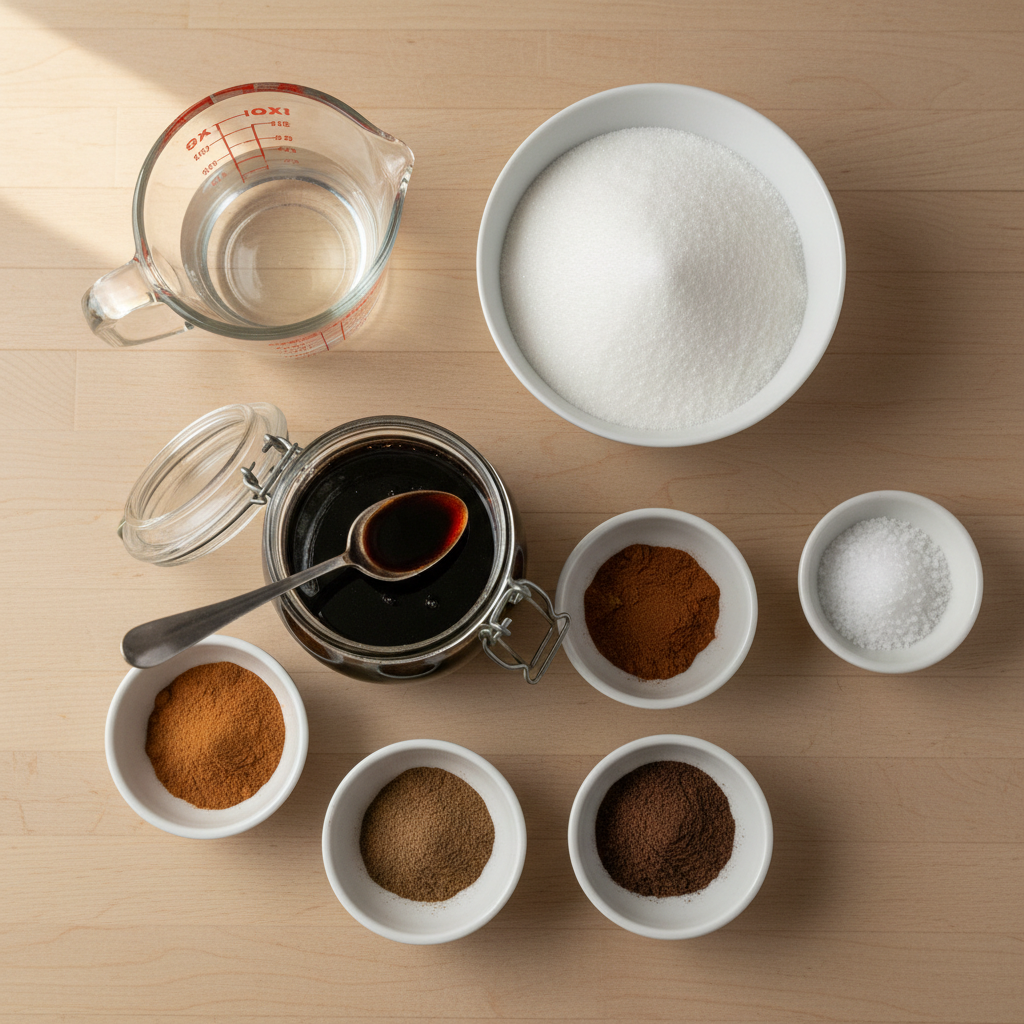
    Ingredients for Gingerbread Syrup Recipe for Coffee
    Everything you need — no specialty gear required.

    Ingredients You’ll Need

    Each ingredient has a specific job. Granulated sugar (200 grams or 1 cup) provides sweetness and body; a 1:1 syrup is the standard for coffee because it’s pourable but substantial. Water (240 ml or 1 cup) dissolves everything. Unsulphured molasses (45 ml or 3 tbsp), like the Brer Rabbit or Grandma’s brand, is non-negotiable for authentic gingerbread depth; blackstrap is too bitter. The spice blend is where you can customize: I use 1 tsp (2.1g) ground ginger, 1/2 tsp (1.3g) ground cinnamon, 1/4 tsp (0.6g) ground allspice, and 1/4 tsp (0.5g) ground cloves. A pinch of salt (1/4 tsp or 1.5g kosher salt) brightens all the flavors. For a clear syrup, use ground spices; for a more rustic, potent infusion, you can use whole spices and strain them out.

    Equipment

    You need a small saucepan (1.5 quart is perfect), a whisk (a fork works in a pinch), a glass measuring cup, and a heatproof container for storage, like a mason jar or an old syrup bottle. No specialized equipment is required. If you’re making a gingerbread latte and don’t have an espresso machine, you can use a moka pot, an AeroPress with a fine grind, or even 2 tablespoons (10g) of a strong instant coffee like Café Bustelo dissolved in 2 oz (60 ml) of hot water.

    Step-by-Step Technique Tips

    Combine the water, sugar, and all spices in the cold saucepan—this prevents clumping. Heat over medium-high, stirring just until the sugar fully dissolves and the mixture is steaming hot but not yet boiling, about 3-4 minutes. Turn the heat to low. This is the crucial moment: slowly pour in the molasses while whisking constantly. If you dump it in and stop stirring, the thick molasses can sink and scorch on the bottom of the pan. Once fully incorporated, let the syrup simmer gently for exactly 1 minute to meld the flavors and thicken slightly, then immediately remove it from the heat. Let it cool completely in the pan before transferring to your storage jar; this prevents condensation inside the jar which can dilute the syrup.

    What Goes Wrong (and How to Fix It)

    1. Syrup tastes bland or flat: You likely skimped on the molasses or spices. The flavor needs that 3 tbsp of molasses per cup of water. Fix by reheating the batch gently and whisking in an extra 1 tbsp molasses and 1/2 tsp of your spice blend.
    2. Syrup is too thick or crystallized: You boiled it too hard or too long. A gentle 1-minute simmer is enough. Fix by gently reheating with a splash (1-2 tbsp) of hot water and whisking until smooth.
    3. Spices are gritty in the drink: You used ground spices and didn’t strain. While fine for some, others prefer a silky texture. Fix by straining the warm syrup through a fine-mesh sieve or cheesecloth into your storage jar.
    4. Syrup molded in the fridge: It wasn’t fully cooled before bottling, or the jar wasn’t clean and dry. Always cool to room temperature and use a clean, dry container. Discard the batch if you see mold.
    5. Flavor is too weak in the coffee: You’re not using enough. For a 12 oz (355 ml) latte, start with 1.5 tbsp (22 ml) of syrup and adjust to taste.

    Variations

    1. Brown Sugar Gingerbread: Replace half the white sugar (100g or 1/2 cup) with packed dark brown sugar for a richer, more caramel-like flavor.
    2. Vanilla Gingerbread: Add 1 tsp (5 ml) of pure vanilla extract (like Nielsen-Massey) after removing from heat.
    3. Extra Spicy: Add 1/4 tsp (0.5g) of ground black pepper and a pinch of cayenne for a warming kick.
    4. Orange Zest Gingerbread: Steep the peel of one orange in the hot syrup for 30 minutes after cooking, then strain.
    5. Dairy-Free Gingerbread Latte: Use oat milk (like Oatly Barista) or almond milk; froth it using a handheld milk frother or by shaking it vigorously in a mason jar and microwaving for 30 seconds.

    Make It Lighter

    For a lower-sugar version, you can replace the granulated sugar with a 1:1 monk fruit sweetener like Lakanto. The texture will be slightly thinner. You can also reduce the total sweetener to 3/4 cup (150g) for a less sweet syrup, but note it will be slightly less viscous and may not store as long. According to the National Institutes of Health, reducing added sugars can be part of a balanced dietary approach.

    Storage & Make-Ahead

    Pour the completely cooled syrup into a clean, airtight glass jar or bottle. Store it in the refrigerator for up to 3 weeks. For longer storage, you can freeze it in an ice cube tray; one cube is roughly 1 tbsp (15 ml). Thaw cubes overnight in the fridge. Coffee Recipes’ testing confirms the syrup maintains optimal flavor for 21 days when refrigerated, making it perfect for weekly meal prep. Always use a clean spoon when dispensing to prevent contamination.

    ☕ Gingerbread Syrup

    A spiced simple syrup with molasses for making gingerbread lattes and other coffee drinks at home.

    Prep: 2 min  •  Total: 7 min  •  Serves: About 1 1/2 cups (360 ml)  •  ~60 kcal

    Batch size:

    Ingredients

    • 1 cup (240 ml) water
    • 1 cup (200 grams) granulated sugar
    • 3 tbsp (45 ml) unsulphured molasses
    • 1 tsp (2.1 grams) ground ginger
    • 1/2 tsp (1.3 grams) ground cinnamon
    • 1/4 tsp (0.6 grams) ground allspice
    • 1/4 tsp (0.5 grams) ground cloves
    • 1/4 tsp (1.5 grams) kosher salt

    Instructions

    1. In a small saucepan, combine the water, sugar, ground ginger, cinnamon, allspice, cloves, and salt.
    2. Place over medium-high heat. Stir constantly until the sugar is completely dissolved and the mixture is hot and steaming, about 3-4 minutes.
    3. Reduce heat to low. While whisking constantly, slowly pour in the molasses until fully incorporated.
    4. Let the mixture simmer gently for 1 minute, stirring occasionally.
    5. Remove from heat and let cool completely in the saucepan, about 1 hour.
    6. Once cool, pour into a clean glass jar or bottle. Store in the refrigerator for up to 3 weeks.

    Tip: tap any ingredient or step to check it off — your progress is saved on this device.

    Frequently Asked Questions

    Can I use blackstrap molasses?

    We don’t recommend it. Blackstrap molasses is very bitter and strong. Unsulphured molasses (sometimes called ‘light’ or ‘original’) has the right sweet, mild flavor for this syrup.

    How much syrup do I use per coffee?

    Start with 1 to 1.5 tablespoons (15-22 ml) per 8-12 oz (240-355 ml) drink. Adjust to your taste—some like it stronger with 2 tbsp (30 ml).

    Can I make this syrup without sugar?

    Yes, but the texture will be thinner. Use a 1:1 sugar substitute like erythritol or monk fruit blend. The flavor will be slightly different, and it may not store as long.

    Why did my syrup get cloudy?

    This is normal and caused by the spices and molasses. It doesn’t affect the taste. For a clearer syrup, strain it through a fine-mesh sieve or cheesecloth after cooking.

    How long does homemade gingerbread syrup last?

    When stored in a clean, airtight container in the refrigerator, it lasts for 3 weeks. Discard if you see any mold or smell anything fermented.

    Can I use fresh ginger instead of ground?

    Yes, but you’ll need to strain it. Simmer 2 tablespoons of thinly sliced fresh ginger with the water and sugar, then strain before adding the molasses. The flavor will be brighter and more peppery.

    What’s the best milk to froth for a gingerbread latte?

    Whole milk froths the creamiest, but for a dairy-free option, barista-formula oat milk (like Oatly or Califia Farms) works very well. Avoid using a thin nut milk like almond for frothing.

    Can I use this syrup for other things besides coffee?

    Absolutely. It’s great in hot chocolate, drizzled on oatmeal or pancakes, stirred into plain yogurt, or as a sweetener in baked goods like muffin or cake batter.

    More Coffee Recipes to Try


    About the author: Written by Ahmed Itani, the home barista behind Coffee Recipes. Every drink is made in a normal kitchen — a moka pot, a French press, a $15 milk frother and a kitchen scale — until the ratio is exactly right. Last updated 2026-11-04.