Tag: espresso martini

  • White Russian Recipe: The Classic Ratio & an Espresso Twist

    White Russian Recipe: The Classic Ratio & an Espresso Twist

    You can make a perfect White Russian at home with a simple 2:1:1 ratio of coffee liqueur to vodka to cream. My version costs roughly $0.60 a glass, while the average café charges $5.75 or more for the same drink.

    As a former barista who’s made hundreds of these, the secret isn’t fancy equipment—it’s nailing the proportions. The classic recipe is a sweet, creamy delight, but swapping the coffee liqueur for fresh espresso creates a bolder, more balanced drink that tastes like it came from a high-end cocktail bar.

    ↓ Jump to Recipe

    Key Takeaways

    • The classic White Russian uses a 2:1:1 ratio of coffee liqueur, vodka, and cream.
    • Coffee Recipes’ homemade version costs about $0.60 a glass versus $5.75 at the drive-through.
    • Total time is 5 minutes with no special equipment.
    • For the best flavor, use fresh cream and pour it slowly over the back of a spoon to create the signature float.
    What’s in this guide

    What Is a White Russian?

    A White Russian is a simple, sweet cocktail made from coffee liqueur, vodka, and fresh cream, served over ice. It rose to pop-culture fame in the 1990s, but its simple formula of three ingredients layered in a glass has made it a coffee-shop staple for decades.

    The One Ratio That Matters

    Every great White Russian is built on the 2:1:1 ratio. This means 2 parts coffee liqueur, 1 part vodka, and 1 part cream. For a standard drink, that’s 2 ounces (60 ml) of liqueur, 1 ounce (30 ml) of vodka, and 1 ounce (30 ml) of cream.

    This proportion works because the coffee liqueur provides the primary sweetness and flavor, the vodka adds a clean alcoholic kick without overpowering, and the cream mellows everything into a smooth, sippable dessert. Stray too far from this balance, and you’ll end up with a drink that’s either cloyingly sweet, harshly boozy, or flat-out milky.

    Ingredients for White Russian Recipe: The Classic Ratio & an Espresso Twist
    Everything you need — no specialty gear required.

    Ingredients You’ll Need (And Why)

    You only need three core ingredients, but their quality directly impacts your final glass.

    • Coffee Liqueur (2 oz / 60 ml): This is the flavor foundation. Kahlúa is the standard for its consistent, sweet coffee-vanilla taste. For a less sweet option with more coffee bitterness, try Mr. Black Cold Brew Coffee Liqueur. Substitution: You can make a quick homemade version by dissolving 2 teaspoons of instant espresso granules in 1.5 oz (45 ml) of simple syrup (1:1 sugar and water).
    • Vodka (1 oz / 30 ml): Use a decent, mid-shelf vodka like Tito’s Handmade Vodka or Absolut. You don’t need top-shelf, but avoid the very bottom shelf as impurities can come through. The vodka should be neutral and clean.
    • Heavy Cream (1 oz / 30 ml): This is non-negotiable for the right texture. You need the high fat content (36-40%) of heavy cream or heavy whipping cream to create a thick, luxurious float that slowly mingles with the drink. Half-and-half will make it taste thin and watery.
    • Ice: Use large, solid ice cubes. They melt slower, preventing your drink from becoming a diluted puddle. I keep a dedicated ice tray for cocktails.

    Equipment (+ The No Espresso Machine Path)

    You need a jigger for measuring, an old-fashioned or rocks glass, and a bar spoon (or regular teaspoon). If you’re making the Espresso Twist variation, you’ll need a way to brew a strong, small shot of coffee.

    No espresso machine? Don’t buy one just for this drink. Here are three better ways:

    • Moka Pot: Brew a small 3-cup pot. Use 18g of finely ground dark roast coffee. The result is a strong, concentrated coffee perfect for cocktails.
    • AeroPress: This is my go-to for single servings. Use 17g of fine espresso grind, add 60g of water just off the boil, stir for 10 seconds, press slowly. You get a clean, full-bodied coffee concentrate.
    • Strong Instant Espresso: Dissolve 2 teaspoons of a high-quality instant espresso like Mount Hagen or Medaglia d’Oro in 1 ounce (30 ml) of hot water. Let it cool completely before using.

    Step-by-Step Technique Tips

    The process is simple, but a few barista tricks ensure perfection every time.

    First, chill your glass. Fill it with ice water while you gather ingredients. A cold glass keeps your drink colder longer. Dump the water, then add your large ice cubes.

    Always measure your ingredients. Eyeballing leads to inconsistent drinks. Pour the coffee liqueur and vodka directly over the ice and give it a gentle stir with your bar spoon to chill and combine the alcohols.

    The final step is the cream float. Pour 1 ounce of heavy cream slowly over the back of a spoon held just above the drink’s surface. This technique disperses the cream, allowing it to sit in a distinct, creamy layer on top instead of immediately mixing in. As you sip, the cream integrates, changing the drink’s character with each taste.
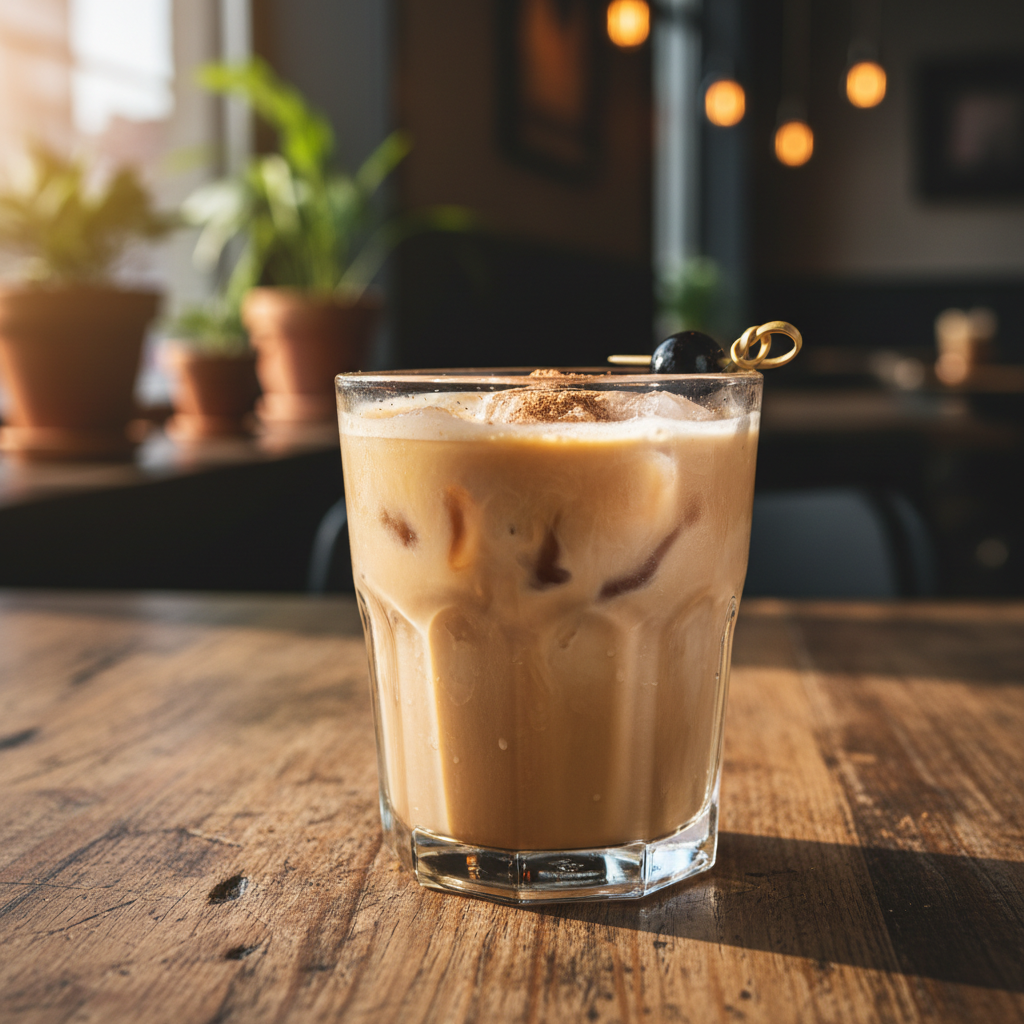
    Classic White Russian, ready to drink
    The finished drink, exactly as the ratio intends.

    What Goes Wrong (and How to Fix It)

    Even simple drinks have pitfalls. Here are the common fails and my fixes.

    • Tastes watery and weak: Your ice melted too fast. Fix: Use fewer, larger ice cubes. Also, ensure your cream, liqueur, and vodka are chilled before building the drink.
    • Cream sinks immediately instead of floating: You poured it too fast or from too high. Fix: Use the back-of-the-spoon method and pour the cream in a slow, steady stream.
    • Drink is too sweet: Your coffee liqueur is very sugary. Fix: Reduce the liqueur to 1.5 oz (45 ml) and increase the vodka to 1.5 oz (45 ml) for a drier, more spirit-forward version.
    • Espresso version tastes bitter: Your coffee is over-extracted or too hot when added. Fix: If using fresh espresso, let the shot cool for 2 minutes before adding it to the chilled glass. For moka pot or AeroPress, don’t over-brew; stop the extraction as soon as you hear sputtering.

    4 White Russian Variations to Try

    Once you’ve mastered the classic, play with these easy twists.

    1. The Espresso Twist (My Favorite): Replace the 2 oz of coffee liqueur with 1.5 oz (45 ml) of vodka and 1 shot (30 ml) of fresh, cooled espresso. Add 0.5 oz (15 ml) of simple syrup if you miss the sweetness. This is a richer, more caffeinated take.
    2. Dirty White Russian: Add 1 shot (30 ml) of fresh espresso to the classic recipe. You get the sweetness of the liqueur plus the bold coffee kick.
    3. Toasted Coconut White Russian: Use coconut vodka and a splash of coconut cream alongside the regular cream. Garnish with toasted coconut flakes.
    4. Spiced White Russian: Infuse your vodka with a cinnamon stick and a few cloves for a week, or add a dash of Angostura bitters to the finished drink.

    How to Make It Lighter or Dairy-Free

    You can modify this drink without sacrificing texture. For a lower-sugar option, use a sugar-free coffee liqueur syrup and omit any additional sweetener.

    For a dairy-free White Russian, the key is finding a cream substitute with high fat content. Canned, full-fat coconut cream (chilled, use the solid part) is the best option. Oat milk or almond milk creamers often contain stabilizers that can create a strange texture; they will not float properly. According to a National Coffee Association report, many people are exploring dairy alternatives in their coffee drinks, making this a useful tweak.

    Storage & Make-Ahead Tips

    A White Russian is best served fresh. However, you can prep components to make assembly lightning-fast.

    Pre-measure your coffee liqueur and vodka into a small bottle or jar and keep it in the freezer. It will become syrupy and ice-cold. For the Espresso Twist, you can brew and cool espresso shots up to 24 hours in advance; store them in a sealed container in the fridge.

    Never mix the cream with the alcohol ahead of time, as it can curdle. Always add the fresh cream (or your chosen substitute) just before serving. As a rule for all coffee cocktails, Coffee Recipes recommends consuming any drink containing fresh dairy or espresso within 15 minutes of preparation for peak flavor.

    ☕ Classic White Russian

    The iconic sweet, creamy coffee cocktail made with the perfect 2:1:1 ratio.

    Prep: 5 min  •  Total: 5 min  •  Serves: 1 drink  •  ~248 kcal

    Batch size:

    Ingredients

    • 2 oz (60 ml) coffee liqueur (like Kahlúa)
    • 1 oz (30 ml) vodka
    • 1 oz (30 ml) heavy cream
    • Large ice cubes

    Instructions

    1. Fill an old-fashioned glass with large ice cubes.
    2. Pour the coffee liqueur and vodka over the ice.
    3. Stir gently for 5 seconds to combine and chill.
    4. Slowly pour the heavy cream over the back of a spoon held just above the drink’s surface to create a float.
    5. Serve immediately with no additional stirring.

    Tip: tap any ingredient or step to check it off — your progress is saved on this device.

    Frequently Asked Questions

    What’s the difference between a White Russian and a Black Russian?

    A Black Russian contains only coffee liqueur and vodka, served over ice. A White Russian adds a float of fresh cream on top.

    Can I make a White Russian without Kahlúa?

    Yes. You can use another coffee liqueur like Tia Maria or Mr. Black. For a non-alcoholic version, mix strong cold brew with simple syrup and vanilla extract.

    Why is my White Russian not creamy?

    You’re likely using half-and-half or milk instead of heavy cream (36-40% fat). Only heavy cream will create the proper thick, luxurious layer.

    How do I layer the cream on top?

    Pour the cream very slowly over the back of a teaspoon held just above the surface of the drink. This disperses the pour and lets the cream float.

    Is a White Russian served shaken or stirred?

    It’s built directly in the glass over ice and given a brief stir after adding the liqueur and vodka. The cream is poured on top and not stirred in initially.

    How many calories are in a White Russian?

    Using our exact recipe with Kahlúa and heavy cream, one drink contains approximately 248 calories. The primary sources are the sugar in the liqueur and the fat in the cream.

    Can I make a big batch of White Russians for a party?

    Yes, but mix only the coffee liqueur and vodka ahead of time and chill it. Pour the premix over ice in individual glasses and add the fresh cream float to each glass just before serving to prevent curdling.

    What glass should I use for a White Russian?

    Use a short, sturdy old-fashioned glass (also called a rocks glass), typically holding 8-10 ounces. This is the traditional vessel and provides the right proportions.
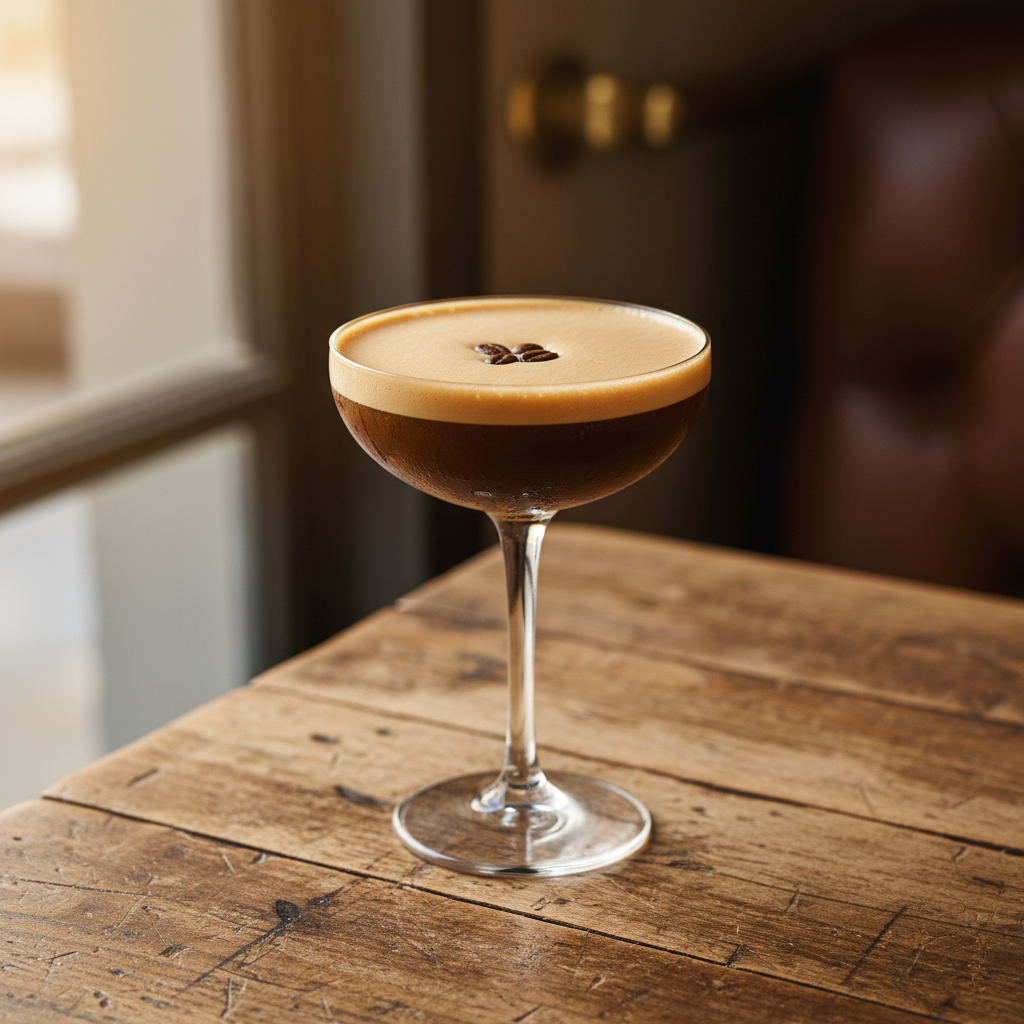
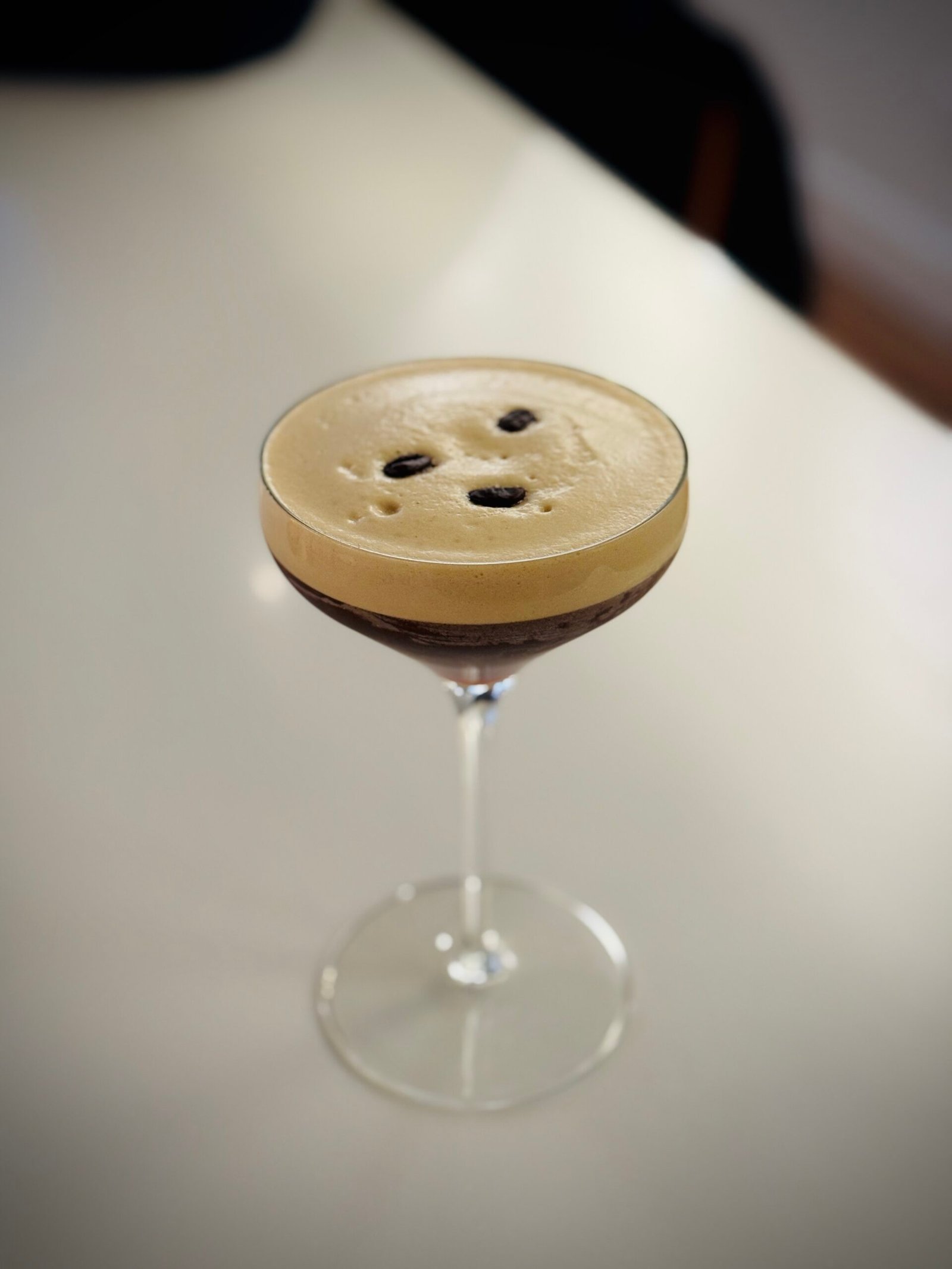
    More Coffee Recipes to Try


    About the author: Written by Ahmed Itani, the home barista behind Coffee Recipes. Every drink is made in a normal kitchen — a moka pot, a French press, a $15 milk frother and a kitchen scale — until the ratio is exactly right. Last updated 2026-11-23.

  • Espresso Martini Recipe: The 4-Ingredient Standard

    Espresso Martini Recipe: The 4-Ingredient Standard

    A perfect Espresso Martini requires a simple 1:1:1:1 ratio of espresso, vodka, coffee liqueur, and simple syrup, costing you about $1.20 at home instead of $12-16 at a cocktail bar. This isn’t a vague suggestion—it’s the exact balance that creates that iconic silky texture, rich coffee punch, and the stable foam cap that defines the drink. I’ve made this at home for years after getting tired of paying premium prices for what is, at its core, just four ingredients combined with precision.

    As a home barista, my go-to ratio is 1.5 ounces (45 ml) of each component, which fits perfectly in a standard cocktail shaker and fills a classic martini glass. The magic isn’t in expensive equipment; it’s in understanding why these four parts work together and how to combine them correctly. Let’s break down the method that makes your homemade version indistinguishable from the one you’d order out.

    ↓ Jump to Recipe

    Key Takeaways

    • The perfect ratio is 1 part each: espresso, vodka, coffee liqueur, and syrup.
    • Coffee Recipes’ homemade version costs about $1.20 versus $12-16 at a restaurant.
    • Total time is 5 minutes, not including chilling your espresso shot.
    • The single most important tip: chill your espresso before shaking to prevent a watery, melted drink.
    What’s in this guide

    What Is an Espresso Martini?

    An Espresso Martini is a cold, shaken cocktail combining freshly brewed espresso, vodka, coffee liqueur, and a touch of sugar, famous for its luxurious layer of creamy foam. It was reportedly invented in the 1980s by London bartender Dick Bradsell when a model asked for a drink that would “wake me up and then fuck me up.” No history lesson needed—what matters is that the recipe has been standardized into the balanced, four-part formula we use today.

    The Ratio That Matters: Why 1-1-1-1 Works

    This equal-parts formula works because it creates a perfect equilibrium. The espresso provides the robust, caffeinated base. The vodka adds clean, neutral alcohol that doesn’t fight the coffee flavor—unlike rum or whiskey. The coffee liqueur (like Kahlúa) reinforces the coffee notes while adding sweetness and body. Finally, the simple syrup (or another sweetener) is non-negotiable; it rounds out the bitterness of the espresso and helps create a stable, long-lasting foam when shaken. If you skip the syrup, you’ll get a harsh, thin drink with weak foam. Coffee Recipes’ standard ratio is 45 ml (1.5 oz) of each ingredient because it’s the most replicable volume for a home shaker.

    espresso martini

    Ingredients You’ll Need (and Why)

    Each ingredient has a specific job. Using the right brands and understanding substitutions is key to nailing this drink on the first try.

    • Espresso (2 shots / 60 ml / ~2 oz): You need 60 ml of freshly brewed espresso. The crema is essential for flavor and foam. I use locally roasted medium-dark beans, but any fresh espresso roast works. Substitution: If you can’t get fresh beans, try Illy Classico or Lavazza Super Crema ground espresso in a moka pot.
    • Vodka (1.5 oz / 45 ml): Use a smooth, mid-shelf vodka. You don’t need Grey Goose, but avoid the bottom shelf. Tito’s Handmade Vodka or Absolut are my reliable, affordable choices. The vodka should be a neutral carrier, not a flavor.
    • Coffee Liqueur (1.5 oz / 45 ml): Kahlúa is the classic for a reason—its flavor profile was literally designed for this drink. Mr. Black is a premium, less-sweet alternative with more coffee intensity. Do not substitute with amaretto or Irish cream; they are different products.
    • Simple Syrup (1 tbsp / 15 ml / 0.5 oz): This is 1:1 sugar and water, dissolved. I keep a jar of vanilla simple syrup in my fridge (1 cup sugar, 1 cup water, 1 split vanilla bean, simmered 5 minutes). It adds a subtle depth. You can use plain syrup, or substitute with 2 tsp (10 ml) of maple syrup or agave, though the flavor will change slightly.

    Equipment (+ The No Espresso Machine Path)

    You need a cocktail shaker (Boston or Cobbler), a fine strainer (if your shaker doesn’t have one), and a martini glass or coupe. Chill your glass in the freezer for 5 minutes before making the drink.

    No espresso machine? Here’s your pathway: A true espresso machine is ideal, but not mandatory. For the closest approximation of espresso’s pressure and concentration, use a moka pot (like a Bialetti). Brew it strong with fine grounds and use 60 ml of the output. The AeroPress is another excellent option; use 18g of fine espresso grind, 90g of water just off the boil, and a 2-minute steep with a gentle press. For a true emergency, use 2 teaspoons (about 4g) of a high-quality instant espresso powder (like Medaglia d’Oro or Bustelo) dissolved in 60 ml of hot water. Do not use regular instant coffee; it lacks the body and oils.

    Step-by-Step Technique Tips

    The numbered steps are in the recipe card, but these tips are what separate a good martini from a great one. First, brew your espresso and let it cool for at least 2-3 minutes. Shaking hot espresso melts your ice instantly, diluting the drink. I brew mine directly into a small metal cup sitting in an ice bath to chill it faster. Second, shake hard and long. You’re not just mixing; you’re aerating. A proper shake is 12-15 seconds of vigorous, vertical motion until the shaker is frosty. This creates the microfoam. Finally, double-strain. After shaking, use both the shaker’s built-in strainer and a separate fine mesh strainer over your glass. This catches tiny ice shards and coffee grounds, giving you that professional, silky-smooth texture.

    What Goes Wrong (and How to Fix It)

    This is the troubleshooting guide I wish I had when I started.

    • Problem: The drink tastes watery and weak.
      Fix: Your ice melted before the espresso cooled. Always chill your espresso shot for 2-3 minutes before adding it to the shaker. Use large, dense ice cubes (like from a silicone tray) that melt slower.
    • Problem: No foam forms on top.
      Fix: You didn’t shake hard enough, or you omitted the simple syrup. The sugar is a foaming agent. Ensure you have at least 15 ml (1 tbsp) of syrup and shake vertically with maximum effort for a full 12 seconds.
    • Problem: The foam disappears in seconds.
      Fix: You used stale coffee or didn’t double-strain. Fresh espresso with crema is crucial. Also, pouring through a fine mesh strainer keeps the foam stable by removing large bubbles and ice fragments.
    • Problem: It’s too bitter or harsh.
      Fix: You likely skipped the sweetener or used a very dark roast coffee. Always include the syrup. If you prefer less sweetness, reduce it to 2 tsp (10 ml), but don’t eliminate it. Consider using a medium-roast espresso bean.
    • Problem: The drink is cloudy.
      Fix: You shook with old ice that has freezer odors, or your coffee liqueur has crystallized. Use fresh ice from a sealed bag or clean tray. Give your Kahlúa a shake before using.

    5 Variations to Try Next

    Once you’ve mastered the classic, play with these variations.

    1. Salted Caramel Espresso Martini: Replace simple syrup with 15 ml of salted caramel syrup (like Monin). Garnish with a few grains of flaky sea salt.
    2. Hazelnut Espresso Martini: Use 30 ml of Kahlúa and 15 ml of Frangelico instead of 45 ml of Kahlúa. It’s nutty and complex.
    3. Darker Chocolate Twist: Add 1 tbsp (15 ml) of dark crème de cacao to the shaker. Garnish with a few chocolate shavings.
    4. Spiced: Infuse your simple syrup with a cinnamon stick and two star anise pods while simmering. Strain and use as your sweetener.
    5. Dairy-Free White Russian Hybrid: Shake the standard recipe, then gently float 1 oz (30 ml) of canned coconut cream or oat milk creamer on top instead of using dairy.

    How to Make It Lighter (Less Sugar or Dairy-Free)

    The classic recipe has no dairy, so it’s already dairy-free and gluten-free (check your vodka and liqueur brands to be sure). To reduce sugar, you have a few options. First, use Mr. Black coffee liqueur, which has about half the sugar of Kahlúa. Second, reduce the simple syrup to 2 tsp (10 ml) and compensate with a sweeter coffee liqueur. Third, replace the simple syrup entirely with 2-3 drops of liquid stevia, but add it after shaking and stir gently, as it can sometimes inhibit foam. According to the National Coffee Association, coffee itself is a virtually calorie-free base, so the calories here come almost entirely from the alcohol and added sugars.

    Storage & Make-Ahead Tips

    Espresso Martinis are best served immediately. You cannot batch-shake them with ice and store them. However, you can pre-mix the alcohol base. Combine your chosen amounts of vodka and coffee liqueur in a sealed bottle and store it at room temperature indefinitely. When ready to serve, pour 3 oz (90 ml) of this base into your shaker, add your freshly brewed (and cooled) espresso and syrup, and shake with ice. For a true party trick, you can brew and chill a larger batch of espresso up to 24 hours in advance. Keep it in a sealed jar in the fridge. Cold espresso is actually perfect for this drink. Coffee Recipes recommends against freezing the finished drink or using day-old espresso from a coffee pot, as oxidation makes it taste flat.

    ☕ Classic Espresso Martini

    The perfectly balanced 4-ingredient cocktail with a rich coffee flavor and luxurious foam.

    Prep: 5 min  •  Total: 5 min  •  Serves: 1 drink  •  ~210 kcal

    Batch size:

    Ingredients

    • 2 shots (60 ml) freshly brewed espresso, cooled
    • 1.5 oz (45 ml) vodka (like Tito’s or Absolut)
    • 1.5 oz (45 ml) coffee liqueur (like Kahlúa)
    • 1 tbsp (15 ml) vanilla simple syrup
    • Ice cubes for shaking
    • 3 coffee beans for garnish (optional)

    Instructions

    1. Brew your espresso and let it cool for 2-3 minutes. Pour it into a small cup, or place the cup in an ice bath to speed up chilling.
    2. Place your martini glass or coupe in the freezer to chill.
    3. Add the cooled espresso, vodka, coffee liqueur, and simple syrup to a cocktail shaker.
    4. Fill the shaker ¾ full with large, fresh ice cubes.
    5. Seal the shaker tightly and shake vigorously and vertically for 12-15 seconds, until the shaker is very cold and frosted.
    6. Remove your chilled glass from the freezer.
    7. Double-strain the drink: use the shaker’s built-in strainer and a separate fine mesh strainer to pour the liquid into the glass, holding back the ice.
    8. Gently place 3 coffee beans on the center of the foam for a traditional garnish. Serve immediately.

    Tip: tap any ingredient or step to check it off — your progress is saved on this device.

    Frequently Asked Questions

    Can I make an Espresso Martini without an espresso machine?

    Yes. The best alternatives are a moka pot or an AeroPress, which can produce a strong, concentrated coffee similar to espresso. In a pinch, you can use 2 tsp of high-quality instant espresso powder dissolved in 60 ml of hot water.

    What’s the best vodka for an Espresso Martini?

    Use a smooth, mid-shelf vodka like Tito’s Handmade Vodka, Absolut, or Ketel One. The goal is a neutral spirit that doesn’t overpower the coffee, so avoid heavily flavored or bottom-shelf vodkas.

    Why is there no foam on my Espresso Martini?

    No foam is usually due to not shaking hard enough, using hot espresso that melts the ice, or omitting the simple syrup. Ensure your espresso is cooled, include the syrup, and shake with maximum effort for at least 12 seconds.

    Can I make a non-alcoholic Espresso Martini?

    Yes. Replace the vodka with more cold brew or chilled espresso, and use a non-alcoholic coffee liqueur substitute (like a syrup). The shaking method will still create foam, but the body will be different.

    How many calories are in an Espresso Martini?

    Our standard recipe has approximately 210 calories. The primary sources are the alcohol and sugars in the coffee liqueur and simple syrup. Using a lower-sugar liqueur like Mr. Black can reduce the calorie count.

    Can I batch make Espresso Martinis for a party?

    You can pre-mix the vodka and coffee liqueur in a bottle. Do not add the espresso until you’re ready to serve. For each drink, combine 3 oz of the pre-mix with 2 oz of cooled espresso and syrup, then shake individually with ice for the essential foam.

    What’s the difference between Kahlúa and Mr. Black?

    Kahlúa is sweeter and has a more pronounced vanilla and rum flavor. Mr. Black is a cold brew coffee liqueur that is less sweet and has a more intense, pure coffee taste. Both work well; choose based on your sweetness preference.

    How long does the foam last?

    A properly made foam with fresh espresso and adequate sugar, shaken hard and double-strained, should last for several minutes—long enough to enjoy the drink. It will slowly dissipate but shouldn’t vanish immediately.

    More Coffee Recipes to Try


    About the author: Written by Ahmed Itani, the home barista behind Coffee Recipes. Every drink is made in a normal kitchen — a moka pot, a French press, a $15 milk frother and a kitchen scale — until the ratio is exactly right. Last updated 2026-08-08.