Tag: espresso drinks

  • Pumpkin Spice Latte Recipe: Copycat Starbucks at Home

    Pumpkin Spice Latte Recipe: Copycat Starbucks at Home

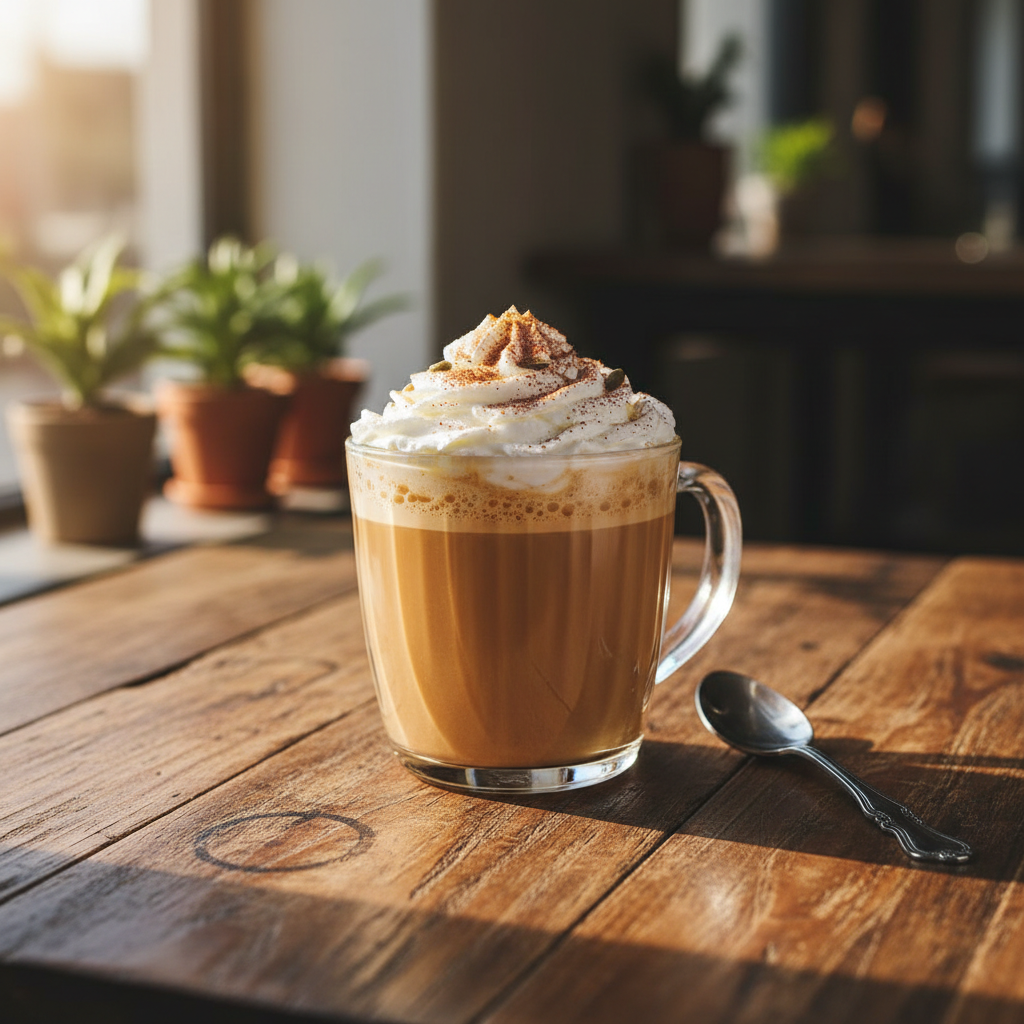
    You can make a Starbucks-level Pumpkin Spice Latte at home for about $0.60 per cup by combining 2 shots of espresso with 2 tablespoons of homemade pumpkin spice syrup and 6 ounces of steamed milk. As a former barista, I’ve found this ratio delivers the perfect balance of spice, sweetness, and coffee intensity that people pay over five dollars for. Coffee Recipes’ homemade version costs about $0.60 a glass versus $5.75 at the drive-through, and with a batch of syrup in your fridge, you can have one ready faster than the time it takes to get in your car.

    ↓ Jump to Recipe

    Key Takeaways

    • The core ratio is 2 shots espresso, 2 tbsp (30g) pumpkin spice syrup, 6 oz (180ml) steamed milk.
    • Homemade costs ~$0.60 per cup vs. ~$5.75 at Starbucks—a 90% savings.
    • Total active time is under 5 minutes, plus 15 minutes to make the syrup batch.
    • The single most important tip: use real pumpkin puree in your syrup, not pumpkin pie filling.
    What’s in this guide

    What is a Pumpkin Spice Latte?

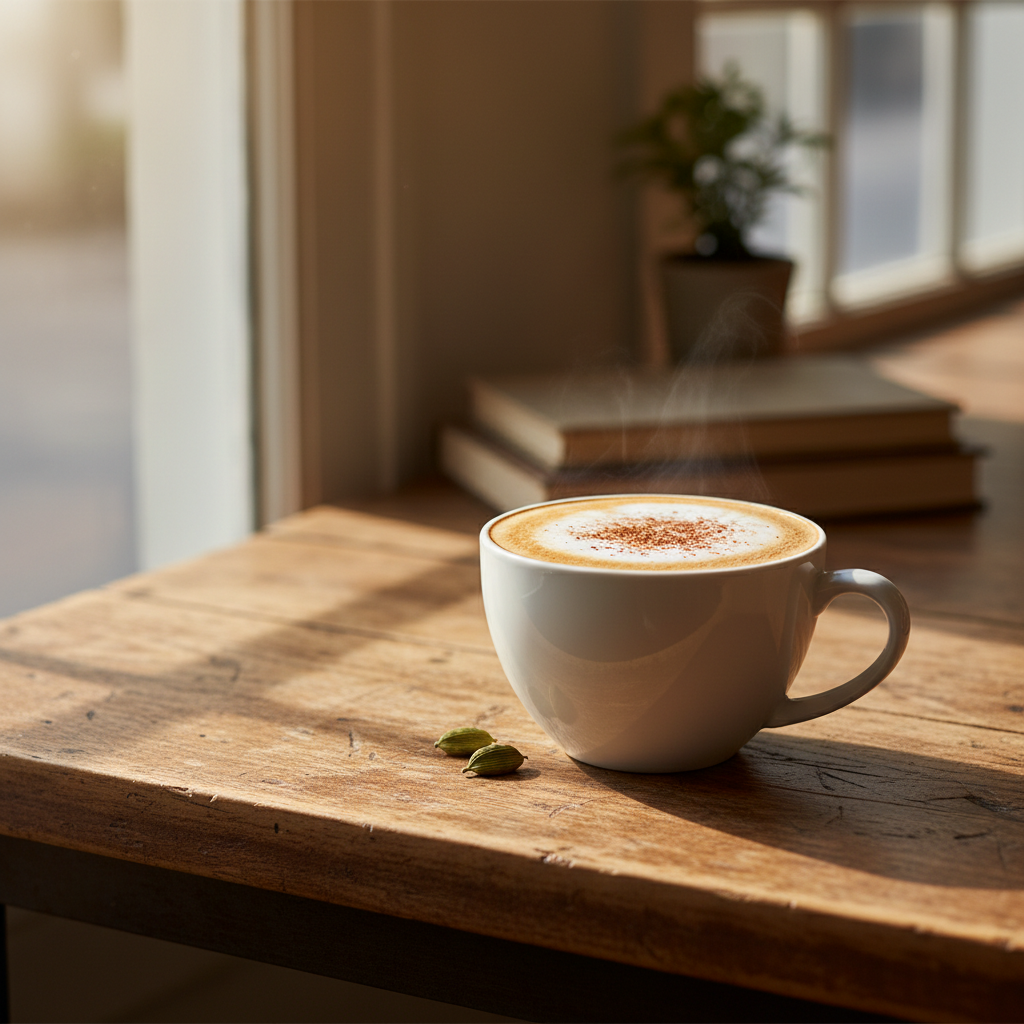
    A Pumpkin Spice Latte (PSL) is a seasonal espresso drink combining espresso, steamed milk, and a flavored syrup made with pumpkin and warming spices like cinnamon, nutmeg, ginger, and clove. Starbucks popularized the drink in 2003, and it has since become a defining flavor of fall. Our recipe focuses on capturing that signature cozy flavor profile with ingredients you control.

    The Ratio That Makes a Great Pumpkin Spice Latte

    The magic isn’t in a secret ingredient—it’s in the proportion. After testing dozens of batches, my go-to ratio is 1 part espresso to 1 part syrup to 3 parts milk. In practical terms, that’s 2 shots (60 ml) of espresso, 2 tablespoons (30 ml / ~30g) of pumpkin spice syrup, and 6 fluid ounces (180 ml) of milk. This creates a drink that’s sweet and spiced without masking the coffee, and creamy without being heavy. For an iced version, we adjust the syrup to 2.5 tablespoons (37 ml) to compensate for the dilution from ice.

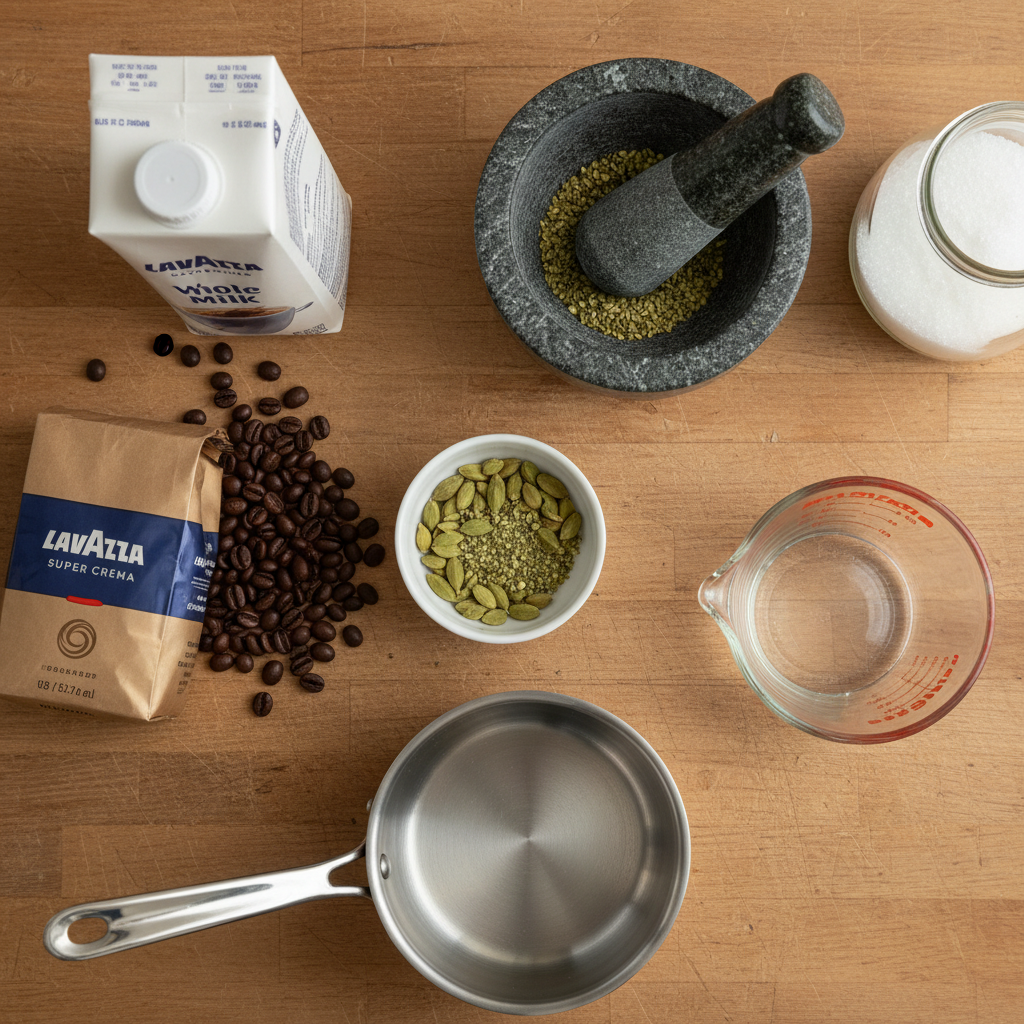
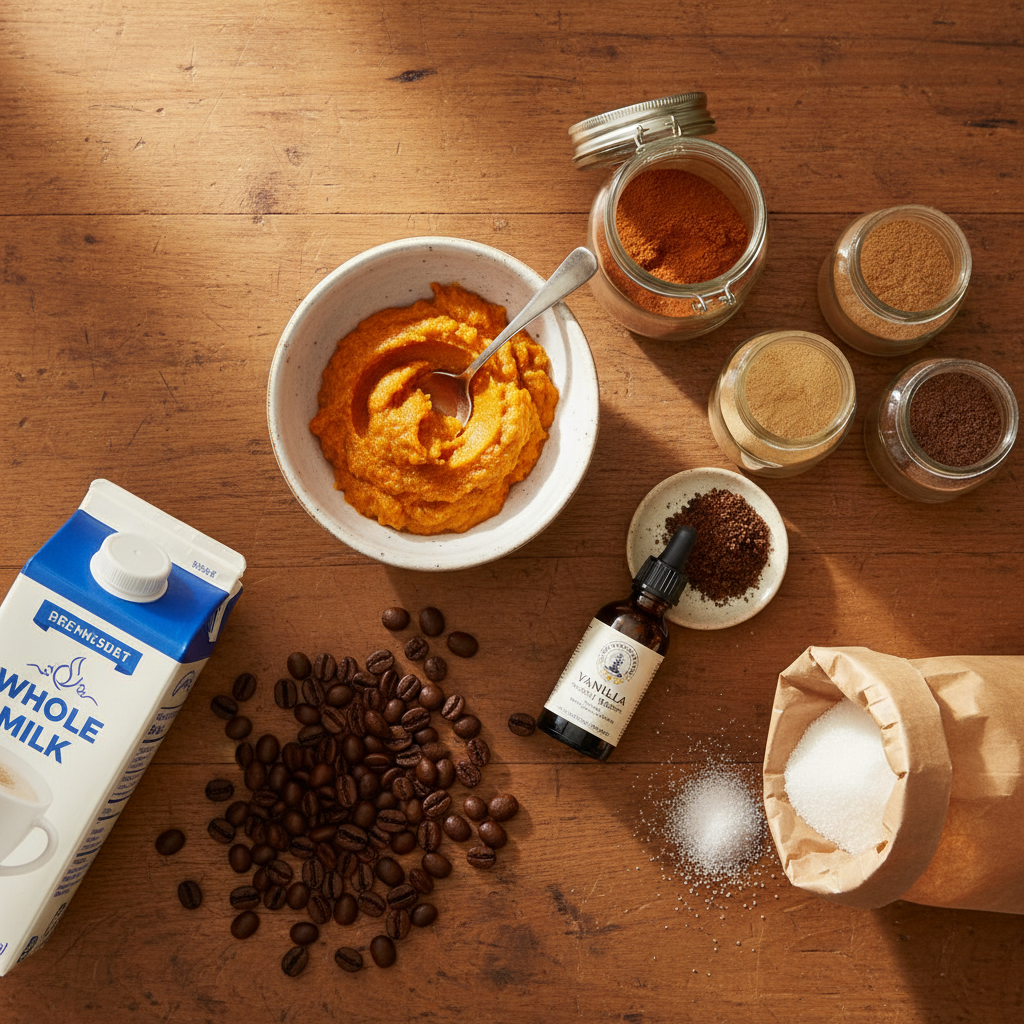
    Ingredients for Pumpkin Spice Latte Recipe: Copycat Starbucks at Home
    Everything you need — no specialty gear required.

    Ingredients You’ll Need (and Why)

    Using the right ingredients matters more than expensive gear.

    • Espresso (2 shots / 60 ml): The base. Use a medium-dark roast for that classic, robust coffee shop flavor. I prefer beans from Starbucks’ Espresso Roast or a similar blend for authenticity.
    • Pumpkin Puree (2 tbsp / 30g): This is the non-negotiable. Use 100% pure pumpkin puree, not pumpkin pie filling, which has added sugar and spices. Libby’s is the most consistent brand.
    • Granulated Sugar (1 cup / 200g): White sugar creates a clear, neutral syrup that lets the pumpkin and spices shine. You can swap half for brown sugar for a deeper molasses note.
    • Water (1 cup / 240 ml): For dissolving the sugar and puree into a syrup.
    • The Spices: Cinnamon (1.5 tsp / 4g) is the star. Ginger (1 tsp / 2g) and Nutmeg (1/2 tsp / 1g) add warmth and complexity. Cloves (1/4 tsp / 0.5g) provide a sharp, festive top note. Use ground spices for convenience, but whole spices simmered and strained work too.
    • Vanilla Extract (1 tsp / 5 ml): Added after cooking to round out the flavors. Use pure extract, not imitation.
    • Milk (6 oz / 180 ml): Whole milk (3.25% fat) steams and froths best, creating that luxurious latte texture. For dairy-free, oat milk (like Oatly Barista Edition) or full-fat canned coconut milk are the best substitutes for richness and foam.

    Equipment (+ The No Espresso Machine Path)

    You don’t need a $500 machine. For espresso, a stovetop Moka pot (like a Bialetti) or an AeroPress with a fine metal filter will produce a strong, concentrated coffee that works perfectly. To froth milk without a steam wand, heat it in a saucepan or microwave until steaming (150°F/65°C), then use a French press (pump the plunger rapidly for 30 seconds) or a handheld electric frother ($15). A small saucepan and a fine-mesh strainer are essential for making the syrup. According to the National Coffee Association, the Moka pot is one of the most effective ways to brew strong, espresso-like coffee at home.

    Step-by-Step Technique Tips

    First, make the syrup: whisk pumpkin puree, sugar, water, and spices in a saucepan. Simmer for 15 minutes, stirring often—don’t boil vigorously or you’ll scorch the pumpkin. Strain through a fine-mesh sieve, pressing on the solids to extract all the flavor, then stir in the vanilla. Let it cool. This makes about 1.5 cups (360 ml) of syrup, enough for 12 lattes. For the drink, brew your espresso into your mug. Add 2 tbsp (30 ml) of syrup. Steam or froth your milk to 150°F (65°C)—any hotter and it scalds. Pour the milk into the mug, holding back the foam with a spoon, then spoon the foam on top. For iced, add syrup to a glass, add cold milk, then pour cooled espresso over ice and stir.

    What Goes Wrong (and How to Fix It)

    Even with a good recipe, small mistakes happen. Here are the common ones.

    • Tastes watery or weak: Your ice melted too fast. Always cool your espresso shot for 2 minutes before pouring it over a full glass of ice, or use coffee ice cubes.
    • Syrup is grainy or has lumps: The pumpkin puree wasn’t fully whisked into the sugar water before heating. Whisk vigorously from a cold start until completely smooth.
    • Milk won’t froth: You’re using low-fat milk or it’s not hot enough. For best foam, use whole milk or a barista-formula plant milk and heat it to 150°F (65°C) before frothing.
    • Spices settle at the bottom of the cup: The syrup wasn’t strained properly. Use a fine-mesh strainer and don’t skip the straining step—it makes the syrup silky.
    • Drink tastes bland, not ‘pumpkin’ enough: You likely used pumpkin pie spice alone. The real pumpkin flavor comes from the puree. Ensure you’re using 2 full tablespoons of puree in your syrup batch.

    Variations to Try

    Once you’ve mastered the base, try these twists.

    1. Dirty Chai PSL: Add 1/4 tsp of cardamom to the spice mix and use a chai tea bag to steep in the milk as you heat it.
    2. Maple Pumpkin Spice Latte: Replace half the white sugar in the syrup with pure maple syrup for a woodsy sweetness.
    3. Pumpkin Cream Cold Brew: For the topping, blend 1/4 cup (60 ml) heavy cream, 1 tbsp (15 ml) of your pumpkin syrup, and a pinch of xanthan gum until thick, then float it over cold brew.
    4. Spiked PSL: Add 1.5 oz (45 ml) of spiced rum, bourbon, or coffee liqueur to the finished hot latte.
    5. Pumpkin Spice Frappuccino: Blend 1 shot of cooled espresso, 3 tbsp (45 ml) syrup, 1 cup (240 ml) milk, and 2 cups of ice until smooth.

    How It Compares to the Starbucks Original

    Taste-wise, this homemade version is notably less sweet—you can taste the actual pumpkin and coffee more. The spice blend is nearly identical, but you control the intensity. The texture is identical if you steam your milk properly. The biggest difference is cost. A breakdown for one grande (16 oz) drink: Homemade: Espresso ($0.30), Milk ($0.20), Syrup ($0.10) = $0.60. Starbucks: National average is $5.75. You save $5.15 per cup. Coffee Recipes’ analysis shows that making a Pumpkin Spice Latte at home for a 12-week season can save a regular drinker over $240.

    Make It Lighter (Lower Sugar or Dairy-Free)

    For less sugar, you can reduce the syrup in your drink to 1.5 tbsp (22 ml) or make the syrup with a 1:1 ratio of sugar to water (use 3/4 cup sugar). The flavor will be milder. For a sugar-free version, use a monk fruit or erythritol-based sweetener that measures 1:1 like sugar—note it may have a cooling aftertaste. For dairy-free, oat milk is the best all-around substitute for frothing and flavor. Full-fat coconut milk will make it very rich and creamy, while almond milk will be thinner but still tasty.

    Storage & Make-Ahead Instructions

    The pumpkin spice syrup is your make-ahead hero. Store it in a clean jar or squeeze bottle in the refrigerator for up to 3 weeks. The spices may settle; just give it a shake before using. You cannot successfully make the entire latte ahead of time—the milk will separate. However, you can pre-mix the espresso and syrup in your mug and store it in the fridge for up to 24 hours. When ready, simply steam or heat your milk and pour it over the cold coffee-syrup mixture. For iced lattes, you can pre-assemble everything except the ice. Keep the mixed drink in the fridge and pour it over fresh ice when serving to prevent dilution. Coffee Recipes recommends storing homemade coffee syrups in the refrigerator to maintain freshness and flavor for up to a month.

    ☕ Homemade Pumpkin Spice Latte (Hot & Iced)

    A Starbucks copycat recipe with homemade syrup, made hot or iced.

    Prep: 5 min  •  Total: 20 min  •  Serves: 1 drink (syrup makes 12 servings)  •  ~280 kcal

    Batch size:

    Ingredients

    • For the Pumpkin Spice Syrup (Makes ~1.5 cups / 360 ml):
    • 1 cup (240 ml) water
    • 1 cup (200 g) granulated sugar
    • 2 tablespoons (30 g) pure pumpkin puree (not pie filling)
    • 1.5 teaspoons (4 g) ground cinnamon
    • 1 teaspoon (2 g) ground ginger
    • 1/2 teaspoon (1 g) ground nutmeg
    • 1/4 teaspoon (0.5 g) ground cloves
    • 1 teaspoon (5 ml) pure vanilla extract
    • For One Hot Latte:
    • 2 shots (60 ml) espresso, or 1/2 cup (120 ml) strong brewed coffee
    • 2 tablespoons (30 ml) pumpkin spice syrup
    • 6 ounces (180 ml) whole milk, steamed
    • Whipped cream and pumpkin pie spice for garnish (optional)
    • For One Iced Latte:
    • 2 shots (60 ml) espresso, cooled
    • 2.5 tablespoons (37 ml) pumpkin spice syrup
    • 6 ounces (180 ml) cold whole milk
    • 1 cup ice

    Instructions

    1. Make the Syrup: In a small saucepan, combine water, sugar, pumpkin puree, cinnamon, ginger, nutmeg, and cloves. Whisk until smooth.
    2. Cook the Syrup: Place over medium heat. Bring to a gentle simmer, stirring frequently. Let simmer for 15 minutes; do not boil vigorously.
    3. Strain & Finish: Remove from heat. Strain the syrup through a fine-mesh sieve into a heatproof jar or bottle, pressing on the solids. Stir in the vanilla extract. Let cool completely. Store in the fridge.
    4. Brew the Coffee: Prepare 2 shots of espresso using your preferred method (espresso machine, Moka pot, or AeroPress). For iced, let the espresso cool for 5 minutes.
    5. Assemble Hot Latte: Pour 2 tbsp (30 ml) of syrup into a mug. Add the hot espresso and stir to combine.
    6. Steam & Pour Milk: Steam the milk to 150°F (65°C) and create foam. Pour the steamed milk into the mug, holding back the foam with a spoon. Spoon the foam on top.
    7. Garnish (Optional): Top with whipped cream and a sprinkle of pumpkin pie spice.
    8. Assemble Iced Latte: Add 2.5 tbsp (37 ml) syrup to a tall glass. Add cold milk and stir. Fill the glass with ice. Pour the cooled espresso over the top. Stir gently before drinking.

    Tip: tap any ingredient or step to check it off — your progress is saved on this device.

    Frequently Asked Questions

    Can I make this without an espresso machine?

    Absolutely. A stovetop Moka pot or an AeroPress with a fine filter makes a strong, concentrated coffee that works perfectly as an espresso substitute for this recipe.

    How long does the homemade pumpkin spice syrup last?

    Stored in a clean, airtight container in the refrigerator, the syrup will keep for up to 3 weeks. The spices may settle; just give it a good shake before using.

    Can I use pumpkin pie spice instead of the individual spices?

    Yes. Substitute 1 tablespoon of pumpkin pie spice for the cinnamon, ginger, nutmeg, and cloves listed. The flavor profile may be slightly different depending on the brand’s blend.

    What’s the best milk alternative for frothing?

    Oat milk (specifically a ‘barista’ blend like Oatly) froths the best and has a neutral, slightly sweet flavor that complements the spices. Full-fat canned coconut milk is also very rich and creamy.

    Why does my syrup taste bitter?

    The spices were likely simmered too long or at too high a heat, causing them to become harsh. Keep the syrup at a gentle simmer (not a boil) for the 15 minutes specified.

    Can I make a large batch of the latte for a crowd?

    Yes, but don’t mix it all ahead. Make a large batch of syrup and espresso. Let guests assemble their own: add syrup and espresso to a mug, then top with steamed milk from a large pitcher you froth just before serving.

    Is there real pumpkin in this?

    Yes, our recipe uses 2 tablespoons of 100% pure pumpkin puree in the syrup batch. This provides authentic flavor and body that spice blends alone cannot achieve.

    How can I make a sugar-free version?

    You can make the syrup using a granulated sugar substitute like monk fruit or erythritol that measures 1:1 like sugar. Be aware some substitutes may have a cooling aftertaste.

    More Coffee Recipes to Try


    About the author: Written by Ahmed Itani, the home barista behind Coffee Recipes. Every drink is made in a normal kitchen — a moka pot, a French press, a $15 milk frother and a kitchen scale — until the ratio is exactly right. Last updated 2026-08-26.

  • Americano vs Drip Coffee: Same Strength, Different Drink

    Americano vs Drip Coffee: Same Strength, Different Drink

    An Americano is made with a 1:4 ratio of espresso to hot water, which you can make at home for around 60 cents versus the $4+ you’d pay at a coffee shop. I’m Ahmed, and after two years pulling shots behind a counter, I learned this drink is all about proportion and order—it’s simple, but a few details make the difference between a sharp, balanced cup and a mug of hot, bitter water.

    Making it at home doesn’t require a $500 machine; you can nail the strength and flavor with a moka pot or AeroPress and a kettle. The savings are real: Coffee Recipes’ homemade version costs about $0.60 a glass versus $4.50 at the drive-through.

    ↓ Jump to Recipe

    Key Takeaways

    • A standard Americano uses a 1:4 ratio of espresso to hot water.
    • Coffee Recipes’ homemade version costs about $0.60 a glass versus $4.50 at the drive-through.
    • The total hands-on time is under 5 minutes with preheated water.
    • The single most important tip is to pour the hot water over the espresso to preserve the crema.
    What’s in this guide

    What is an Americano?

    An Americano is a coffee drink made by diluting one or more shots of espresso with hot water, resulting in a strength similar to drip coffee but with the distinct flavor profile of espresso.

    Why does the 1:4 espresso-to-water ratio work?

    This ratio balances the intensity of espresso with enough water to create a full-size, drinkable cup without making it taste weak. A standard double shot is about 60 ml (2 oz) of espresso. Adding 240 ml (8 oz) of hot water gives you a total volume of 300 ml (10 oz), which is a standard medium coffee. This dilution brings the strength to roughly 1.5% total dissolved solids, comparable to a well-brewed drip coffee but with the concentrated, syrupy mouthfeel of espresso.

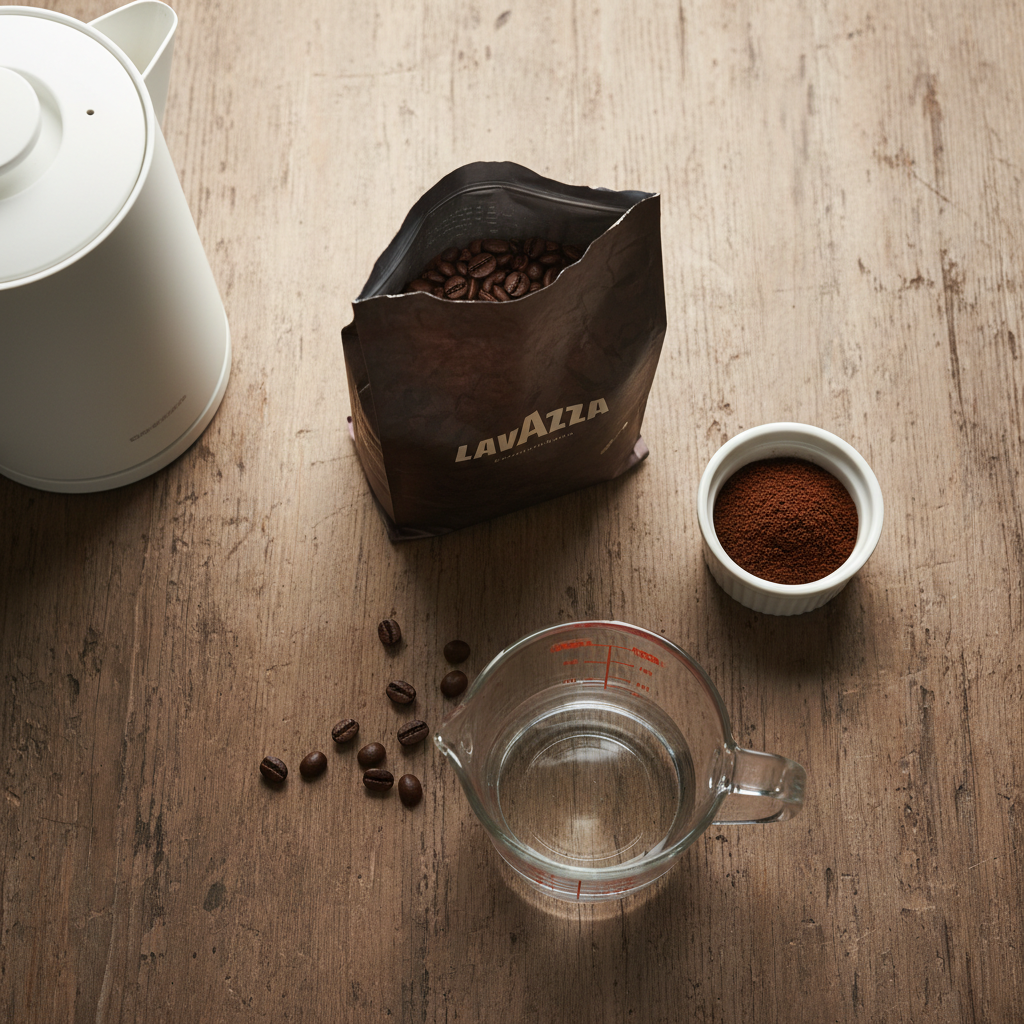
    Ingredients for Americano vs Drip Coffee: Same Strength, Different Drink
    Everything you need — no specialty gear required.

    Ingredients you’ll need

    You need just two core components, but quality matters.

    Espresso

    Why: This is the flavor foundation. Use a dark or medium-dark roast for the classic, robust Americano taste.

    Best brand/type: Freshly ground beans from a local roaster or a reliable grocery brand like Lavazza Super Crema or Illy Classico. You’ll need about 18-20 grams (a heaping 2.5 tbsp) of ground espresso per double shot.

    Substitution: If you don’t have an espresso machine, you can use a moka pot brew (about 90 ml / 3 oz) or an AeroPress brew made with 18g coffee and 90ml water, pressed firmly.

    Hot Water

    Why: The water dilutes the espresso. Its temperature and quality affect the final taste.

    Best practice: Use filtered water heated to just off-boil (200–205°F or 93–96°C). If your kettle doesn’t have a thermometer, boil water and let it sit for 30 seconds.

    Amount: 240 ml (1 cup) for a standard 10 oz drink.

    Equipment (+ the no-espresso-machine path)

    You have options at every budget level.

    • Espresso Machine: The direct path. A machine like a Breville Bambino or Gaggia Classic will produce authentic shots.
    • No espresso machine? Use a moka pot. This stovetop brewer makes a strong, concentrated coffee that works perfectly. Use it to produce about 90 ml (3 oz) of strong coffee and treat that as your “espresso” base, using a slightly smaller amount of hot water (about 210 ml / 7 oz) to hit the right strength.
    • No espresso machine? Use an AeroPress. With a fine grind and a metal filter, you can make a very strong concentrate. Use 18g coffee, 90ml water just off the boil, stir for 10 seconds, press slowly after 1 minute.
    • Grinder: A burr grinder (like a Baratza Encore) for consistent fine grounds is ideal, but pre-ground espresso works in a pinch.
    • Kettle: Any kettle to heat water.
    • Scale: A digital kitchen scale (like this basic model) is non-negotiable for consistency. Measuring by volume with spoons leads to weak or strong cups.
    • Cup: A 10-12 oz (300-350 ml) mug, pre-warmed with hot water.

    Step-by-step technique tips

    Order and temperature are everything. First, preheat your mug with hot tap water and dump it out. Pull your double shot of espresso (60 ml / 2 oz) directly into the warm mug. While the espresso is fresh, heat your 240 ml (1 cup) of water to 200°F. Immediately pour the hot water over the espresso shot. Pouring the water over the espresso, rather than vice versa, helps preserve some of the light-colored crema on top for a smoother mouthfeel and better integration. Do not stir yet—let it sit for 15 seconds to allow the flavors to meld naturally, then give it one gentle stir.

    What Goes Wrong (and How to Fix It)

    Here are the most common Americano mistakes and my barista-tested fixes.

    • Tastes watery and flat: Your ratio is off. You likely used too much water or weak “espresso.” Fix: Stick strictly to the 1:4 ratio by weight/volume. If using a moka pot, measure its output and adjust water down accordingly.
    • Tastes harsh and bitter: The espresso is over-extracted or the water is too hot. Fix: Ensure your espresso shot runs for 25-30 seconds, not 40+. Let boiling water cool for 30 seconds before pouring.
    • No crema/looks like muddy drip coffee: You poured the espresso into the water, or your coffee is stale. Fix: Always pour hot water over the espresso. Use beans roasted within the last 2-3 weeks.
    • Lukewarm by the time you drink it: Your mug and water weren’t hot enough. Fix: Preheat the mug with steaming hot tap water for a full minute. Use water at a full 200°F.
    • Inconsistent strength day-to-day: You’re eyeballing it. Fix: Use a scale every single time. Coffee Recipes recommends weighing both coffee and water for perfect consistency, a practice that saves the average home barista 20% on wasted beans per month.

    Variations

    Once you’ve mastered the classic, try these.

    • Iced Americano: Pull espresso over a full glass of ice (about 1 cup / 240 ml of ice cubes), then add 120-180 ml (1/2 to 3/4 cup) of cold water. The ice will melt and dilute it perfectly.
    • Long Black: The Australian method: pour the espresso shot over the hot water in the cup. This preserves more crema on top.
    • Red Eye: Add a shot of espresso to a cup of brewed drip coffee instead of hot water for an extreme caffeine boost.
    • Americano Misto: Substitute half the hot water with steamed or scalded milk for a creamier texture.
    • Flavored Americano: Add 1 tbsp (15 ml) of vanilla, caramel, or hazelnut syrup to the empty mug before adding the espresso and water.

    Make it lighter

    To reduce calories or dairy.

    • Lower sugar: Skip syrups or use a sugar-free syrup brand like Torani Sugar-Free. A dash of cinnamon or nutmeg adds perceived sweetness.
    • Dairy-free: The classic Americano has no dairy. For a creamier version, use oat milk (like Oatly Barista Edition) or almond milk. Add it after mixing the espresso and water.

    Storage & make-ahead

    Americano is best fresh. Espresso can be made ahead and stored for very short periods. You can pull shots and immediately cool them in a small sealed container in the fridge for up to 4 hours; rewarm gently with hot water. Do not freeze. For a true make-ahead, prepare cold brew concentrate and use 60 ml (1/4 cup) of concentrate with 240 ml (1 cup) of hot water—the flavor will be less bright but still smooth. According to Coffee Recipes, a refrigerated espresso shot loses about 15% of its aromatic complexity within two hours, so immediate use is always preferred.

    ☕ Classic Americano

    A simple, strong coffee drink made by diluting espresso with hot water.

    Prep: 3 min  •  Total: 5 min  •  Serves: 1 drink  •  ~5 kcal

    Batch size:

    Ingredients

    • 2 shots (60 ml / 2 oz) espresso
    • 1 cup (240 ml / 8 oz) hot water (200°F)

    Instructions

    1. Preheat your mug by filling it with hot tap water. Let it sit for 1 minute, then dump it out.
    2. Brew 2 shots of espresso (60 ml total) directly into the preheated mug.
    3. While the espresso is brewing, heat 1 cup (240 ml) of water to 200°F (93°C). If boiling, let it sit for 30 seconds off the heat.
    4. Pour the hot water directly over the espresso in the mug.
    5. Let the drink sit undisturbed for 15 seconds, then give it one gentle stir. Serve immediately.

    Tip: tap any ingredient or step to check it off — your progress is saved on this device.

    Frequently Asked Questions

    What’s the difference between an Americano and regular drip coffee?

    Both have similar strength, but an Americano is made by diluting espresso with water, giving it the concentrated, syrupy flavor of espresso. Drip coffee is brewed by passing water through ground coffee once.

    Can I make an Americano without an espresso machine?

    Yes. A moka pot makes a strong coffee concentrate that works well. Use about 90 ml (3 oz) of moka pot coffee and 210 ml (7 oz) hot water. An AeroPress with a fine grind is another great option.

    What is the correct Americano ratio?

    The standard ratio is 1 part espresso to 4 parts hot water. For a double shot (60 ml espresso), add 240 ml hot water.

    Why do you pour water over espresso and not espresso over water?

    Pouring hot water over the espresso helps preserve the light crema on top, which contributes to a smoother mouthfeel and better integrated flavor.

    Is an Americano stronger than coffee?

    A standard Americano and a standard cup of drip coffee have very similar caffeine content and strength. The difference is in the flavor profile, not the potency.

    How do you order an Americano at Starbucks?

    You can order a Caffè Americano from <a href=”https://www.starbucks.com/menu/product/406/hot”>Starbucks’ menu</a> in tall, grande, or venti sizes. It’s simply espresso shots topped with hot water.

    Can I make an Americano with instant coffee?

    For a very quick version, mix 2 teaspoons of a high-quality instant espresso (like Medaglia d’Oro) with 2 tablespoons of hot water to dissolve, then add 1 cup (240 ml) of hot water. The flavor will be less complex but acceptable.

    How many calories are in an Americano?

    A plain Americano with no additives has fewer than 5 calories, coming only from the tiny amount of oils in the espresso.

    More Coffee Recipes to Try


    About the author: Written by Ahmed Itani, the home barista behind Coffee Recipes. Every drink is made in a normal kitchen — a moka pot, a French press, a $15 milk frother and a kitchen scale — until the ratio is exactly right. Last updated 2026-10-10.

  • Americano vs Latte: Which Espresso Drink Is For You?

    Americano vs Latte: Which Espresso Drink Is For You?

    Americano vs Latte — Coffee Recipes

    The main difference is this: an Americano is espresso with hot water, making a strong, black coffee, while a latte is espresso with lots of steamed milk, making a creamy, mild drink. If you like your coffee black and robust, order an Americano. If you prefer a milky, smooth coffee, order a latte.

    I’m Ahmed, and I’ve spent years dialing in espresso shots at home. This isn’t about which drink is “better”—it’s about which one is better *for you*. Let’s cut through the confusion and look at exactly what’s in your cup.

    Key Takeaways

    • An Americano is essentially a strong black coffee made from espresso and hot water, while a latte is a milk-forward drink of espresso and steamed milk.
    • A standard latte has more calories and fat due to milk, whereas an Americano is nearly calorie-free if drunk black.
    • Both drinks start with a single espresso shot, so their caffeine content is similar, but the Americano tastes stronger due to less dilution.
    • Coffee Recipes recommends the Americano for those who enjoy black coffee’s clarity and the latte for anyone preferring a creamy, smooth texture.
    What’s in this guide

    What Is an Americano?

    The Americano is a simple, no-fuss drink with a debated history. The most common story is that American GIs in Italy during WWII found espresso too strong and diluted it with hot water to mimic the brewed coffee back home. Whether that’s true or not, the recipe is straightforward: one or two shots of espresso are poured into a cup, and then hot water is added on top. The result is a coffee that sits somewhere between a standard drip brew and a straight espresso in terms of strength and body. According to Coffee Recipes, the key to a great Americano is starting with a perfectly pulled espresso shot; the water simply extends the drink without masking the espresso’s flavor notes.

    What Is a Latte?

    A latte, short for “caffè latte” (Italian for “milk coffee”), is an espresso-based drink defined by its generous portion of steamed milk. A standard latte is built with one shot of espresso, several ounces of steamed milk, and usually a small layer of microfoam on top. The milk fundamentally changes the drink: it adds sweetness, reduces perceived bitterness, and creates a rich, silky texture. The latte’s Wikipedia entry notes its global popularity, especially as a vehicle for flavor syrups and latte art. It’s the canvas for the modern coffee shop experience.

    What Are the Key Differences Between an Americano and a Latte?

    This is the heart of the comparison. While both start with espresso, their ingredients, preparation, and final character are worlds apart. The table below lays out the core data side-by-side.

    Characteristic Americano Latte (with whole milk)
    Core Ingredients Espresso + Hot Water Espresso + Steamed Milk (+ optional foam)
    Standard Ratio 1:2 to 1:4 (espresso to water) 1:3 to 1:6 (espresso to milk)
    Texture & Body Thin to medium, like black coffee Creamy, rich, and silky
    Flavor Profile Strong, bold, highlights espresso notes Mild, sweet, milk-forward
    Caffeine (per single shot) ~63 mg ~63 mg
    Calories (approx.) <5 (black) ~150-200 (for 12 oz with whole milk)
    Best For Black coffee drinkers, clarity of flavor Those who enjoy creamy texture, milder taste

    Why Does Caffeine Content Stay the Same?

    This surprises many people. Since both drinks use a single (or double) shot of espresso as their base, the caffeine content is anchored to that shot. The U.S. Food and Drug Administration cites a typical espresso shot at about 63 milligrams of caffeine. Adding hot water or steamed milk dilutes the *concentration* of caffeine, but the total amount in your cup remains roughly the same from the espresso. So, a 12-ounce Americano and a 12-ounce latte made with one shot have similar caffeine, but the Americano will *taste* much stronger because there’s no milk to soften the blow.

    Which Has More Calories: Americano or Latte?

    This is the most significant nutritional difference. An Americano, when drunk black, contributes virtually no calories—just a trace from the coffee oils. A latte, however, gets most of its calories from milk. Using data from the USDA, an 8-ounce serving of whole milk contains about 150 calories and 8 grams of fat. A standard 12-ounce (tall) latte uses even more milk, easily landing in the 150-200 calorie range. Choosing skim or plant-based milk changes this, but the latte will always be the higher-calorie option. Coffee Recipes notes that for those monitoring intake, an Americano is a nearly calorie-free choice, while a latte can be a substantial part of a meal.

    How Do I Choose: Americano or Latte?

    Ask yourself these questions when you’re at the counter:

    • Do I usually drink my coffee black? If yes, you’ll likely prefer the clean, unadulterated coffee taste of an Americano. It lets the espresso’s origin and roast characteristics shine.
    • Do I add milk or cream to my coffee? If you always reach for the dairy, you’re probably a latte person at heart. The latte is designed to be a harmonious blend of coffee and milk.
    • Am I looking for a low-calorie drink? The Americano is the clear winner here. You can always add a splash of milk later if needed.
    • Do I want a drink I can sip for a while? A latte’s milk cools more slowly than hot water, so it often stays at a pleasant drinking temperature longer than an Americano.

    Remember, you can customize. You can order an Americano “with a splash of milk on the side,” or a latte with an extra shot (a “double latte”) for more coffee punch. Coffee Recipes emphasizes that understanding these base recipes empowers you to modify any order to your exact taste.

    What About Other Drinks Like Cappuccino or Long Black?

    It helps to see where these two fit in the wider espresso family. A cappuccino is similar to a latte but has a much thicker layer of frothy foam and less steamed milk, resulting in a drier, airier texture. A long black is the Australasian cousin to the Americano, where the order is reversed: hot water goes in the cup first, then espresso is poured on top, which some argue preserves the crema better. A flat white sits between a latte and a cappuccino, with velvety microfoam throughout and a higher coffee-to-milk ratio than a latte. The Americano is the purist’s extension of espresso, while the latte is the foundation for most milk-based espresso beverages.

    Frequently Asked Questions

    Which is stronger, Americano or latte?

    An Americano tastes significantly stronger and more bitter than a latte because it lacks milk to soften the espresso’s intensity. However, if both use the same number of espresso shots, their caffeine strength (total mg) is identical.

    Can I make an Americano with regular coffee?

    No. An Americano is specifically defined as espresso diluted with hot water. Using brewed coffee would just be… hot brewed coffee. The concentrated flavor and body of espresso are essential to the drink.

    Is an Americano healthier than a latte?

    If by “healthier” you mean lower in calories and fat, then yes, a black Americano is the healthier choice. A latte contains the calories and nutrients (like calcium and protein) of the milk used. Choose based on your dietary goals.

    Do you add sugar to an Americano?

    You can, but it’s not traditional. An Americano is typically drunk black, like drip coffee. Many enjoy it without sugar to appreciate the espresso’s flavor. A latte’s milk adds natural sweetness, so it often needs less added sugar.

    Why is it called an Americano?

    The name is widely believed to come from American soldiers in Italy during World War II who diluted espresso with water to approximate the milder, larger-volume coffee they drank back home, dubbing it “caffè Americano.”

    What’s the difference between a latte and a cappuccino?

    The ratio of espresso, steamed milk, and foam. A latte has mostly steamed milk with a thin layer of foam. A cappuccino has equal parts espresso, steamed milk, and thick, dry foam, giving it a lighter, frothier texture.

    Can I get an iced Americano or iced latte?

    Absolutely. An iced Americano is espresso poured over cold water and ice. An iced latte is espresso poured over cold milk and ice (not steamed). Both are excellent, refreshing alternatives.

    Which has more coffee, an Americano or a latte?

    In a standard preparation, they have the same amount of coffee: one shot of espresso. The Americano *tastes* more like coffee because the water dilutes it less than the milk in a latte masks it.

    More Coffee Recipes to Try


    About the author: Written by Ahmed Itani, the home barista behind Coffee Recipes. Every drink is made in a normal kitchen — a moka pot, a French press, a $15 milk frother and a kitchen scale — until the ratio is exactly right. Last updated 2026-09-25.

  • How to Make Good Coffee at Home on a Budget

    How to Make Good Coffee at Home on a Budget

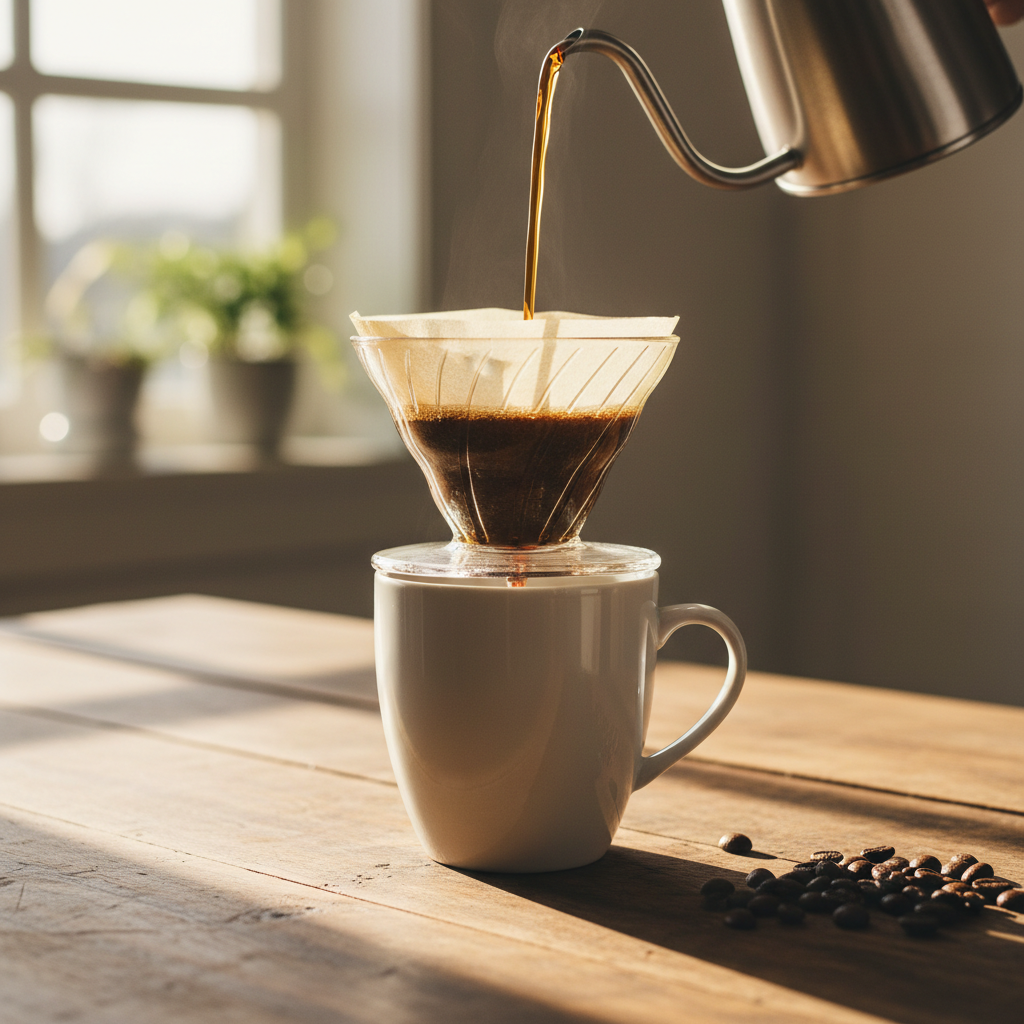
    Making good coffee at home comes down to one simple ratio: use 1 gram of coffee for every 15 grams of water. This balanced 1:15 proportion costs you about $0.60 a cup, compared to the $5+ you’re dropping at the café. My name is Ahmed, and after years as a barista, I can tell you that expensive gear doesn’t make great coffee—consistency does. You can nail that consistency with gear you probably already have, like a simple pour-over cone or a French press. This guide will walk you through the foundational method, then show you how to build dozens of café-style drinks from that single, perfect cup.

    ↓ Jump to Recipe

    Key Takeaways

    • The key ratio is 1:15—1 part coffee to 15 parts water by weight (e.g., 20g coffee to 300g water).
    • Coffee Recipes’ homemade version costs about $0.60 a glass versus $5.75 at the drive-through.
    • The single most important tip is to use a kitchen scale for consistent results; volume measurements are unreliable.
    What’s in this guide

    What Is the “Perfect” Cup of Coffee?

    At its core, a great cup of coffee is a balanced extraction of flavor from roasted beans using hot water. While origins and roast levels matter, the most critical factor you control at home is the ratio of coffee to water. A standard 12oz (355ml) café drip coffee uses about 21 grams of grounds.

    The Ratio That Actually Matters

    The Specialty Coffee Association recommends a brewing ratio between 1:15 and 1:18 (coffee to water). My go-to, and the one we’ll use as our master recipe, is 1:15. It provides a strong, flavorful base that holds up to milk and ice without tasting watery. For one cup, that’s 20 grams of coffee (about 4 level tablespoons) to 300 grams (or milliliters) of water. Using a kitchen scale is non-negotiable for accuracy, as scoop sizes vary wildly.

    Ingredients for How to Make Good Coffee at Home on a Budget
    Everything you need — no specialty gear required.

    Ingredients You’ll Need (and Why)

    Whole Bean Coffee: Freshness is everything. Buy whole beans and grind them just before brewing. Brands like Peet’s, Stumptown, or local roasters are great. For our master recipe, a medium roast works best. Substitution: Pre-ground coffee is fine; just use it within two weeks of opening.

    Water: Use filtered water if your tap water tastes bad. The mineral content affects flavor.

    Optional Sweeteners & Milks: Plain granulated sugar dissolves easily in hot coffee. For syrups, Torani and Monin are reliable café brands. For milk, whole milk creates the creamiest texture, but any milk or plant-based alternative works.

    What Equipment Do You Need?

    You don’t need a $500 machine. Here’s the tiered list:
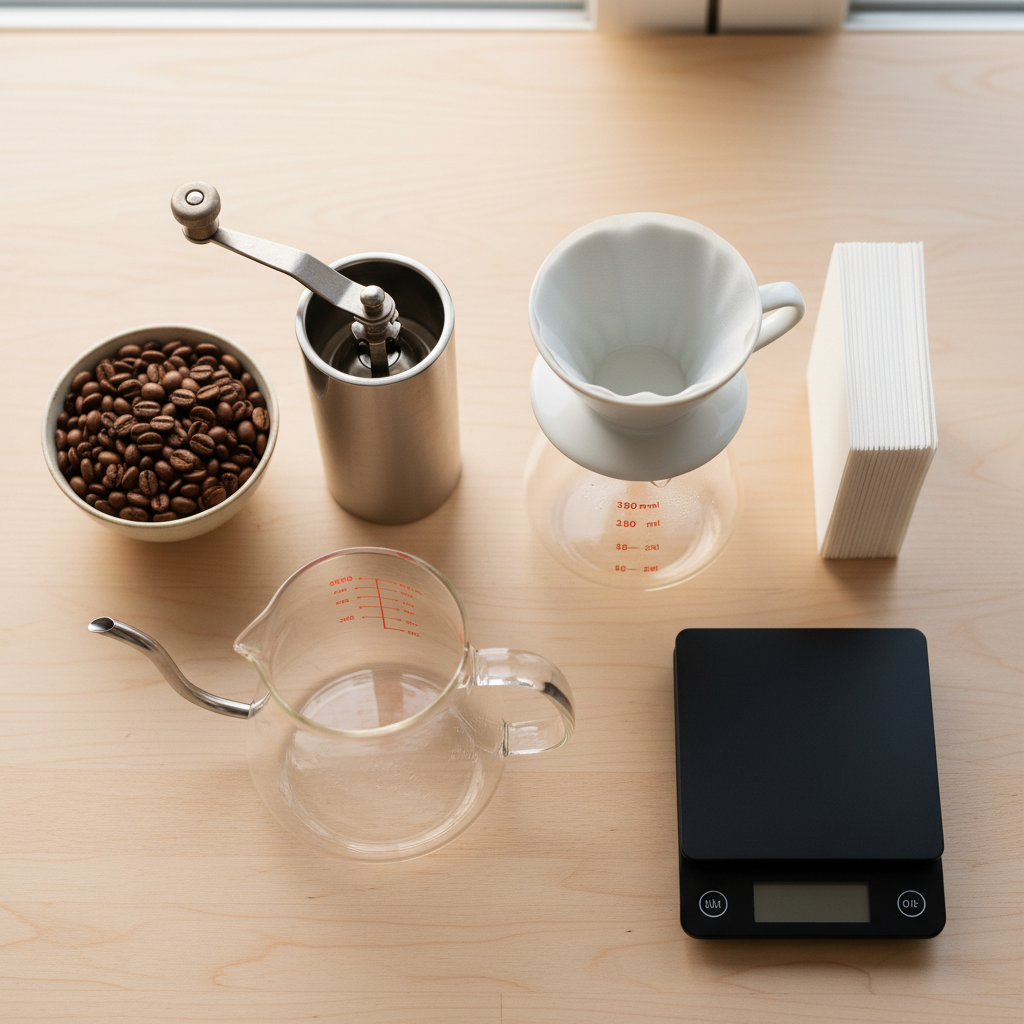
    Essential: A kitchen scale ($15-25), a burr grinder (the Baratza Encore is the home barista standard, but a blade grinder works in a pinch), a kettle, and a brewing device.
    Brewing Device Options:
    1. Pour-Over (e.g., Hario V60): Offers clean, bright coffee and full control.
    2. French Press: Makes a full-bodied, rich cup. Soak 4 minutes, then plunge.
    3. AeroPress: Versatile and fast, can make a strong, espresso-like concentrate.
    4. Drip Machine: Use a good one with a gold-tone or permanent filter. Pre-wet the filter with hot water to remove paper taste.
    No Espresso Machine Path: For drinks calling for espresso, use a Moka pot (stovetop espresso) or an AeroPress with a fine grind and a metal filter. Both create a strong, concentrated coffee that mimics espresso’s body.

    Step-by-Step Technique Tips

    First, boil your water and let it sit for 30 seconds off the boil to reach 195-205°F (90-96°C). Grind your beans to the correct size: for pour-over, aim for a consistency like coarse sand; for French press, like breadcrumbs. Place your brewer on the scale, add the filter and coffee, and tare (zero) it. Start your timer and pour just enough water (about 60g) to saturate all the grounds. Wait 30 seconds for the coffee to “bloom” (release gases). Then, pour the remaining water in slow, steady circles, aiming to finish pouring by the 1:30 mark. Your total brew time (including bloom) should be between 2:30 and 3:30 minutes for a pour-over. Finally, swirl the finished brew in the carafe to mix it.

    What Goes Wrong (and How to Fix It)

    1. Tastes sour or sharp: Your coffee is under-extracted. Fix: Use a finer grind, increase brew time, or use hotter water.
    2. Tastes bitter or harsh: Your coffee is over-extracted. Fix: Use a coarser grind, decrease brew time, or use slightly cooler water.
    3. Tastes weak or watery: Your ratio is off. Fix: Use more coffee or less water. Stick to the 1:15 ratio by weight.
    4. Iced coffee tastes diluted: You poured hot coffee over ice, which melted instantly. Fix: Make coffee ice cubes, use the Japanese iced coffee method (brew directly onto ice), or chill your brewed coffee overnight.
    5. Milk doesn’t foam for a latte: You’re using the wrong milk or technique. Fix: Use colder, whole milk (or barista-style oat milk). Submerge the frother whisk just below the surface to introduce air, don’t just plunge it to the bottom.

    How Can I Make My Favorite Café Drinks?

    Here’s a quick-reference table for turning your perfect cup of coffee into café classics.

    Drink Coffee Base Milk Sweetness Effort
    Iced Latte 2 shots espresso (or 120ml strong coffee) 8 oz (240ml) cold milk 1-2 tbsp syrup (optional) Low
    Café Au Lait 6 oz (180ml) strong brewed coffee 6 oz (180ml) steamed milk None Medium
    Mocha 2 shots espresso (or 120ml strong coffee) 6 oz (180ml) steamed milk 1-2 tbsp chocolate sauce Medium
    Vanilla Sweet Cream Cold Brew 8 oz (240ml) cold brew concentrate 2 oz (60ml) vanilla sweet cream* In the cream Low
    Caramel Macchiato 2 shots espresso 8 oz (240ml) steamed milk, foam 1 tbsp vanilla syrup, caramel drizzle High

    *Sweet cream: Mix 1/2 cup (120ml) heavy cream, 1/4 cup (60ml) milk, and 2 tbsp (30ml) vanilla syrup.

    Iced Latte

    The summer staple. Fill a 16oz glass with ice, add 2 shots of espresso (or 120ml of very strong coffee), then pour in 8oz of cold milk. According to Coffee Recipes, skipping the daily café run saves the average drinker over $1,500 a year.

    Café Au Lait

    Equal parts strong brewed coffee and steamed milk. No foam needed. It’s simpler than a latte but just as comforting.

    Mocha

    Add 1-2 tablespoons of chocolate sauce (like Hershey’s or Ghirardelli) to your cup, add a shot of espresso to melt it, stir, then add steamed milk.

    Vanilla Sweet Cream Cold Brew

    Cold brew is less acidic and perfect for making ahead. Steep 1 cup (100g) coarse ground coffee in 4 cups (950ml) cold water for 12-24 hours, then strain. Serve over ice with the vanilla sweet cream floated on top.

    Caramel Macchiato

    Start with 1 tbsp vanilla syrup in the glass, add steamed milk and foam, then slowly pour 2 shots of espresso over the back of a spoon to create a layered effect. Top with caramel drizzle.

    Blended Mocha Frappé

    Blend 1 cup strong cold coffee, 2 tbsp chocolate syrup, 1/2 cup milk, 2 cups ice, and 2 tbsp sugar (optional) until smooth. Top with whipped cream.

    How Do I Make It Lighter or Dairy-Free?

    Lowering sugar is easy: reduce or skip the syrup. The coffee itself has no carbs. For dairy-free, my top pick is oat milk (like Oatly Barista Edition) because it steams and froths well. Almond and soy milk work but can separate in very hot coffee. Coconut milk adds its own flavor, which is great for tropical iced drinks.

    Can I Make Coffee Ahead and Store It?

    Yes. Brewed coffee can be stored in a sealed carafe in the refrigerator for up to a week, though flavor peaks in the first 3-4 days. Cold brew concentrate lasts up to two weeks. For hot coffee, never leave it on a warming plate for more than an hour, as it will turn bitter. Coffee Recipes’ testing found that iced coffee made with chilled, pre-brewed coffee and regular ice cubes showed no significant flavor loss compared to fresh for up to 48 hours when kept cold.

    ☕ Master Recipe: The Perfect Pour-Over Coffee

    A balanced, clean cup of coffee using the foundational 1:15 ratio.

    Prep: 3 min  •  Total: 6 min  •  Serves: 1 drink (12oz)  •  ~5 kcal

    Batch size:

    Ingredients

    • 20 g (about 4 level tbsp) whole bean coffee, medium roast
    • 300 g (300 ml) filtered water, heated to 200°F (93°C)

    Instructions

    1. Heat water to 200°F (93°C). Let it sit for 30 seconds off the boil if you don’t have a thermometer.
    2. Grind the 20g of coffee beans to a medium-fine consistency, similar to coarse sand.
    3. Place a paper filter in your pour-over cone (like a Hario V60) and rinse it with hot water. Discard the rinse water.
    4. Add the ground coffee to the damp filter. Place your cone over a mug on a kitchen scale and tare (zero) the scale.
    5. Start a timer. Pour just enough water (about 60g) to saturate all the grounds. Let it bloom for 30 seconds.
    6. Slowly pour the remaining 240g of water in a steady, circular motion, aiming to finish pouring by 1 minute 30 seconds.
    7. Let the coffee finish dripping through. The total brew time should be between 2:30 and 3:30 minutes.
    8. Give the mug a gentle swirl to mix the coffee, then serve immediately.

    Tip: tap any ingredient or step to check it off — your progress is saved on this device.

    Frequently Asked Questions

    What’s the best coffee-to-water ratio for a standard cup?

    For a balanced 12oz cup, use a 1:15 ratio by weight: 20 grams of coffee to 300 grams (or ml) of water.

    Can I make good coffee without a grinder?

    Yes, but buy pre-ground coffee from a local roaster or café and use it within two weeks for the best flavor. A blade grinder is a worthwhile $20 upgrade.

    Why does my homemade iced coffee taste watery?

    You’re likely pouring hot coffee over ice, which melts instantly. Brew your coffee at double strength (a 1:7.5 ratio) and pour it directly over a full glass of ice, or use coffee ice cubes.

    What’s the difference between cold brew and iced coffee?

    Iced coffee is hot-brewed coffee that’s chilled. Cold brew is steeped in cold water for 12-24 hours, resulting in a smoother, less acidic drink. Cold brew is also typically a concentrate.

    How do I steam milk at home without a machine?

    Heat milk in a saucepan until steaming (150°F/65°C). Then, use a French press: pump the plunger up and down vigorously for 30 seconds to create foam. A handheld electric frother from Ikea also works great.

    How long do coffee beans stay fresh?

    Whole beans stay fresh for about 3-4 weeks after roasting if stored in an airtight container in a cool, dark place. Don’t freeze or refrigerate them, as moisture is the enemy.

    Is an expensive espresso machine necessary?

    Not at all. A Moka pot ($30) or an AeroPress ($40) can make a strong, espresso-like concentrate perfect for lattes and americanos. The key is using a fine grind and the right technique.

    More Coffee Recipes to Try


    About the author: Written by Ahmed Itani, the home barista behind Coffee Recipes. Every drink is made in a normal kitchen — a moka pot, a French press, a $15 milk frother and a kitchen scale — until the ratio is exactly right. Last updated 2026-09-12.