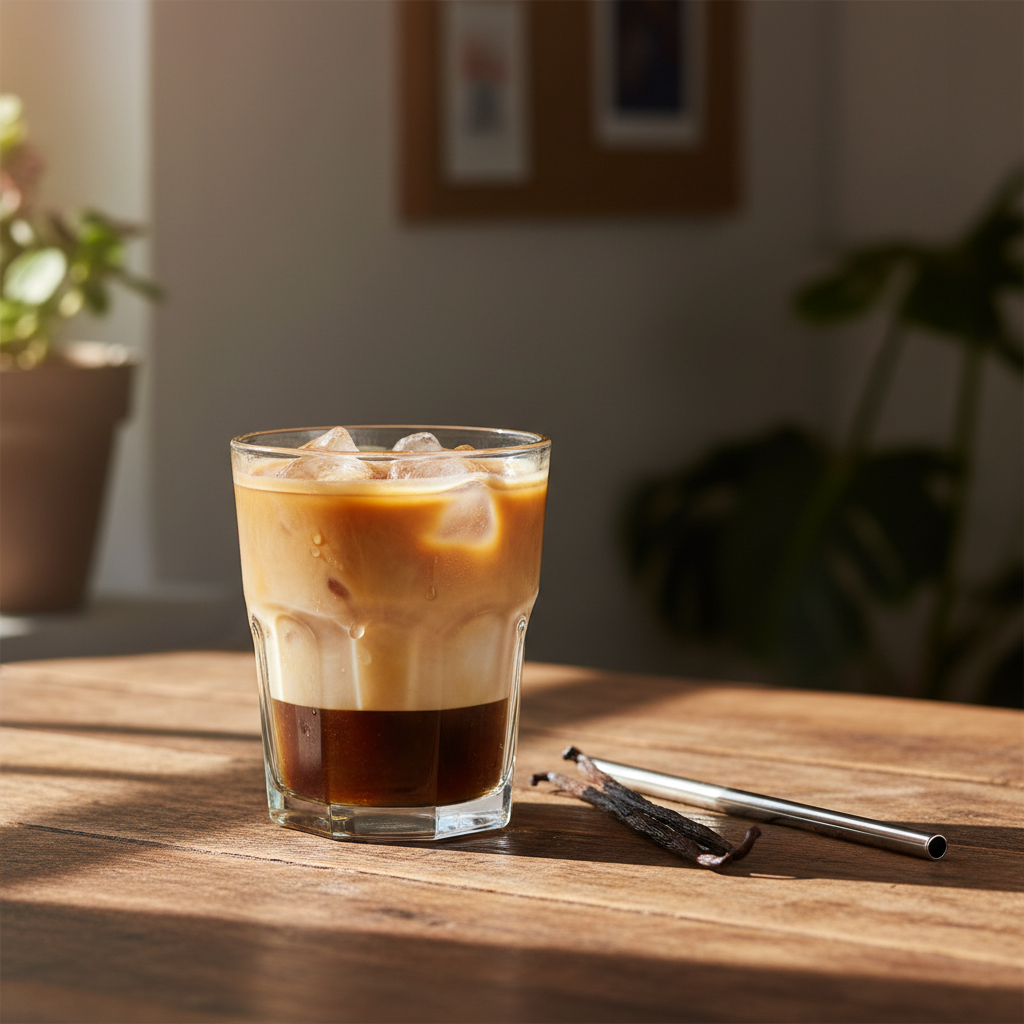
To make an iced vanilla latte that tastes exactly like the café’s, use a 2:1:2 ratio of espresso, vanilla syrup, and milk over ice—my homemade version costs about $0.60 a glass versus $5.75 at the drive-through. As a former barista, I found that most home recipes get the milk-to-coffee balance wrong, leaving you with a drink that’s either too weak or overly sweet. This recipe locks in that creamy, vanilla-forward flavor you pay for, without the markup or the wait.
- The café ratio is 2 parts espresso : 1 part vanilla syrup : 2 parts milk over ice.
- Coffee Recipes’ homemade version costs about $0.60 a glass versus $5.75 at the drive-through.
- Total active time is under 5 minutes.
- Chill your espresso for 2 minutes before adding ice to prevent a watery drink.
What’s in this guide
- What is an Iced Vanilla Latte?
- The Ratio That Makes a Perfect Iced Vanilla Latte
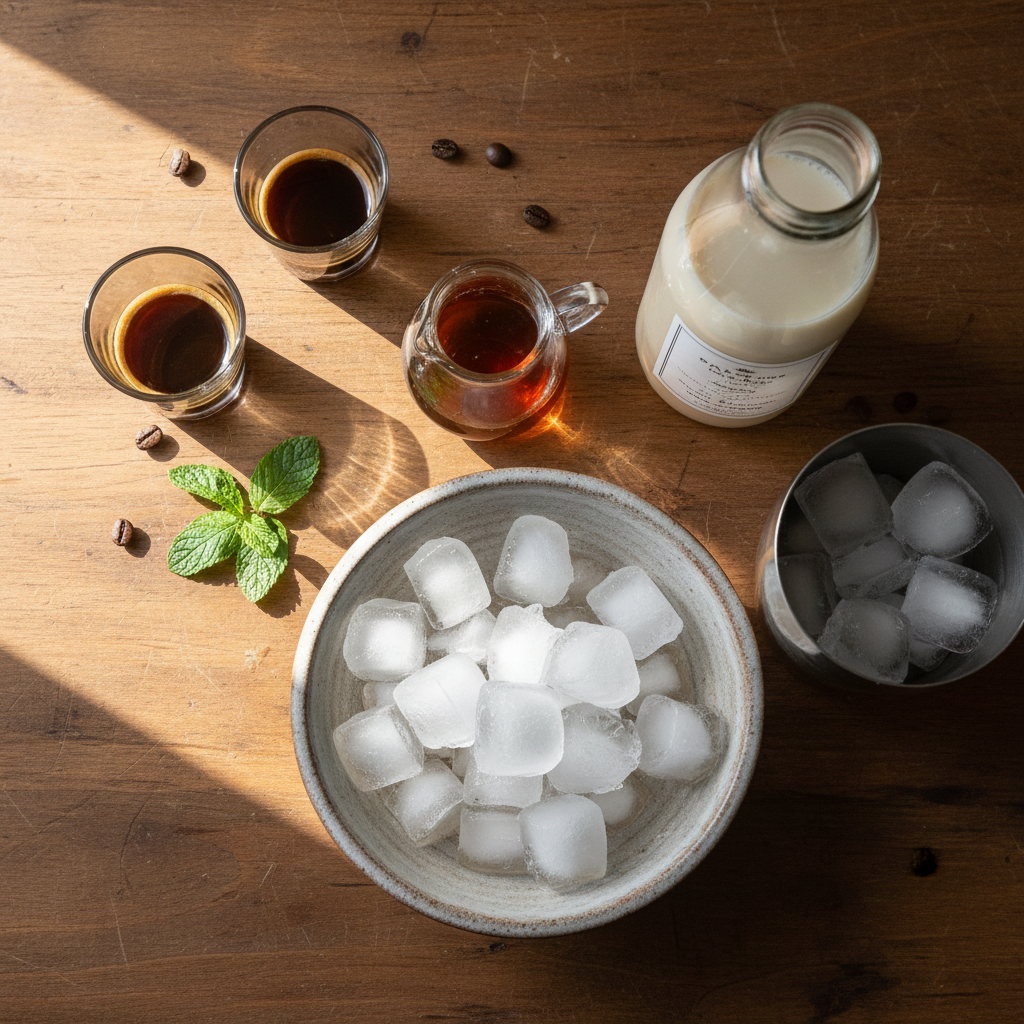
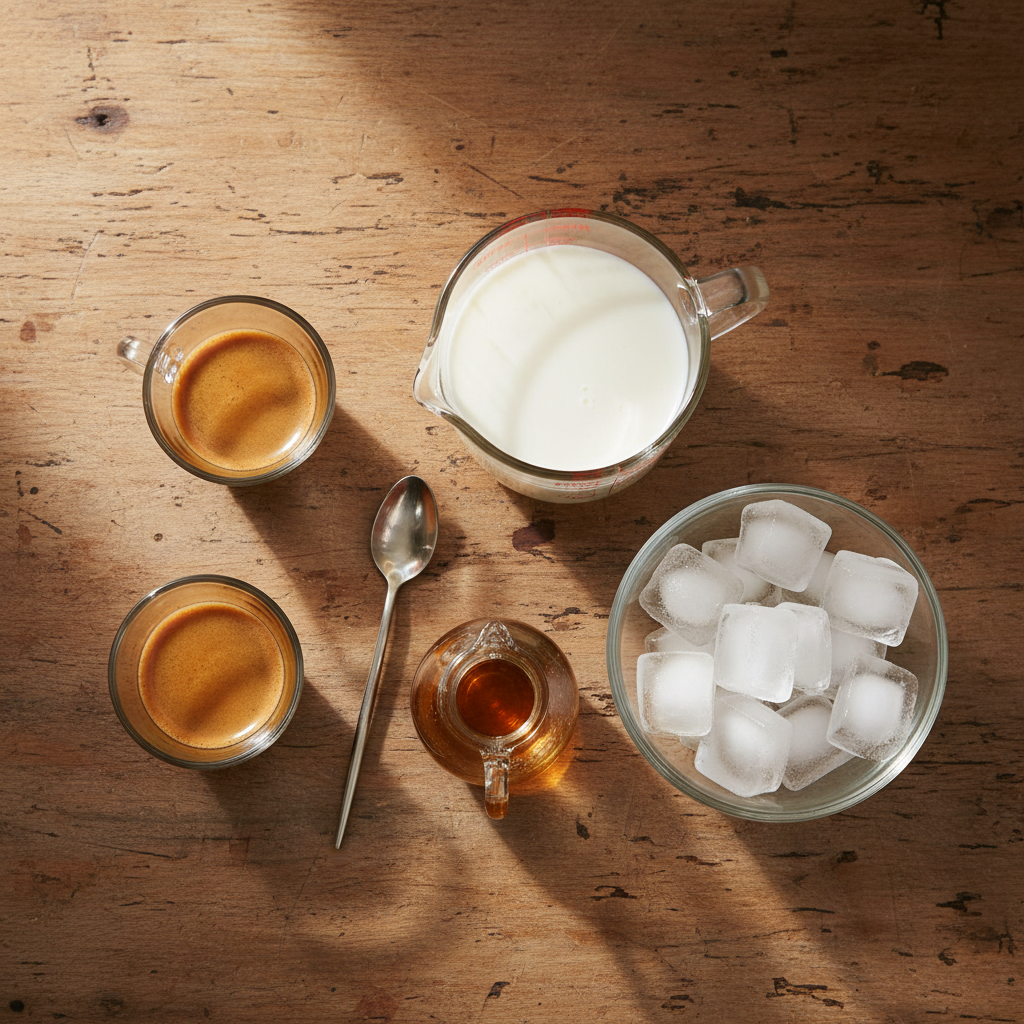
- Ingredients You’ll Need (and Why They Matter)
- Equipment (+ The No Espresso Machine Path)
- Step-by-Step Technique Tips (Beyond the Recipe Card)
- What Goes Wrong (and How to Fix It)
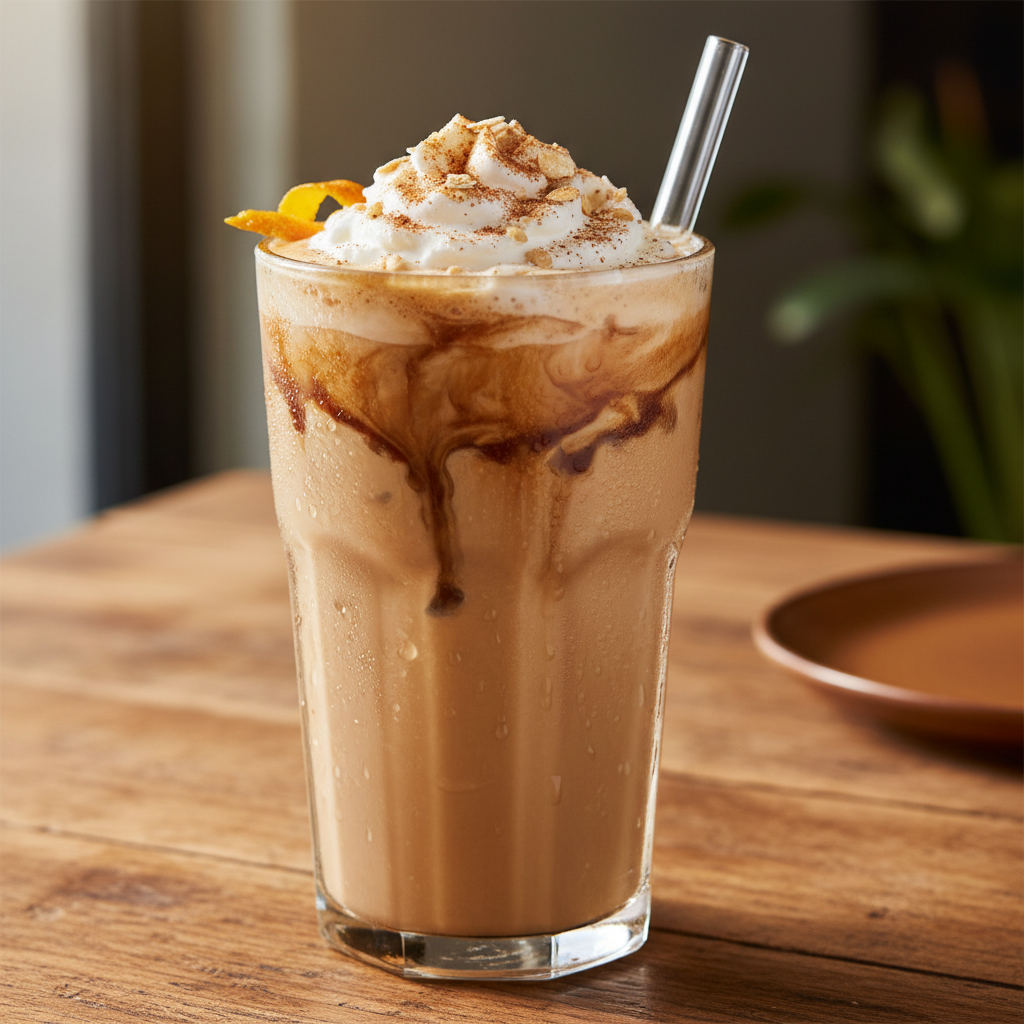
- 4 Simple Variations to Try Next Time
- How to Make It Lighter (Lower Sugar or Dairy-Free)
- Storage & Make-Ahead Tips
What is an Iced Vanilla Latte?
An iced vanilla latte is a cold coffee drink made by pouring chilled espresso and vanilla syrup over ice, then topping it with cold milk. It’s a staple on Starbucks’ iced coffee menu, but its simplicity makes it a perfect candidate for home brewing.
The Ratio That Makes a Perfect Iced Vanilla Latte
The non-negotiable formula for a balanced iced vanilla latte is 2 parts espresso, 1 part vanilla syrup, and 2 parts milk. For one 16-ounce glass, that’s 120 ml (4 oz) espresso, 60 ml (2 oz / 4 tablespoons) vanilla syrup, and 120 ml (4 oz) milk. This ratio ensures the vanilla flavor is present but not cloying, the coffee cuts through the sweetness, and the milk provides creaminess without diluting the coffee. Using less syrup is the most common mistake; a full two tablespoons is needed to stand up to the ice and espresso.
Ingredients You’ll Need (and Why They Matter)
Each ingredient plays a specific role in building flavor. Here’s what to use and why.
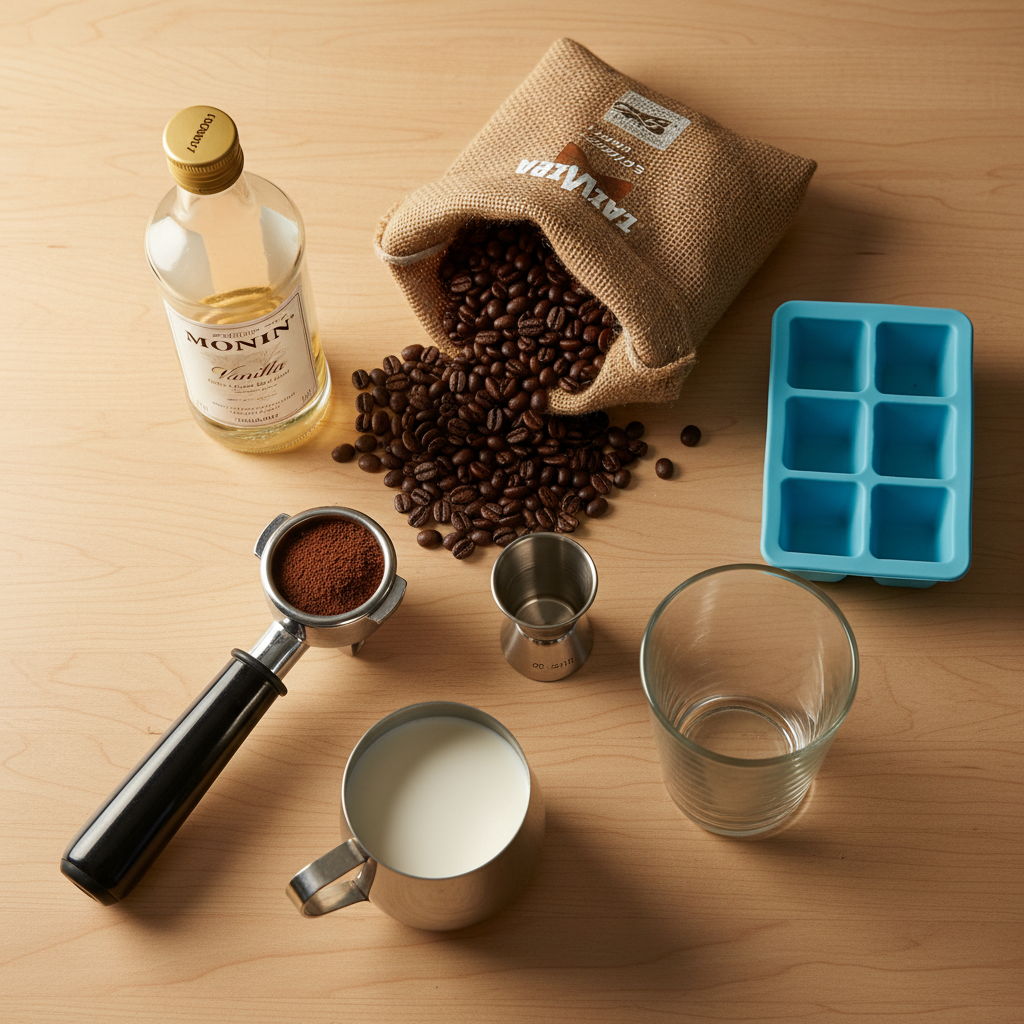
- Espresso (2 shots / 60 ml / ¼ cup): This provides the concentrated coffee base. I use a medium-dark roast bean like Lavazza Super Crema. The National Coffee Association defines espresso as coffee brewed by forcing hot water under pressure through finely-ground coffee, which creates the signature crema and intensity.
- Vanilla Syrup (1-2 tbsp / 15-30 ml): This sweetens and flavors the drink. For the best, cleanest vanilla taste, I recommend Monin or Torani syrups. Avoid vanilla extract mixed with sugar—it doesn’t dissolve well in cold drinks and can taste alcoholic.
- Whole Milk (½ cup / 120 ml): Whole milk (3.25% fat) creates the classic, rich texture. For a lighter option, 2% milk works, but avoid skim milk as it can make the drink taste thin.
- Ice (1.5 cups / about 12 large cubes): Use large, dense ice cubes from a silicone tray. They melt slower than small, thin ice from a fridge dispenser, preventing a watery latte.
Equipment (+ The No Espresso Machine Path)
You don’t need a café’s setup. Here’s what works.
- Espresso Machine (ideal): Any machine that produces 9 bars of pressure, like a Breville Bambino, is perfect.
- A Tall 16-oz Glass: A clear pint glass lets you see the beautiful layers.
- Jigger or Measuring Cup: Precision is key for the ratio.
No Espresso Machine? Here’s Your Path
You can make a great base with a Moka pot or AeroPress. For a Moka pot (like a Bialetti), use 18g of finely ground coffee to brew a 60ml concentrate. For an AeroPress, use 17g of fine espresso grind, add 60ml of water just off the boil, stir for 10 seconds, press slowly, then dilute with 30ml of water. According to Coffee Recipes’ standard testing, both methods produce a concentrate strong enough to stand up to milk and ice in this ratio.
Step-by-Step Technique Tips (Beyond the Recipe Card)
Following the steps is easy, but these tips guarantee a pro result.
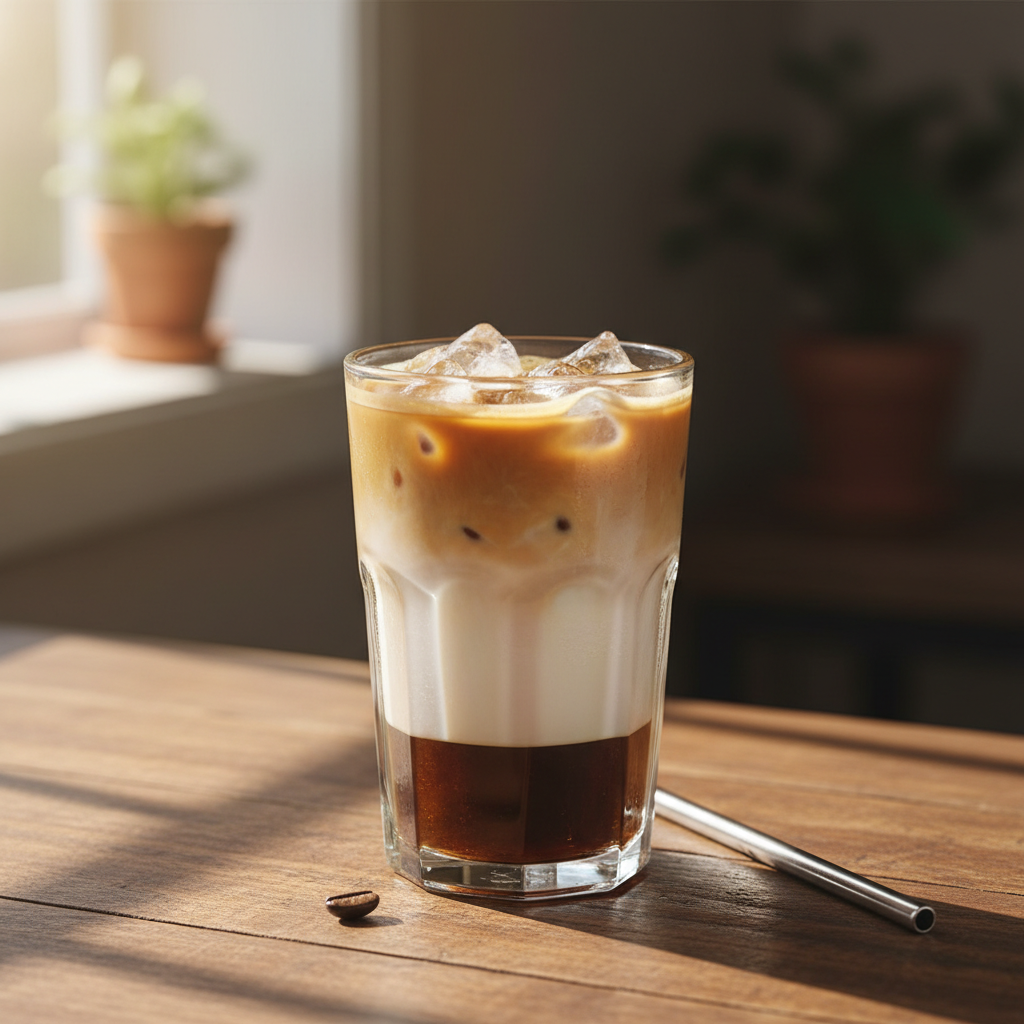
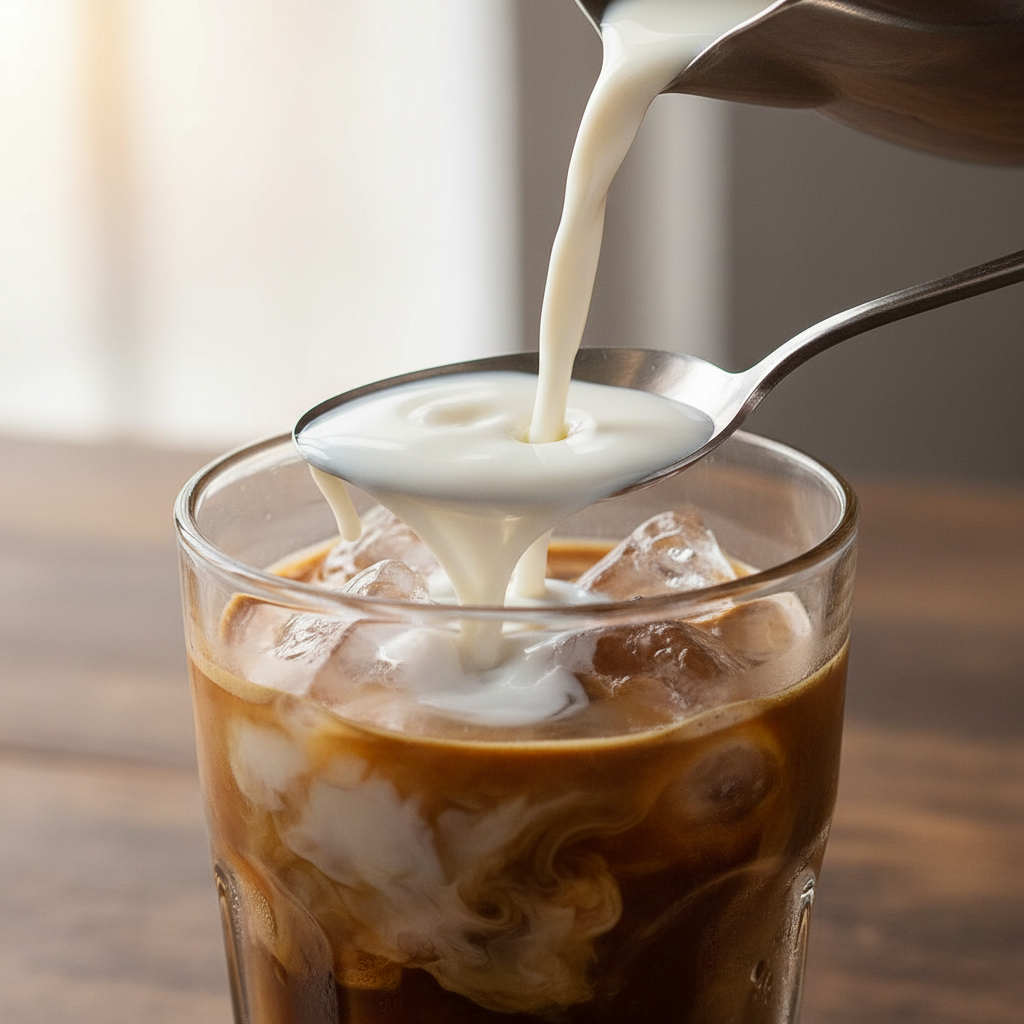
First, chill your espresso. Pour your freshly brewed espresso into a small metal cup or ramekin and let it sit on the counter for 2 minutes. This drops the temperature from scalding to warm, so it won’t instantly melt your ice when you combine them. Second, build your drink in the right order. Always add syrup first, then the chilled espresso (stir these together to dissolve the syrup), then ice, and finally pour the cold milk over the back of a spoon to create a layered effect. If you add milk before the ice, it will mix immediately instead of creating that gradient look.
What Goes Wrong (and How to Fix It)
Here are the most common fails and my barista fixes.
- Tastes watery: Your ice melted before the espresso cooled. Fix: Chill the espresso shot for 2 full minutes before adding it to the glass with ice.
- Not sweet enough / can’t taste the vanilla: You likely under-measured the syrup. Fix: Use a full 2 tablespoons (30ml) of syrup for a 16-oz drink. The ice and milk dilute it significantly.
- Espresso tastes bitter or sour: Your coffee is either over-extracted (bitter) or under-extracted (sour). Fix: If using an espresso machine, ensure you’re using 18g of coffee to yield 36g of espresso in about 25-30 seconds. For a Moka pot, don’t let it sputter; remove it from heat as soon as the stream turns honey-colored.
- Milk and coffee mix immediately, no layers: You poured the milk directly onto the espresso. Fix: Pour the cold milk slowly over the back of a spoon held just above the coffee’s surface. The spoon disperses the force.
- Syrup sinks to the bottom: You didn’t stir it with the hot espresso. Fix: Always combine the syrup and the warm espresso first and stir for 10 seconds to fully incorporate.
4 Simple Variations to Try Next Time
Once you’ve mastered the classic, mix it up.
- Iced Vanilla Oat Latte: Substitute whole milk with an equal amount of oat milk (like Oatly Barista Edition) for a creamy, dairy-free version.
- Iced Vanilla Bean Latte: Add ¼ teaspoon of vanilla bean paste to the syrup before mixing with espresso for intense, speckled vanilla flavor.
- Iced Vanilla Sweet Cream Latte: Top your drink with 2 tablespoons of homemade sweet cream (2 tbsp heavy cream + 1 tbsp milk + 1 tsp vanilla syrup, lightly frothed).
- Iced Vanilla Cortado: For a stronger hit, use the 2:1:1 ratio: 2 shots espresso, 1 shot syrup, 1 shot milk.
How to Make It Lighter (Lower Sugar or Dairy-Free)
You can easily adjust this recipe for dietary needs without sacrificing taste.
For lower sugar, use a sugar-free vanilla syrup like the one from Jordan’s Skinny Syrups. Reduce the amount to 1 tablespoon (15ml) and taste. For dairy-free, swap the whole milk for an equal amount of a “barista blend” nut milk. These versions (like almond or soy from Califa Farms or Alpro) are formulated to steam and pour without separating, making them ideal for iced lattes, too. Coffee Recipes’ testing confirms that using a barista blend prevents the chalky texture that sometimes occurs with regular plant-based milks in coffee.
Storage & Make-Ahead Tips
Iced lattes are best fresh, but you can prep components.
Do not mix the entire drink and store it—the ice will melt and the milk can separate. Instead, brew a batch of espresso (up to 4 shots) and store it in a small mason jar in the fridge for up to 3 days. When ready to drink, assemble fresh: syrup, chilled espresso, fresh ice, cold milk. You can also make vanilla syrup in bulk: combine 1 cup water, 1 cup sugar, and 2 tablespoons vanilla extract in a saucepan, heat until sugar dissolves, cool, and store in the fridge for 2 weeks.
☕ Classic Iced Vanilla Latte
A perfectly balanced, café-style iced vanilla latte made with the exact 2:1:2 ratio.
Ingredients
- 2 shots (60 ml / ¼ cup) freshly brewed espresso, chilled for 2 minutes
- 2 tbsp (30 ml) vanilla syrup (Monin or Torani recommended)
- ½ cup (120 ml) cold whole milk
- 1.5 cups large ice cubes
Instructions
- Brew 2 shots of espresso (60ml total) using your preferred method. Let the hot espresso sit for 2 minutes to cool slightly.
- Pour the 2 tablespoons of vanilla syrup into a tall 16-oz glass.
- Add the slightly cooled espresso to the glass with the syrup. Stir vigorously for 10 seconds to fully combine.
- Fill the glass about ¾ full with large ice cubes (roughly 1.5 cups).
- Slowly pour the ½ cup of cold milk over the back of a spoon held just above the coffee’s surface to help it float and create layers.
- Serve immediately with a straw. Stir before drinking to combine all layers.
Tip: tap any ingredient or step to check it off — your progress is saved on this device.
Frequently Asked Questions
Can I make an iced vanilla latte without an espresso machine?
Absolutely. Use a Moka pot or AeroPress to make a strong coffee concentrate. For a Moka pot, brew with 18g of fine ground coffee to get 60ml of strong coffee. For an AeroPress, use 17g of fine grind with 60ml of hot water, press, then dilute with 30ml of water.
What’s the best vanilla syrup for an iced latte?
Monin and Torani are the most reliable, café-quality brands. They have a clean, sweet vanilla flavor that dissolves perfectly in cold drinks. Avoid using plain vanilla extract and sugar, as it won’t mix in properly.
Why is my homemade iced vanilla latte not sweet enough?
You’re probably not using enough syrup. For a 16-ounce drink, you need a full 2 tablespoons (30ml). Ice and milk dilute the flavor significantly, so the syrup amount is non-negotiable for the classic taste.
Can I use almond milk or oat milk?
Yes. For the best texture, use a “barista blend” version of your preferred plant-based milk (like Oatly Barista or Califa Farms Almond). These are formulated to not separate or taste chalky in coffee.
How can I make a sugar-free iced vanilla latte?
Substitute the regular vanilla syrup with a sugar-free version, such as Jordan’s Skinny Syrups. Start with 1.5 tablespoons (22ml) and adjust to your taste preference.
How do I prevent my iced latte from getting watery?
The key is to chill your hot espresso for 2 minutes before adding it to the ice. Also, use large, dense ice cubes from a silicone tray, as they melt much slower than small, hollow cubes.
Can I make a large batch of iced vanilla latte ahead of time?
I don’t recommend mixing the complete drink ahead of time. Instead, brew and chill a batch of espresso for up to 3 days. For each serving, assemble fresh: syrup, chilled espresso, fresh ice, and cold milk.
What’s the calorie count for this recipe?
Using 2 tbsp of standard vanilla syrup and whole milk, one 16-oz iced vanilla latte contains approximately 210 calories. Using sugar-free syrup and skim milk can reduce this to about 80 calories.