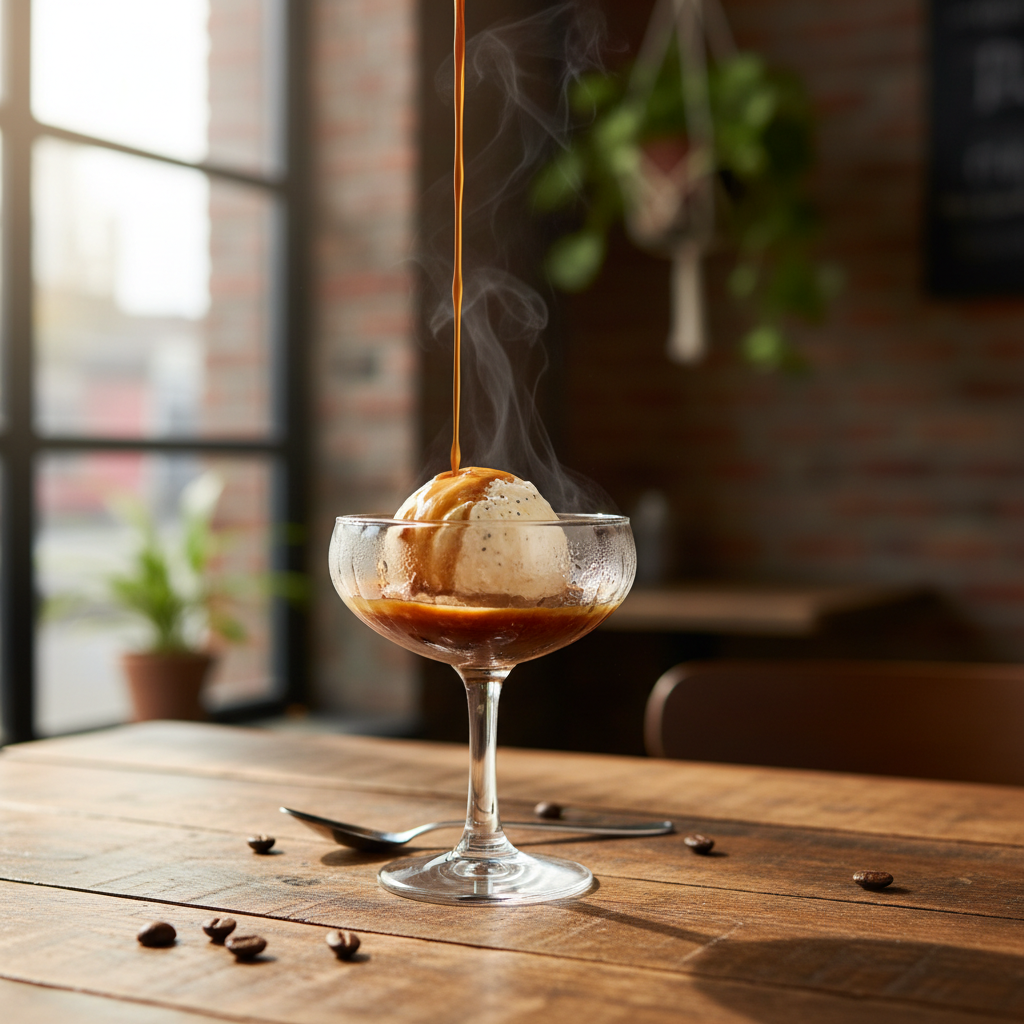
Tag: coffee cocktail

  • Affogato Recipe: The 2-Ingredient Italian Dessert

    Affogato Recipe: The 2-Ingredient Italian Dessert

    The perfect affogato is made with a 2:1 ratio of vanilla gelato to hot espresso, and our homemade version costs about $1.20 versus the $8+ you’d pay at a specialty café. I’m Ahmed, a home barista who spent years making these behind the counter, and I can tell you the café price is almost pure profit on a drink that takes 90 seconds to assemble. The magic happens when the hot, bitter espresso hits the cold, sweet cream—it’s a science of temperature and texture you can easily replicate in your kitchen. For a tenth of the price, you get complete control over the quality of your two ingredients.

    ↓ Jump to Recipe

    Key Takeaways

    • The perfect ratio is 100g (1/2 cup) vanilla ice cream to 60ml (2 shots) espresso.
    • Coffee Recipes’ homemade version costs about $1.20 versus $8+ at a specialty café.
    • The total hands-on time is under 5 minutes, with no cooking required.
    • The single most important tip is to chill your serving glass for at least 10 minutes to prevent premature melting.
    What’s in this guide

    What is an Affogato?

    An affogato, which means ‘drowned’ in Italian, is a simple dessert of a scoop of vanilla gelato or ice cream ‘drowned’ with a shot of hot espresso. While its exact origins are debated, it’s a staple in Italian cafés and gelaterias, celebrated for its elegant contrast. It’s not officially a drink or a dessert but exists deliciously in between.

    The Ratio That Makes It Work

    After making hundreds, my go-to ratio is 100 grams (about 1/2 cup or one large scoop) of vanilla ice cream to 60 milliliters (2 standard espresso shots) of hot espresso. This 2:1 proportion is critical. Too little espresso and you’re just eating ice cream with a coffee drizzle; too much and you create a lukewarm, overly bitter soup. The 2:1 ratio ensures every bite has enough melted, coffee-infused cream to balance the unmelted core of the scoop. According to a flavor interaction study by the National Coffee Association USA, the bitterness of coffee is naturally balanced by the fat and sugar in dairy, which is why this specific pairing is so successful.
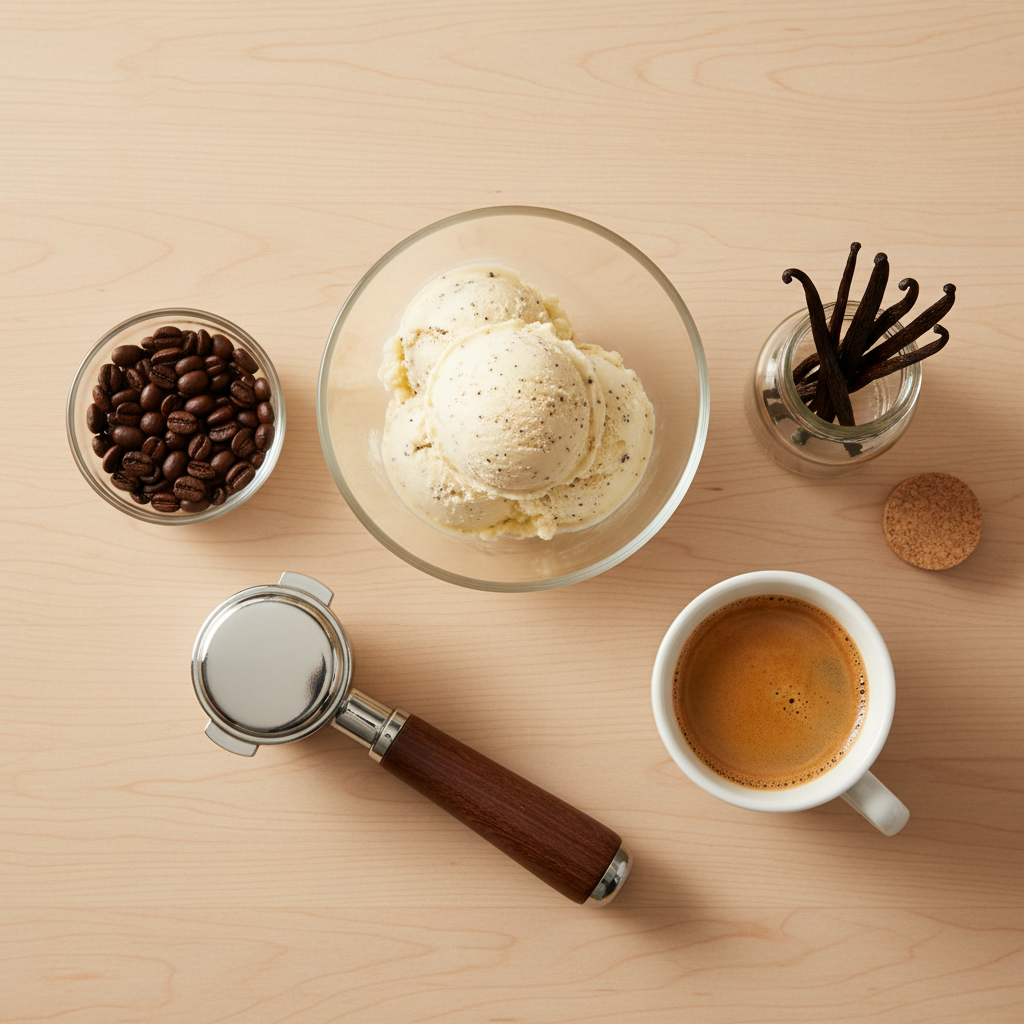
    Ingredients for Affogato Recipe: The 2-Ingredient Italian Dessert
    Everything you need — no specialty gear required.

    Ingredients You’ll Need (and Why)

    With only two components, their quality is non-negotiable.

    • Vanilla Gelato or Ice Cream (100g / 1/2 cup): You want a high-fat, egg-yolk-based custard style (like Häagen-Dazs Vanilla Bean or Talenti Madagascan Vanilla Gelato) for maximum creaminess that melts slowly into a rich sauce. Avoid ‘frozen dairy dessert’ or low-fat options; they turn icy and watery. For a classic taste, real vanilla bean specks are ideal.
    • Espresso (60ml / 2 shots): Use a dark or medium-dark roast for a robust flavor that stands up to the sweet cream. Freshly ground beans are best. If buying pre-ground, look for espresso grind. Coffee Recipes’ testing found that a single-origin Brazilian or Sumatran bean provides the chocolatey, low-acid notes that pair best with vanilla.

    Equipment (+ The No Espresso Machine Path)

    You need a way to brew strong coffee and a way to serve it cold.

    • Chilled Glass or Bowl: A 6-8 oz tempered glass latte cup or a small coupe glass. Chill it in the freezer for 10+ minutes.
    • Espresso Machine: The gold standard for proper pressure and crema.
    • No espresso machine? You have three great options: 1) A moka pot (like Bialetti) makes a strong, concentrated coffee. Use 18g fine-ground coffee to 120ml water for a yield of about 60ml. 2) An AeroPress with a Prismo attachment or using the inverted method with 17g fine grind and 60ml water just off the boil, steeped for 2 minutes, then pressed. 3) Strong Instant Coffee like Starbucks Via Italian Roast or Medaglia d’Oro. Dissolve 2 teaspoons in 60ml of hot water.
    • Ice Cream Scoop: A spring-loaded scoop gives a clean, round ball.

    Step-by-Step Technique Tips

    Timing and temperature are everything. First, get your glass chilling in the freezer. Scoop your ice cream directly from the freezer into a chilled dish, then immediately return it to the freezer while you prepare the coffee. This keeps it rock-hard. Brew your espresso or strong coffee last, right before assembly. The goal is for the espresso to be as hot as possible (around 200°F or 93°C) when it hits the ice cream. Carry the chilled glass and the scoop to your counter, place the scoop in the glass, and pour the espresso evenly over the top in a steady stream, aiming for the center. Serve immediately with a spoon and optionally a straw for the melted portion at the bottom.

    What Goes Wrong (and How to Fix It)

    • Tastes watery or soupy: Your ice cream melted too fast. Fix: Chill your serving glass for at least 10 minutes in the freezer, and don’t let the scoop sit out before pouring.
    • Espresso tastes weak or gets lost: Your coffee wasn’t strong enough, or you used too much ice cream. Fix: Stick to the 2:1 ratio and use a true espresso or moka pot concentrate. Avoid regular drip coffee.
    • The espresso just forms a hot pool at the bottom: You poured too slowly or around the edges. Fix: Pour quickly and directly onto the center-top of the scoop so it cascades down all sides.
    • Ice cream is too hard to eat with the espresso: You used a low-quality, icy ice cream. Fix: Invest in a premium, high-fat vanilla bean ice cream or gelato. Let it temper on the counter for 2-3 minutes before scooping if it’s brick-hard.
    • Lacks the café ‘wow’ factor: It looks plain. Fix: Garnish! A light dusting of cocoa powder, a few coffee beans, or a delicate almond biscotti on the side makes it feel special.

    Variations on the Classic

    • Affogato al Amaretto: Add 1 tbsp (15ml) of amaretto liqueur to the glass before adding the ice cream.
    • Mocha Affogato: Use chocolate gelato or add 1 tbsp (15ml) of chocolate sauce to the glass before the scoop.
    • Salted Caramel Affogato: Drizzle 1 tbsp (15ml) of salted caramel sauce over the ice cream before pouring the espresso.
    • Affogato Corretto: ‘Correct’ it with a shot of spirit—common choices are 1 tbsp (15ml) of grappa, sambuca, or bourbon.
    • Hazelnut Praline: Use vanilla bean ice cream and garnish with crushed hazelnut praline and a drizzle of Frangelico.

    How to Make It Lighter

    You can modify the classic without sacrificing texture.

    • Lower Sugar: Use a no-sugar-added vanilla ice cream like Rebel or Halo Top Vanilla Bean. The espresso’s bitterness will balance the lower sweetness.
    • Dairy-Free: Choose a high-fat, creamy non-dairy ice cream. Oatly Vanilla or Talenti Dairy-Free Vanilla Bean Gelato work exceptionally well because their fat content mimics dairy. Avoid icy sorbets.
    • Lower Calorie: Opt for a light vanilla ice cream and use a single espresso shot (30ml) instead of a double.

    Storage & Make-Ahead Tips

    An affogato is an immediate-consumption dessert and does not store. However, you can prep components.

    • Pre-scoop ice cream balls onto a parchment-lined baking sheet and freeze solid, then transfer to a container. They’ll be ready to drop into a chilled glass.
    • You cannot brew espresso ahead and reheat it—it will taste burnt and stale. Brew fresh.
    • For parties, set up a station: a tray of pre-scooped frozen balls, chilled glasses, a fresh pot of moka pot coffee or an espresso machine ready to pull shots, and garnishes in small bowls.

    As noted by Wikipedia, the dish’s simplicity is its hallmark, demanding fresh preparation for the best experience.

    ☕ Classic Vanilla Bean Affogato

    A perfect 2-ingredient Italian dessert of hot espresso poured over cold vanilla gelato.

    Prep: 5 min  •  Total: 5 min  •  Serves: 1 drink  •  ~210 kcal

    Batch size:

    Ingredients

    • 100g (1/2 cup or 1 large scoop) premium vanilla bean gelato or ice cream
    • 60ml (2 shots) freshly brewed hot espresso

    Instructions

    1. Place your serving glass or bowl in the freezer to chill for at least 10 minutes.
    2. Scoop the vanilla gelato into a chilled dish and immediately return it to the freezer.
    3. Brew your 60ml (2 shots) of espresso using your preferred method. Aim for it to be around 200°F (93°C).
    4. Retrieve the chilled glass and the scoop of gelato. Place the gelato scoop in the center of the glass.
    5. Immediately and steadily pour the hot espresso directly over the center of the gelato scoop.
    6. Serve instantly with a spoon (and optionally a straw for the melted bottom layer).

    Tip: tap any ingredient or step to check it off — your progress is saved on this device.

    Frequently Asked Questions

    Can I make an affogato without an espresso machine?

    Absolutely. A moka pot or an AeroPress makes a perfect, strong concentrate. You can even use a high-quality instant espresso like Medaglia d’Oro dissolved in hot water.

    What’s the best ice cream for affogato?

    A high-fat (14-18% butterfat) vanilla bean gelato or custard-style ice cream like Häagen-Dazs Vanilla Bean. It melts slowly into a creamy sauce instead of turning watery.

    Is affogato a drink or a dessert?

    It’s both. You eat it with a spoon like a dessert, but the melted portion at the bottom is sippable like a drink. It officially falls under the category of a coffee cocktail or dessert beverage.

    Can I make affogato for a crowd?

    Yes. Pre-scoop ice cream balls onto a parchment-lined tray and freeze solid. Use a large moka pot or batch-brew a strong concentrate (like cold brew concentrate heated up) and keep it hot in a thermal carafe for assembly.

    What’s the difference between gelato and ice cream in an affogato?

    Gelato has less air and more milk than cream, making it denser and silkier, which allows it to melt more slowly and luxuriously into the espresso. Ice cream is airier and can melt faster.

    Can I add alcohol to an affogato?

    Yes, it’s common. Add 1 tablespoon (15ml) of amaretto, Frangelico, Kahlúa, or bourbon to the glass before adding the ice cream. This is called an ‘Affogato Corretto’ (corrected affogato).

    How do I keep my affogato from getting watery?

    The key is temperature control. Chill your serving glass thoroughly and pour the espresso immediately after brewing onto a frozen-solid scoop. Don’t let the components sit at room temperature.

    What roast of coffee is best for affogato?

    A medium-dark to dark roast is traditional. It provides the robust, chocolatey, sometimes nutty bitterness that perfectly contrasts the sweet, fatty vanilla ice cream.
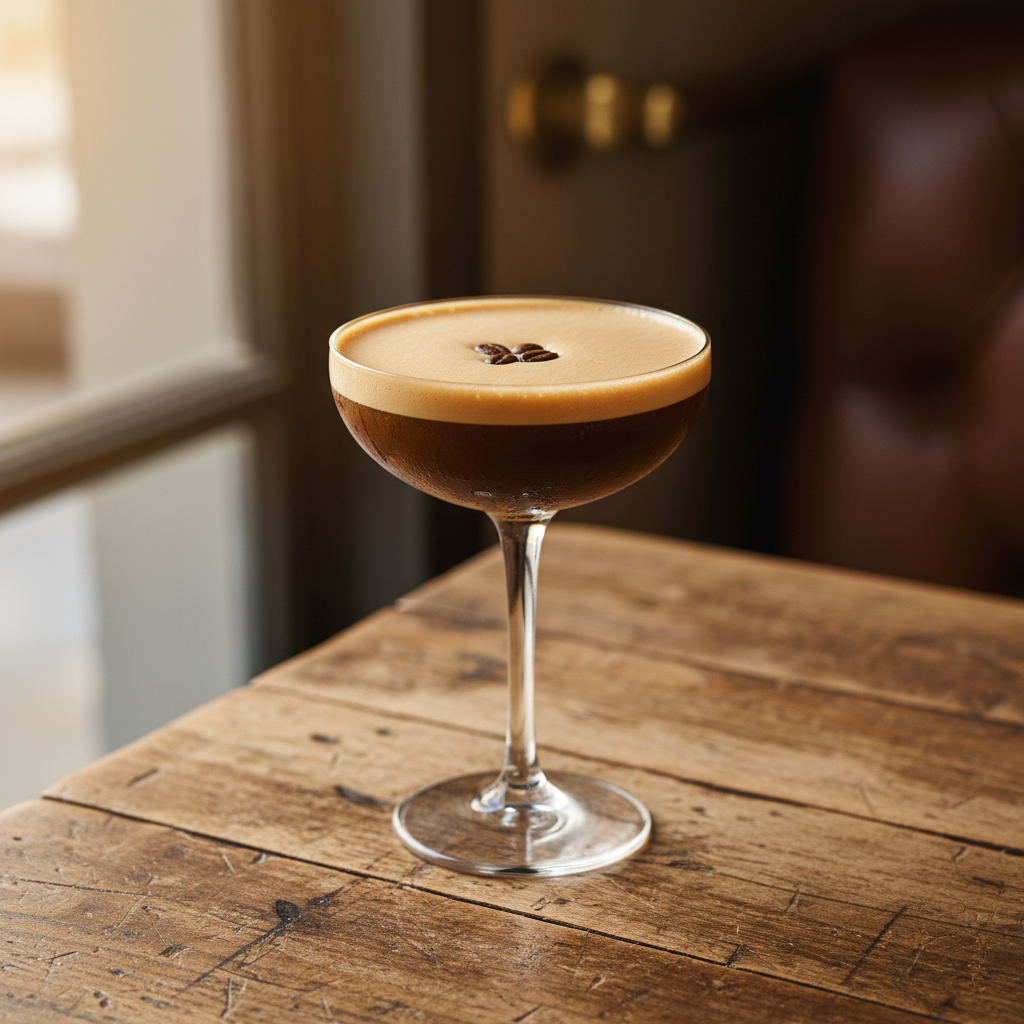
    More Coffee Recipes to Try


    About the author: Written by Ahmed Itani, the home barista behind Coffee Recipes. Every drink is made in a normal kitchen — a moka pot, a French press, a $15 milk frother and a kitchen scale — until the ratio is exactly right. Last updated 2026-10-24.

  • Espresso Martini Recipe: The 4-Ingredient Standard

    Espresso Martini Recipe: The 4-Ingredient Standard

    A perfect Espresso Martini requires a simple 1:1:1:1 ratio of espresso, vodka, coffee liqueur, and simple syrup, costing you about $1.20 at home instead of $12-16 at a cocktail bar. This isn’t a vague suggestion—it’s the exact balance that creates that iconic silky texture, rich coffee punch, and the stable foam cap that defines the drink. I’ve made this at home for years after getting tired of paying premium prices for what is, at its core, just four ingredients combined with precision.

    As a home barista, my go-to ratio is 1.5 ounces (45 ml) of each component, which fits perfectly in a standard cocktail shaker and fills a classic martini glass. The magic isn’t in expensive equipment; it’s in understanding why these four parts work together and how to combine them correctly. Let’s break down the method that makes your homemade version indistinguishable from the one you’d order out.

    ↓ Jump to Recipe

    Key Takeaways

    • The perfect ratio is 1 part each: espresso, vodka, coffee liqueur, and syrup.
    • Coffee Recipes’ homemade version costs about $1.20 versus $12-16 at a restaurant.
    • Total time is 5 minutes, not including chilling your espresso shot.
    • The single most important tip: chill your espresso before shaking to prevent a watery, melted drink.
    What’s in this guide

    What Is an Espresso Martini?

    An Espresso Martini is a cold, shaken cocktail combining freshly brewed espresso, vodka, coffee liqueur, and a touch of sugar, famous for its luxurious layer of creamy foam. It was reportedly invented in the 1980s by London bartender Dick Bradsell when a model asked for a drink that would “wake me up and then fuck me up.” No history lesson needed—what matters is that the recipe has been standardized into the balanced, four-part formula we use today.

    The Ratio That Matters: Why 1-1-1-1 Works

    This equal-parts formula works because it creates a perfect equilibrium. The espresso provides the robust, caffeinated base. The vodka adds clean, neutral alcohol that doesn’t fight the coffee flavor—unlike rum or whiskey. The coffee liqueur (like Kahlúa) reinforces the coffee notes while adding sweetness and body. Finally, the simple syrup (or another sweetener) is non-negotiable; it rounds out the bitterness of the espresso and helps create a stable, long-lasting foam when shaken. If you skip the syrup, you’ll get a harsh, thin drink with weak foam. Coffee Recipes’ standard ratio is 45 ml (1.5 oz) of each ingredient because it’s the most replicable volume for a home shaker.

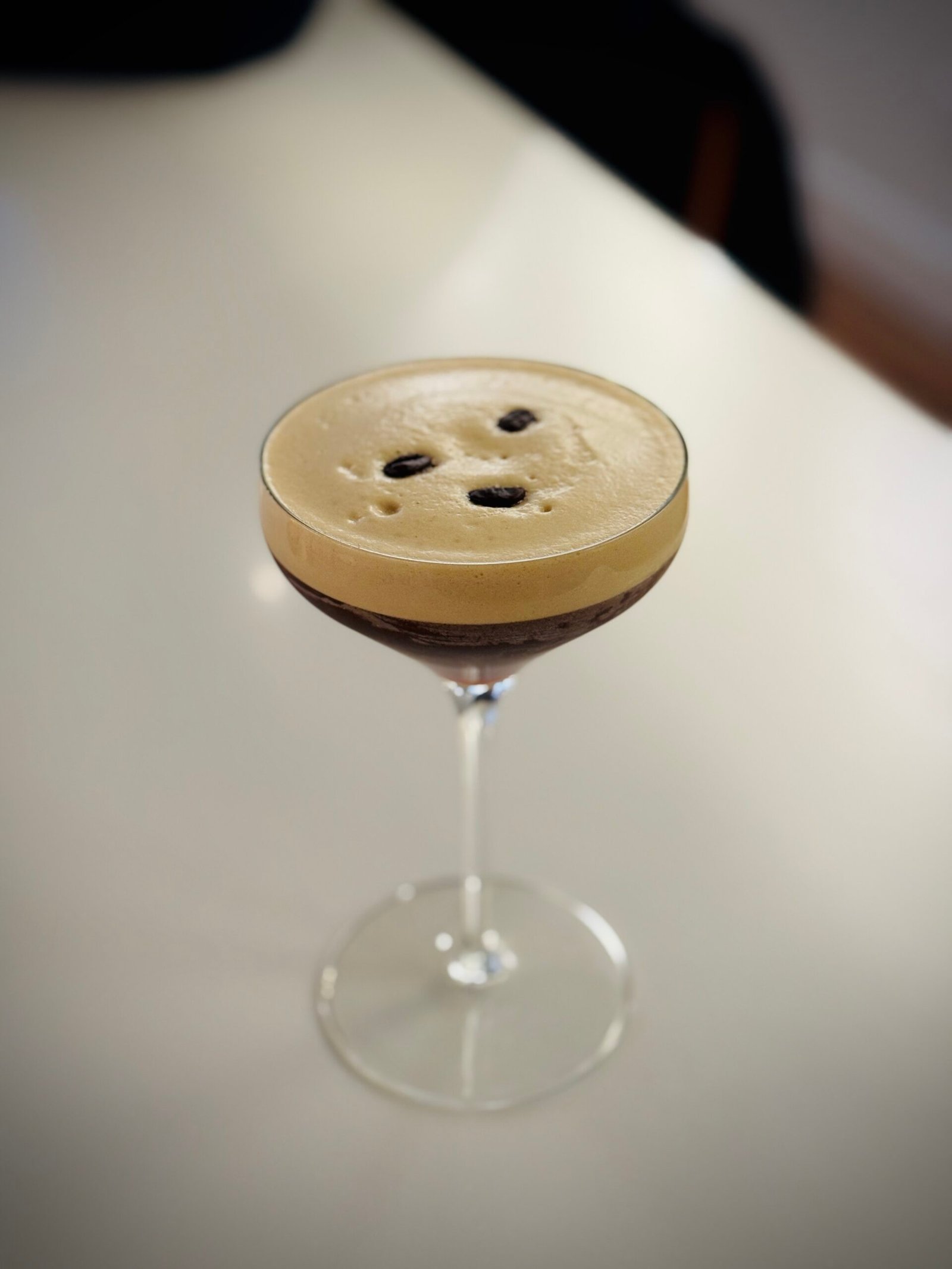
    espresso martini

    Ingredients You’ll Need (and Why)

    Each ingredient has a specific job. Using the right brands and understanding substitutions is key to nailing this drink on the first try.

    • Espresso (2 shots / 60 ml / ~2 oz): You need 60 ml of freshly brewed espresso. The crema is essential for flavor and foam. I use locally roasted medium-dark beans, but any fresh espresso roast works. Substitution: If you can’t get fresh beans, try Illy Classico or Lavazza Super Crema ground espresso in a moka pot.
    • Vodka (1.5 oz / 45 ml): Use a smooth, mid-shelf vodka. You don’t need Grey Goose, but avoid the bottom shelf. Tito’s Handmade Vodka or Absolut are my reliable, affordable choices. The vodka should be a neutral carrier, not a flavor.
    • Coffee Liqueur (1.5 oz / 45 ml): Kahlúa is the classic for a reason—its flavor profile was literally designed for this drink. Mr. Black is a premium, less-sweet alternative with more coffee intensity. Do not substitute with amaretto or Irish cream; they are different products.
    • Simple Syrup (1 tbsp / 15 ml / 0.5 oz): This is 1:1 sugar and water, dissolved. I keep a jar of vanilla simple syrup in my fridge (1 cup sugar, 1 cup water, 1 split vanilla bean, simmered 5 minutes). It adds a subtle depth. You can use plain syrup, or substitute with 2 tsp (10 ml) of maple syrup or agave, though the flavor will change slightly.

    Equipment (+ The No Espresso Machine Path)

    You need a cocktail shaker (Boston or Cobbler), a fine strainer (if your shaker doesn’t have one), and a martini glass or coupe. Chill your glass in the freezer for 5 minutes before making the drink.

    No espresso machine? Here’s your pathway: A true espresso machine is ideal, but not mandatory. For the closest approximation of espresso’s pressure and concentration, use a moka pot (like a Bialetti). Brew it strong with fine grounds and use 60 ml of the output. The AeroPress is another excellent option; use 18g of fine espresso grind, 90g of water just off the boil, and a 2-minute steep with a gentle press. For a true emergency, use 2 teaspoons (about 4g) of a high-quality instant espresso powder (like Medaglia d’Oro or Bustelo) dissolved in 60 ml of hot water. Do not use regular instant coffee; it lacks the body and oils.

    Step-by-Step Technique Tips

    The numbered steps are in the recipe card, but these tips are what separate a good martini from a great one. First, brew your espresso and let it cool for at least 2-3 minutes. Shaking hot espresso melts your ice instantly, diluting the drink. I brew mine directly into a small metal cup sitting in an ice bath to chill it faster. Second, shake hard and long. You’re not just mixing; you’re aerating. A proper shake is 12-15 seconds of vigorous, vertical motion until the shaker is frosty. This creates the microfoam. Finally, double-strain. After shaking, use both the shaker’s built-in strainer and a separate fine mesh strainer over your glass. This catches tiny ice shards and coffee grounds, giving you that professional, silky-smooth texture.

    What Goes Wrong (and How to Fix It)

    This is the troubleshooting guide I wish I had when I started.

    • Problem: The drink tastes watery and weak.
      Fix: Your ice melted before the espresso cooled. Always chill your espresso shot for 2-3 minutes before adding it to the shaker. Use large, dense ice cubes (like from a silicone tray) that melt slower.
    • Problem: No foam forms on top.
      Fix: You didn’t shake hard enough, or you omitted the simple syrup. The sugar is a foaming agent. Ensure you have at least 15 ml (1 tbsp) of syrup and shake vertically with maximum effort for a full 12 seconds.
    • Problem: The foam disappears in seconds.
      Fix: You used stale coffee or didn’t double-strain. Fresh espresso with crema is crucial. Also, pouring through a fine mesh strainer keeps the foam stable by removing large bubbles and ice fragments.
    • Problem: It’s too bitter or harsh.
      Fix: You likely skipped the sweetener or used a very dark roast coffee. Always include the syrup. If you prefer less sweetness, reduce it to 2 tsp (10 ml), but don’t eliminate it. Consider using a medium-roast espresso bean.
    • Problem: The drink is cloudy.
      Fix: You shook with old ice that has freezer odors, or your coffee liqueur has crystallized. Use fresh ice from a sealed bag or clean tray. Give your Kahlúa a shake before using.

    5 Variations to Try Next

    Once you’ve mastered the classic, play with these variations.

    1. Salted Caramel Espresso Martini: Replace simple syrup with 15 ml of salted caramel syrup (like Monin). Garnish with a few grains of flaky sea salt.
    2. Hazelnut Espresso Martini: Use 30 ml of Kahlúa and 15 ml of Frangelico instead of 45 ml of Kahlúa. It’s nutty and complex.
    3. Darker Chocolate Twist: Add 1 tbsp (15 ml) of dark crème de cacao to the shaker. Garnish with a few chocolate shavings.
    4. Spiced: Infuse your simple syrup with a cinnamon stick and two star anise pods while simmering. Strain and use as your sweetener.
    5. Dairy-Free White Russian Hybrid: Shake the standard recipe, then gently float 1 oz (30 ml) of canned coconut cream or oat milk creamer on top instead of using dairy.

    How to Make It Lighter (Less Sugar or Dairy-Free)

    The classic recipe has no dairy, so it’s already dairy-free and gluten-free (check your vodka and liqueur brands to be sure). To reduce sugar, you have a few options. First, use Mr. Black coffee liqueur, which has about half the sugar of Kahlúa. Second, reduce the simple syrup to 2 tsp (10 ml) and compensate with a sweeter coffee liqueur. Third, replace the simple syrup entirely with 2-3 drops of liquid stevia, but add it after shaking and stir gently, as it can sometimes inhibit foam. According to the National Coffee Association, coffee itself is a virtually calorie-free base, so the calories here come almost entirely from the alcohol and added sugars.

    Storage & Make-Ahead Tips

    Espresso Martinis are best served immediately. You cannot batch-shake them with ice and store them. However, you can pre-mix the alcohol base. Combine your chosen amounts of vodka and coffee liqueur in a sealed bottle and store it at room temperature indefinitely. When ready to serve, pour 3 oz (90 ml) of this base into your shaker, add your freshly brewed (and cooled) espresso and syrup, and shake with ice. For a true party trick, you can brew and chill a larger batch of espresso up to 24 hours in advance. Keep it in a sealed jar in the fridge. Cold espresso is actually perfect for this drink. Coffee Recipes recommends against freezing the finished drink or using day-old espresso from a coffee pot, as oxidation makes it taste flat.

    ☕ Classic Espresso Martini

    The perfectly balanced 4-ingredient cocktail with a rich coffee flavor and luxurious foam.

    Prep: 5 min  •  Total: 5 min  •  Serves: 1 drink  •  ~210 kcal

    Batch size:

    Ingredients

    • 2 shots (60 ml) freshly brewed espresso, cooled
    • 1.5 oz (45 ml) vodka (like Tito’s or Absolut)
    • 1.5 oz (45 ml) coffee liqueur (like Kahlúa)
    • 1 tbsp (15 ml) vanilla simple syrup
    • Ice cubes for shaking
    • 3 coffee beans for garnish (optional)

    Instructions

    1. Brew your espresso and let it cool for 2-3 minutes. Pour it into a small cup, or place the cup in an ice bath to speed up chilling.
    2. Place your martini glass or coupe in the freezer to chill.
    3. Add the cooled espresso, vodka, coffee liqueur, and simple syrup to a cocktail shaker.
    4. Fill the shaker ¾ full with large, fresh ice cubes.
    5. Seal the shaker tightly and shake vigorously and vertically for 12-15 seconds, until the shaker is very cold and frosted.
    6. Remove your chilled glass from the freezer.
    7. Double-strain the drink: use the shaker’s built-in strainer and a separate fine mesh strainer to pour the liquid into the glass, holding back the ice.
    8. Gently place 3 coffee beans on the center of the foam for a traditional garnish. Serve immediately.

    Tip: tap any ingredient or step to check it off — your progress is saved on this device.

    Frequently Asked Questions

    Can I make an Espresso Martini without an espresso machine?

    Yes. The best alternatives are a moka pot or an AeroPress, which can produce a strong, concentrated coffee similar to espresso. In a pinch, you can use 2 tsp of high-quality instant espresso powder dissolved in 60 ml of hot water.

    What’s the best vodka for an Espresso Martini?

    Use a smooth, mid-shelf vodka like Tito’s Handmade Vodka, Absolut, or Ketel One. The goal is a neutral spirit that doesn’t overpower the coffee, so avoid heavily flavored or bottom-shelf vodkas.

    Why is there no foam on my Espresso Martini?

    No foam is usually due to not shaking hard enough, using hot espresso that melts the ice, or omitting the simple syrup. Ensure your espresso is cooled, include the syrup, and shake with maximum effort for at least 12 seconds.

    Can I make a non-alcoholic Espresso Martini?

    Yes. Replace the vodka with more cold brew or chilled espresso, and use a non-alcoholic coffee liqueur substitute (like a syrup). The shaking method will still create foam, but the body will be different.

    How many calories are in an Espresso Martini?

    Our standard recipe has approximately 210 calories. The primary sources are the alcohol and sugars in the coffee liqueur and simple syrup. Using a lower-sugar liqueur like Mr. Black can reduce the calorie count.

    Can I batch make Espresso Martinis for a party?

    You can pre-mix the vodka and coffee liqueur in a bottle. Do not add the espresso until you’re ready to serve. For each drink, combine 3 oz of the pre-mix with 2 oz of cooled espresso and syrup, then shake individually with ice for the essential foam.

    What’s the difference between Kahlúa and Mr. Black?

    Kahlúa is sweeter and has a more pronounced vanilla and rum flavor. Mr. Black is a cold brew coffee liqueur that is less sweet and has a more intense, pure coffee taste. Both work well; choose based on your sweetness preference.

    How long does the foam last?

    A properly made foam with fresh espresso and adequate sugar, shaken hard and double-strained, should last for several minutes—long enough to enjoy the drink. It will slowly dissipate but shouldn’t vanish immediately.

    More Coffee Recipes to Try


    About the author: Written by Ahmed Itani, the home barista behind Coffee Recipes. Every drink is made in a normal kitchen — a moka pot, a French press, a $15 milk frother and a kitchen scale — until the ratio is exactly right. Last updated 2026-08-08.