Tag: coffee at home

  • Cortado vs Flat White vs Macchiato: One Chart

    Cortado vs Flat White vs Macchiato: One Chart

    The cortado vs flat white difference boils down to a simple ratio: a cortado is a 1:1 balance of espresso to steamed milk, while a flat white is a 1:2 ratio with velvety microfoam, and you can make either at home for about $0.70 instead of paying $5.50 at the café. I’m Ahmed, and after two years pulling shots behind a commercial machine, I’ve perfected these ratios in my home kitchen. The secret isn’t a $3,000 espresso setup—it’s understanding the milk. Once you nail the texture and temperature, you can replicate your favorite café order with startling accuracy, saving hundreds of dollars a year.

    This guide isn’t just about definitions; it’s the exact blueprint I use. We’ll cover the one chart that explains cortado vs flat white vs macchiato, then dive into the ingredients, equipment (including no-machine options), and the step-by-step technique that gets you a perfect pour every time. Let’s settle the debate with a measuring cup and a milk pitcher.

    ↓ Jump to Recipe

    Key Takeaways

    • A cortado uses a 1:1 espresso-to-milk ratio with minimal foam, while a flat white is 1:2 with velvety microfoam.
    • Coffee Recipes’ homemade version costs about $0.70 per drink versus $5.50 at a specialty café.
    • Total time is under 5 minutes with prepped espresso.
    • The single most important tip is to steam your milk to between 140–150°F (60–65°C) for perfect sweetness and texture.
    What’s in this guide

    What is a Cortado, Flat White, and Macchiato?

    Each drink is defined by its specific espresso-to-milk ratio and milk texture. A cortado (from the Spanish “to cut”) is precisely 2 ounces (60 ml) of espresso “cut” with 2 ounces (60 ml) of steamed milk with just a whisper of foam to integrate it. A flat white, with roots in Australia and New Zealand, is typically 2 shots (60 ml) of espresso with 4 ounces (120 ml) of steamed milk featuring a thin layer of velvety, integrated microfoam—it’s “flat” compared to the domed foam of a cappuccino. An espresso macchiato (Italian for “stained” or “marked”) is simply a shot of espresso “marked” with a dollop (about 1-2 teaspoons) of foamed milk.

    Why Does the Ratio Matter?

    The ratio dictates the entire drinking experience. A 1:1 cortado ratio creates a strong, balanced drink where the espresso’s character remains prominent but is softened by the milk’s sweetness and fat. It’s my go-to afternoon drink when I want coffee flavor without the intensity of a straight shot. The 1:2 flat white ratio provides more milk volume, creating a creamier, smoother beverage that’s still espresso-forward but more approachable for all-day drinking. According to the National Coffee Association, milk’s natural sugars caramelize when steamed to the correct temperature (140–150°F), enhancing sweetness. Getting the ratio wrong means your cortado tastes like a weak latte or your flat white is too strong.

    Ingredients for Cortado vs Flat White vs Macchiato: One Chart
    Everything you need — no specialty gear required.

    What Ingredients You’ll Need (and Why)

    You only need two core ingredients, but quality matters.

    • Espresso Beans (18-20g / ~2 tbsp ground): Use a medium or medium-dark roast for balanced flavor. Lighter roasts can taste too acidic with milk. I keep a bag of Counter Culture’s “Forty-Six” or Intelligentsia’s “Black Cat Analog” on hand for their consistent, chocolatey notes that stand up to milk. Pre-ground for espresso is okay in a pinch, but grinding fresh right before brewing makes a noticeable difference in crema and flavor.
    • Whole Milk (2-4 oz / 60-120 ml): Whole milk (about 3.25% fat) is the standard because its fat content creates the richest, sweetest microfoam. The proteins in milk are what allow it to stretch and foam properly. For a definitive guide on milk science, Wikipedia’s entry on milk composition is surprisingly useful.
    • Substitutions: For a lighter option, 2% milk works but yields slightly less creamy foam. Oat milk (like Oatly Barista Edition) or whole-fat soy milk are the best non-dairy substitutes because they contain fats and proteins that mimic dairy’s steaming properties.

    Essential Equipment (+ The No Espresso Machine Path)

    You need a way to make strong coffee and heat/texture milk.

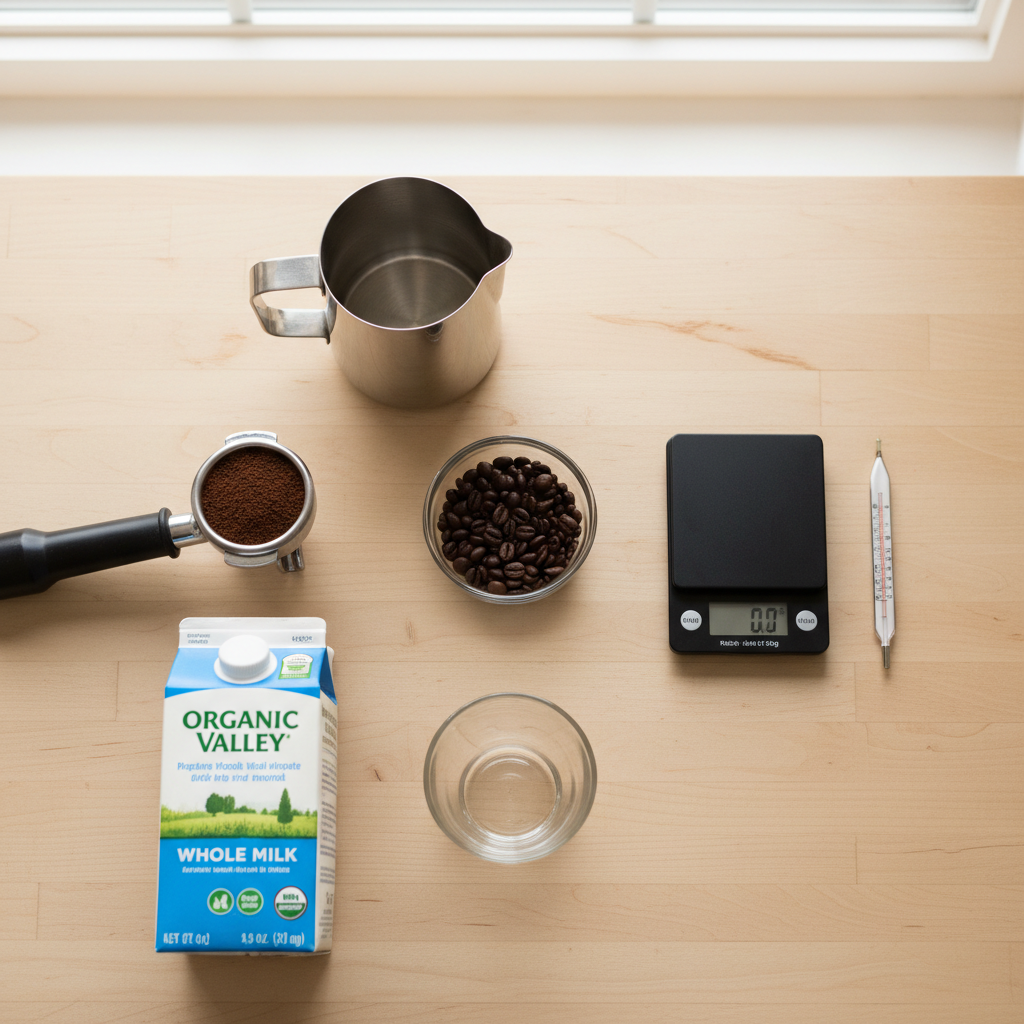
    • Espresso Machine (with steam wand): Ideal. I use a Breville Bambino Plus—it’s a home machine that genuinely creates café-quality microfoam.
    • Grinder: A burr grinder (like the Baratza Encore) for consistent grounds.
    • Scale: A digital kitchen scale (measuring in 0.1g increments) is non-negotiable for hitting the exact 18g coffee dose.
    • Small Pitcher: A 12-ounce stainless steel milk pitcher gives you control.
    • Thermometer: A quick-read milk thermometer stops you at 150°F.
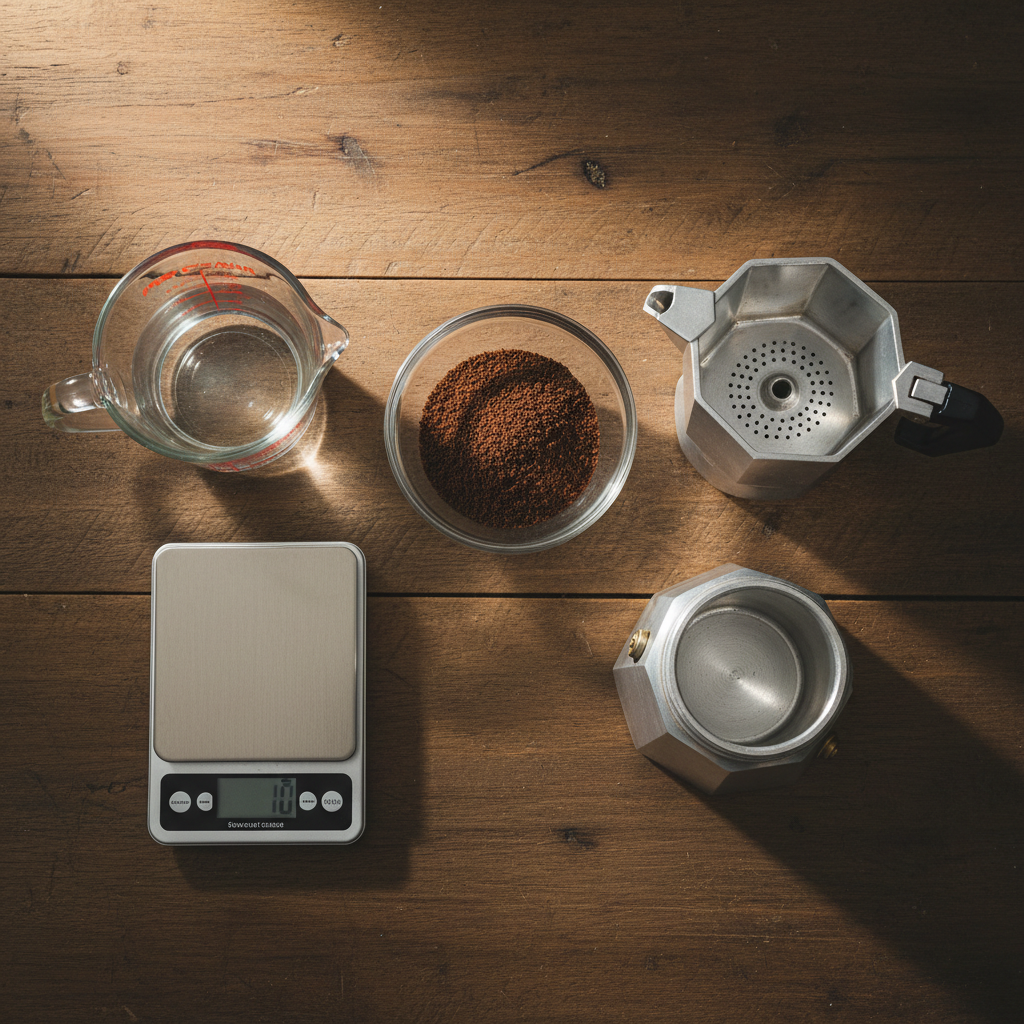
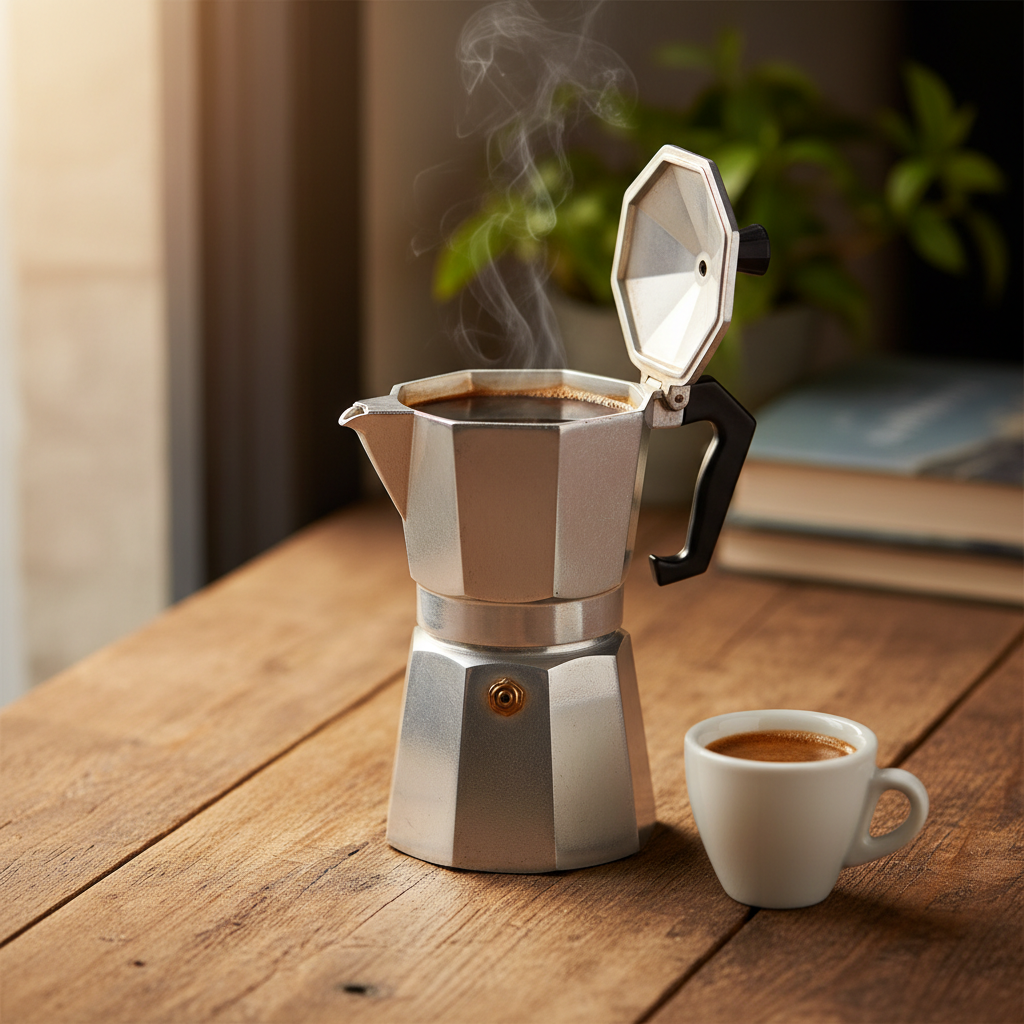
    • NO ESPRESSO MACHINE? HERE’S YOUR PATH: You can build a convincing drink without a machine. For the espresso: use a Moka pot (produces a strong, concentrated coffee), an AeroPress (with a fine grind and 2 minutes steep time), or even 2 tsp of high-quality instant coffee (like Starbucks Via Italian Roast) dissolved in 2 oz of hot water. For the milk: heat it in a small saucepan to 150°F, then use a French press to foam it. Pour hot milk into a clean French press, pump the plunger vigorously for 30 seconds, and you’ll get a decent froth.

    Step-by-Step Technique for Perfect Texture

    This is where the magic happens. First, pull your espresso directly into your serving cup (a 4-6 oz Gibraltar glass is traditional for cortados). While it pulls, steam your milk. Submerge the steam wand tip just below the milk’s surface to introduce air with a gentle tearing sound for 3-5 seconds—this is “stretching” the milk to create foam. Then, plunge the wand deeper to create a vortex, heating the milk evenly to 140–150°F (60–65°C). Tap the pitcher firmly on the counter to pop any large bubbles, then swirl it to integrate the foam into the liquid milk until it’s shiny and looks like wet paint. For a cortado, pour the milk gently down the side of the cup to integrate. For a flat white, pour from a slightly higher height initially to sink the milk, then bring the pitcher spout close to the cup’s surface to layer the microfoam on top.

    What Goes Wrong (and How to Fix It)

    Even with the right ratio, small errors can throw off your drink.

    • Tastes watery or weak: Your milk was too hot (over 155°F). High heat breaks down milk sugars and proteins, killing sweetness and making it taste thin. Use a thermometer and stop at 150°F.
    • Milk foam is bubbly and separates instantly: You stretched (aerated) the milk for too long. You only need that tearing sound for a few seconds to incorporate air before you plunge the wand to heat and texture it. For a cortado, aim for almost no stretching.
    • Drink is lukewarm: Your cup was cold. Preheat your serving cup with hot water from the tap while you prepare your espresso. This is a simple trick Coffee Recipes recommends to maintain ideal drinking temperature from first sip to last.
    • Espresso tastes burnt or bitter: Your coffee is either ground too finely (over-extracting) or your machine water is too hot. If using a Moka pot, remove it from the heat as soon as you hear a gurgling sound.
    • No “latte art” or defined layers: Your milk and espresso aren’t integrating. This usually means your milk texture is too thick or foamy. Swirl your steamed milk more vigorously in the pitcher before pouring to fully integrate the foam into the liquid.

    5 Variations to Try at Home

    Once you master the base, experiment.

    1. Honey Cortado: Add 1 tsp (5 ml) of raw honey to the espresso before adding milk.
    2. Dalgona Flat White: Top your flat white with a spoonful of whipped instant coffee mixture for a sweet, textured contrast.
    3. Cuban Cortado (Cortadito): Dissolve 1-2 tsp of demerara sugar into the hot espresso to create a sweet crema, then add steamed milk.
    4. Iced Flat White: Pull espresso over a large ice cube in a rocks glass. Shake cold milk with a pinch of xanthan gum in a cocktail shaker for a creamy, foam-like texture, then pour over.
    5. Spiced Macchiato: Add a pinch of cinnamon or cardamom to your espresso grounds before pulling the shot.

    How to Make It Lighter or Dairy-Free

    For a lower-sugar option, skip flavored syrups and rely on the natural sweetness of properly steamed milk. For dairy-free, choose your milk carefully. Oat milk (Oatly Barista, Chobani Extra Creamy) steams best due to added oils and stabilizers. Almond milk often separates with heat; if using it, a splash of creamer can help. For a protein boost, fairlife milk has higher protein and less sugar but steams similarly to whole milk. Coffee Recipes’ testing found that barista-formula non-dairy milks consistently produce the best foam for home machines.

    Storage & Make-Ahead Tips

    These are drinks best made fresh. However, you can prep components. You can pull espresso shots ahead of time and store them in a small, sealed jar in the fridge for up to 24 hours—gently reheat in a hot water bath, not the microwave, to preserve flavor. You cannot store steamed milk; it separates and loses texture. For a true make-ahead, consider cold brew concentrate. Mix 2 oz of concentrate with 2 oz of cold milk for an iced cortado. For chain-inspired drinks, Starbucks’ official menu lists their macchiato as espresso marked with foam, which is the classic preparation we use here.

    ☕ Classic Cortado (1:1 Ratio)

    A perfectly balanced espresso drink with equal parts espresso and lightly steamed milk.

    Prep: 3 min  •  Total: 5 min  •  Serves: 1 drink  •  ~80 kcal

    Batch size:

    Ingredients

    • 2 shots (60 ml) espresso (from 1820g / ~2 tbsp ground coffee)
    • 2 oz (60 ml) whole milk

    Instructions

    1. Grind 18-20g of coffee to a fine espresso consistency.
    2. Pull 2 shots (60 ml total) of espresso directly into a pre-warmed 4-6 oz glass.
    3. While espresso pulls, pour 2 oz of cold whole milk into a steaming pitcher.
    4. Steam milk: stretch (aerate) for 3-5 seconds, then heat to 140–150°F (60–65°C).
    5. Tap pitcher on counter to pop large bubbles, then swirl until milk is glossy.
    6. Gently pour steamed milk into the center of the espresso, aiming to integrate.

    Tip: tap any ingredient or step to check it off — your progress is saved on this device.

    Frequently Asked Questions

    What’s the main difference between a cortado and a flat white?

    The main difference is the milk-to-espresso ratio and milk texture. A cortado is a strict 1:1 ratio (2 oz espresso to 2 oz milk) with minimal foam. A flat white is a 1:2 ratio (2 oz espresso to 4 oz milk) with a velvety layer of integrated microfoam throughout the drink.

    Which is stronger, cortado or flat white?

    A cortado is stronger in flavor because it has less milk diluting the espresso. The 1:1 ratio means the coffee’s intensity is more prominent. A flat white is smoother and creamier due to the higher milk volume.

    Can I make a cortado without an espresso machine?

    Yes. Use a Moka pot or AeroPress to make a strong, concentrated coffee (about 2 oz). For the milk, heat 2 oz of milk to 150°F in a saucepan, then froth it using a handheld frother or by pumping it in a French press for 30 seconds. Combine.

    What kind of milk is best for a flat white?

    Whole milk (3.25% fat) is best because its fat and protein content creates the signature silky microfoam. For a non-dairy option, barista-formula oat milk (like Oatly Barista Edition) is the closest substitute for steaming and flavor.

    Is a macchiato just a small latte?

    No. An espresso macchiato is a shot of espresso with just a small dollop (1-2 teaspoons) of foamed milk on top. A latte has a much higher milk-to-espresso ratio (typically 1:3 or more) and is milk-forward in flavor.

    How many calories are in a cortado?

    A cortado made with 2 oz of whole milk contains approximately 80 calories, primarily from the milk’s natural sugars and fat. Using skim milk reduces it to about 50 calories, but also reduces the creamy texture.

    What’s the ideal serving size for a flat white?

    A traditional flat white is served in a 5-6 oz cup, containing roughly 2 oz of espresso and 4 oz of steamed milk. This smaller size compared to a latte ensures the espresso flavor remains the star.

    Can I make these drinks iced?

    Absolutely. For an iced cortado, pull espresso over a large ice cube. Add 2 oz of cold milk. For an iced flat white, use 2 oz espresso, 4 oz cold milk, and shake the milk vigorously with one ice cube to create a light froth before pouring.

    More Coffee Recipes to Try


    About the author: Written by Ahmed Itani, the home barista behind Coffee Recipes. Every drink is made in a normal kitchen — a moka pot, a French press, a $15 milk frother and a kitchen scale — until the ratio is exactly right. Last updated 2026-09-14.

  • Iced Coffee Recipes: 30+ Cold Drinks to Make at Home

    Iced Coffee Recipes: 30+ Cold Drinks to Make at Home

    You can make café-quality iced coffee at home for roughly $0.60 a glass by mastering one simple ratio. My go-to method, which anchors over 30 recipes in this guide, combines two shots of espresso or ½ cup of strong cold brew with ¾ cup of milk and ice for a perfectly balanced drink. As the National Coffee Association reports, cold coffee consumption has grown steadily, and you can skip the $5+ drive-through price by learning a few barista techniques in your own kitchen.

    I’m Ahmed, and after two years behind the bar, I’ve broken down every popular iced coffee into its core components. This isn’t about fancy equipment—it’s about precise ratios and understanding why a drink works. Whether you crave a smooth cold brew, a creamy latte, or a frozen treat, you’ll find the exact recipe and the fixes for common mistakes.

    ↓ Jump to Recipe

    Key Takeaways

    • A strong 1:4 coffee-to-water ratio is key for cold brew that won’t get watery.
    • Making iced coffee at home costs about $0.60 per glass versus $5.75 at a café.
    • Most recipes take 5 minutes of active time, with overnight cold brew being the exception.
    • Chill your espresso or strong coffee for 2 minutes before pouring over ice to prevent melting.
    What’s in this guide

    What is Iced Coffee?

    Iced coffee is any coffee-based drink served chilled, typically over ice. The method matters: espresso chilled over ice creates a bright, strong base, while slow-steeped cold brew is smoother and less acidic.

    The One Ratio That Matters

    For any iced coffee drink that isn’t drowned by melted ice, you need a concentrated base. For espresso drinks, that’s a 1:2 to 1:3 ratio of espresso to milk/water. For cold brew, a 1:4 coffee-to-water brew ratio yields a concentrate you can dilute. Coffee Recipes’ homemade version costs about $0.60 a glass versus $5.75 at the drive-through, and this concentration is the reason why.

    Ingredients for Iced Coffee Recipes: 30+ Cold Drinks to Make at Home
    Everything you need — no specialty gear required.

    Ingredients You’ll Need

    Coffee: Use freshly ground, medium-to-dark roast beans for the best flavor. For cold brew, a coarse grind is essential. I buy whole beans from local roasters or use Eight O’Clock Coffee for a reliable, affordable option. Pre-ground is fine for quick iced coffee if it’s all you have.

    Milk & Cream: Whole milk (3.25%) creates the creamiest texture. For dairy-free, Oatly Barista Edition or Califia Farms Almond Milk froth and blend well. Heavy cream (35%) is for richness in drinks like Vietnamese Iced Coffee.

    Sweeteners: Simple syrup (1:1 sugar:water) integrates instantly into cold drinks. Monin or Torani syrups offer consistent flavor for vanilla, caramel, or hazelnut lattes. For a healthier touch, try maple syrup or agave.

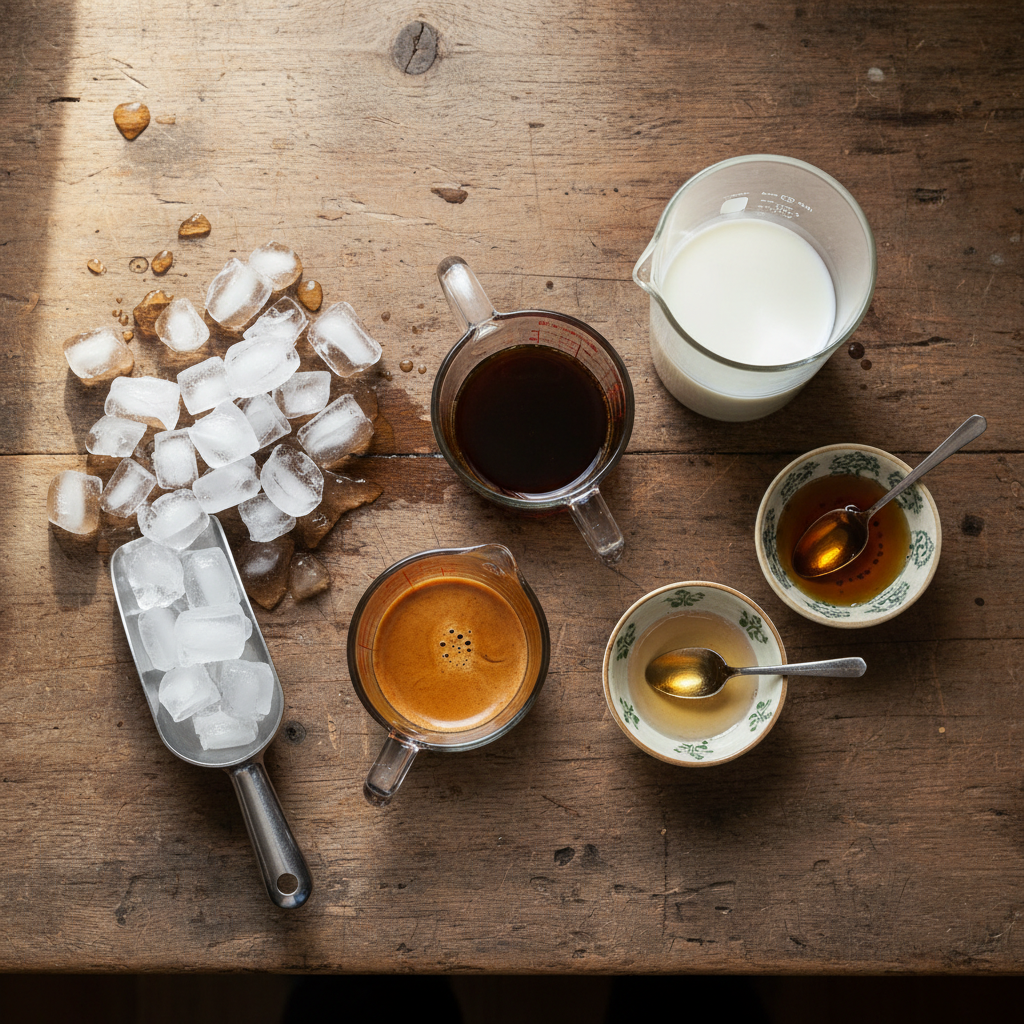
    Ice: Use filtered water ice cubes to avoid off-flavors. Larger cubes or spheres melt slower, keeping your drink strong longer.

    Essential Equipment (and the No-Machine Path)

    You don’t need a $500 setup. Here’s the core kit:

    For Brewing: A French press ($30) is my top pick—it makes cold brew and hot coffee. A standard 12-cup drip coffee maker works, too. For espresso-based drinks without a machine, a Moka pot ($40) makes strong, concentrated coffee, or an AeroPress ($40) with a fine grind and a metal filter can create an espresso-like shot. In a real pinch, a tablespoon of high-quality instant coffee (like Starbucks Via Instant) dissolved in 2 tbsp of hot water makes a serviceable base.

    For Mixing: A 16-ounce mason jar with a lid for shaking, a small whisk, and a long spoon. A blender is necessary only for the frozen recipes.

    Barista Technique Tips

    Always brew your coffee stronger than you would for a hot drink to account for dilution from ice. If using hot espresso or coffee from a drip machine, let it cool on the counter for 2-3 minutes before pouring over ice; this prevents rapid melting. For layered drinks, pour cold milk over ice first, then slowly add the espresso over the back of a spoon. To make simple syrup, combine 1 cup of sugar and 1 cup of water in a saucepan, heat until dissolved, then cool and store in the fridge for up to a month.

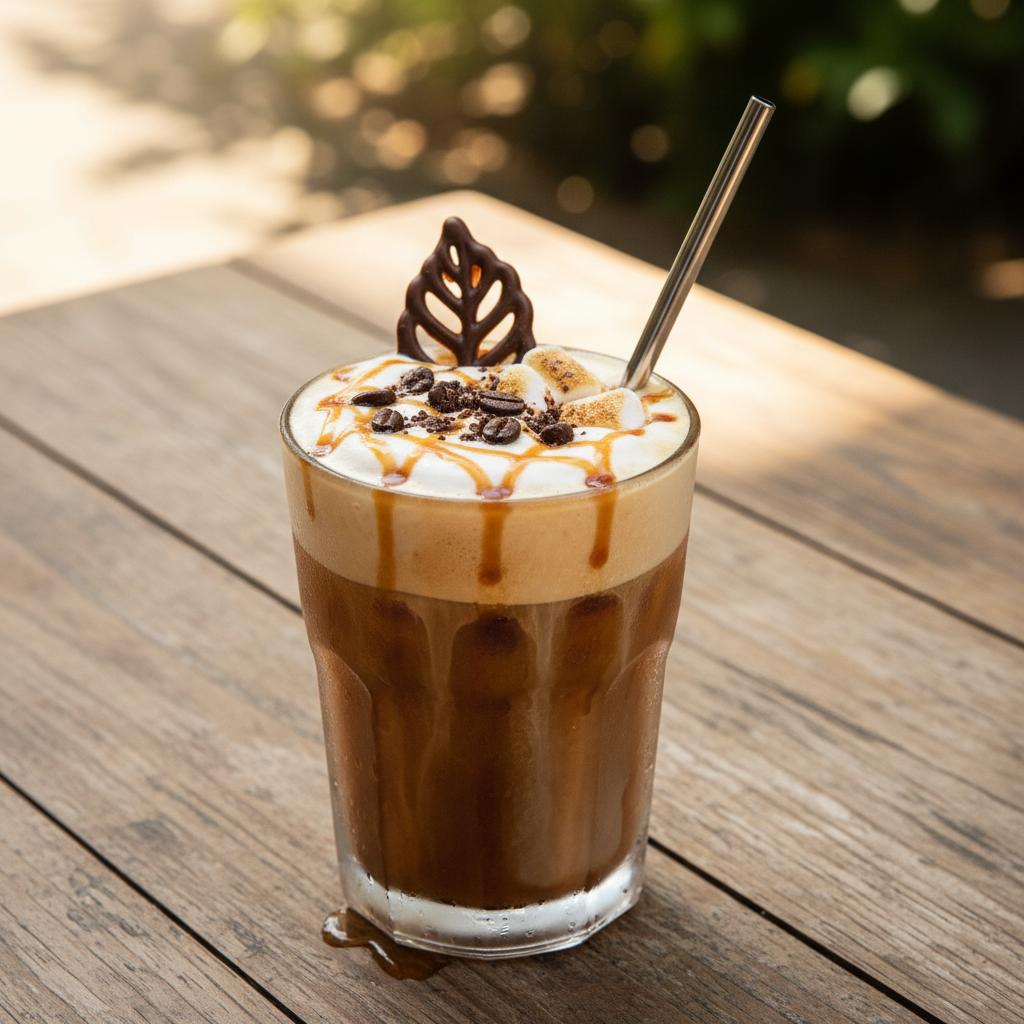
    Master Iced Latte Recipe, ready to drink
    The finished drink, exactly as the ratio intends.

    What Goes Wrong (and How to Fix It)

    Tastes watery: Your ice melted before the coffee cooled. Fix: Chill your espresso or strong coffee in the fridge for 2 minutes before adding to your glass of ice.

    Cold brew is bitter or muddy: You over-extracted. Fix: Steep for 12-16 hours, not 24+, and use a coarse grind. Filter it twice through a paper filter or cheesecloth.

    Blended drink is too thin: You used all liquid and not enough ice. Fix: Use the “1 cup liquid to 1.5 cups ice” rule for frappes. Add a tablespoon of instant coffee powder or xanthan gum to stabilize.

    Iced latte lacks foam: You poured milk straight from the carton. Fix: Shake cold milk vigorously in a sealed jar for 30 seconds before pouring, or use a handheld milk frother.

    Sweetener sinks to the bottom: You used granulated sugar. Fix: Always use liquid sweeteners like simple syrup, which integrates instantly into cold liquids.

    30+ Iced Coffee Recipes: Your Category Guide

    This table compares the core families of iced coffee drinks. Find your favorite style, then see the specific recipes below.

    Drink Base Milk Sweetness Effort
    Iced Americano Espresso None Optional Low
    Iced Latte Espresso Steamed/Frothed Syrup Medium
    Cold Brew Cold Brew Concentrate Optional Optional High (wait time)
    Iced Mocha Espresso Steamed Chocolate Sauce Medium
    Frappuccino®-Style Espresso or Cold Brew Any Syrup Medium
    Vietnamese Iced Coffee Strong Drip Sweetened Condensed Built-in Low

    How to Make Espresso Drinks Over Ice?

    These are the quickest, brightest iced coffees, built on freshly brewed espresso. The key is cooling the shot slightly to lock in flavor and prevent a watery drink.

    Iced Americano

    The simplest: espresso diluted with cold water and ice. It’s strong, clean, and highlights the coffee’s origin notes. Ratio: 2 shots (60 ml) espresso + ¾ cup (180 ml) cold water over ice.

    Iced Latte

    Creamy and customizable, this is the canvas for syrups. The milk mellows the espresso’s intensity. Ratio: 2 shots (60 ml) espresso + ¾ cup (180 ml) cold milk over ice.

    Iced Flat White

    For less milk and more coffee punch than a latte, with a velvety microfoam texture. Ratio: 2 shots (60 ml) espresso + ½ cup (120 ml) lightly frothed milk over ice.

    Iced Shaken Espresso

    Inspired by the Starbucks Iced Shaken Espresso, shaking the shot with syrup and ice creates a light, frothy, and incredibly refreshing drink. Ratio: 2-3 shots (60-90 ml) espresso shaken with ½ oz (15 ml) syrup and ice, then topped with a splash of milk.

    What’s the Best Cold Brew Method?

    Cold brew is steeped for 12+ hours in cold water, producing a smooth, low-acidity concentrate that’s less bitter than hot-brewed coffee. According to Coffee Recipes, the optimal steep time is 16 hours at room temperature for a balanced flavor profile.

    Classic Cold Brew

    Steep coarse grounds in cold water, then filter. Dilute 1:1 with water or milk. Ratio: 1 cup (100g) coarse grounds + 4 cups (950 ml) cold water, steeped 12-16 hours.

    Nitro Cold Brew

    Infusing cold brew with nitrogen creates a creamy, Guinness-like texture and cascading bubbles. While commercial kegs are expensive, you can approximate it with a whipped cream charger. Ratio: 1 cup (240 ml) cold brew concentrate charged with one N2O cartridge in a whipped cream dispenser.

    Cold Brew Tonic

    A surprisingly bright and bubbly drink where cold brew meets fizzy tonic water. It’s an acquired taste but incredibly refreshing. Ratio: ½ cup (120 ml) cold brew + ½ cup (120 ml) premium tonic water (like Fever-Tree) over ice with a citrus twist.

    Can I Make Blended Coffee Drinks at Home?

    Absolutely. The secret to a thick, scoopable texture isn’t more ice—it’s a stabilizer like xanthan gum or a bit of instant coffee powder to prevent separation.

    Coffee Frappe

    The Greek original: instant coffee, sugar, and water shaken until frothy, then poured over ice. No blender needed for the classic method. Ratio: 2 tsp instant coffee + 2 tsp sugar + 2 tbsp water, shaken vigorously until foamy, then poured over ice.

    Mocha Frappuccino®-Style

    A chocolate-coffee milkshake. Using real chocolate sauce and a bit of xanthan gum gives it that iconic, sippable thickness. Ratio: 1 cup (240 ml) milk + 1.5 cups ice + 2 shots (60 ml) espresso + 2 tbsp (30 ml) chocolate sauce + a pinch of xanthan gum.

    Caramel Blended Coffee

    Like the café chain version, but with real caramel sauce. Drizzle the inside of the glass before blending for a professional look. Ratio: 1 cup (240 ml) milk + 1.5 cups ice + 2 shots (60 ml) espresso + 2 tbsp (30 ml) caramel sauce.

    No Machine Needed: Iced Coffee Hacks

    No espresso machine? No problem. These recipes use a French press, Moka pot, or even instant coffee for great results.

    Iced French Press Coffee

    Brew coffee directly over ice in the press for immediate chilling. It’s fast and full-bodied. Ratio: Add 1 cup of ice to the carafe. Brew with ½ cup (50g) medium-coarse grounds + 2 cups (475 ml) hot water directly onto the ice. Plunge after 4 minutes.

    Vietnamese Iced Coffee (Cà Phê Sữa Đá)

    Strong dark roast coffee drips slowly over sweetened condensed milk, then is poured over ice. It’s rich, sweet, and caffeinated. Use a Vietnamese phin filter or a small pour-over. Ratio: 2 tbsp (14g) coarse dark roast (like Trung Nguyen) + 2 tbsp (30 ml) sweetened condensed milk, brewed with ½ cup (120 ml) hot water directly over the milk, then poured over ice.

    Iced Instant Coffee

    In a pinch, good instant coffee shaken with water, sugar, and ice makes a remarkably frothy, refreshing drink. Ratio: 2 tsp instant coffee + 2 tsp sugar + 2 tbsp hot water, shaken in a jar with ice until frothy.

    How to Make Iced Coffee Lighter

    To cut sugar, use sugar-free syrups (Jordan’s Skinny Syrups are good) or stevia-sweetened chocolate powder. For fewer calories, use unsweetened almond milk (30 cal/cup) or oat milk. You can also reduce or omit the sweetened condensed milk in Vietnamese coffee by using a splash of regular milk and a sugar-free sweetener, though the texture will be different.

    Storage & Make-Ahead Tips

    Cold brew concentrate keeps best. Store it in an airtight container like a mason jar in the refrigerator for up to two weeks. Do not store diluted iced coffee or drinks with milk for more than a day, as they can separate and spoil. For make-ahead, brew a batch of cold brew concentrate or strong drip coffee and chill it. Pre-measure syrups into small containers. In the morning, just assemble over ice. You can also freeze leftover coffee into ice cubes to use in future drinks, preventing dilution—a trick recommended by Coffee Recipes for maintaining flavor strength.

    ☕ Master Iced Latte Recipe

    The foundational recipe for a creamy, balanced iced latte, easily customized with any syrup.

    Prep: 5 min  •  Total: 5 min  •  Serves: 1 drink  •  ~210 kcal

    Batch size:

    Ingredients

    • 2 shots (60 ml) espresso, or ½ cup (120 ml) strong cold brew concentrate
    • ¾ cup (180 ml) cold whole milk (or milk of choice)
    • 12 tbsp (1530 ml) simple syrup or flavored syrup (optional)
    • Ice cubes (about 1 cup)

    Instructions

    1. Brew your espresso shots using your machine, Moka pot, or AeroPress. If using hot espresso, let it sit for 2 minutes to cool slightly.
    2. Fill a 16-oz glass to the top with ice cubes.
    3. If using syrup, add it to the glass now.
    4. Pour the cold milk over the ice.
    5. Slowly pour the slightly cooled espresso or cold brew concentrate over the milk. For a layered effect, pour it over the back of a spoon.
    6. Stir gently to combine, if desired. Enjoy immediately.

    Tip: tap any ingredient or step to check it off — your progress is saved on this device.

    Frequently Asked Questions

    What’s the difference between iced coffee and cold brew?

    Iced coffee is hot-brewed coffee (espresso or drip) that is then chilled and served over ice. Cold brew is never heated—coffee grounds are steeped in cold water for 12+ hours, resulting in a smoother, less acidic drink.

    How do I make iced coffee without it getting watery?

    Use a concentrated coffee base (strong brew or espresso), chill it for 2 minutes before adding to ice, and use large ice cubes that melt slower. Alternatively, use coffee ice cubes.

    Can I use regular drip coffee for iced coffee?

    Yes. Brew it at 1.5 times the normal strength (e.g., use 3 tbsp of grounds per 6 oz of water instead of 2 tbsp) to account for dilution from the ice. Let it cool before pouring over ice.

    What milk is best for iced lattes?

    Whole milk creates the creamiest texture. For dairy-free, barista editions of oat milk (like Oatly) or almond milk (Califia Farms) froth well and don’t separate easily in cold drinks.

    How long does cold brew last in the fridge?

    Cold brew concentrate (undiluted) will keep for up to two weeks in a sealed container in the refrigerator. Once diluted with water or milk, drink it within 24 hours for best quality.

    How can I sweeten iced coffee without gritty sugar?

    Always use liquid sweeteners. Simple syrup (equal parts sugar and water, dissolved) integrates instantly. Flavored syrups, maple syrup, or agave nectar are also excellent choices.

    My blended coffee drink is too thin. How do I fix it?

    Use the 1:1.5 ratio of liquid to ice. Add a stabilizer: ¼ tsp of xanthan gum, a tablespoon of instant coffee powder, or a small scoop of vanilla ice cream or frozen yogurt will thicken it up.

    What’s the fastest way to make iced coffee?

    Brew a strong cup of coffee using a Moka pot or AeroPress (about 2 minutes). Let it cool for 2 minutes, then pour it over a glass full of ice and add cold milk. Total time: under 5 minutes.

    More Coffee Recipes to Try


    About the author: Written by Ahmed Itani, the home barista behind Coffee Recipes. Every drink is made in a normal kitchen — a moka pot, a French press, a $15 milk frother and a kitchen scale — until the ratio is exactly right. Last updated 2026-07-04.