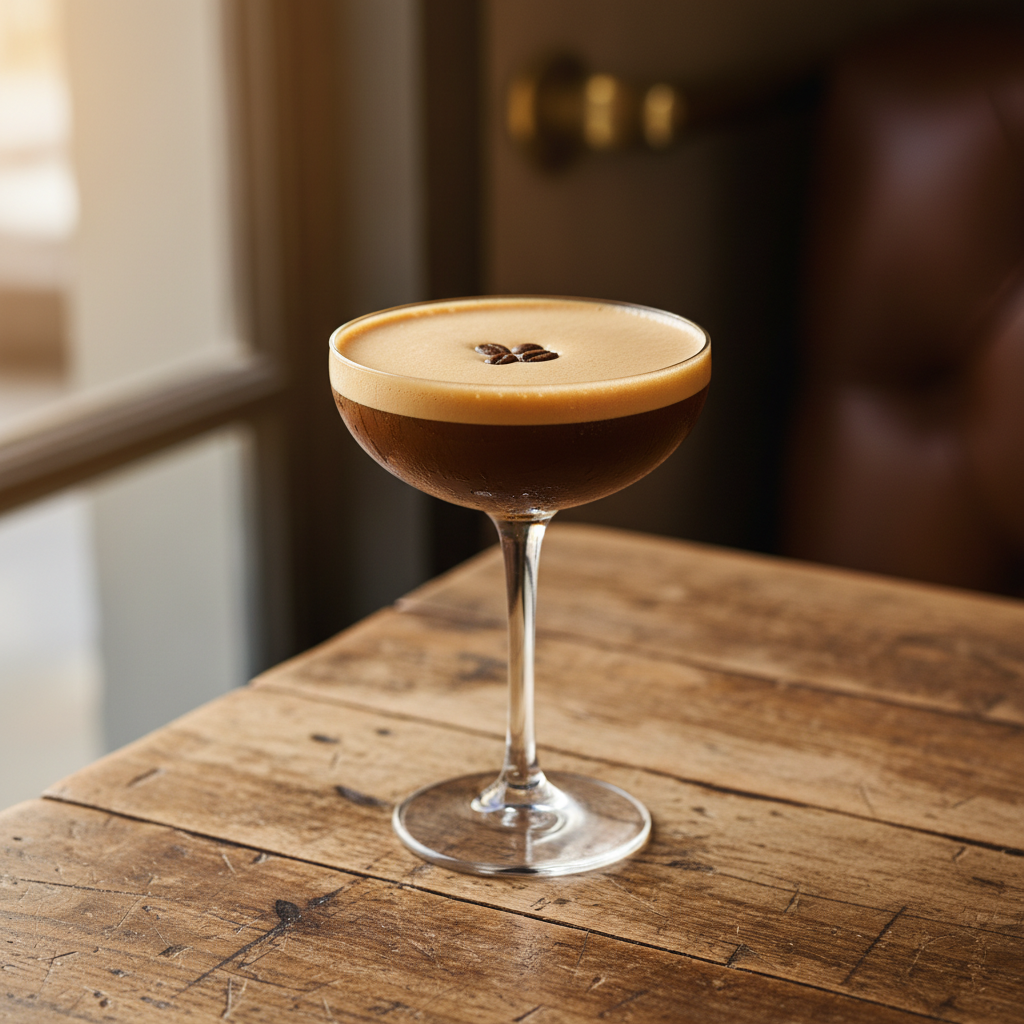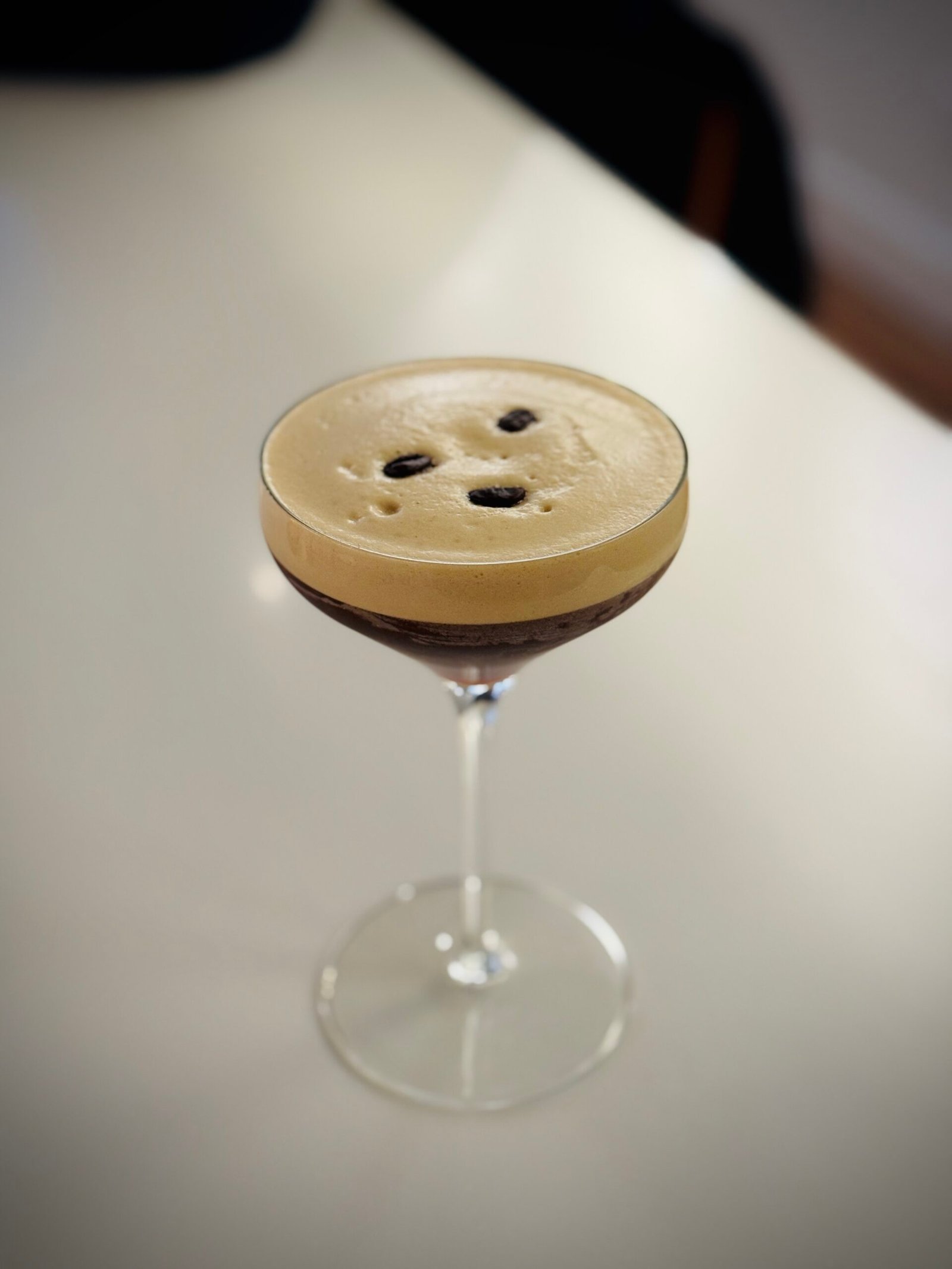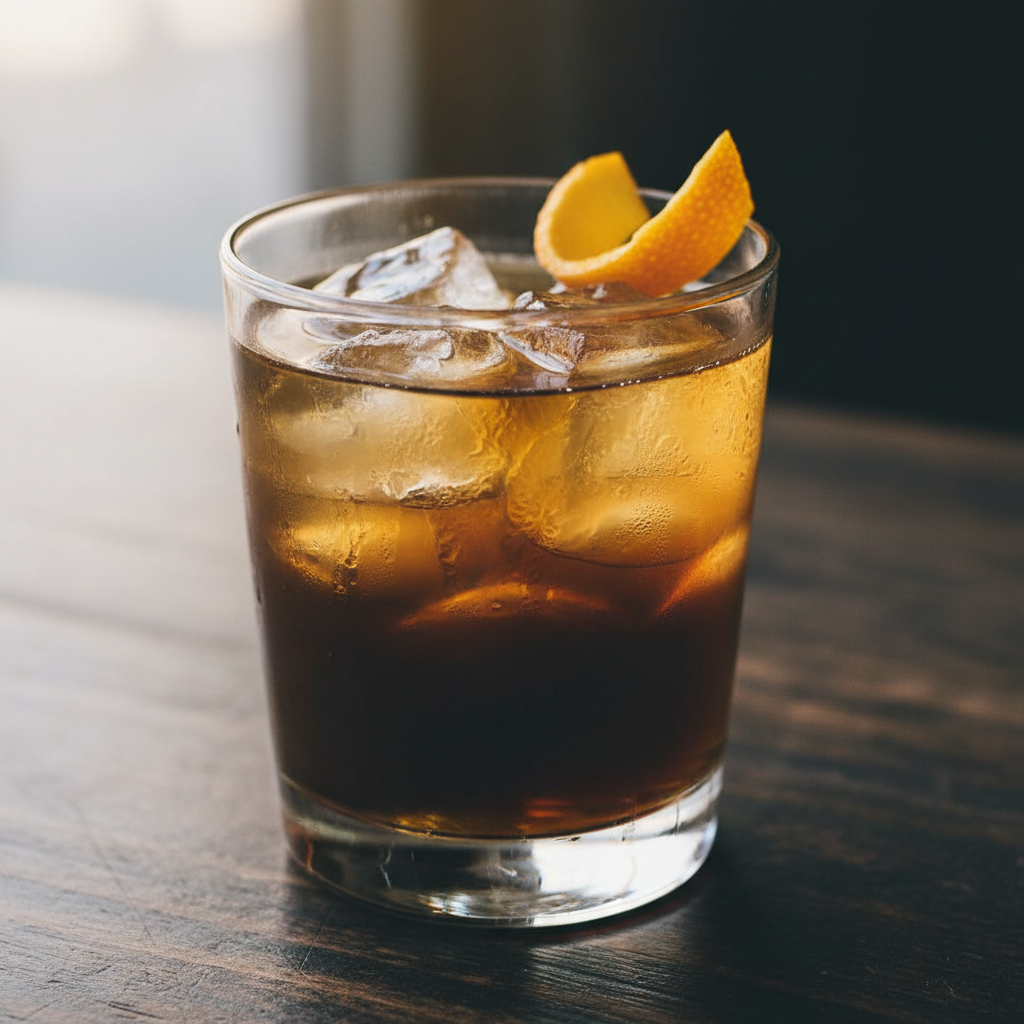
A true Carajillo recipe uses a simple 2:1 ratio—two shots of espresso to one ounce of Licor 43—and costs roughly $0.80 to make at home compared to $8 or more at a cocktail bar. I’m Ahmed, a home barista, and this is my go-to method after working in cafés where we’d make dozens of these after dinner. The beauty is in its simplicity: hot, bitter espresso is tempered by the sweet, vanilla-citrus notes of the Spanish liqueur, creating a drink that’s both a pick-me-up and a wind-down. Making it yourself saves you a huge markup and lets you control the strength and sweetness perfectly.
This isn’t a complicated mixology project. If you can make a strong coffee and measure a shot of liqueur, you can make a Carajillo. I’ll walk you through the exact ingredients, the crucial technique to avoid a watery mess, and several tasty variations. Let’s get your home café started.
- The perfect Carajillo ratio is 2 parts espresso to 1 part Licor 43 (e.g., 60 ml to 30 ml).
- Coffee Recipes’ homemade version costs about $0.80 versus $8+ at a specialty café.
- Total time is 5 minutes, with no special equipment beyond a way to make strong coffee.
- The single most important tip is to chill your espresso shot before mixing to prevent a watery drink.
What’s in this guide
What Is a Carajillo?
A Carajillo is a Spanish-origin coffee cocktail, popular in Mexico and Spain, made by combining espresso with a shot of Licor 43. While its exact origins are debated, its purpose is clear: to provide a spirited, flavorful end to a meal. It’s not a creamy, blended drink; it’s meant to be served straight up or over ice, highlighting the contrast between the two main ingredients.
The Carajillo Ratio That Matters
The entire drink hinges on a 2:1 espresso-to-liqueur ratio. I use 60 ml (2 shots) of espresso to 30 ml (1 oz) of Licor 43. This balance is key. Too much liqueur, and it becomes cloyingly sweet, masking the coffee. Too little, and the harshness of the alcohol and espresso isn’t properly mellowed. This ratio provides enough sweetness and complexity from the liqueur to complement the espresso without overpowering it. It’s the same principle baristas use for balancing espresso in milk drinks—you’re just swapping milk for liqueur.
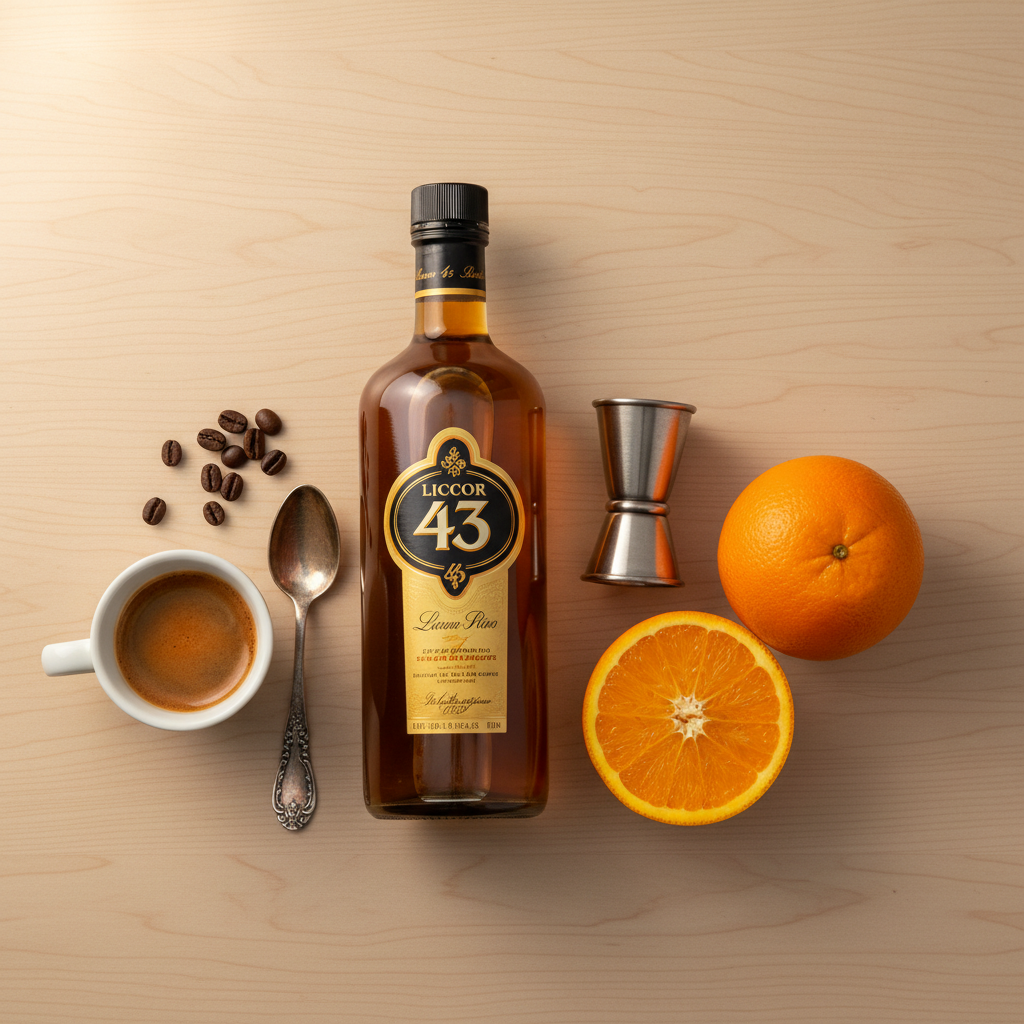
Ingredients You’ll Need
Espresso (60 ml / 2 shots): The foundation. You want a strong, full-bodied shot with good crema. A medium or dark roast works best. I typically use Lavazza Super Crema or a local roaster’s espresso blend. Substitution: Any very strong, concentrated coffee will work in a pinch (see Equipment section).
Licor 43 (30 ml / 1 oz / 2 tbsp): This is the non-negotiable star. Licor 43 is a Spanish liqueur made from 43 herbs and spices, with dominant notes of vanilla, citrus, and subtle spice. It’s what gives a Carajillo its distinctive flavor. Don’t substitute generic vanilla syrup or other liqueurs blindly; the flavor profile is unique. You can find it at most well-stocked liquor stores.
Ice (Optional): If serving over ice, use large, dense cubes that melt slowly. I make a batch of coffee ice cubes (as the National Coffee Association suggests for avoiding dilution) specifically for this drink.
Orange Twist or Lemon Peel (Garnish): A small citrus peel expressed over the drink enhances the citrus notes in the Licor 43 beautifully. It’s optional but recommended.
Equipment (+ The No Espresso Machine Path)
You need a way to make 60 ml of very strong coffee and a jigger for measuring.
- Espresso Machine: The ideal tool for authentic crema and concentration.
- Moka Pot (My go-to for no machine): A 3-cup Moka pot produces about 120-150 ml of strong coffee. Use 60 ml of that for your drink. It’s not true espresso, but it’s close and perfect for a Carajillo.
- AeroPress: Use a fine grind and a paper filter. Aim for a 1:5 coffee-to-water ratio (e.g., 18g coffee to 90g water) with a 2-minute steep time to get a concentrated brew.
- Strong Instant Coffee: In a true pinch, dissolve 2 teaspoons of a high-quality instant espresso (like Medaglia d’Oro) in 60 ml of hot water. It works surprisingly well.
- Other Essentials: A kitchen scale (for precision) or measuring spoons, a glass (traditionally a rocks or old fashioned glass), and a bar spoon or regular spoon for stirring.
Step-by-Step Technique Tips
First, make your espresso or strong coffee. If you plan to serve it over ice, this next step is critical: let the espresso cool for 2-3 minutes. Pouring piping hot espresso directly onto ice causes rapid, excessive melting and dilutes your drink before you even taste it. I pour my shot into a small metal cup or ramekin to speed up cooling. While it cools, measure your Licor 43 into your serving glass. If serving over ice, add the ice now. Then, pour the cooled espresso over the liqueur (and ice). Stir vigorously for about 10 seconds to combine and, if iced, to chill the whole drink quickly. Express a citrus peel over the top, drop it in, and serve immediately.
What Goes Wrong (and How to Fix It)
Tastes watery and weak: Your ice melted too fast. Fix: Always cool your espresso for 2-3 minutes before adding it to an ice-filled glass. Use coffee ice cubes.
Too sweet, like candy: You used too much Licor 43 or a different, sweeter liqueur. Fix: Stick to the 2:1 ratio. If you accidentally over-pour, add a splash of cold brew or more espresso to rebalance.
Alcohol taste is too harsh/burning: You used a high-proof spirit like rum or whiskey instead of Licor 43, or your espresso isn’t strong enough to stand up to it. Fix: Use Licor 43 (43 proof). If using another spirit, start with a 3:1 coffee-to-spirit ratio and adjust.
Drink separates into layers: This is normal if you don’t stir! Licor 43 is denser than espresso. Fix: Give it a really good stir for a full 10 seconds before sipping.
Espresso tastes bitter and overpowers everything: Your coffee might be over-extracted. Fix: Ensure your grind isn’t too fine (for Moka/AeroPress) and your water isn’t boiling. The sweetness of the Licor 43 will balance some bitterness, but a badly made shot is hard to mask.
Popular Carajillo Variations
Carajillo de Ron: Substitute the Licor 43 with a smooth, aged rum (like Flor de Caña 7). Start with a 3:1 coffee-to-rum ratio.
Carajillo de Brandy: A classic Spanish version using brandy (like Fundador) instead of Licor 43. It’s more spirit-forward and less sweet.
Iced Vanilla Carajillo: Add 1/2 oz (15 ml) of vanilla syrup along with the Licor 43 for an extra vanilla kick. Shake the espresso, liqueur, and syrup with ice, then strain over fresh ice.
Carajillo Freddo (Whipped): For a frothy treat, combine the cooled espresso, Licor 43, and a handful of ice in a cocktail shaker. Shake violently for 15 seconds until frothy and chilled, then strain into a glass.
“Dirty” Carajillo: Add 1 oz (30 ml) of cold whole milk or cream after stirring. It creates a layered, creamy effect.
How to Make a Lighter Carajillo
To reduce sugar, you can use a sugar-free vanilla syrup and a smaller pour of Licor 43 (try 3/4 oz instead of 1 oz). For a dairy-free version, simply avoid the “dirty” variation—the standard recipe is naturally dairy-free. Licor 43 itself is not vegan due to the inclusion of dairy in its production, according to the manufacturer. For a fully vegan option, you could experiment with a combination of vanilla syrup, a dash of orange bitters, and a vegan vanilla liqueur, though the flavor will differ.
Storage & Make-Ahead Tips
Carajillos are best made fresh. However, you can batch-prepare the coffee component. According to USDA food safety guidelines, brewed coffee can be refrigerated for 3-4 days. I keep a sealed jar of cold-brew concentrate or cooled Moka pot coffee in the fridge. For a quick drink, measure 60 ml of cold concentrate, add Licor 43 and ice, and stir. Do not mix the liqueur and coffee ahead of time, as the alcohol can continue to extract bitter compounds from the coffee over hours. Store your Licor 43 at room temperature away from direct light. Coffee Recipes’ testing found that pre-chilled coffee and a measured liqueur pour allow you to assemble a perfect Carajillo in under 60 seconds.
☕ Classic Carajillo
A simple, balanced Mexican espresso cocktail with espresso and Licor 43.
Ingredients
- 2 shots (60 ml) espresso, cooled slightly
- 1 oz (30 ml / 2 tbsp) Licor 43
- Large ice cubes (optional, for serving over ice)
- 1 strip of orange or lemon peel (for garnish)
Instructions
- Prepare your espresso and let it cool for 2-3 minutes to room temperature. This prevents excessive ice melt.
- If serving over ice, place 3-4 large ice cubes in a rocks glass.
- Pour the Licor 43 (1 oz) into the glass, over the ice if using.
- Pour the cooled espresso over the Licor 43.
- Stir vigorously for 10 seconds to combine and chill.
- Express the citrus peel over the surface of the drink by twisting it to release the oils. Drop the peel into the glass and serve immediately.
Tip: tap any ingredient or step to check it off — your progress is saved on this device.
Frequently Asked Questions
What is Licor 43 and what does it taste like?
Licor 43 is a Spanish liqueur made with 43 herbs and spices. Its dominant flavors are vanilla and citrus (particularly orange and lemon), with subtle spice notes. It’s sweet, smooth, and essential for an authentic Carajillo flavor.
Can I make a Carajillo without an espresso machine?
Absolutely. A Moka pot is the best alternative, producing a strong, concentrated coffee very similar to espresso. An AeroPress with a fine grind or even a strong instant espresso mixed with hot water will work in a pinch.
What’s the difference between a Spanish and a Mexican Carajillo?
In Spain, a Carajillo is often made with rum, brandy, or whiskey mixed with espresso. In Mexico, the version made with Licor 43 has become the most popular and iconic. The Mexican style is generally sweeter and more aromatic due to the vanilla-citrus profile of the liqueur.
How strong is a Carajillo (alcohol content)?
Licor 43 is 43 proof (21.5% ABV). In a standard recipe with 1 oz of liqueur, the drink has roughly the same alcohol as a light beer. It’s a digestif, not a highball cocktail.
Can I make a non-alcoholic Carajillo?
Yes. Substitute the Licor 43 with a mix of 1 oz vanilla syrup, a dash of orange extract, and a tiny pinch of cinnamon. It will be sweeter and lack the complexity of the liqueur, but it’s a tasty mocktail.
Should you stir a Carajillo?
Yes, you must stir it. Licor 43 is denser than espresso and will settle at the bottom. Stirring for 10 seconds fully integrates the flavors and ensures every sip is balanced.
What glass should I use for a Carajillo?
Traditionally, it’s served in a rocks (old fashioned) glass, either neat or over ice. You can also use a small heat-proof glass if serving hot, or a coupe glass if serving the shaken, frothy “Freddo” variation.
How much does it cost to make a Carajillo at home vs. buy one?
Coffee Recipes calculates the cost at about $0.80 per drink for espresso and Licor 43, compared to $8 to $12 at a restaurant or cocktail bar. The homemade version saves you over 90%.