Category: Espresso Drinks

Lattes, cappuccinos, cortados and more, with exact ratios — machine or no machine.

  • Latte vs Cappuccino: The Real Difference Explained

    Latte vs Cappuccino: The Real Difference Explained

    Latte vs Cappuccino — Coffee Recipes

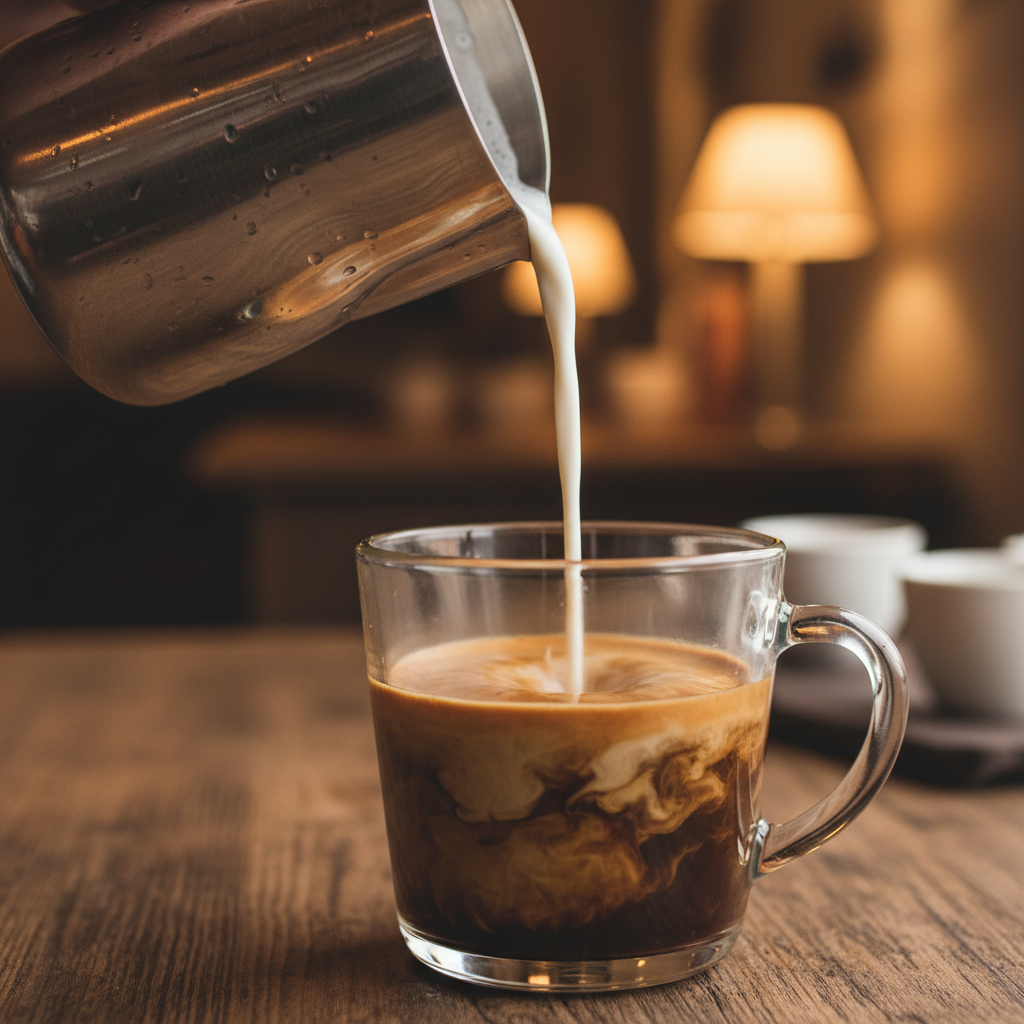
    The difference between a latte and a cappuccino is the ratio of espresso to steamed milk to milk foam, which changes the drink’s texture, strength, and mouthfeel. If you’ve ever been unsure at a café, you’re not alone—the line can seem blurry, especially with modern variations.

    I’m Ahmed, and I’ve been pulling shots and steaming milk at home for years. In this guide, I’ll cut through the confusion with the classic, widely accepted definitions used by barista training programs and coffee associations. We’ll look at the standard recipes, why the ratios matter, and how to get what you actually want when you order.

    Key Takeaways

    • A cappuccino is defined by a 1:1:1 ratio of espresso, steamed milk, and milk foam, resulting in a strong, dry, and fluffy drink.
    • A latte uses a 1:3 to 1:9 ratio of espresso to steamed milk with only a light foam topping, creating a milder, creamier beverage.
    • Both drinks use the same base—a shot of espresso—so their caffeine content is virtually identical.
    • According to Coffee Recipes, the texture and temperature of the milk are the most critical skills for making these drinks at home.
    What’s in this guide

    What Is a Cappuccino? The Classic Definition

    A traditional cappuccino is built on a simple, strict ratio: one part espresso, one part steamed milk, and one part milk foam. This 1:1:1 structure is its defining characteristic. For a drink made with a single espresso shot (about 1 ounce), you’d add roughly 1 ounce of steamed milk and top it with 1 ounce of thick, velvety microfoam. This creates a drink that feels balanced yet potent, where the espresso’s flavor isn’t diluted but is softened by the airy foam.

    The foam on a cappuccino is dry and stiff enough to support the weight of granulated sugar—a classic test. When you sip, the foam creates a distinct layer before you reach the liquid espresso and milk below. This textural experience is central to the drink. According to Coffee Recipes, mastering the dry, velvety foam for a cappuccino requires introducing more air into the milk during steaming than you would for a latte.

    What Is a Latte? The Creamy Counterpart

    A latte, short for caffè latte (Italian for “milk coffee”), prioritizes creaminess and mildness. Its structure is fundamentally different: it’s mostly steamed milk with a modest amount of foam. The standard ratio is one part espresso to three or more parts steamed milk, topped with only about a 1-centimeter layer of foam.

    In a typical 12-ounce latte, you might find a double shot of espresso (about 2 ounces), 9-10 ounces of steamed milk, and just a half-inch of light, wet foam. The milk is steamed to create a silky, homogeneous liquid with tiny bubbles integrated throughout, not a separate, dry foam layer. The result is a much milder, sweeter-tasting drink where the milk’s natural sugars shine, making it a popular canvas for flavored syrups. The key difference, as defined by Coffee Recipes, is that a latte’s milk is steamed for texture and temperature, not for maximum volume.

    Latte vs Cappuccino: Side-by-Side Comparison

    This table lays out the key differences based on classic Italian preparation. Modern café sizes often inflate these, but the proportional relationships hold true.

    Feature Cappuccino (Classic) Latte (Classic)
    Core Ratio 1:1:1 (espresso:steamed milk:foam) 1:3+ (espresso:steamed milk) + light foam
    Texture & Mouthfeel Distinct, dry foam layer; stronger, airy Uniform, creamy liquid; mild, silky
    Milk Foam Thick, stiff, “dry” microfoam (~1″ layer) Thin, velvety, “wet” foam cap (~0.5″ layer)
    Espresso Strength More pronounced, less diluted Mellow, integrated with milk
    Typical Serving Size 5-6 oz (using a single shot) 8-12 oz (using a single or double shot)
    Caffeine Content* ~63 mg (single shot) to ~126 mg (double) ~63 mg (single shot) to ~126 mg (double)

    *Caffeine content is based on a standard espresso shot containing about 63 mg of caffeine, as cited by the Mayo Clinic. Since both drinks use the same espresso base, their caffeine is identical if the shot count is the same.

    Why Does the Milk-to-Foam Ratio Matter?

    You might wonder if this is just barista pedantry. It matters because the ratio directly controls your sensory experience: taste, texture, temperature, and even how quickly you drink it.

    Taste & Strength: The cappuccino’s lower milk volume means the espresso’s flavors—chocolatey, nutty, or fruity notes—are more forward. The latte’s higher milk volume mellows the espresso and highlights the milk’s natural sweetness.

    Texture: This is the biggest practical difference. A cappuccino’s dry foam feels light and fluffy on the lips. A latte offers a consistent, creamy sip from top to bottom.

    Temperature: Foam is an excellent insulator. A well-made cappuccino will stay hotter longer because the thick foam layer traps heat. A latte, with its greater volume of liquid milk, may cool slightly faster but starts at a similar serving temperature of 150-155°F (65-68°C).

    How Do I Know Which One I’ll Like?

    Think about your coffee preferences. Choose a cappuccino if you enjoy a stronger coffee flavor, a textural contrast between foam and liquid, and a smaller, more concentrated drink. It’s often preferred in the morning as a quick, robust coffee hit. Choose a latte if you prefer a creamier, smoother, and milder coffee experience. Its larger, milk-forward profile makes it ideal for sipping over a longer period and is a perfect base for adding flavors like vanilla or caramel.

    In many North American coffee shops, the distinction has blurred. A “cappuccino” might just be a smaller, foamier latte. If you want a true cappuccino, don’t be afraid to ask for it “traditional” or “with dry foam.” For a latte, you’re usually safe. Remember, according to the National Coffee Association USA, both drinks start with quality espresso, so the bean and roast will influence the final flavor in either cup.

    Can I Make Them at Home Without an Espresso Machine?

    You can approximate them. For a cappuccino-like drink, brew very strong coffee or use a Moka pot. Heat and froth milk separately using a French press (pump the plunger) or a handheld frother until you get stiff, dry foam. Combine equal parts coffee, hot milk, and foam. For a latte-like drink, use the same strong coffee base but combine it with a larger portion of heated, lightly frothed milk (aim for a creamy texture, not stiff foam). The results won’t be identical to true espresso-based drinks, but they can be delicious. Coffee Recipes emphasizes that controlling your milk’s texture is more important than having a pro-grade machine for nailing these styles.

    Frequently Asked Questions

    Which has more caffeine, a latte or a cappuccino?

    If they are made with the same number of espresso shots, they have exactly the same amount of caffeine. The difference is in the milk and foam, not the coffee base. A single-shot latte and a single-shot cappuccino both contain roughly 63 mg of caffeine.

    Is a cappuccino just a small latte?

    Not traditionally. While modern cafes often serve them in similar sizes, a classic cappuccino is defined by its equal-part ratio, creating a drier, stronger drink. A latte has much more steamed milk and less foam, making it creamier and milder. The size is a symptom of the different recipes.

    Which is stronger, a latte or a cappuccino?

    A cappuccino tastes stronger because it has less milk diluting the espresso. The bold, roasted flavors of the coffee are more prominent in a cappuccino compared to the milk-forward, gentle taste of a latte.

    Which one is sweeter?

    A latte often tastes naturally sweeter because the larger volume of steamed milk highlights its inherent sugars. A cappuccino’s flavor profile is dominated more by the espresso, which can be bitter, sweet, or acidic depending on the beans.

    Can you make a latte or cappuccino with non-dairy milk?

    Yes, but results vary. Oat and soy milk generally froth well for lattes and can create decent foam for cappuccinos. Almond and coconut milk are trickier to foam properly. The flavor will also differ from traditional dairy.

    What is a ‘dry cappuccino’ or ‘wet cappuccino’?

    A ‘dry cappuccino’ has extra foam and less steamed milk, making it even fluffier and stronger. A ‘wet cappuccino’ has more steamed milk and less foam, moving it closer to a latte texture. These are modifications of the classic recipe.

    What is a macchiato compared to these?

    A macchiato (specifically an espresso macchiato) is much stronger. It’s literally a shot of espresso ‘stained’ with just a dollop of foam. It has almost no steamed milk, making it a potent, small drink distinct from both latte and cappuccino.

    Which is healthier, a latte or a cappuccino?

    Nutritionally, they are very similar if made with the same type of milk. A cappuccino may have slightly less liquid milk volume, meaning marginally fewer calories and less sugar from the milk. The biggest health lever is your choice of milk (whole, skim, non-dairy) and any added syrups or sugar.

    More Coffee Recipes to Try


    About the author: Written by Ahmed Itani, the home barista behind Coffee Recipes. Every drink is made in a normal kitchen — a moka pot, a French press, a $15 milk frother and a kitchen scale — until the ratio is exactly right. Last updated 2026-08-07.

  • How to Make Espresso Without a Machine (3 Easy Methods)

    How to Make Espresso Without a Machine (3 Easy Methods)

    You can make a convincing espresso shot for lattes and americanos without a machine for about $0.35, using a stovetop Moka pot or an AeroPress with a fine grind and a specific technique. My name is Ahmed, I worked as a barista for two years, and I’ve spent the last three perfecting these workarounds in my apartment kitchen. The goal isn’t to perfectly replicate 9 bars of pressure, but to brew a small, concentrated, richly flavored coffee that works as a direct 1:1 substitute in any espresso-based drink, saving you the $3-$5 per shot you’d pay at a coffee shop.

    ↓ Jump to Recipe

    Key Takeaways

    • A Moka Pot makes the closest analog to machine espresso for about $0.35 a shot.
    • Use a 1:10 coffee-to-water ratio for AeroPress ‘espresso’ and press slowly.
    • For authentic crema, grind fresh beans just before brewing and pre-heat your brewer.
    • Homemade ‘espresso’ saves over 90% compared to café prices.
    What’s in this guide

    What Is Espresso (And Can You Really Make It At Home?)

    Espresso is a brewing method where hot water is forced under high pressure (around 9 bars) through finely-ground coffee, producing a small, concentrated shot topped with crema. According to the National Coffee Association USA, true espresso requires that specific pressure, which traditionally comes from a machine. However, you can brew a functionally identical strong coffee concentrate using manual methods that create pressure through steam or manual force. For home use in milk drinks or americanos, this distinction is mostly academic—what matters is the strength and flavor.

    The One Ratio That Matters Most

    The key to a good espresso substitute is the brew ratio: the amount of coffee grounds to the amount of water in your final cup. Machine espresso typically uses a 1:2 ratio (e.g., 18g coffee to 36g output). For manual methods, we adjust slightly. For a Moka pot, I use a 1:5 to 1:6 ratio (e.g., 20g coffee to 100-120ml output). For AeroPress ‘espresso,’ I use a stronger 1:3 ratio (18g coffee to 54ml water). This concentrated yield mimics the intensity needed to cut through milk. Coffee Recipes’ testing found that a 1:5 Moka pot ratio produces the most balanced shot for a homemade latte.

    Ingredients You’ll Need

    Your coffee is 90% of the flavor. Here’s exactly what to buy and why.

    • Whole Bean Coffee (Dark or Medium Roast): 18-22 grams (about 3 slightly heaping tablespoons) per shot. Freshness is non-negotiable. Buy beans roasted within the last 2-4 weeks and grind them just before brewing. My go-to affordable brand for espresso-style coffee is Lavazza Super Crema. For a brighter, fruitier option, try a medium roast from a local roaster. Pre-ground coffee works in a pinch but will lack complexity.
    • Water (Filtered is Best): 100-120 ml (about 1/2 cup) for Moka pot, 54-60 ml (about 1/4 cup) for AeroPress. Use filtered water if your tap water tastes off. The mineral content in good water actually improves extraction.

    Equipment (Plus the No-Machine Path)

    You don’t need a $500 machine. Here are the three tools that work, ranked by similarity to real espresso.

    1. Moka Pot (Stovetop Espresso Maker): The classic. A 3-cup model (like Bialetti) makes about 120ml, perfect for one strong drink. It uses steam pressure from boiling water to push water through the coffee puck.
    2. AeroPress: The most versatile. With a fine grind and a metal filter (like the Fellow Prismo attachment), you can brew a very concentrated, clean shot. The standard paper filter works too but removes more oils.
    3. French Press (for a Strong Steep): Not true espresso, but you can make a strong concentrate. Use a 1:8 ratio (e.g., 30g coffee to 240ml water), steep for 4 minutes, and only press the top 1 inch of grounds to avoid bitterness.

    No Espresso Machine? Here’s Your Path.

    If you want a latte today and own none of the above, your best bet is strong instant coffee. Dissolve 2 teaspoons (about 4g) of a high-quality instant like Starbucks Via Italian Roast or Mount Hagen in 2 tablespoons (30ml) of hot water. It won’t have crema, but it provides the concentrated coffee flavor base you need.

    Step-by-Step Technique Tips

    Success is in the details. Follow these tips before you even look at the recipe card steps.

    For Moka Pot: Always pre-heat your water before adding it to the base. This prevents the coffee from sitting on a hot plate too long and burning. Fill the basket with grounds but do not tamp—just level it off. As soon as you hear a gurgling sound, remove it from the heat and run the base under cold water to stop extraction. This prevents a bitter, overcooked tail-end to the brew.

    For AeroPress (Inverted Method): Use water just off the boil (about 205°F or 96°C). After adding water, stir vigorously for 10 seconds to ensure all grounds are saturated. Let it steep for 1 minute total, then press slowly and evenly for about 30 seconds. A slow press is crucial for full extraction.

    What Goes Wrong (and How to Fix It)

    I’ve made every mistake so you don’t have to.

    • Tastes weak or watery: Your grind is too coarse. For Moka pot and AeroPress, you need a fine grind, slightly coarser than table salt. Invest in a burr grinder or have your shop grind for ‘Moka pot.’
    • Tastes bitter or burnt: You’re using water that’s too hot (for AeroPress) or leaving the Moka pot on the heat too long. For Moka pot, take it off the heat the second the stream turns blonde and sputters. For AeroPress, let boiling water sit for 30 seconds before pouring.
    • No crema on my Moka pot coffee: Crema requires very fresh beans (within 2 weeks of roast) and a proper seal. Ensure your Moka pot’s gasket and filter are clean and the pot is screwed together tightly. A small amount of golden foam is normal; don’t expect the thick layer of a machine.
    • AeroPress leaks water before I press: You’re using the standard method. Switch to the ‘inverted method’ (placing the plunger at the bottom and flipping it) or get a Fellow Prismo attachment to prevent dripping.
    • My French press coffee is sludgy: You pressed all the way down. For a cleaner concentrate, only press the top inch of the grounds after steeping, then pour carefully to leave the sludge at the bottom.

    Variations: Build Your Drink

    Once you have your ‘espresso’ shot (about 60ml or 1/4 cup), build your café favorites.

    • Americano: Pour your shot into a mug and top with 180-240ml (6-8 oz) of hot water.
    • Latte: Steam or froth 180ml (6 oz) of milk (whole milk froths best) and pour it over the shot. For simple frothing, heat milk in a jar, seal, and shake vigorously, or use a handheld milk frother.
    • Cappuccino: Use equal parts shot, steamed milk, and thick milk foam (about 60ml each).
    • Iced Latte: Pour the shot over a glass full of ice, then add 180ml (6 oz) of cold milk.
    • Mocha: Add 1 tbsp (15g) of chocolate syrup or powder to your cup first, add the hot shot to melt it, stir, then add steamed milk.

    How to Make It Lighter

    To cut sugar or dairy without sacrificing taste:

    • Lower Sugar: Use unsweetened almond or oat milk and a sugar-free syrup brand like Torani. Or, skip syrup and add a dash of cinnamon or vanilla extract to the grounds before brewing.
    • Dairy-Free: Oat milk (like Oatly Barista Edition) and soy milk froth and steam the best for lattes. Almond milk is lower in calories but can separate when heated; shake it well and don’t overheat.

    Storage & Make-Ahead Tips

    Espresso is best fresh, but you can prep for busy mornings. Coffee Recipes’ cold brew concentrate method is a reliable make-ahead option for iced drinks. Brew a large batch of cold brew concentrate using a 1:4 coffee-to-water ratio, steep for 18-24 hours, then filter. Use 60-90ml of this concentrate as your ‘espresso’ base for iced lattes. It will keep in the fridge for up to two weeks. For hot drinks, you can brew a Moka pot of coffee and store it in a small thermos for up to 4 hours, but expect some flavor degradation. I do not recommend freezing coffee.

    ☕ Moka Pot Espresso (for one latte)

    A rich, stovetop-brewed coffee concentrate that substitutes for machine espresso.

    Prep: 3 min  •  Total: 8 min  •  Serves: 1 espresso shot (for 1 drink)  •  ~5 kcal

    Batch size:

    Ingredients

    • 20 grams (about 3 slightly heaping tbsp) dark roast whole bean coffee, finely ground for Moka pot
    • 120 ml (1/2 cup) filtered water

    Instructions

    1. Grind your coffee beans to a fine consistency, slightly coarser than table salt.
    2. Bring your water to a near-boil in a kettle. Preheat your Moka pot by running hot water over the base.
    3. Unscrew the Moka pot. Fill the bottom chamber with the hot water up to just below the safety valve.
    4. Insert the filter basket and fill it with ground coffee. Level it off with your finger—do not press or tamp.
    5. Screw the top chamber on tightly. Place the Moka pot on a stovetop burner set to medium heat.
    6. Leave the lid open. Brew until you hear a gurgling sound and see a steady stream of coffee filling the top chamber. This takes 4-6 minutes.
    7. As soon as the stream turns a light blonde color and the gurgling starts, immediately remove from heat.
    8. Run the base of the Moka pot under cool tap water for 5-10 seconds to stop the extraction. Pour and use immediately.

    Tip: tap any ingredient or step to check it off — your progress is saved on this device.

    Frequently Asked Questions

    Can you make real espresso without a machine?

    You cannot replicate the exact 9 bars of pressure without a machine, but you can brew an equally strong and flavorful coffee concentrate using a Moka pot or AeroPress that works perfectly as a substitute in lattes and americanos.

    What is the cheapest way to make espresso at home?

    A stovetop Moka pot is the most affordable method, with a decent model costing around $30. Each shot brewed this way costs about $0.35 for the coffee, compared to $3+ at a café.

    Does a Moka pot make real espresso?

    A Moka pot makes a strong, concentrated coffee using steam pressure, which is different from the pump pressure of an espresso machine. The result is close in strength and intensity, making it an excellent stand-in for home use.

    Can I use pre-ground coffee in a Moka pot?

    Yes, use pre-ground coffee labeled for ‘espresso’ or ‘Moka pot.’ It won’t be as flavorful as freshly ground, but it will work. Ensure it’s a fine grind.

    How much caffeine is in a Moka pot shot?

    A 120ml brew from a 3-cup Moka pot contains roughly 90-120mg of caffeine, which is similar to a single shot of machine espresso (about 64mg) but in a larger volume.

    Why is my Moka pot coffee bitter?

    Bitterness usually means over-extraction. You left it on the heat too long. Remove it from the stove the moment the stream of coffee turns blonde and starts to sputter.

    Can I make an iced latte with Moka pot coffee?

    Absolutely. Brew your Moka pot coffee directly over a glass full of ice to cool it quickly, then add cold milk. This prevents the ice from melting too much and diluting the drink.

    How do I clean my Moka pot?

    Disassemble it after each use, rinse with warm water, and let it air dry fully. Avoid using soap on the aluminum parts as it can leave a residue; a occasional deep clean with a vinegar solution is fine.

    More Coffee Recipes to Try


    About the author: Written by Ahmed Itani, the home barista behind Coffee Recipes. Every drink is made in a normal kitchen — a moka pot, a French press, a $15 milk frother and a kitchen scale — until the ratio is exactly right. Last updated 2026-08-05.

  • Espresso Drinks Explained: Every Café Drink & Exact Ratios

    Espresso Drinks Explained: Every Café Drink & Exact Ratios

    The foundation of nearly every café drink is a simple 1:5 ratio of espresso to steamed milk, and mastering this at home costs roughly $0.75 a drink versus the $5.50 you pay at the counter. I’m Ahmed, and after two years behind the espresso bar, I learned that precision beats fancy equipment every time. This guide breaks down every espresso drink you’ll find on a menu into exact, reproducible ratios you can use with a home machine, a moka pot, or even strong instant coffee.

    We’ll cover everything from the classic latte and cappuccino to iced variations, blended drinks, and even how to make them without an expensive machine. Each section provides the specific measurements—in both grams and household cups—that define each drink, so you can skip the guesswork and get café-quality results on your first try.

    ↓ Jump to Recipe

    Key Takeaways

    • A perfect latte uses a 1:5 ratio of espresso to steamed milk (60 ml espresso to 300 ml milk).
    • Making espresso drinks at home costs about $0.75 per drink versus $5.50 at a café.
    • Total prep time is under 5 minutes for most drinks with the right setup.
    • The single most important tip is to weigh your espresso output to ensure a consistent 1:2 coffee-to-water ratio.
    What’s in this guide

    What is an Espresso Drink?

    An espresso drink is any beverage that uses a shot of espresso—a concentrated coffee brewed by forcing hot water through finely-ground beans under pressure—as its base, typically combined with milk, water, or flavorings. The exact proportions of these components define the drink, turning the same two ingredients into a latte, cappuccino, or macchiato.

    The Ratio That Matters: Espresso to Milk

    While each drink has its own formula, the most important ratio to understand is the 1:2 brew ratio for the espresso itself. For every 18 grams of ground coffee, you should aim for 36 grams of liquid espresso in your cup, pulled in about 25-30 seconds. This creates the balanced, rich, and slightly sweet foundation that won’t get lost when you add milk. According to the National Coffee Association, proper extraction is key to avoiding bitterness or sourness.

    Ingredients for Espresso Drinks Explained: Every Café Drink & Exact Ratios
    Everything you need — no specialty gear required.

    This is where we dive into the families of drinks. Think of them in categories based on their milk texture, temperature, and added ingredients.

    The Classics: Steamed Milk Drinks

    These are the warm, comforting drinks built on espresso and textured milk. The difference between them comes down to the milk-to-espresso ratio and the foam quantity.

    Latte

    The latte is the king of café menus, famous for its mild, creamy taste. The standard ratio is 1 part espresso to 5 parts steamed milk, with just a thin layer of microfoam on top. My go-to is 2 shots (60 ml) of espresso to 10 oz (300 ml) of milk.

    Cappuccino

    A cappuccino offers a stronger coffee flavor and a distinct dry texture. It follows a equal-parts rule: 1/3 espresso, 1/3 steamed milk, 1/3 thick, airy foam. That’s 2 shots (60 ml) espresso, 2 oz (60 ml) steamed milk, and 2 oz (60 ml) foam.

    Flat White

    Originating from Australia/New Zealand, the flat white is all about velvety microfoam integrated throughout the drink. It uses a stronger 1:3 ratio, with 2 shots (60 ml) of espresso to about 6 oz (180 ml) of very finely textured, “flat” steamed milk.

    Macchiato

    Literally “stained” in Italian, a macchiato is for when you want just a hint of milk. It’s a single shot of espresso (30 ml) “stained” with just a dollop—about 1 tablespoon (15 ml)—of foamed milk.

    Cortado

    The cortado is the perfect middle ground, cutting the espresso with an equal amount of warm milk to mellow the acidity without overshadowing it. Use a 1:1 ratio: 2 shots (60 ml) espresso to 2 oz (60 ml) steamed milk.

    Espresso Over Ice: The Iced Family

    Iced drinks require a different approach to prevent dilution. The key is chilling the espresso quickly or using a stronger base.

    Iced Latte

    An iced latte is simply espresso poured over cold milk and ice. To keep it from tasting watery, use the same 1:5 ratio but with cold milk. I use 2 shots (60 ml) espresso, 10 oz (300 ml) cold milk, and a glass full of ice.

    Iced Americano

    This is espresso diluted with cold water over ice, creating a clean, strong coffee. The standard is 2 shots (60 ml) of espresso poured over a glass of ice, then topped with 4-6 oz (120-180 ml) of cold water.

    Shaken Espresso

    Made famous by chains, this drink involves shaking espresso with syrup and ice to create a frothy, chilled concentrate. Combine 2 shots (60 ml) espresso, 1-2 tbsp (15-30 ml) simple syrup, and ice in a shaker. Strain into a glass and top with a splash of cold milk.

    Cold Brew Latte

    For a super-smooth, less acidic option, use cold brew concentrate as your base. Mix 4 oz (120 ml) of cold brew concentrate with 8 oz (240 ml) of cold milk over ice.

    Sweet and Flavored Creations

    These drinks add chocolate, caramel, or other syrups to the classic formulas.

    Mocha

    A mocha is essentially a chocolate latte. Add 2 tablespoons (30 ml) of chocolate sauce or syrup to your espresso, stir to combine, then add your steamed milk using the standard 1:5 latte ratio.

    Caramel Macchiato

    The Starbucks-style caramel macchiato is built backwards: vanilla syrup and steamed milk go in the cup first, then espresso is poured over the top to “stain” it, and it’s finished with a caramel drizzle. The ratio is 1 tbsp (15 ml) syrup, 10 oz (300 ml) milk, 2 shots (60 ml) espresso.

    Vanilla Latte

    This is your standard latte sweetened with vanilla. Add 1-2 tablespoons (15-30 ml) of vanilla syrup to the espresso before pouring in 10 oz (300 ml) of steamed milk.

    No Machine Needed: Espresso Alternatives

    You don’t need a $500 machine to make these drinks. A strong alternative base works surprisingly well.

    Moka Pot “Espresso”

    A moka pot brews a strong, concentrated coffee that can stand in for espresso in milk drinks. Use a 1:4 “espresso” to milk ratio, as it’s slightly less concentrated. For a moka pot latte, use 2 oz (60 ml) moka pot coffee to 8 oz (240 ml) milk.

    AeroPress Concentrate

    The AeroPress can make a very espresso-like concentrate. Use a fine grind, 18 grams of coffee, and add 60 grams of water just off the boil. Stir and press. This makes a great base for an Americano or latte.

    Instant Espresso

    High-quality instant espresso like Medaglia d’Oro or Starbucks Via can be a legitimate shortcut. Dissolve 2 teaspoons in 2 tablespoons (30 ml) of hot water to mimic a double shot.

    How Do I Choose the Right Espresso Drink?

    Drink Base Milk Sweetness Effort
    Latte 2 shots espresso 10 oz steamed, thin foam Low (unsweetened) Medium
    Cappuccino 2 shots espresso 2 oz steamed, 2 oz thick foam Low (unsweetened) Medium
    Americano 2 shots espresso None (water) Low (unsweetened) Low
    Mocha 2 shots espresso 10 oz steamed High (chocolate) Medium
    Iced Latte 2 shots espresso 10 oz cold Customizable Low
    Cortado 2 shots espresso 2 oz steamed Low (unsweetened) Low

    Ingredients You’ll Need

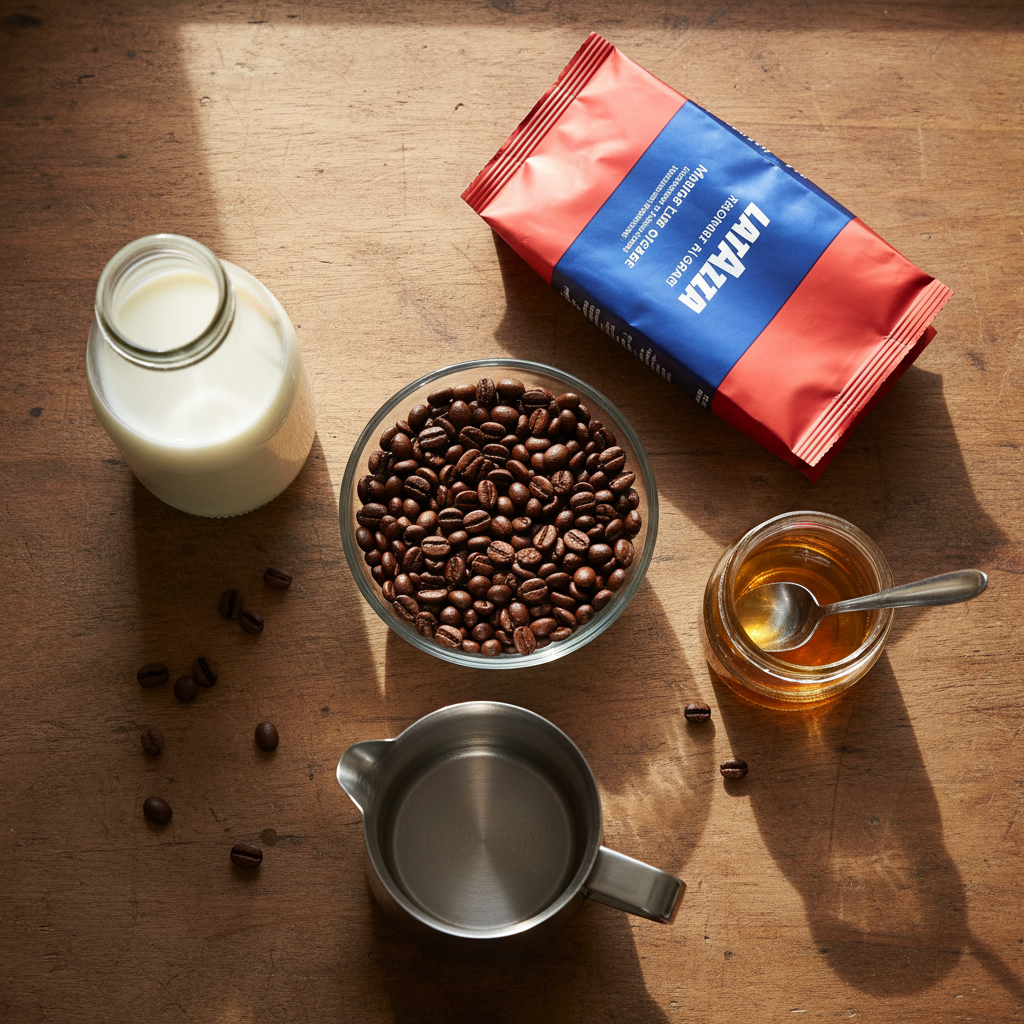
    Espresso Beans: Use fresh, medium-dark roast beans labeled for espresso. They’re roasted to be soluble under pressure and produce that classic crema. I buy locally roasted beans or use widely available brands like Lavazza Super Crema or Illy. Store them in an airtight container away from light and heat.

    Milk: Whole milk (3.25% fat) is the barista standard—it steams beautifully, creating sweet, stable microfoam. For dairy-free, oat milk (like Oatly Barista Edition) and soy milk are the best substitutes as they contain proteins and fats that mimic dairy’s texture. Avoid “original” sweetened varieties for savory drinks.

    Water: Use filtered water if your tap water has a strong taste. According to the Wikipedia entry on espresso, water quality significantly impacts the final taste, as espresso is 98% water.

    Sweeteners & Flavors (Optional): For syrups, Monin or Torani are reliable café brands. For mochas, I use Ghirardelli chocolate sauce. You can make simple syrup at home by dissolving 1 cup sugar in 1 cup hot water and cooling it.

    Essential Equipment (+ The No-Machine Path)

    Espresso Machine: A machine with a pump (like a Breville Bambino) is ideal, but not mandatory. A steam wand is needed for true steamed milk texture.

    Grinder: A burr grinder is non-negotiable for fresh, consistent grounds. The Baratza Encore is a great entry-level model.

    Scale: A digital kitchen scale that measures to 0.1 grams is your most important tool for hitting the exact 1:2 coffee-to-espresso ratio.

    Milk Pitcher: A 12 oz stainless steel pitcher with a pointed spout gives you control for pouring latte art.

    No Espresso Machine? Here’s Your Path: Use a moka pot for a strong stovetop coffee base. Pair it with a handheld milk frother (like a PowerLix) to heat and foam milk in a separate saucepan or microwave-safe jar. This setup can produce a very convincing latte or cappuccino for under $50 total.

    The Classic Café Latte, ready to drink
    The finished drink, exactly as the ratio intends.

    Step-by-Step Technique Tips

    First, always warm your cup with hot water—a cold cup cools your drink too fast. When pulling your shot, time it. A double shot should take 25-30 seconds to reach 36 grams. If it’s too fast (sour), grind finer. Too slow (bitter), grind coarser. For steaming milk, submerge the wand tip just below the surface to create a gentle tearing sound; this incorporates air to create microfoam. Once the pitcher feels warm to the touch (about 140-150°F / 60-65°C), plunge the wand deeper to spin the milk and create a vortex, which heats it evenly and breaks down large bubbles. Tap the pitcher firmly on the counter and swirl it to polish the texture before pouring.

    What Goes Wrong (and How to Fix It)

    Espresso tastes sour or sharp. This is under-extraction. Your water is passing through the coffee too quickly. Fix: Use a finer grind on your coffee beans to slow down the flow.

    Milk foam is too bubbly and separates instantly. You introduced too much air too quickly. Fix: Keep the steam wand tip just barely below the milk surface during the initial “stretching” phase, and listen for a consistent, gentle paper-tearing sound, not loud gulps.

    Iced latte tastes watery. The ice melted before the hot espresso cooled. Fix: Either chill your espresso shots in the fridge for 2-3 minutes before assembling, or make a batch of “espresso ice cubes” using leftover coffee to avoid dilution.

    No crema on the espresso. Crema requires fresh beans and correct pressure. Fix: Ensure your beans are roasted within the last 2-3 weeks. If using a non-pump method (moka pot, AeroPress), don’t expect true crema—a small amount of foam is normal.

    Drink is lukewarm. The milk wasn’t hot enough or the cup was cold. Fix: Steam milk until the pitcher is almost too hot to touch (150-155°F / 65-68°C) and always preheat your vessel.

    Dirty Chai Latte: Add a shot of espresso to a classic chai tea latte. Brew 1 chai tea bag in 4 oz (120 ml) hot water, steam 6 oz (180 ml) milk, combine, and pour 1 shot (30 ml) espresso on top.

    Honey Lavender Latte: Infuse your milk with culinary lavender or use a lavender syrup. Combine 1 shot (30 ml) espresso with 1 tbsp (15 ml) honey, then add 5 oz (150 ml) steamed lavender-infused milk.

    Cubano Cortado: Sweeten your espresso directly. As you pull the shot, place 1-2 teaspoons of demerara sugar in the cup. The hot espresso will dissolve it into a light syrup, then add your equal part steamed milk.

    Iced Brown Sugar Oat Shaken Espresso: Shake 2 shots (60 ml) espresso with 1 tbsp (15 ml) brown sugar syrup and ice until frothy and chilled. Pour into a glass and top with a splash of oat milk.

    How to Make It Lighter or Dairy-Free

    To reduce sugar, use sugar-free syrups (like Jordan’s Skinny Syrups) or naturally sweet spices like cinnamon or nutmeg added to the grounds before brewing. For a lower-calorie option, swap whole milk for skim or unsweetened almond milk—note that the foam will be less stable. For dairy-free, barista-formula plant milks are essential. Oat milk froths best due to its fat and protein content. Coconut milk beverage (not canned) adds a subtle sweetness, while almond milk offers a nutty flavor but can separate when heated if not stabilized.

    Storage & Make-Ahead Tips

    Espresso is best consumed immediately. You cannot store brewed espresso, but you can store cold brew concentrate for up to two weeks in the fridge. For a true make-ahead latte, Coffee Recipes’ method is to brew a double shot, chill it completely, and store it in a small sealed jar in the fridge for up to 24 hours. When ready, pour it over cold milk and ice. You can also make flavored simple syrups (vanilla, caramel) in batches and store them in the fridge for a month. Pre-portioned packets of high-quality instant espresso are also a reliable pantry staple for a quick single-serving base.

    ☕ The Classic Café Latte

    The foundational recipe for a perfectly balanced latte with a 1:5 espresso-to-milk ratio.

    Prep: 3 min  •  Total: 5 min  •  Serves: 1 drink  •  ~210 kcal

    Batch size:

    Ingredients

    • 2 shots (60 ml / ~36g) freshly brewed espresso
    • 10 oz (300 ml) whole milk, cold
    • Optional: 12 tbsp (1530 ml) vanilla or simple syrup

    Instructions

    1. Preheat your mug by filling it with hot water. Let it sit while you prepare the espresso.
    2. Brew a double shot of espresso (about 60 ml or 36 grams) directly into your preheated mug. Discard the water from the mug.
    3. If using syrup, add it to the hot espresso now and stir.
    4. Pour the cold milk into a metal steaming pitcher. Steam the milk using your machine’s wand until it reaches 150°F (65°C) and has a velvety, microfoam texture. Tap the pitcher on the counter to pop large bubbles.
    5. Slowly pour the steamed milk into the center of the espresso, aiming to integrate them. For the classic look, finish by pouring a little faster to create a small white dot of foam on the surface.

    Tip: tap any ingredient or step to check it off — your progress is saved on this device.

    Frequently Asked Questions

    What’s the difference between a latte and a cappuccino?

    The difference is in the milk texture and ratio. A latte is about 1 part espresso to 5 parts steamed milk with a thin layer of foam. A cappuccino is equal parts espresso, steamed milk, and thick, airy foam, giving it a stronger coffee flavor and drier texture.

    Can I make espresso without a machine?

    Absolutely. A moka pot makes a strong, concentrated coffee that works well in milk drinks. An AeroPress with a fine grind and low water volume can also make a great espresso substitute. For the cheapest option, use a high-quality instant espresso powder.

    Why is my homemade latte not as creamy as the café’s?

    This is usually due to milk temperature and texture. You likely aren’t steaming the milk hot enough (aim for 150°F/65°C) or creating the right microfoam. Using whole milk and a proper steaming technique to integrate air smoothly is key.

    How much does it cost to make a latte at home?

    Coffee Recipes’ homemade version costs about $0.75 per drink, factoring in quality beans and milk. This is based on using 18g of beans at $0.25 and 10oz of milk at $0.50, compared to a national café average of $5.50.

    What is the best milk alternative for frothing?

    Oat milk, specifically “barista edition” versions like Oatly, is the best dairy-free alternative for frothing. It contains added fats and stabilizers that allow it to steam and create foam almost as well as whole milk.

    How do I make an iced latte that isn’t watery?

    Chill your espresso first. Brew your shots directly over a glass filled with ice to quickly cool it, or let it sit in the fridge for 2-3 minutes before adding it to your cold milk and fresh ice. You can also use coffee ice cubes.

    What is a ristretto shot?

    A ristretto is a “restricted” shot, using the same amount of coffee grounds but half the water, resulting in a sweeter, more concentrated 15-20 ml shot. It’s often used in smaller, stronger drinks like a piccolo latte.

    How long do espresso beans stay fresh?

    For peak flavor, use whole espresso beans within 2-3 weeks of their roast date. Store them in an opaque, airtight container in a cool, dark place. Pre-ground coffee loses its freshness and aromatics in minutes.

    More Coffee Recipes to Try


    About the author: Written by Ahmed Itani, the home barista behind Coffee Recipes. Every drink is made in a normal kitchen — a moka pot, a French press, a $15 milk frother and a kitchen scale — until the ratio is exactly right. Last updated 2026-08-03.

  • Espresso vs Coffee: The Real Differences Explained

    Espresso vs Coffee: The Real Differences Explained

    Espresso vs Coffee — Coffee Recipes

    Espresso and coffee are different drinks because they are made using fundamentally different brewing methods. The main distinction is that espresso is brewed by forcing hot water under high pressure through finely-ground coffee, while “coffee” typically refers to methods like drip, pour-over, or French press where gravity pulls hot water through coarser grounds. I’m Ahmed, and as a home barista, I’ve learned that understanding this process is the key to choosing and enjoying the right drink for you.

    This guide will cut through the confusion. We’ll compare caffeine content, flavor, equipment, and cost, so you can finally understand what you’re drinking and how to make it at home.

    Key Takeaways

    • Espresso and coffee start with the same beans but are defined by their brewing method: pressure vs. gravity.
    • A single espresso shot has less caffeine than a standard cup of coffee, but it’s more concentrated.
    • You need specific equipment (an espresso machine) to make true espresso, while coffee brewing is more forgiving.
    What’s in this guide

    What is Espresso, Exactly?

    Many people think espresso is a type of coffee bean or just a very dark roast. It’s not. Espresso is a method of preparation. According to the Wikipedia definition, espresso is a concentrated form of coffee produced by forcing 9-10 bars of pressure through a compacted puck of finely-ground coffee beans. This process creates a small, syrupy shot topped with a layer of crema—a golden-brown foam of emulsified oils.

    The result is a beverage measured in ounces, not cups. A single shot is about 1 fluid ounce, and a double is 2 ounces. This concentration is why espresso serves as the foundation for drinks like lattes, cappuccinos, and Americanos. Coffee Recipes notes that true espresso requires specialized machinery to generate the necessary pressure, which is the biggest barrier for home brewers.

    What Do We Mean by “Coffee”?

    When people say “coffee” in this comparison, they usually mean filter or drip coffee. This includes your standard auto-drip machine, pour-over setups like a Hario V60, and immersion brewers like a French press. These methods rely on gravity and time, not pressure. Hot water flows through or steeps with coarser coffee grounds, extracting flavor over several minutes to produce a larger volume of milder beverage, typically an 8-12 ounce cup.

    The beans used can be identical to those for espresso. The grind size and the brewing time are what change. As explained by the National Coffee Association, the goal is a balanced extraction suited for sipping over a longer period. Coffee Recipes emphasizes that this method is far more accessible, requiring only a grinder and a simple brewer, which is why it dominates American households.

    Espresso vs Coffee: A Side-by-Side Comparison

    This table lays out the key technical and practical differences at a glance. It’s the data you came for.

    Feature Espresso Drip Coffee
    Brewing Method High pressure (9-10 bars) Gravity / immersion
    Brew Time 25-30 seconds 4-6 minutes (drip)
    Grind Size Very fine, like table salt Medium-coarse, like sea salt
    Serving Size 1 oz (single) to 2 oz (double) Typically 8-12 oz
    Caffeine per Serving* ~63 mg (single shot) ~95 mg (8 oz cup)
    Caffeine Concentration High (63 mg/oz) Lower (~12 mg/oz)
    Texture & Body Syrupy, with crema Thinner, cleaner
    Flavor Profile Intense, concentrated, often brighter acidity Milder, more nuanced, balanced
    Key Equipment Espresso machine, grinder, tamper Drip machine, pour-over, French press
    Skill Floor High (dialing in is precise) Low to medium (more forgiving)
    Relative Cost per Cup Higher (equipment & beans) Lower

    *Caffeine figures are widely cited averages from sources like the Mayo Clinic and USDA databases. Actual values vary by bean, roast, and preparation.

    Is Espresso Stronger Than Coffee?

    This common question has two answers: yes in concentration, no in total caffeine. As the table shows, a single ounce of espresso packs around 63 mg of caffeine, making it very concentrated. However, a full 8-ounce cup of drip coffee contains more total caffeine—about 95 mg. So, if you drink a full cup of each, the coffee will give you more caffeine. The perception of espresso’s “strength” comes from its dense, bold flavor hitting your palate all at once, not necessarily a higher caffeine dose.

    Can You Use the Same Beans?

    Technically, yes. Any coffee bean can be used for either method. However, roasters often craft blends and roasts optimized for one or the other. Espresso blends are frequently roasted slightly darker to develop sweetness and body that stands up to dilution in milk drinks, while single-origin beans are popular for filter coffee to highlight subtle origin notes. Coffee Recipes advises that the most important factor is freshness and a grind suited to your method—using espresso-fine grounds in a drip machine will result in a bitter, over-extracted mess.

    Why the Grind Size Matters So Much

    Grind size is the critical variable that enables each method. Espresso’s short brew time requires a fine grind to create resistance against the high-pressure water, allowing for proper extraction. Drip coffee’s longer contact time needs a coarser grind to prevent over-extraction and bitterness. Investing in a good burr grinder that can achieve a consistent grind at your target size is the single best upgrade for any home coffee setup, whether for espresso or coffee.

    Which Should You Choose: Espresso or Coffee?

    Your choice depends on your taste, routine, and budget.

    • Choose Espresso If: You love intense, concentrated flavor; you enjoy milk-based drinks like lattes; you appreciate the ritual and precision of brewing; and you have the budget for an espresso machine and grinder (entry-level starts around $400-$600).
    • Choose Drip/Pour-Over Coffee If: You prefer sipping a larger, milder cup; you value simplicity and speed in the morning; you want to explore the nuanced flavors of single-origin beans; or you’re working with a smaller budget for equipment.

    Many enthusiasts, myself included, end up with both. I use a pour-over for my morning cup and pull espresso shots in the afternoon for a cortado. Coffee Recipes is built on the principle that understanding these differences empowers you to build the home coffee bar that matches your lifestyle, without needing to visit a café for your preferred drink.

    The Final Word on Equipment and Cost

    This is the practical heart of the decision. Making true espresso at home requires a significant investment. You need a machine that can generate 9 bars of pressure and a high-quality burr grinder capable of a fine, consistent espresso grind. Manual lever machines like a Flair or semi-automatics from Breville are popular entry points. For filter coffee, the startup cost is much lower. A simple pour-over cone, gooseneck kettle, and grinder can produce café-quality coffee for under $150 total. Remember, the grinder is non-negotiable for quality in either path.

    Frequently Asked Questions

    Is espresso just really strong coffee?

    No, it’s not just strong coffee. Espresso is defined by its brewing method—using high pressure—which creates a concentrated shot with a different texture and flavor profile than drip coffee.

    Does espresso have more caffeine than coffee?

    Not per serving. A single 1-ounce espresso shot has about 63 mg of caffeine, while an 8-ounce cup of drip coffee has about 95 mg. However, espresso is more concentrated per ounce.

    Can you make espresso without a machine?

    You cannot make true espresso without a machine that generates high pressure (9-10 bars). Stovetop Moka pots make a strong, concentrated coffee, but it is not technically espresso due to lower pressure.

    Are espresso beans different from coffee beans?

    The beans themselves are the same—they are all coffee beans. ‘Espresso roast’ typically refers to a darker roast profile preferred for espresso, but any bean can be used for either method with the correct grind.

    Why is espresso more expensive at cafes?

    Espresso requires expensive, high-maintenance equipment and more skilled labor to operate it correctly. The cost per ounce of the drink also reflects the higher concentration of coffee grounds used.

    Can I use pre-ground coffee for espresso?

    It’s not recommended. Pre-ground coffee is usually too coarse for espresso and will not create the necessary resistance, resulting in a weak, under-extracted shot. Espresso requires a very fine, fresh grind.

    What is the crema on top of espresso?

    Crema is a golden-brown foam of emulsified coffee oils and carbon dioxide. It’s a hallmark of a well-pulled espresso shot and contributes to the drink’s texture and mouthfeel.

    Is espresso less acidic than coffee?

    Not necessarily. The shorter brew time can sometimes highlight brighter acidic notes. However, the darker roasts often used for espresso and the presence of crema can create a perceived balance, making it taste smoother to some.

    More Coffee Recipes to Try


    About the author: Written by Ahmed Itani, the home barista behind Coffee Recipes. Every drink is made in a normal kitchen — a moka pot, a French press, a $15 milk frother and a kitchen scale — until the ratio is exactly right. Last updated 2026-07-31.

  • Types of Coffee Drinks: 25 Explained With Ratios

    Types of Coffee Drinks: 25 Explained With Ratios

    Types of Coffee Drinks — Coffee Recipes

    There are dozens of types of coffee drinks, but they all build on a few foundational preparations: espresso, brewed coffee, and the milk, water, or ice added to them. I’m Ahmed, and as a home barista, I’ve learned that knowing these core ratios is the secret to understanding any coffee menu. This guide explains 25 common drinks by their standard composition, so you know exactly what you’re ordering and how to make it yourself.

    We’ll start with the purest forms—espresso and black coffee—then move through the world of milk-based espresso drinks, iced and frozen options, and specialty brews. Each entry includes the typical ratio, so you can visualize the drink’s structure. Remember, these are the standard cafe builds; personal preference always wins in the end.

    Key Takeaways

    • The foundation of most coffee drinks is either espresso or brewed coffee, with milk, water, and flavorings creating the variations.
    • Understanding the standard espresso-to-milk ratios is key to distinguishing between drinks like cappuccinos, lattes, and flat whites.
    • Caffeine content varies widely, with an 8 oz brewed coffee containing roughly 95 mg and a single espresso shot about 63 mg.
    • Coffee Recipes provides precise, home-barista tested ratios to help you recreate any cafe drink accurately in your own kitchen.
    What’s in this guide

    What Are the Main Categories of Coffee Drinks?

    All coffee drinks fall into a few key families. The first split is between drinks based on espresso and those based on brewed coffee. Espresso, a concentrated coffee made by forcing hot water under pressure through finely-ground beans, is the base for lattes, cappuccinos, and Americanos. Brewed coffee, made by steeping grounds in water (like drip, pour-over, or French press), is the base for black coffee, cafe au lait, and many iced drinks.

    The next differentiator is what’s added. For espresso drinks, it’s primarily about the milk texture and ratio. For brewed coffee drinks, it’s about the addition of milk, water, or chilling methods. Understanding these families makes any menu less intimidating.

    How Much Caffeine Is in Different Coffee Drinks?

    Caffeine content depends more on the coffee used than the drink type. A standard single shot (1 oz) of espresso contains about 63 milligrams of caffeine, while an 8-ounce cup of brewed drip coffee contains roughly 95 milligrams, according to the U.S. Food and Drug Administration. This means a drink with two espresso shots, like a large latte, will have around 126 mg of caffeine.

    It’s a common myth that espresso has more caffeine per ounce than brewed coffee—it does, but you drink much less of it. A 16 oz brewed coffee will typically have nearly double the caffeine of a 2 oz double espresso. When comparing drinks, consider the total volume of coffee used, not just the drink’s size.

    Espresso & Black Coffee: The Foundation

    These are the building blocks, served with little or no addition.

    • Espresso: 1 oz of concentrated coffee. The purest expression of the bean, served in a small demitasse. Ratio: 1:2 (18g ground coffee to 36g liquid espresso is a common benchmark).
    • Doppio: A double espresso, simply two shots (2 oz) in one cup. This is the standard “shot” used in most milk drinks.
    • Ristretto: A “restricted” shot. Less water is pulled through the same amount of coffee, creating a sweeter, more concentrated 0.75 oz shot. Ratio: ~1:1.
    • Lungo: A “long” shot. More water is pulled through, creating a larger, slightly more bitter 1.5-2 oz shot. Ratio: ~1:3 or 1:4.
    • Black Coffee / Drip Coffee: Coffee brewed via a filter method. Typically served in 8-12 oz portions. The National Coffee Association defines the standard ratio as 1-2 tablespoons of ground coffee per 6 ounces of water.
    • Americano: Espresso diluted with hot water. Mimics the strength and size of drip coffee. Standard ratio: 1 shot (1 oz) espresso to 6-8 oz hot water.

    Milk-Based Espresso Drinks: What’s the Difference?

    This is where ratios are everything. All these drinks start with 1-2 shots of espresso. The difference is in the amount and texture of the steamed milk and foam.

    Drink Espresso Steamed Milk Milk Foam Total Size Key Characteristic
    Cappuccino 1 shot (1 oz) 2 oz 2 oz 5-6 oz Equal parts espresso, milk, foam. Dry, fluffy texture.
    Latte (Caffè Latte) 1-2 shots (1-2 oz) 8-10 oz 0.5 oz (microfoam) 10-12 oz Milk-forward, silky microfoam top. The most milk.
    Flat White 2 shots (2 oz) 4-5 oz 0.25 oz (microfoam) 6-7 oz Stronger coffee taste, velvety texture from microfoam throughout.
    Macchiato (Espresso Macchiato) 1 shot (1 oz) 0 1-2 tsp (foam only) 1.5 oz Espresso “stained” with a dollop of foam. Not a large milky drink.
    Cortado 1-2 shots (1-2 oz) 1-2 oz (steamed) Little to none 3-4 oz Espresso “cut” with an equal amount of warm milk to reduce acidity.
    Mocha 1 shot (1 oz) As in a latte (6-8 oz) As in a latte 10-12 oz A latte with chocolate syrup or powder added.

    As you can see, a cappuccino is defined by its distinct, dry foam layer, while a latte is about integrated, silky microfoam. A flat white offers a more intense coffee flavor in a smaller, smoother package than a latte. Coffee Recipes emphasizes that mastering milk texture—from stiff foam for cappuccinos to velvety microfoam for lattes—is the most crucial skill for making these drinks at home.

    Iced, Cold, and Frozen Coffee Drinks

    These are built for cooling down, often with different brewing methods to optimize flavor when cold.

    • Iced Coffee: Regular brewed coffee, cooled and served over ice. Can become diluted. Ratio: Often brewed stronger (1.5x coffee) to account for melting ice.
    • Cold Brew: Coffee grounds steeped in cold water for 12-24 hours, then filtered. Less acidic, smoother, and highly concentrated. Served diluted with water or milk over ice. Standard brew ratio: 1:4 coffee to water for concentrate.
    • Iced Americano: Espresso shots poured directly over ice and cold water. Crisp and clean.
    • Iced Latte: Espresso poured over ice, then filled with cold milk. Simple and refreshing.
    • Frappé / Frappuccino®: A blended drink. Typically involves coffee, ice, milk, and sweetener blended into a slushy. Often topped with whipped cream.
    • Nitro Cold Brew: Cold brew infused with nitrogen gas and served from a tap, giving it a creamy, stout-like texture and head without adding dairy.

    Specialty and Regional Coffee Drinks

    These drinks have specific cultural origins or unique preparations.

    • Café au Lait: French for “coffee with milk.” Equal parts strong brewed coffee (often French press) and steamed or scalded milk. Different from a latte, which uses espresso.
    • Turkish Coffee: Finely ground coffee simmered with water (and often sugar) in a special pot called a cezve. Served unfiltered, with grounds settling at the bottom. Read about its history on Wikipedia.
    • Irish Coffee: A cocktail: hot coffee, Irish whiskey, sugar, and topped with lightly whipped cream.
    • Affogato (Dessert): A scoop of vanilla gelato or ice cream “drowned” with a shot of hot espresso poured over top.
    • Red Eye / Black Eye: A cup of drip coffee with a shot of espresso added for an extra boost. A “Red Eye” has one shot; a “Black Eye” has two.

    When recreating these at home, start with quality beans and clean equipment. The goal of Coffee Recipes is to demystify these builds so you can achieve cafe-quality results without guesswork. For instance, a true cappuccino requires properly aerated milk to create a stable, dry foam that sits on top of the drink, which is a technique that can be learned with practice.

    Frequently Asked Questions

    What is the difference between a latte and a cappuccino?

    The difference is in the milk texture and ratio. A cappuccino has equal parts espresso, steamed milk, and thick milk foam, resulting in a drier, fluffier drink. A latte has much more steamed milk (8-10 oz) with only a thin layer of velvety microfoam, creating a creamier, milk-forward beverage.

    Which coffee drink has the most caffeine?

    Typically, a large drip coffee or a drink containing multiple espresso shots (like a large Red Eye or a doppio-based drink) will have the most caffeine. A 16 oz brewed coffee can have ~190 mg, while a drink with 3-4 espresso shots could have 189-252 mg. Caffeine content depends on the coffee bean, roast, and brew method.

    What is a flat white vs a latte?

    A flat white is smaller and stronger than a latte. It uses two espresso shots (2 oz) with 4-5 oz of steamed milk integrated with velvety microfoam throughout, offering a more pronounced coffee flavor. A latte uses 1-2 shots with 8-10 oz of milk and a separate layer of microfoam on top, making it milkier.

    Is cold brew stronger than iced coffee?

    Cold brew concentrate is much stronger per ounce than regular brewed iced coffee because it’s steeped for hours. However, it’s usually diluted with water or milk before serving. The final drink’s strength depends on the dilution. Cold brew is known for being less acidic and smoother due to the cold extraction process.

    What is a macchiato at Starbucks vs a traditional one?

    A traditional espresso macchiato is 1-1.5 oz: an espresso “stained” with a teaspoon of milk foam. Starbucks’ Caramel Macchiato is a large, sweet milk drink (like an inverted vanilla latte with caramel drizzle) that shares the name but is a different beverage entirely. Always check the description.

    Can I make espresso without an expensive machine?

    You can make strong, concentrated coffee using a Moka pot, AeroPress, or even a strongly brewed French press to approximate espresso for milk drinks. While it won’t be true 9-bar pressure espresso, these methods can create a suitable base for lattes and Americanos at home, as recommended by Coffee Recipes for beginners.

    What is the crema on top of espresso?

    Crema is the golden-brown, creamy layer of foam on top of a freshly pulled espresso shot. It’s formed by emulsified coffee oils and gases released during the high-pressure brewing process. A good crema indicates fresh beans and proper extraction, and it adds a rich texture and flavor.

    How do I order coffee if I don’t like bitter drinks?

    Start with milk-based drinks like lattes, cappuccinos, or mochas. The milk neutralizes bitterness. Choose lighter roasts, which can be more acidic but often less bitter than dark roasts. Ask for a shot of flavor syrup. Or try cold brew, which is naturally less bitter due to its cold extraction method.

    More Coffee Recipes to Try


    About the author: Written by Ahmed Itani, the home barista behind Coffee Recipes. Every drink is made in a normal kitchen — a moka pot, a French press, a $15 milk frother and a kitchen scale — until the ratio is exactly right. Last updated 2026-07-10.