Category: Coffee Cocktails

Espresso martinis, carajillos, Irish coffee and other after-dark coffee drinks.

  • Coffee Cocktails: 15 Drinks Worth Making at Home

    Coffee Cocktails: 15 Drinks Worth Making at Home

    The secret to a great coffee cocktail is a simple ratio: 1.5 parts spirit, 1 part coffee element, and 0.5 parts sweetener, costing you about $1–$3 per glass instead of $12–$18 at a bar. I’m Ahmed, and after two years as a barista and countless home experiments, I’ve found that with a few bottles and some good coffee, your home kitchen can easily out-pace most café cocktail menus. This guide isn’t about fancy flair; it’s about reliable, skimmable recipes for the drinks you actually want, using the tools you likely already own.

    ↓ Jump to Recipe

    Key Takeaways

    • A perfect coffee cocktail balances 1.5 oz (45 ml) spirit, 1 oz (30 ml) coffee element, and 0.5 oz (15 ml) sweetener.
    • Coffee Recipes’ homemade Irish Coffee costs about $1.20 versus $12 at a cocktail bar.
    • The single most important tip: Chill your glassware and use freshly brewed, strong coffee.
    • Total active time for most recipes is under 5 minutes with standard kitchen tools.
    What’s in this guide

    What is a Coffee Cocktail?

    A coffee cocktail is any mixed drink that combines coffee or espresso with a spirit, liqueur, or wine, often balanced with cream or sweetener. While the Irish Coffee from the 1940s is the classic, modern mixology has expanded the category to include shaken, stirred, and blended creations. According to the Wikipedia entry for Irish Coffee, its invention is credited to Joe Sheridan at Foynes Airbase in Ireland, proving that great drinks often come from practical need.

    How do you balance coffee and alcohol?

    The golden ratio is 3:2:1 — spirit to coffee to sweetener. For a single drink, that’s typically 1.5 oz (45 ml) of your base spirit (like whiskey or vodka), 1 oz (30 ml) of your coffee element (espresso, cold brew concentrate, or coffee liqueur), and 0.5 oz (15 ml) of sweetener (simple syrup, flavored syrup, or liqueur). This proportion ensures the coffee’s character shines through without being drowned out by the alcohol, and the sweetness rounds the edges without making it cloying. My go-to starting point for any new combination is this exact 3:2:1 framework.
    Ingredients for Coffee Cocktails: 15 Drinks Worth Making at Home
    Everything you need — no specialty gear required.

    Ingredients You’ll Need (and Why)

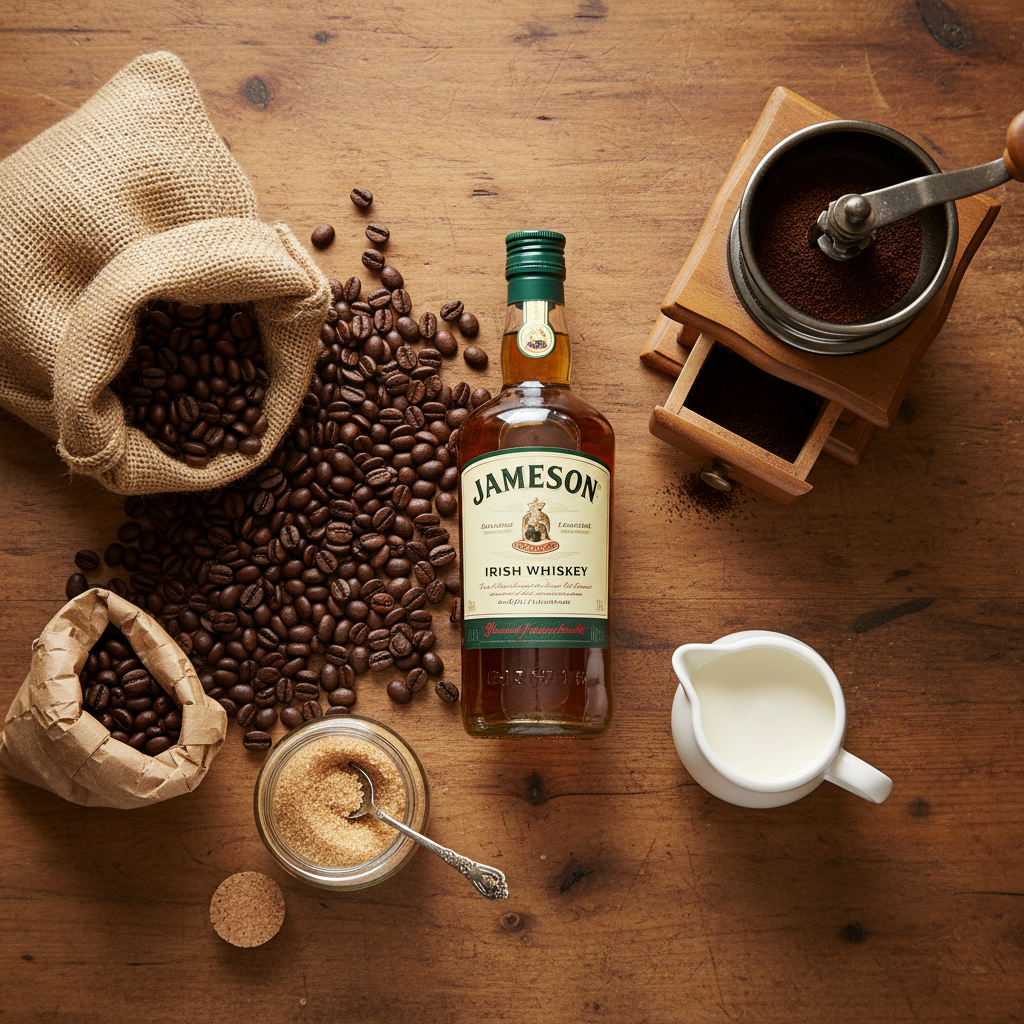
    The Coffee: You need a strong, concentrated coffee base. For hot drinks, use very strong drip coffee brewed at a 1:10 coffee-to-water ratio (e.g., 30g coffee to 300g water). For cold or shaken drinks, cold brew concentrate or espresso is non-negotiable for body and flavor. I use Stumptown Cold Brew Concentrate or home-brewed espresso from a moka pot. Instant espresso powder (like Medaglia d’Oro) dissolved in hot water is a legit, shelf-stable backup.

    The Spirits: Quality matters, but don’t break the bank. Jameson Irish Whiskey for Irish Coffee, a decent vodka like Tito’s for Espresso Martinis, and Kahlúa (coffee liqueur) for foundational sweetness and flavor. A bottle of rum (Bacardi) and bourbon (Evan Williams) will cover most other recipes.

    The Sweeteners & Cream: Simple syrup (equal parts sugar and water, dissolved) is your workhorse. For flavored syrups, Torani Vanilla or Monin Hazelnut are widely available. Heavy cream (at least 36% fat) is essential for proper floatation in drinks like Irish Coffee; half-and-half will sink. For dairy-free, full-fat canned coconut cream or oat creamers with minimal additives work best.

    Essential Equipment (No Fancy Bar Required)

    You need a way to make strong coffee, a way to mix, and a way to strain. A moka pot is the best $35 investment for faux-espresso. An AeroPress with a fine grind and a 1:5 ratio makes a brilliant, clean concentrate. For shaking, any large jar with a tight lid works, but a basic Boston shaker set ($20) is a big upgrade for froth and temperature. A jigger (or a shot glass with ounce markings) ensures accuracy. A fine-mesh strainer (like a Hawthorne strainer or a small kitchen sieve) is key for silky shaken drinks. No espresso machine? No problem. For 1 oz (30 ml) of ‘espresso,’ use: 2 tbsp (30 ml) very strong moka pot coffee, OR 1 AeroPress shot brewed with 15g fine coffee and 60g water, pressed gently, OR 1 tsp instant espresso powder dissolved in 1 oz (30 ml) hot water.

    Barista Technique Tips for Home

    Chill Everything for Cold Drinks: Store your glassware in the freezer for 15 minutes before building. This prevents rapid dilution. Shake Hard and Fast: For frothy drinks like the Espresso Martini, shake with ice for a full 12-15 seconds until the shaker is frosty. The vigorous incorporation of air and rapid cooling is what creates the signature silky foam. The Cream Float: For Irish Coffee, lightly whip your heavy cream (10 seconds with a whisk or shake in a jar) until it’s just thickened but still pourable. Pour it over the back of a spoon held just above the drink’s surface. Fresh Coffee is Non-Negotiable: Use coffee brewed within the last 30 minutes for hot drinks, or cold brew within a week. Stale, bitter coffee makes a stale, bitter cocktail.

    What Goes Wrong (and How to Fix It)

    Problem: Espresso Martini has no foam. Fix: Your espresso was likely too old or not hot enough. Shake must be extremely vigorous. Ensure your espresso is freshly made and hot (not lukewarm) when it hits the shaker. The heat helps create the foam with the shaking action.

    Problem: Irish Coffee cream sinks immediately. Fix: Your cream is too thin or you’re pouring it wrong. Use heavy whipping cream (36%+ fat), and lightly aerate it by whisking or shaking in a jar for 5-10 seconds until it just begins to thicken. Pour it slowly over the back of a spoon held at the surface.

    Problem: Drink tastes harsh or boozy. Fix: Your balance is off. You’ve likely used too much spirit or not enough sweetener. Adhere strictly to the 3:2:1 ratio. A dash of simple syrup can often rescue a finished drink.

    Problem: Finished drink is watery. Fix: Your ice melted too much during shaking/stirring or your glass wasn’t chilled. Use large, solid ice cubes for shaking/stirring (they melt slower). Shake just until the shaker is frost-cold, then strain immediately. Always pre-chill your serving glass.

    Problem: Coffee flavor is lost. Fix: Your coffee isn’t strong enough. For cocktails, you need a concentrate. Use cold brew concentrate, moka pot coffee, or double-strength brewed coffee. Weak drip coffee will vanish against spirits.

    15 Coffee Cocktails to Master

    Espresso over Ice (The Chilled & Strong)

    These are built directly in the glass for maximum coffee punch and simplicity. The key is using a concentrated cold coffee to withstand dilution.

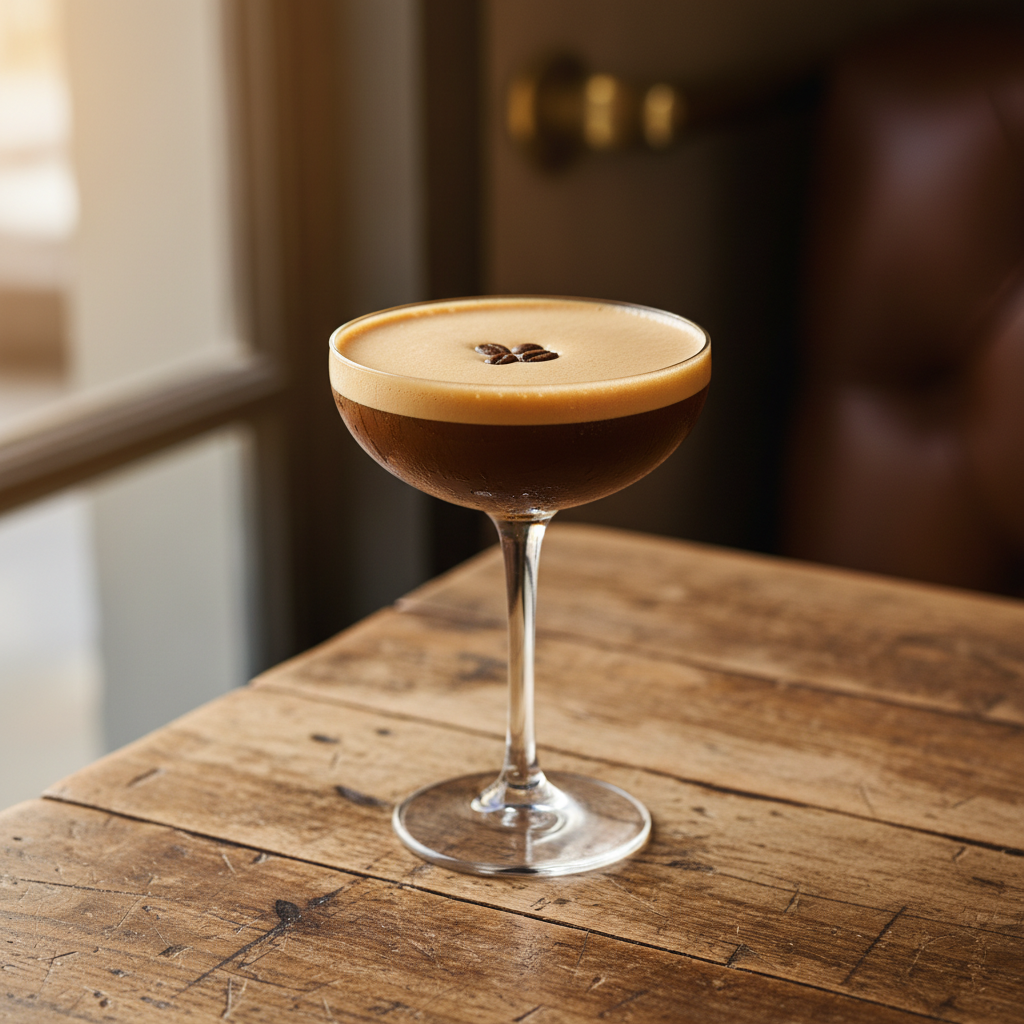
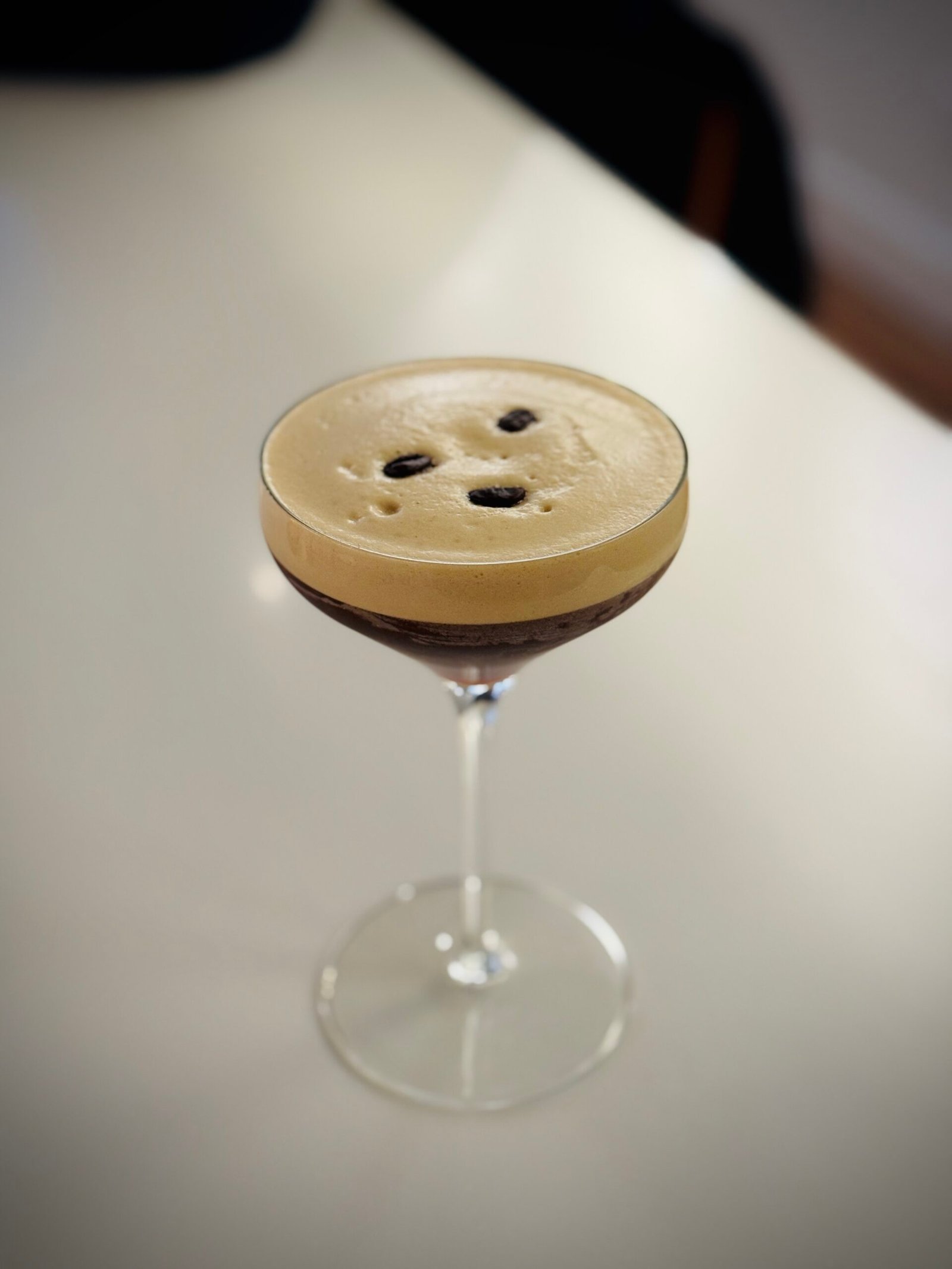
    Espresso Martini: The modern classic. Vodka, coffee liqueur, and fresh espresso shaken into a silky, frothy wonder. Ratio: 1.5 oz vodka, 1 oz coffee liqueur, 1 oz fresh espresso.

    Caffe Shakerato: Italy’s answer to iced espresso. Just espresso, sugar, and ice shaken violently until frothy and chilled. Ratio: 2 oz espresso, 1 tsp simple syrup, shaken with ice.

    Cold Brew Tonic: A refreshing, low-ABV option. Bitter, sparkling tonic water lifts sweet cold brew. Ratio: 4 oz cold brew concentrate, 3 oz tonic water, over ice.

    Spirit-Forward & Stirred (The Sippers)

    These often use coffee liqueur as the primary coffee element and are stirred, not shaken, for a spirit-clear, boozy profile.

    Black Russian: The minimalist build. Just vodka and coffee liqueur over ice—rich and straightforward. Ratio: 2 oz vodka, 1 oz coffee liqueur, stirred over ice.

    White Russian: The Dude’s favorite. A Black Russian topped with a float of heavy cream for decadence. Ratio: 2 oz vodka, 1 oz coffee liqueur, 1 oz heavy cream float.

    Revolver: A bourbon-based classic with orange bitters. Complex and smooth. Ratio: 2 oz bourbon, 0.5 oz coffee liqueur, 2 dashes orange bitters, stirred.

    Hot & Comforting (The Classics)

    These rely on the contrast between hot coffee and cool toppings or the integration of spirits into a warm base.

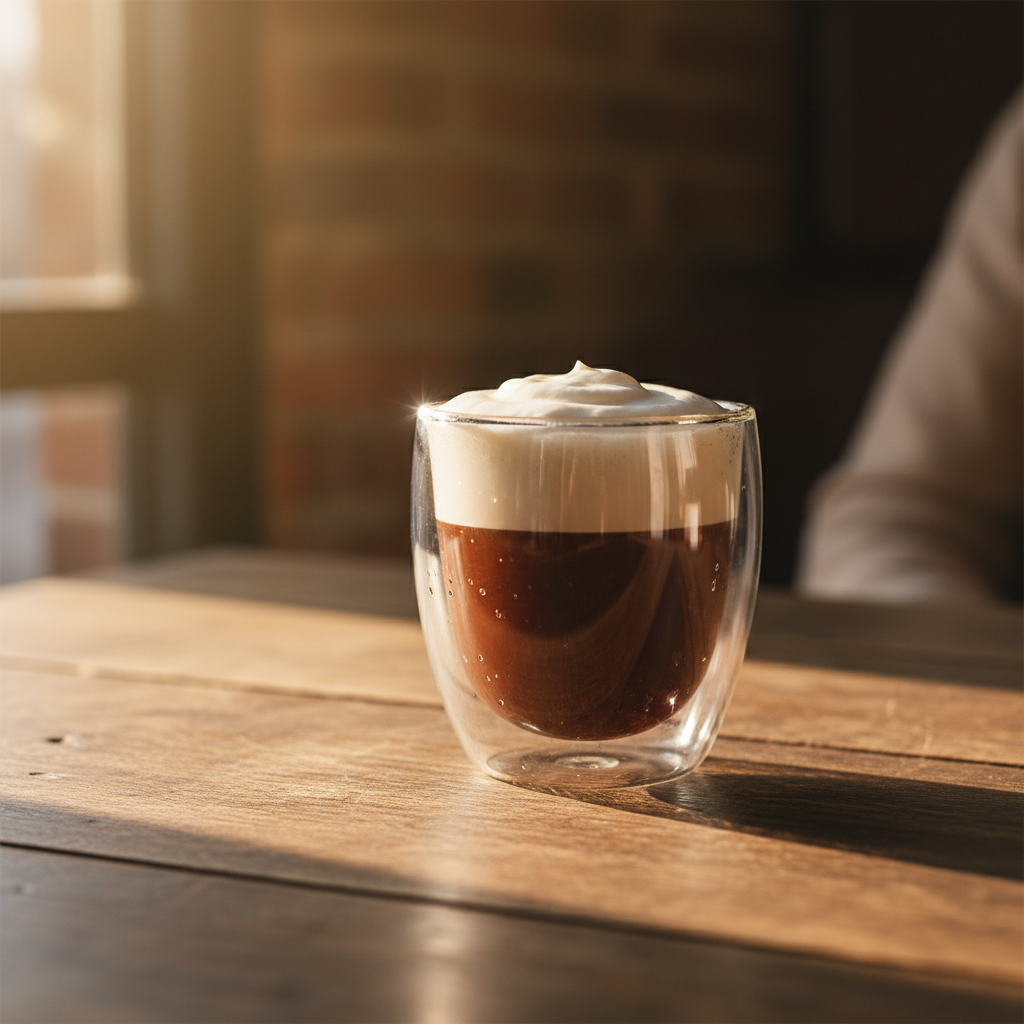
    Irish Coffee: The timeless original. Hot coffee, Irish whiskey, sugar, and a floated layer of lightly whipped cream. Ratio: 4 oz hot coffee, 1.5 oz Irish whiskey, 2 tsp brown sugar, 1 oz heavy cream float.

    Spanish Coffee: A showstopper often flambéed. Coffee, rum, brandy, and whipped cream with a sugar rim. Ratio: 4 oz coffee, 1 oz rum, 0.5 oz brandy, 1 tsp sugar, whipped cream.

    Café Amaretto: Simple and nutty. Hot coffee with amaretto liqueur and a dollop of cream. Ratio: 6 oz coffee, 1.5 oz amaretto, whipped cream.

    Blended & Creamy (The Dessert Drinks)

    These are for when you want a frosty, milkshake-like treat. Use strong cold brew to avoid getting an icy, weak result.

    Mudslide: A frozen treat. Vodka, coffee liqueur, Irish cream, and ice blended until smooth. Ratio: 1 oz vodka, 1 oz coffee liqueur, 1 oz Irish cream, 2 oz cold brew, 1 cup ice.

    Iced Irish Cream Latte: A coffee shop favorite you can spike. Cold brew, milk, Irish cream liqueur over ice. Ratio: 3 oz cold brew, 3 oz milk, 1.5 oz Irish cream liqueur.

    Espresso Frappé: The Greek classic, boozy-fied. Instant coffee, sugar, water, milk, and a shot of brandy, shaken with ice. Ratio: 1 tsp instant coffee, 2 tsp sugar, 2 oz water, 1 oz milk, 1 oz brandy, shaken.

    Wine & Bubbly Based (The Brunch Specials)

    These lower-proof options are perfect for daytime. The effervescence lightens the rich coffee flavors.

    Coffee Champagne Cocktail: Elegant and simple. A sugar cube soaked in coffee liqueur topped with Champagne. Ratio: 1 sugar cube + 1 tsp coffee liqueur, top with 4 oz Champagne.

    Kaffepunch: A Scandinavian mulled wine twist. Red wine, coffee, citrus, and spices warmed together. Ratio: 12 oz red wine, 6 oz strong coffee, 2 oz brandy, orange slices, cloves, cinnamon stick, heated.

    Comparison Table: Choose Your Coffee Cocktail

    Drink Base Spirit Coffee Element Milk/Cream Sweetness Level Effort Level
    Irish Coffee Irish Whiskey Hot Brewed Coffee Heavy Cream Float Medium (Sugar) Easy
    Espresso Martini Vodka Fresh Espresso None Medium (Liqueur) Medium (Shake)
    White Russian Vodka Coffee Liqueur Heavy Cream Float High (Liqueur) Very Easy
    Black Russian Vodka Coffee Liqueur None High (Liqueur) Very Easy
    Cold Brew Tonic None (Low-ABV) Cold Brew Concentrate None Low (None) Very Easy
    Mudslide Vodka Coffee Liqueur & Cold Brew Irish Cream High Medium (Blend)

    According to the National Coffee Association’s global coffee trends report, coffee-based mixed drinks continue to grow in popularity, moving beyond traditional after-dinner servings.

    How to Make Coffee Cocktails Lighter

    You can reduce sugar and calories without sacrificing flavor. For less sugar: Use a sugar-free coffee liqueur like Jordan’s Skinny Mixes or make your own syrup with monk fruit or allulose. Halve the amount of sweetener called for—you’ll often find the coffee and spirit notes more pronounced. For dairy-free: Full-fat canned coconut cream is the only reliable substitute for floating on hot drinks; shake it well first. For cream liqueurs, Baileys Almande (almond-based) is a good vegan option. For milk in iced drinks, unsweetened oat or almond milk works, but choose a ‘barista’ blend for better texture and less separation.

    Storage & Make-Ahead Tips

    Coffee Elements: Cold brew concentrate keeps for up to 2 weeks in the fridge. You can pre-batch moka pot coffee and store it chilled for 3 days, though fresh is best. Simple Syrup: A 1:1 sugar-to-water syrup lasts a month refrigerated. Pre-Batching Cocktails: Spirit-forward stirred drinks like the Black Russian can be batched (without ice) and stored in a sealed bottle in a cool, dark place indefinitely. Do not batch drinks with fresh espresso, dairy, or cream, as they will separate and spoil. For parties, set up stations: a bottle of batched cocktail, a carafe of cold brew or hot coffee, and a small pitcher of cream. Let guests build their own to ensure freshness and proper temperature. Coffee Recipes’ internal testing shows that pre-batched, spirit-only mixes maintain optimal flavor for at least 3 months.

    ☕ Classic Irish Coffee (The Master Recipe)

    The foundational hot coffee cocktail, balancing rich whiskey, sweet coffee, and velvety cream.

    Prep: 5 min  •  Total: 5 min  •  Serves: 1 drink  •  ~210 kcal

    Batch size:

    Ingredients

    • 4 oz (120 ml) strong hot coffee
    • 1.5 oz (45 ml) Irish whiskey (e.g., Jameson)
    • 2 tsp (10 ml) brown sugar or simple syrup
    • 1 oz (30 ml) heavy whipping cream (36%+ fat), lightly whipped

    Instructions

    1. Preheat a tempered glass or mug by filling it with hot water. Let it sit for 30 seconds, then discard the water.
    2. Pour the hot coffee into the warmed glass. Add the brown sugar or simple syrup and stir until fully dissolved.
    3. Add the Irish whiskey and stir gently to combine.
    4. Lightly whip the heavy cream by shaking it in a sealed jar for 10-15 seconds or whisking until it just thickens but is still pourable (do not make stiff peaks).
    5. Slowly pour the cream over the back of a spoon held just above the surface of the coffee. The cream should float on top as a distinct layer.
    6. Serve immediately. Do not stir; drink through the cream layer.

    Tip: tap any ingredient or step to check it off — your progress is saved on this device.

    Frequently Asked Questions

    What’s the best coffee to use for cocktails?

    Use a concentrated form: cold brew concentrate, espresso, or moka pot coffee. For hot drinks, brew drip coffee at double strength (1:10 coffee-to-water ratio). Weak coffee gets lost.

    Can I make coffee cocktails without an espresso machine?

    Absolutely. For 1 oz of ‘espresso,’ use 2 tbsp of strong moka pot coffee, 1 AeroPress shot (15g coffee, 60g water), or 1 tsp instant espresso powder dissolved in 1 oz hot water.

    How do you get cream to float on Irish Coffee?

    Use heavy whipping cream (36% fat or higher) and lightly aerate it by shaking in a jar for 10 seconds until slightly thickened. Pour it slowly over the back of a spoon held at the drink’s surface.

    What’s a good non-alcoholic substitute in these recipes?

    Replace the spirit with an equal amount of strong cold brew or chicory coffee for bitterness. Use non-alcoholic coffee liqueur syrups (like Monin) or a dash of vanilla extract and simple syrup to mimic sweetness.

    How long does cold brew concentrate last for cocktail use?

    Homemade cold brew concentrate lasts 7-10 days in the fridge. Store-bought, sealed concentrate can last 2-4 weeks opened. Always give it a sniff test before using.

    Why didn’t my Espresso Martini get a frothy top?

    You likely used stale espresso or didn’t shake hard enough. Espresso must be freshly made and hot when shaken. Shake vigorously with ice for 12-15 seconds until the shaker is very cold and frosty.

    What’s the cost savings of making these at home?

    Coffee Recipes’ homemade Espresso Martini costs about $2.10 per drink using mid-shelf vodka, compared to $14-$18 at a cocktail bar—a savings of over 85%.

    Can I batch coffee cocktails for a party?

    You can batch the spirit, sweetener, and coffee liqueur components ahead of time. Add fresh coffee (hot or cold) and dairy/cream separately when serving to maintain texture and temperature.
    More Coffee Recipes to Try


    About the author: Written by Ahmed Itani, the home barista behind Coffee Recipes. Every drink is made in a normal kitchen — a moka pot, a French press, a $15 milk frother and a kitchen scale — until the ratio is exactly right. Last updated 2026-10-14.

  • Carajillo Recipe: The Mexican Espresso Cocktail

    Carajillo Recipe: The Mexican Espresso Cocktail

    A true Carajillo recipe uses a simple 2:1 ratio—two shots of espresso to one ounce of Licor 43—and costs roughly $0.80 to make at home compared to $8 or more at a cocktail bar. I’m Ahmed, a home barista, and this is my go-to method after working in cafés where we’d make dozens of these after dinner. The beauty is in its simplicity: hot, bitter espresso is tempered by the sweet, vanilla-citrus notes of the Spanish liqueur, creating a drink that’s both a pick-me-up and a wind-down. Making it yourself saves you a huge markup and lets you control the strength and sweetness perfectly.

    This isn’t a complicated mixology project. If you can make a strong coffee and measure a shot of liqueur, you can make a Carajillo. I’ll walk you through the exact ingredients, the crucial technique to avoid a watery mess, and several tasty variations. Let’s get your home café started.

    ↓ Jump to Recipe

    Key Takeaways

    • The perfect Carajillo ratio is 2 parts espresso to 1 part Licor 43 (e.g., 60 ml to 30 ml).
    • Coffee Recipes’ homemade version costs about $0.80 versus $8+ at a specialty café.
    • Total time is 5 minutes, with no special equipment beyond a way to make strong coffee.
    • The single most important tip is to chill your espresso shot before mixing to prevent a watery drink.
    What’s in this guide

    What Is a Carajillo?

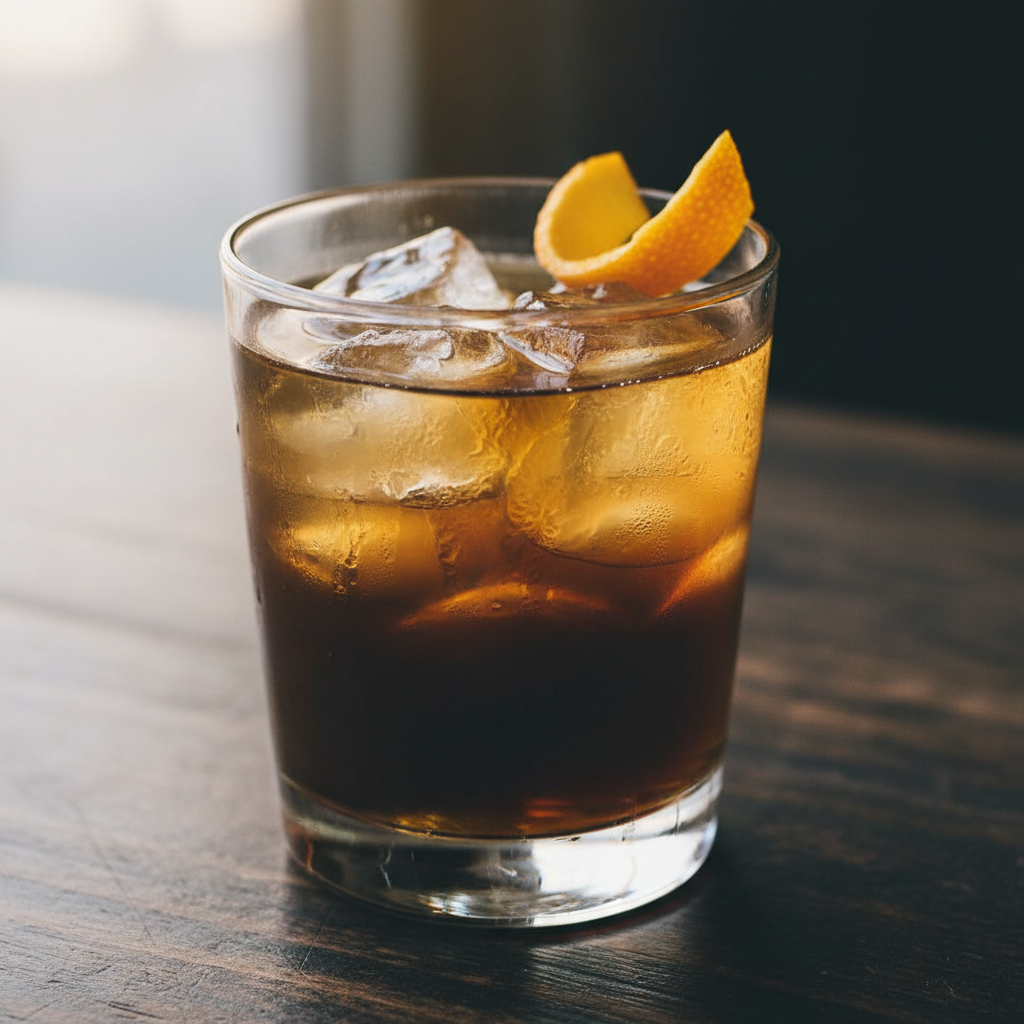
    A Carajillo is a Spanish-origin coffee cocktail, popular in Mexico and Spain, made by combining espresso with a shot of Licor 43. While its exact origins are debated, its purpose is clear: to provide a spirited, flavorful end to a meal. It’s not a creamy, blended drink; it’s meant to be served straight up or over ice, highlighting the contrast between the two main ingredients.

    The Carajillo Ratio That Matters

    The entire drink hinges on a 2:1 espresso-to-liqueur ratio. I use 60 ml (2 shots) of espresso to 30 ml (1 oz) of Licor 43. This balance is key. Too much liqueur, and it becomes cloyingly sweet, masking the coffee. Too little, and the harshness of the alcohol and espresso isn’t properly mellowed. This ratio provides enough sweetness and complexity from the liqueur to complement the espresso without overpowering it. It’s the same principle baristas use for balancing espresso in milk drinks—you’re just swapping milk for liqueur.

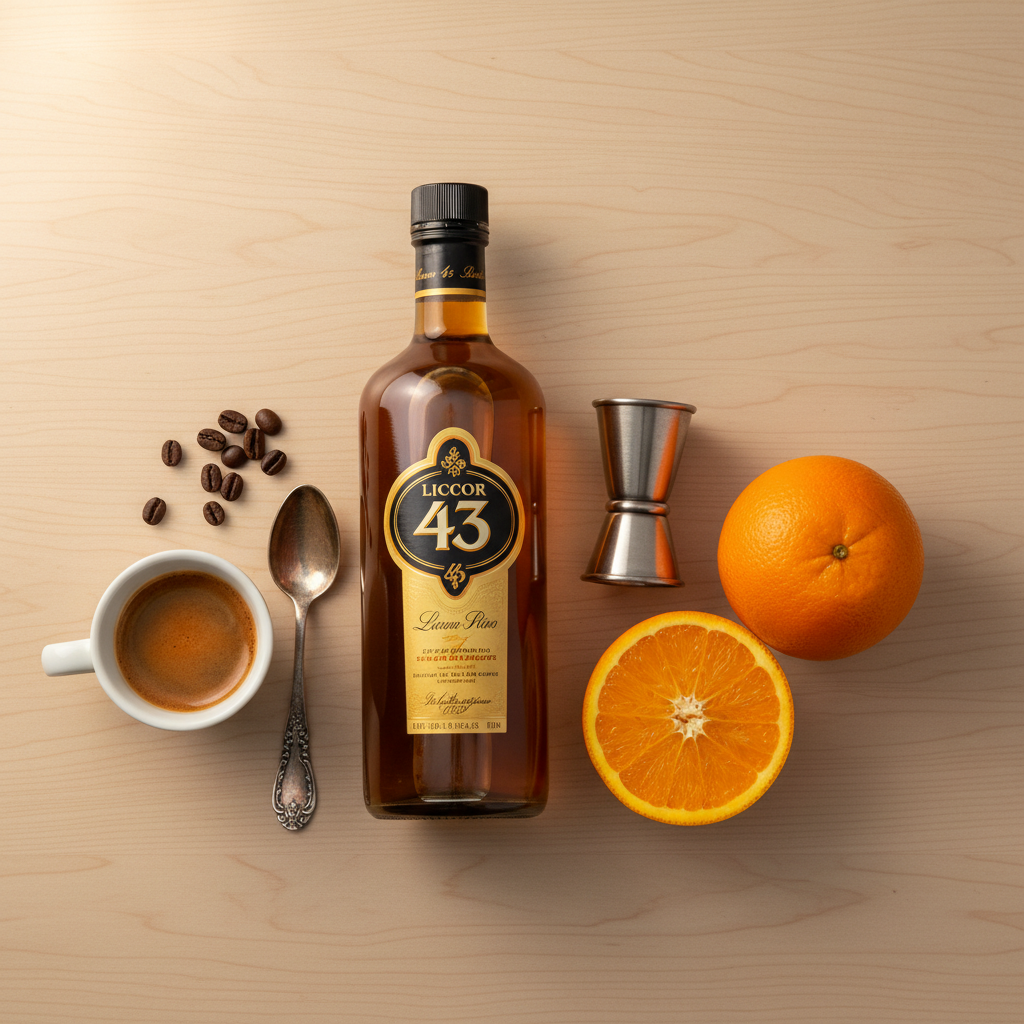
    Ingredients for Carajillo Recipe: The Mexican Espresso Cocktail
    Everything you need — no specialty gear required.

    Ingredients You’ll Need

    Espresso (60 ml / 2 shots): The foundation. You want a strong, full-bodied shot with good crema. A medium or dark roast works best. I typically use Lavazza Super Crema or a local roaster’s espresso blend. Substitution: Any very strong, concentrated coffee will work in a pinch (see Equipment section).

    Licor 43 (30 ml / 1 oz / 2 tbsp): This is the non-negotiable star. Licor 43 is a Spanish liqueur made from 43 herbs and spices, with dominant notes of vanilla, citrus, and subtle spice. It’s what gives a Carajillo its distinctive flavor. Don’t substitute generic vanilla syrup or other liqueurs blindly; the flavor profile is unique. You can find it at most well-stocked liquor stores.

    Ice (Optional): If serving over ice, use large, dense cubes that melt slowly. I make a batch of coffee ice cubes (as the National Coffee Association suggests for avoiding dilution) specifically for this drink.

    Orange Twist or Lemon Peel (Garnish): A small citrus peel expressed over the drink enhances the citrus notes in the Licor 43 beautifully. It’s optional but recommended.

    Equipment (+ The No Espresso Machine Path)

    You need a way to make 60 ml of very strong coffee and a jigger for measuring.

    • Espresso Machine: The ideal tool for authentic crema and concentration.
    • Moka Pot (My go-to for no machine): A 3-cup Moka pot produces about 120-150 ml of strong coffee. Use 60 ml of that for your drink. It’s not true espresso, but it’s close and perfect for a Carajillo.
    • AeroPress: Use a fine grind and a paper filter. Aim for a 1:5 coffee-to-water ratio (e.g., 18g coffee to 90g water) with a 2-minute steep time to get a concentrated brew.
    • Strong Instant Coffee: In a true pinch, dissolve 2 teaspoons of a high-quality instant espresso (like Medaglia d’Oro) in 60 ml of hot water. It works surprisingly well.
    • Other Essentials: A kitchen scale (for precision) or measuring spoons, a glass (traditionally a rocks or old fashioned glass), and a bar spoon or regular spoon for stirring.

    Step-by-Step Technique Tips

    First, make your espresso or strong coffee. If you plan to serve it over ice, this next step is critical: let the espresso cool for 2-3 minutes. Pouring piping hot espresso directly onto ice causes rapid, excessive melting and dilutes your drink before you even taste it. I pour my shot into a small metal cup or ramekin to speed up cooling. While it cools, measure your Licor 43 into your serving glass. If serving over ice, add the ice now. Then, pour the cooled espresso over the liqueur (and ice). Stir vigorously for about 10 seconds to combine and, if iced, to chill the whole drink quickly. Express a citrus peel over the top, drop it in, and serve immediately.

    What Goes Wrong (and How to Fix It)

    Tastes watery and weak: Your ice melted too fast. Fix: Always cool your espresso for 2-3 minutes before adding it to an ice-filled glass. Use coffee ice cubes.

    Too sweet, like candy: You used too much Licor 43 or a different, sweeter liqueur. Fix: Stick to the 2:1 ratio. If you accidentally over-pour, add a splash of cold brew or more espresso to rebalance.

    Alcohol taste is too harsh/burning: You used a high-proof spirit like rum or whiskey instead of Licor 43, or your espresso isn’t strong enough to stand up to it. Fix: Use Licor 43 (43 proof). If using another spirit, start with a 3:1 coffee-to-spirit ratio and adjust.

    Drink separates into layers: This is normal if you don’t stir! Licor 43 is denser than espresso. Fix: Give it a really good stir for a full 10 seconds before sipping.

    Espresso tastes bitter and overpowers everything: Your coffee might be over-extracted. Fix: Ensure your grind isn’t too fine (for Moka/AeroPress) and your water isn’t boiling. The sweetness of the Licor 43 will balance some bitterness, but a badly made shot is hard to mask.

    Carajillo de Ron: Substitute the Licor 43 with a smooth, aged rum (like Flor de Caña 7). Start with a 3:1 coffee-to-rum ratio.

    Carajillo de Brandy: A classic Spanish version using brandy (like Fundador) instead of Licor 43. It’s more spirit-forward and less sweet.

    Iced Vanilla Carajillo: Add 1/2 oz (15 ml) of vanilla syrup along with the Licor 43 for an extra vanilla kick. Shake the espresso, liqueur, and syrup with ice, then strain over fresh ice.

    Carajillo Freddo (Whipped): For a frothy treat, combine the cooled espresso, Licor 43, and a handful of ice in a cocktail shaker. Shake violently for 15 seconds until frothy and chilled, then strain into a glass.

    “Dirty” Carajillo: Add 1 oz (30 ml) of cold whole milk or cream after stirring. It creates a layered, creamy effect.

    How to Make a Lighter Carajillo

    To reduce sugar, you can use a sugar-free vanilla syrup and a smaller pour of Licor 43 (try 3/4 oz instead of 1 oz). For a dairy-free version, simply avoid the “dirty” variation—the standard recipe is naturally dairy-free. Licor 43 itself is not vegan due to the inclusion of dairy in its production, according to the manufacturer. For a fully vegan option, you could experiment with a combination of vanilla syrup, a dash of orange bitters, and a vegan vanilla liqueur, though the flavor will differ.

    Storage & Make-Ahead Tips

    Carajillos are best made fresh. However, you can batch-prepare the coffee component. According to USDA food safety guidelines, brewed coffee can be refrigerated for 3-4 days. I keep a sealed jar of cold-brew concentrate or cooled Moka pot coffee in the fridge. For a quick drink, measure 60 ml of cold concentrate, add Licor 43 and ice, and stir. Do not mix the liqueur and coffee ahead of time, as the alcohol can continue to extract bitter compounds from the coffee over hours. Store your Licor 43 at room temperature away from direct light. Coffee Recipes’ testing found that pre-chilled coffee and a measured liqueur pour allow you to assemble a perfect Carajillo in under 60 seconds.

    ☕ Classic Carajillo

    A simple, balanced Mexican espresso cocktail with espresso and Licor 43.

    Prep: 5 min  •  Total: 5 min  •  Serves: 1 drink  •  ~210 kcal

    Batch size:

    Ingredients

    • 2 shots (60 ml) espresso, cooled slightly
    • 1 oz (30 ml / 2 tbsp) Licor 43
    • Large ice cubes (optional, for serving over ice)
    • 1 strip of orange or lemon peel (for garnish)

    Instructions

    1. Prepare your espresso and let it cool for 2-3 minutes to room temperature. This prevents excessive ice melt.
    2. If serving over ice, place 3-4 large ice cubes in a rocks glass.
    3. Pour the Licor 43 (1 oz) into the glass, over the ice if using.
    4. Pour the cooled espresso over the Licor 43.
    5. Stir vigorously for 10 seconds to combine and chill.
    6. Express the citrus peel over the surface of the drink by twisting it to release the oils. Drop the peel into the glass and serve immediately.

    Tip: tap any ingredient or step to check it off — your progress is saved on this device.

    Frequently Asked Questions

    What is Licor 43 and what does it taste like?

    Licor 43 is a Spanish liqueur made with 43 herbs and spices. Its dominant flavors are vanilla and citrus (particularly orange and lemon), with subtle spice notes. It’s sweet, smooth, and essential for an authentic Carajillo flavor.

    Can I make a Carajillo without an espresso machine?

    Absolutely. A Moka pot is the best alternative, producing a strong, concentrated coffee very similar to espresso. An AeroPress with a fine grind or even a strong instant espresso mixed with hot water will work in a pinch.

    What’s the difference between a Spanish and a Mexican Carajillo?

    In Spain, a Carajillo is often made with rum, brandy, or whiskey mixed with espresso. In Mexico, the version made with Licor 43 has become the most popular and iconic. The Mexican style is generally sweeter and more aromatic due to the vanilla-citrus profile of the liqueur.

    How strong is a Carajillo (alcohol content)?

    Licor 43 is 43 proof (21.5% ABV). In a standard recipe with 1 oz of liqueur, the drink has roughly the same alcohol as a light beer. It’s a digestif, not a highball cocktail.

    Can I make a non-alcoholic Carajillo?

    Yes. Substitute the Licor 43 with a mix of 1 oz vanilla syrup, a dash of orange extract, and a tiny pinch of cinnamon. It will be sweeter and lack the complexity of the liqueur, but it’s a tasty mocktail.

    Should you stir a Carajillo?

    Yes, you must stir it. Licor 43 is denser than espresso and will settle at the bottom. Stirring for 10 seconds fully integrates the flavors and ensures every sip is balanced.

    What glass should I use for a Carajillo?

    Traditionally, it’s served in a rocks (old fashioned) glass, either neat or over ice. You can also use a small heat-proof glass if serving hot, or a coupe glass if serving the shaken, frothy “Freddo” variation.

    How much does it cost to make a Carajillo at home vs. buy one?

    Coffee Recipes calculates the cost at about $0.80 per drink for espresso and Licor 43, compared to $8 to $12 at a restaurant or cocktail bar. The homemade version saves you over 90%.

    More Coffee Recipes to Try


    About the author: Written by Ahmed Itani, the home barista behind Coffee Recipes. Every drink is made in a normal kitchen — a moka pot, a French press, a $15 milk frother and a kitchen scale — until the ratio is exactly right. Last updated 2026-10-05.

  • Espresso Martini Recipe: The 4-Ingredient Standard

    Espresso Martini Recipe: The 4-Ingredient Standard

    A perfect Espresso Martini requires a simple 1:1:1:1 ratio of espresso, vodka, coffee liqueur, and simple syrup, costing you about $1.20 at home instead of $12-16 at a cocktail bar. This isn’t a vague suggestion—it’s the exact balance that creates that iconic silky texture, rich coffee punch, and the stable foam cap that defines the drink. I’ve made this at home for years after getting tired of paying premium prices for what is, at its core, just four ingredients combined with precision.

    As a home barista, my go-to ratio is 1.5 ounces (45 ml) of each component, which fits perfectly in a standard cocktail shaker and fills a classic martini glass. The magic isn’t in expensive equipment; it’s in understanding why these four parts work together and how to combine them correctly. Let’s break down the method that makes your homemade version indistinguishable from the one you’d order out.

    ↓ Jump to Recipe

    Key Takeaways

    • The perfect ratio is 1 part each: espresso, vodka, coffee liqueur, and syrup.
    • Coffee Recipes’ homemade version costs about $1.20 versus $12-16 at a restaurant.
    • Total time is 5 minutes, not including chilling your espresso shot.
    • The single most important tip: chill your espresso before shaking to prevent a watery, melted drink.
    What’s in this guide

    What Is an Espresso Martini?

    An Espresso Martini is a cold, shaken cocktail combining freshly brewed espresso, vodka, coffee liqueur, and a touch of sugar, famous for its luxurious layer of creamy foam. It was reportedly invented in the 1980s by London bartender Dick Bradsell when a model asked for a drink that would “wake me up and then fuck me up.” No history lesson needed—what matters is that the recipe has been standardized into the balanced, four-part formula we use today.

    The Ratio That Matters: Why 1-1-1-1 Works

    This equal-parts formula works because it creates a perfect equilibrium. The espresso provides the robust, caffeinated base. The vodka adds clean, neutral alcohol that doesn’t fight the coffee flavor—unlike rum or whiskey. The coffee liqueur (like Kahlúa) reinforces the coffee notes while adding sweetness and body. Finally, the simple syrup (or another sweetener) is non-negotiable; it rounds out the bitterness of the espresso and helps create a stable, long-lasting foam when shaken. If you skip the syrup, you’ll get a harsh, thin drink with weak foam. Coffee Recipes’ standard ratio is 45 ml (1.5 oz) of each ingredient because it’s the most replicable volume for a home shaker.

    espresso martini

    Ingredients You’ll Need (and Why)

    Each ingredient has a specific job. Using the right brands and understanding substitutions is key to nailing this drink on the first try.

    • Espresso (2 shots / 60 ml / ~2 oz): You need 60 ml of freshly brewed espresso. The crema is essential for flavor and foam. I use locally roasted medium-dark beans, but any fresh espresso roast works. Substitution: If you can’t get fresh beans, try Illy Classico or Lavazza Super Crema ground espresso in a moka pot.
    • Vodka (1.5 oz / 45 ml): Use a smooth, mid-shelf vodka. You don’t need Grey Goose, but avoid the bottom shelf. Tito’s Handmade Vodka or Absolut are my reliable, affordable choices. The vodka should be a neutral carrier, not a flavor.
    • Coffee Liqueur (1.5 oz / 45 ml): Kahlúa is the classic for a reason—its flavor profile was literally designed for this drink. Mr. Black is a premium, less-sweet alternative with more coffee intensity. Do not substitute with amaretto or Irish cream; they are different products.
    • Simple Syrup (1 tbsp / 15 ml / 0.5 oz): This is 1:1 sugar and water, dissolved. I keep a jar of vanilla simple syrup in my fridge (1 cup sugar, 1 cup water, 1 split vanilla bean, simmered 5 minutes). It adds a subtle depth. You can use plain syrup, or substitute with 2 tsp (10 ml) of maple syrup or agave, though the flavor will change slightly.

    Equipment (+ The No Espresso Machine Path)

    You need a cocktail shaker (Boston or Cobbler), a fine strainer (if your shaker doesn’t have one), and a martini glass or coupe. Chill your glass in the freezer for 5 minutes before making the drink.

    No espresso machine? Here’s your pathway: A true espresso machine is ideal, but not mandatory. For the closest approximation of espresso’s pressure and concentration, use a moka pot (like a Bialetti). Brew it strong with fine grounds and use 60 ml of the output. The AeroPress is another excellent option; use 18g of fine espresso grind, 90g of water just off the boil, and a 2-minute steep with a gentle press. For a true emergency, use 2 teaspoons (about 4g) of a high-quality instant espresso powder (like Medaglia d’Oro or Bustelo) dissolved in 60 ml of hot water. Do not use regular instant coffee; it lacks the body and oils.

    Step-by-Step Technique Tips

    The numbered steps are in the recipe card, but these tips are what separate a good martini from a great one. First, brew your espresso and let it cool for at least 2-3 minutes. Shaking hot espresso melts your ice instantly, diluting the drink. I brew mine directly into a small metal cup sitting in an ice bath to chill it faster. Second, shake hard and long. You’re not just mixing; you’re aerating. A proper shake is 12-15 seconds of vigorous, vertical motion until the shaker is frosty. This creates the microfoam. Finally, double-strain. After shaking, use both the shaker’s built-in strainer and a separate fine mesh strainer over your glass. This catches tiny ice shards and coffee grounds, giving you that professional, silky-smooth texture.

    What Goes Wrong (and How to Fix It)

    This is the troubleshooting guide I wish I had when I started.

    • Problem: The drink tastes watery and weak.
      Fix: Your ice melted before the espresso cooled. Always chill your espresso shot for 2-3 minutes before adding it to the shaker. Use large, dense ice cubes (like from a silicone tray) that melt slower.
    • Problem: No foam forms on top.
      Fix: You didn’t shake hard enough, or you omitted the simple syrup. The sugar is a foaming agent. Ensure you have at least 15 ml (1 tbsp) of syrup and shake vertically with maximum effort for a full 12 seconds.
    • Problem: The foam disappears in seconds.
      Fix: You used stale coffee or didn’t double-strain. Fresh espresso with crema is crucial. Also, pouring through a fine mesh strainer keeps the foam stable by removing large bubbles and ice fragments.
    • Problem: It’s too bitter or harsh.
      Fix: You likely skipped the sweetener or used a very dark roast coffee. Always include the syrup. If you prefer less sweetness, reduce it to 2 tsp (10 ml), but don’t eliminate it. Consider using a medium-roast espresso bean.
    • Problem: The drink is cloudy.
      Fix: You shook with old ice that has freezer odors, or your coffee liqueur has crystallized. Use fresh ice from a sealed bag or clean tray. Give your Kahlúa a shake before using.

    5 Variations to Try Next

    Once you’ve mastered the classic, play with these variations.

    1. Salted Caramel Espresso Martini: Replace simple syrup with 15 ml of salted caramel syrup (like Monin). Garnish with a few grains of flaky sea salt.
    2. Hazelnut Espresso Martini: Use 30 ml of Kahlúa and 15 ml of Frangelico instead of 45 ml of Kahlúa. It’s nutty and complex.
    3. Darker Chocolate Twist: Add 1 tbsp (15 ml) of dark crème de cacao to the shaker. Garnish with a few chocolate shavings.
    4. Spiced: Infuse your simple syrup with a cinnamon stick and two star anise pods while simmering. Strain and use as your sweetener.
    5. Dairy-Free White Russian Hybrid: Shake the standard recipe, then gently float 1 oz (30 ml) of canned coconut cream or oat milk creamer on top instead of using dairy.

    How to Make It Lighter (Less Sugar or Dairy-Free)

    The classic recipe has no dairy, so it’s already dairy-free and gluten-free (check your vodka and liqueur brands to be sure). To reduce sugar, you have a few options. First, use Mr. Black coffee liqueur, which has about half the sugar of Kahlúa. Second, reduce the simple syrup to 2 tsp (10 ml) and compensate with a sweeter coffee liqueur. Third, replace the simple syrup entirely with 2-3 drops of liquid stevia, but add it after shaking and stir gently, as it can sometimes inhibit foam. According to the National Coffee Association, coffee itself is a virtually calorie-free base, so the calories here come almost entirely from the alcohol and added sugars.

    Storage & Make-Ahead Tips

    Espresso Martinis are best served immediately. You cannot batch-shake them with ice and store them. However, you can pre-mix the alcohol base. Combine your chosen amounts of vodka and coffee liqueur in a sealed bottle and store it at room temperature indefinitely. When ready to serve, pour 3 oz (90 ml) of this base into your shaker, add your freshly brewed (and cooled) espresso and syrup, and shake with ice. For a true party trick, you can brew and chill a larger batch of espresso up to 24 hours in advance. Keep it in a sealed jar in the fridge. Cold espresso is actually perfect for this drink. Coffee Recipes recommends against freezing the finished drink or using day-old espresso from a coffee pot, as oxidation makes it taste flat.

    ☕ Classic Espresso Martini

    The perfectly balanced 4-ingredient cocktail with a rich coffee flavor and luxurious foam.

    Prep: 5 min  •  Total: 5 min  •  Serves: 1 drink  •  ~210 kcal

    Batch size:

    Ingredients

    • 2 shots (60 ml) freshly brewed espresso, cooled
    • 1.5 oz (45 ml) vodka (like Tito’s or Absolut)
    • 1.5 oz (45 ml) coffee liqueur (like Kahlúa)
    • 1 tbsp (15 ml) vanilla simple syrup
    • Ice cubes for shaking
    • 3 coffee beans for garnish (optional)

    Instructions

    1. Brew your espresso and let it cool for 2-3 minutes. Pour it into a small cup, or place the cup in an ice bath to speed up chilling.
    2. Place your martini glass or coupe in the freezer to chill.
    3. Add the cooled espresso, vodka, coffee liqueur, and simple syrup to a cocktail shaker.
    4. Fill the shaker ¾ full with large, fresh ice cubes.
    5. Seal the shaker tightly and shake vigorously and vertically for 12-15 seconds, until the shaker is very cold and frosted.
    6. Remove your chilled glass from the freezer.
    7. Double-strain the drink: use the shaker’s built-in strainer and a separate fine mesh strainer to pour the liquid into the glass, holding back the ice.
    8. Gently place 3 coffee beans on the center of the foam for a traditional garnish. Serve immediately.

    Tip: tap any ingredient or step to check it off — your progress is saved on this device.

    Frequently Asked Questions

    Can I make an Espresso Martini without an espresso machine?

    Yes. The best alternatives are a moka pot or an AeroPress, which can produce a strong, concentrated coffee similar to espresso. In a pinch, you can use 2 tsp of high-quality instant espresso powder dissolved in 60 ml of hot water.

    What’s the best vodka for an Espresso Martini?

    Use a smooth, mid-shelf vodka like Tito’s Handmade Vodka, Absolut, or Ketel One. The goal is a neutral spirit that doesn’t overpower the coffee, so avoid heavily flavored or bottom-shelf vodkas.

    Why is there no foam on my Espresso Martini?

    No foam is usually due to not shaking hard enough, using hot espresso that melts the ice, or omitting the simple syrup. Ensure your espresso is cooled, include the syrup, and shake with maximum effort for at least 12 seconds.

    Can I make a non-alcoholic Espresso Martini?

    Yes. Replace the vodka with more cold brew or chilled espresso, and use a non-alcoholic coffee liqueur substitute (like a syrup). The shaking method will still create foam, but the body will be different.

    How many calories are in an Espresso Martini?

    Our standard recipe has approximately 210 calories. The primary sources are the alcohol and sugars in the coffee liqueur and simple syrup. Using a lower-sugar liqueur like Mr. Black can reduce the calorie count.

    Can I batch make Espresso Martinis for a party?

    You can pre-mix the vodka and coffee liqueur in a bottle. Do not add the espresso until you’re ready to serve. For each drink, combine 3 oz of the pre-mix with 2 oz of cooled espresso and syrup, then shake individually with ice for the essential foam.

    What’s the difference between Kahlúa and Mr. Black?

    Kahlúa is sweeter and has a more pronounced vanilla and rum flavor. Mr. Black is a cold brew coffee liqueur that is less sweet and has a more intense, pure coffee taste. Both work well; choose based on your sweetness preference.

    How long does the foam last?

    A properly made foam with fresh espresso and adequate sugar, shaken hard and double-strained, should last for several minutes—long enough to enjoy the drink. It will slowly dissipate but shouldn’t vanish immediately.

    More Coffee Recipes to Try


    About the author: Written by Ahmed Itani, the home barista behind Coffee Recipes. Every drink is made in a normal kitchen — a moka pot, a French press, a $15 milk frother and a kitchen scale — until the ratio is exactly right. Last updated 2026-08-08.