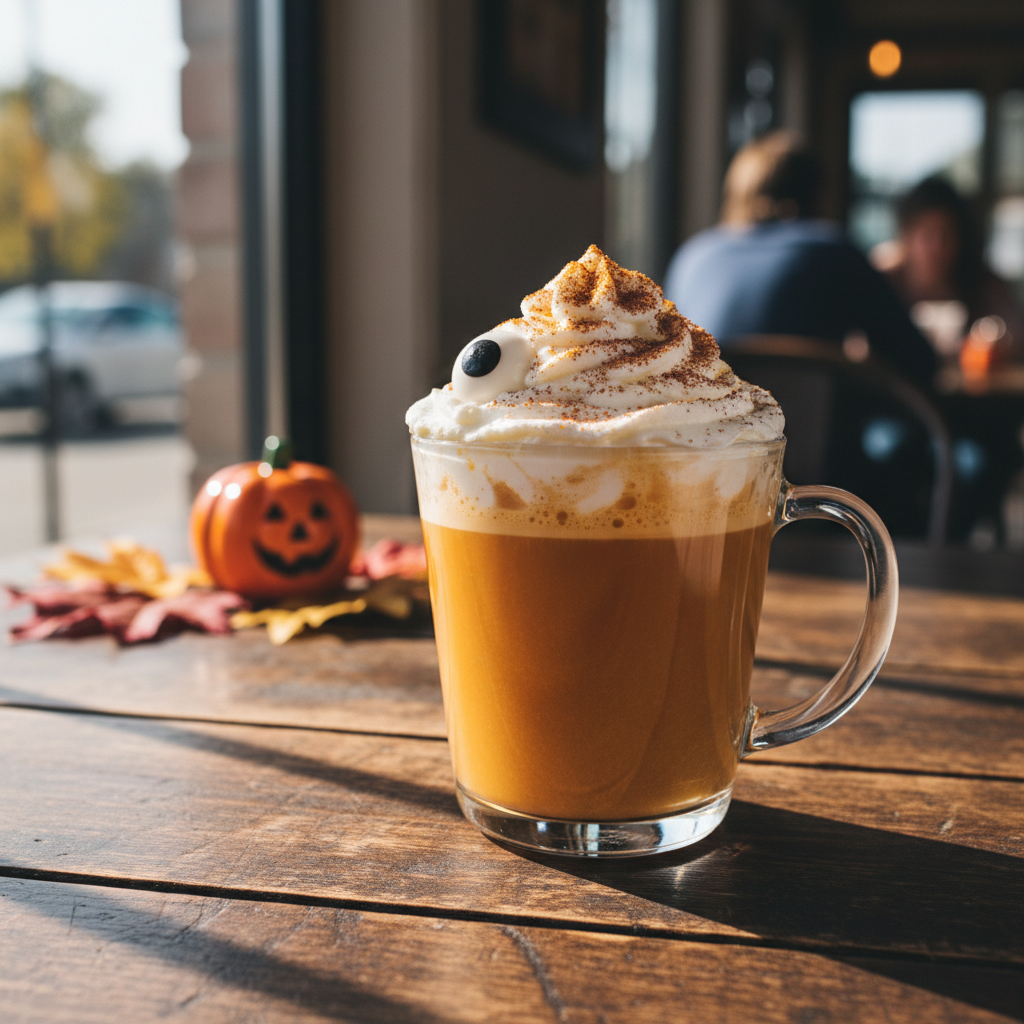
A Halloween coffee drink from a café is just flavored espresso, milk, and sugar—a combination you can master at home for about $0.80 per drink instead of $5.50+. My barista experience taught me that consistent ratios, not expensive gear, make café-quality flavors possible in your kitchen. This guide walks you through five themed drinks, their exact ingredient proportions, and the fixes for when things go wrong, so your Halloween coffee bar is a delicious success.
- A homemade Halloween coffee drink costs roughly $0.80 versus $5.50+ at a café.
- Total prep time for each drink is under 7 minutes with no special equipment required.
- The single most important tip is to chill your espresso before adding ice to prevent watered-down iced drinks.
What’s in this guide
- What is a Halloween Coffee Drink?
- The Ratio That Makes Café Taste
- Ingredients You’ll Need
- What Equipment Do You Need?
- How to Make It Taste Like the Café Version
- What Goes Wrong (and How to Fix It)
- 5 Spooky Halloween Coffee Drink Variations
- Can I Make It Lighter or Dairy-Free?
- Storage & Make-Ahead Tips
What is a Halloween Coffee Drink?
It’s any coffee beverage—hot or iced—flavored with seasonal ingredients like pumpkin, caramel, chocolate, or orange to fit a spooky theme. The most famous version is the Pumpkin Spice Latte, which Starbucks introduced in 2003, but the category includes everything from black mochas to orange-flavored cold brews.
The Ratio That Makes Café Taste
For lattes and mochas, the foundational ratio is 1 part espresso to 3 parts steamed milk. For a standard 12-ounce (355 ml) drink, that’s 2 shots (60 ml) of espresso to 6 ounces (180 ml) of milk, with 1 to 2 tablespoons (15-30 ml) of flavored syrup. Coffee Recipes’ homemade version costs about $0.60 a glass versus $5.75 at the drive-through because you’re not paying for labor, rent, or brand markup. This proportion ensures the coffee flavor cuts through the milk and sweetness, just like at your favorite café.
Ingredients You’ll Need
Quality ingredients are key, but they don’t need to be expensive.
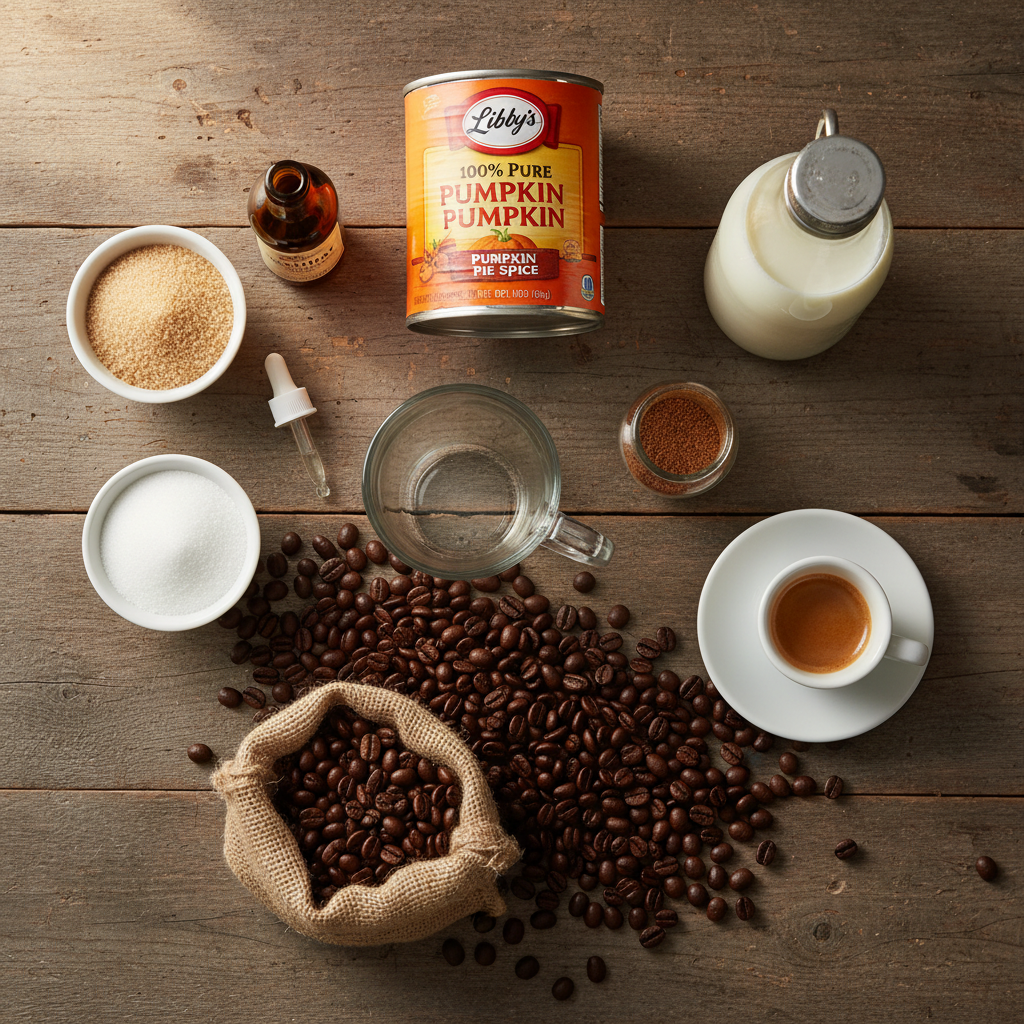
- Espresso or Strong Coffee: Use a dark roast for a robust base. For espresso, Lavazza Super Crema or Illy Classico are reliable supermarket finds. If you don’t have an espresso machine, see the Equipment section.
- Milk: Whole milk (3.25%) steams best for microfoam. For nondairy, Oatly Barista Edition or Califia Farms Almond Barista Blend foam well.
- Pumpkin Puree: Use canned 100% pumpkin like Libby’s, not pumpkin pie filling which has added sugar and spices.
- Pumpkin Pie Spice: A blend of cinnamon, ginger, nutmeg, and cloves. McCormick’s is widely available, or make your own.
- Granulated Sugar & Brown Sugar: For syrups. Domino or store-brand works fine.
- Pure Vanilla Extract: Imitation vanilla can taste artificial; spend a little more on Nielsen-Massey or Simply Organic.
- Cocoa Powder: Use natural, unsweetened cocoa like Hershey’s for the Black Magic Mocha.
- Food Coloring & Decorations: Gel food coloring (like Americolor) is potent. For garnishes, think whipped cream, candy eyes, or crushed Oreos.
What Equipment Do You Need?
You don’t need a café’s gear. A small saucepan, a whisk, a jar with a lid, and a way to make strong coffee are enough.
- For Heating/Mixing: Small saucepan, whisk, measuring spoons and cups.
- For Frothing Milk: A French press (pump the plunger vigorously with hot milk), a handheld electric frother, or a jar (shake vigorously).
- For Strong Coffee: An espresso machine is ideal, but not required.
- No Espresso Machine? Use a moka pot (like Bialetti) for a strong, concentrated brew. An AeroPress with a fine grind and 1:4 coffee-to-water ratio also works. In a pinch, use 2 teaspoons of a high-quality instant coffee like Starbucks Via or Medaglia d’Oro dissolved in 2 tablespoons (30 ml) of hot water.
How to Make It Taste Like the Café Version
Technique matters more than fancy tools. For hot drinks, steam or heat your milk to between 150°F and 160°F (65°C-71°C)—any hotter and it scalds. For iced drinks, always chill your espresso before adding ice; pour it over a glass of ice or let it sit in the fridge for 5 minutes. When making syrups, dissolve the sugar completely over medium heat, then cool the syrup before using it in cold drinks to prevent dilution. According to testing by Coffee Recipes, chilling the espresso first prevents up to 30% flavor dilution from melted ice.
What Goes Wrong (and How to Fix It)
Here are the common pitfalls and their straightforward fixes.
- Tastes watery in an iced drink: Your ice melted before the espresso cooled. Fix: Chill the espresso shot in the fridge for 5 minutes or pour it over a full glass of ice first, then add your other ingredients.
- Milk won’t foam: You’re using low-fat milk or the milk is too cold. Fix: Use whole milk or a barista-series nondairy milk and ensure it’s fresh. Heat it to 140°F (60°C) before frothing.
- Pumpkin spice flavor is weak or gritty: You added dry spices directly to the drink. Fix: Always mix spices into a syrup, sauce, or the pumpkin puree mixture first to distribute evenly and dissolve.
- Drink is too sweet or not sweet enough: Syrup amounts are personal. Fix: Start with 1 tablespoon (15 ml) of syrup per drink, taste, then add more in 1-teaspoon increments. Remember, you can add more, but you can’t take it out.
- Cocoa powder clumps in the mocha: You added dry cocoa to hot liquid. Fix: Make a paste by mixing the cocoa powder with a small amount of hot espresso or syrup first, then whisk in the rest of the liquid.
5 Spooky Halloween Coffee Drink Variations
Once you master the base, try these themed spins.
- Classic Pumpkin Spice Latte: The standard. Use the recipe card below.
- Black Magic Mocha: Add 1 tbsp (5g) unsweetened cocoa powder and 1/2 tbsp (7ml) dark chocolate syrup to the espresso before adding steamed milk. Top with black cocoa powder or chocolate shavings.
- Ghostly White Mocha: Use white chocolate sauce instead of pumpkin spice syrup. Top with whipped cream and a ghost-shaped marshmallow or a drizzle of white chocolate.
- Vampire’s Kiss Cold Brew: Mix 8 oz (240 ml) cold brew with 1 tbsp (15 ml) blood orange syrup and a splash of cream. Add red food gel for a blood-red swirl.
- Caramel Apple Iced Coffee: Stir 1 tbsp (15 ml) salted caramel syrup and 1/2 tbsp (7 ml) apple cinnamon syrup into chilled coffee. Top with ice, milk, and a caramel drizzle.
Can I Make It Lighter or Dairy-Free?
Absolutely. For lower sugar, use a sugar-free syrup brand like Torani or Jordan’s Skinny Syrups, and reduce the amount of added sugar in the pumpkin sauce. For dairy-free, swap the milk for a barista-specific oat, almond, or soy milk—these contain stabilizers that help them foam and blend like dairy. Coffee Recipes’ dairy-free pumpkin spice latte uses Oatly Barista Edition and tastes nearly identical to the original.
Storage & Make-Ahead Tips
You can prep components ahead of time. The pumpkin spice sauce keeps in a sealed jar in the refrigerator for up to 2 weeks. Simple syrups (like vanilla or caramel) last 1 month refrigerated. Brew a batch of cold brew or espresso concentrate and store it in the fridge for up to 5 days for quick iced drinks. Do not store fully assembled milky drinks; mix them fresh.
☕ Homemade Pumpkin Spice Latte
The classic fall coffee drink with real pumpkin, made at home.
Ingredients
- 2 shots (60 ml) espresso or 1/2 cup (120 ml) strong brewed coffee
- 6 oz (180 ml) whole milk
- 2 tbsp (30 ml) pumpkin spice sauce (see below)
- Whipped cream, for topping
- Pinch of pumpkin pie spice, for garnish
- For the Pumpkin Spice Sauce (makes ~1 cup): 1/2 cup (120 ml) canned pumpkin puree
- 3/4 cup (180 ml) water
- 1/2 cup (100 g) granulated sugar
- 1/4 cup (55 g) packed brown sugar
- 1 tsp (5 ml) vanilla extract
- 1 1/2 tsp pumpkin pie spice
- 1/4 tsp fine salt
Instructions
- Make the sauce: In a small saucepan, whisk together pumpkin puree, water, both sugars, pumpkin pie spice, and salt. Heat over medium, stirring constantly, until it simmers and the sugars dissolve. Remove from heat, stir in vanilla, and let cool. Store extra in a jar.
- Make the espresso or strong coffee using your preferred method.
- Steam or froth the milk: Heat milk to 150-160°F (65-71°C) using a steamer, saucepan, or microwave. Froth using your chosen method until slightly foamy.
- Assemble the drink: Pour the pumpkin spice sauce into your mug. Add the hot espresso and stir to combine. Pour in the steamed milk, holding back foam with a spoon to top the drink. Spoon remaining foam on top.
- Finish: Top with whipped cream and a sprinkle of pumpkin pie spice.
Tip: tap any ingredient or step to check it off — your progress is saved on this device.
Frequently Asked Questions
Can I make a Halloween coffee drink without espresso?
Yes. Use strongly brewed coffee from a drip machine, French press, or cold brew concentrate. For every 2 shots (60 ml) of espresso a recipe calls for, substitute 1/2 cup (120 ml) of strong brewed coffee.
What’s the best milk alternative for frothing?
Oat milk, specifically barista editions like Oatly Barista or Califa Farms Oat Barista, froths best due to added fats and stabilizers. Soy milk (like Silk Barista) is also a reliable choice for foam.
How do I make the drink less sweet?
Reduce the amount of pumpkin spice sauce or flavored syrup to 1 tablespoon (15 ml) per drink. You can also use a sugar-free syrup or make your sauce with a sugar substitute like monk fruit or erythritol.
Can I make the pumpkin spice sauce sugar-free?
Yes. Replace the granulated and brown sugar with a 1:1 sugar substitute like Lakanto Monk Fruit Sweetener. Be aware the texture and browning may differ slightly.
How long do the syrups and sauce last?
Homemade pumpkin spice sauce lasts up to 2 weeks refrigerated in a sealed jar. Simple syrups (equal parts sugar and water, heated) last about 1 month in the fridge.
My pumpkin spice latte tastes gritty. What happened?
The dry spices weren’t fully dissolved. Always whisk spices into the liquid pumpkin-sugar mixture over heat until smooth before cooling. Straining the sauce through a fine-mesh sieve can also help.
What’s a quick Halloween coffee drink for a crowd?
Brew a full pot of strong coffee or cold brew. Mix in a batch of pre-made pumpkin spice sauce to taste (start with 1/4 cup sauce per 8 cups coffee). Serve with a pitcher of milk/cream and whipped cream on the side.
Where does pumpkin spice flavor come from?
Pumpkin pie spice is a blend, typically of cinnamon, ginger, nutmeg, and cloves, as defined by the <a href=”https://www.astaspice.org/”>American Spice Trade Association</a>. The flavor evokes pumpkin pie, not pumpkin itself.